
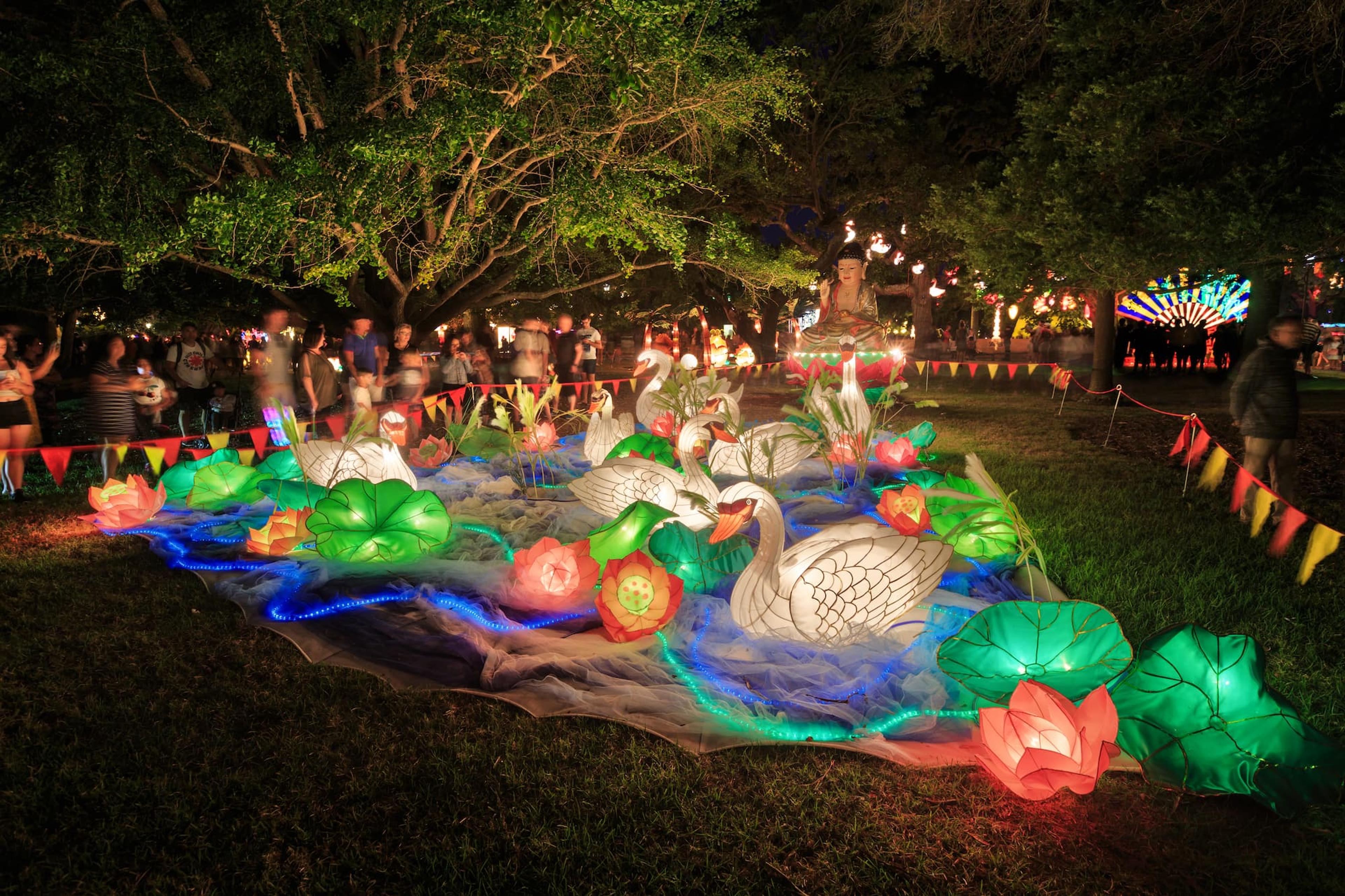
Lantern installations form part of Auckland’s Lantern Festival celebrations.
Photo/Auckland Council
Local Democracy Reporting
Lantern Festival expected to bring economic boost to South Auckland
The four-day festival is expected to draw up to 180,000 visitors, making it one of Auckland’s largest council-supported cultural events.

Taelegalolo'u Mary Afemata
Published
23 January 2026, 4:00pm
Share
Copy Link
Top stories

Clocks back, beers on tap: Easter weekend brings new rules and routine changes
Khalia StrongThu, 02 Apr
After 51 years, Polyfest is still fighting for long-term funding certainty
Taelegalolo'u Mary AfemataTue, 31 Mar

$23.95 vs $29.90: Minimum wage rise slammed as workers falling behind on pay
Christine RovoiWed, 01 Apr
Top stories
Clocks back, beers on tap: Easter weekend brings new rules and routine changes
Khalia StrongThu, 02 Apr
After 51 years, Polyfest is still fighting for long-term funding certainty
Taelegalolo'u Mary AfemataTue, 31 Mar
$23.95 vs $29.90: Minimum wage rise slammed as workers falling behind on pay
Christine RovoiWed, 01 Apr
Auckland's Lantern Festival will return to light up South Auckland next month, with council contributing $450,000 to its running costs.
The four-day festival is one of Auckland’s largest council-supported cultural events and is expected to attract between 160,000 and 180,000 visitors to South Auckland.
It returns to Manukau Sports Bowl from 26 February to 1 March, marking its third year at the South Auckland venue.
Council figures provided to Local Democracy Reporting show the council contributes $450,000 to the event, as part of a total cost of more than $1 million.
The remaining cost is covered through a mix of sponsorship, stallholder fees and grant funding, rather than additional ratepayer contributions.
Lotu Fuli, Manukau ward councillor, says while large-scale events can place pressure on surrounding neighbourhoods, the Lantern Festival has become an important opportunity for South Auckland communities.
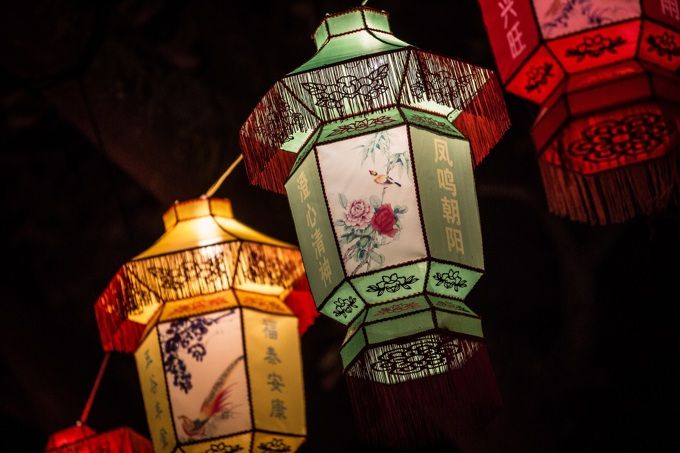
Traditional lanterns on display at Auckland’s Lantern Festival. Photo/Auckland Council
“It’s always a balancing act,” Fuli says. “People complain when we don’t have major events in our area, but Lantern is one of the biggest events Auckland has. It’s actually bigger than Polyfest in terms of attendance.”
She says the festival creates economic opportunities for local families, churches and community groups, with residents increasingly fundraising through paid parking, food stalls and small-scale trading.
“For many families, this is a chance to raise money for youth groups, churches and schools,” she says. “Churches like St Peter’s Chanel are opening their car parks, and families are finding ways to benefit from the crowds.”
Fuli also acknowledges that traffic congestion remains a concern for residents living near the venue and encourages the community to use public transport.
“The more people who don’t drive, the easier it is on local streets and local residents.”
First launched as a one-night event in Albert Park in 2000, the festival has since grown into a four-day festival and one of New Zealand’s largest cultural events, relocating over time as attendance increased.
The event, delivered by Tātaki Auckland Unlimited (TAU), will again operate as a free ticketed event, a system introduced to manage crowd numbers and support public transport use.
Ticket holders will be able to travel free on buses and trains from two hours before the festival opens until one hour after it closes, with shuttle services running between Manukau Train Station, Westfield Manukau and the venue.
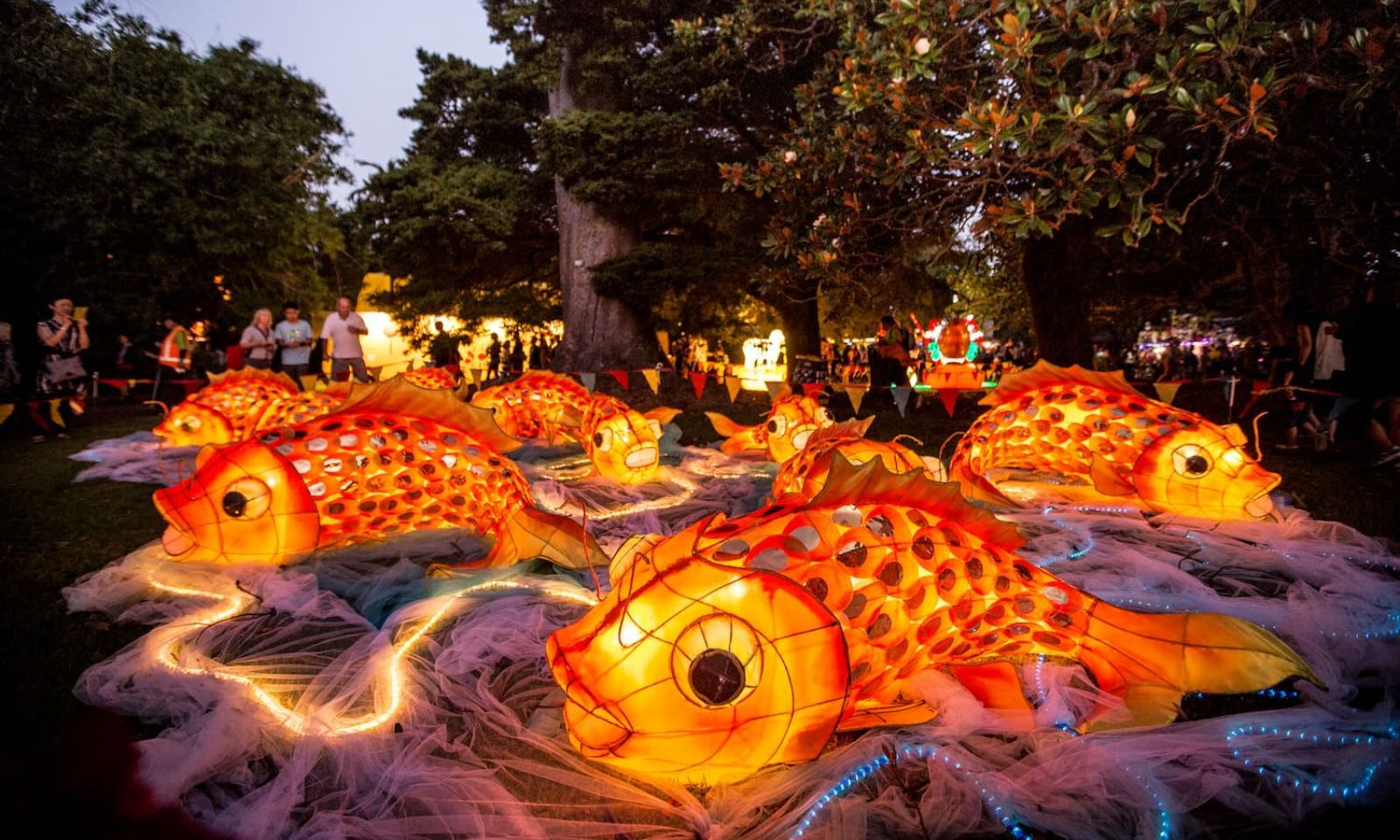
Festivalgoers walk through illuminated lantern installations during Auckland’s Lantern Festival. Photo/file.
Council data shows more than 42,000 people used free public transport to attend the festival last year, a figure Auckland Transport and TAU hope to increase in 2026. No public parking will be available on-site, and road closures will be in place during the event. The venue is around a 20-minute walk from the train station and bus hub.
TAU says Manukau Sports Bowl was selected following a 2022 feasibility assessment of 48 open-air venues across the region, with the Ōtara-Papatoetoe Local Board involved in final approval as landowner and providing landowner approval each year.
Council data shows the festival delivers economic and social returns. The 2025 event was estimated to generate $2.74 million in attendee spending and a net benefit of $2.16 million to Auckland, a 47 per cent increase on the previous year. More than 90 per cent of surveyed attendees said the event brought people from different cultures together, while 58 per cent reported learning more about Chinese culture.
Fuli says hosting major regional events in South Auckland must continue to come with genuine local involvement and ongoing improvements.
“If we want good things in our community, we also have to work through the challenges that come with them,” she says. “But council and event organisers need to keep improving traffic management and community engagement year on year.”
The festival will run daily from 4pm to 10.30pm and will be smoke-free and alcohol-free. Tickets are available via AucklandNZ, with organisers encouraging early booking to help manage capacity.
LDR is local body journalism co-funded by RNZ and NZ On Air.