
Ujelang Atoll shows signs of recovery after decades of nuclear exile - scientists
Aui'a Vaimaila Leatinu'uFri, 05 Jun
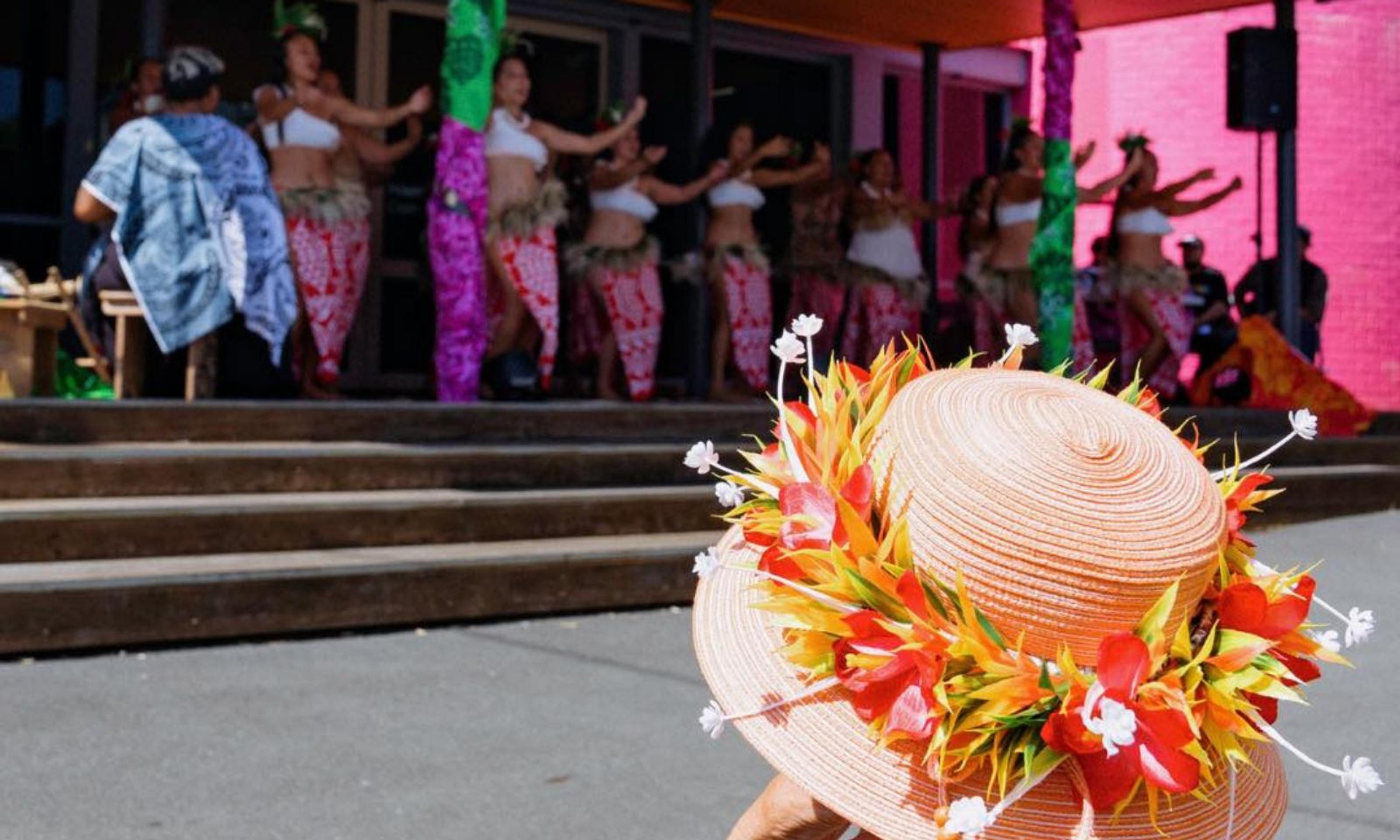
Traditional dance performances take place during Pasifika Festival celebrations.
Photo/Pasifika Festival Facebook
Pasifika Festival returned to Western Springs over the weekend, drawing thousands as organisers highlighted strong community ties.


Pasifika Festival returned to Western Springs over the weekend for a vibrant celebration of Pacific food, music and culture.
The two-day festival, delivered by Tātaki Auckland Unlimited on behalf of Auckland Council, featured eight stages, 11 cultural villages and more than 100 food and retail vendors.
Around 30,000 people were expected to celebrate the festival's 33rd year.
Tātaki Auckland Unlimited manager of major events production Afamasaga Jep Savali said the festival’s longevity comes from its close connection with Pacific communities and their role in shaping how the event operates.
The festival has become an important way for Pacific communities in the diaspora to reconnect with culture, language and heritage, he said.
“Pasifika Festival is a celebration of all things Pasifika. It’s a colourful, vibrant place for us to celebrate who we are as Pacific people."
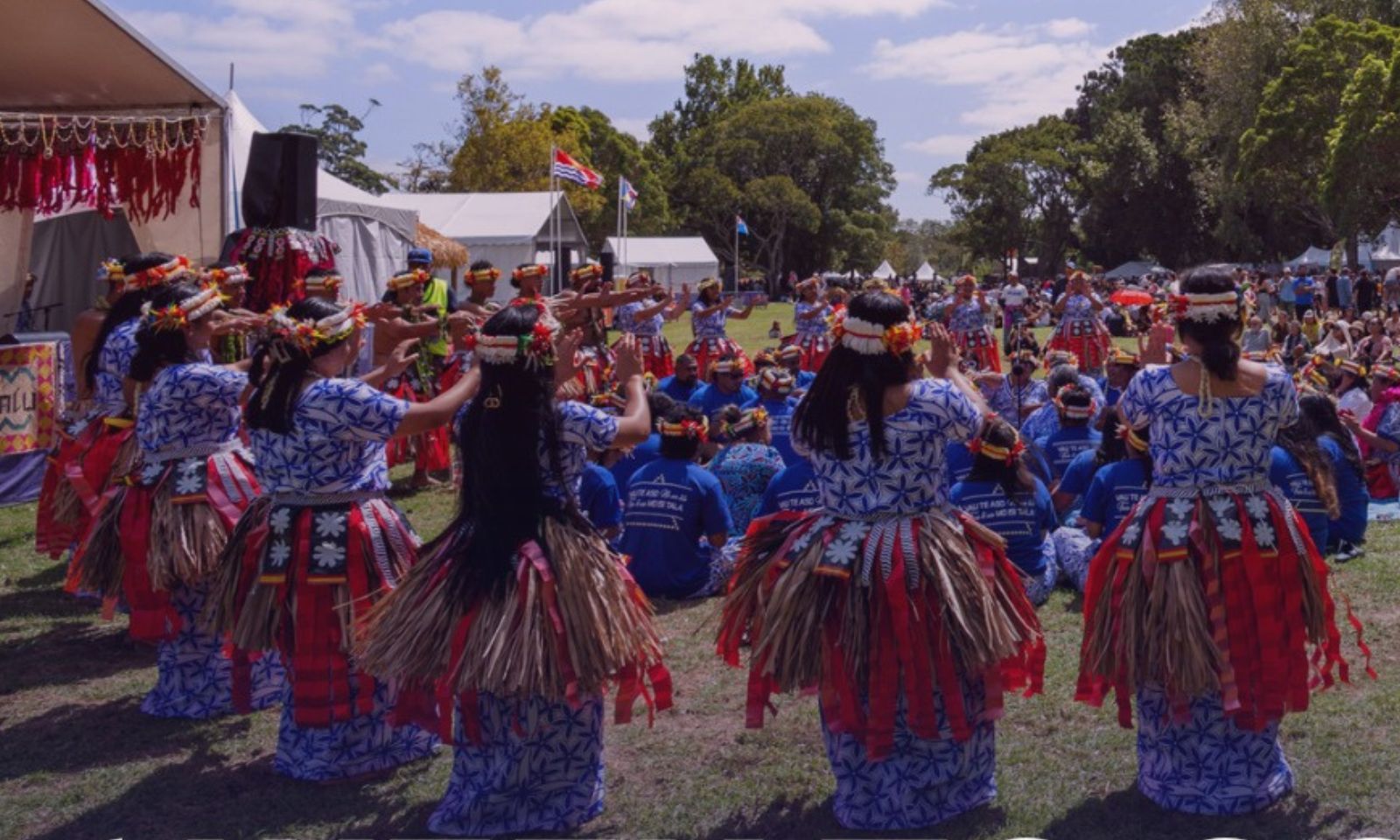
Crowds gathered to watch cultural performances across the festival’s village stages. Photo/Pasifika Festival Facebook
About 275,000 Pacific people live in Auckland, representing 16.6 per cent of the city’s population, according to the 2023 Census.
It is one of the largest Pacific populations outside the Pacific Islands.
Consultation behind the scenes
While visitors see performances, food stalls and cultural displays, organisers say much of the work happens after ongoing consultation with community leaders.
Each cultural village is represented by leaders known as Village Cultural Advisors, who help guide decisions about the event.
Afamasaga said these relationships are central to how the festival is run.
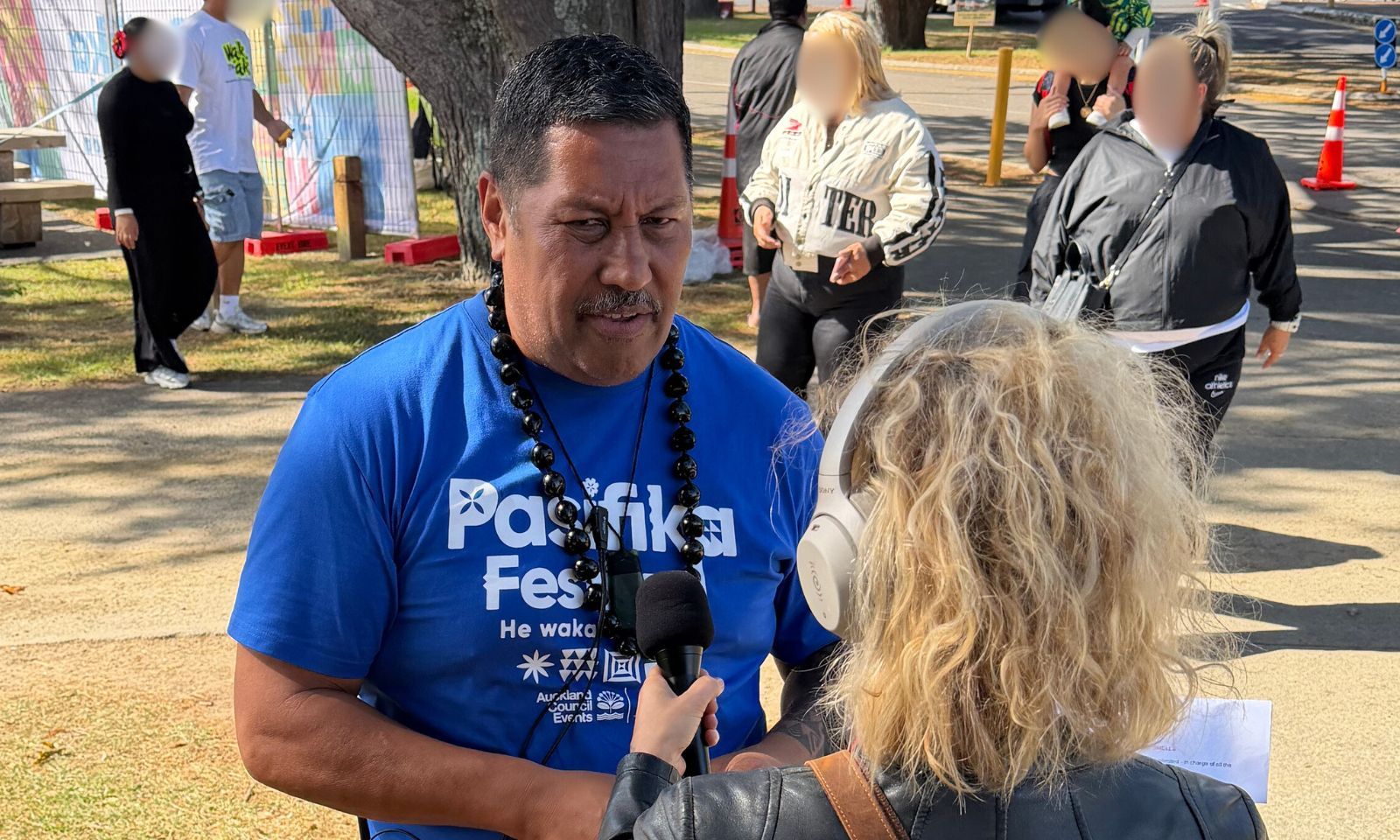
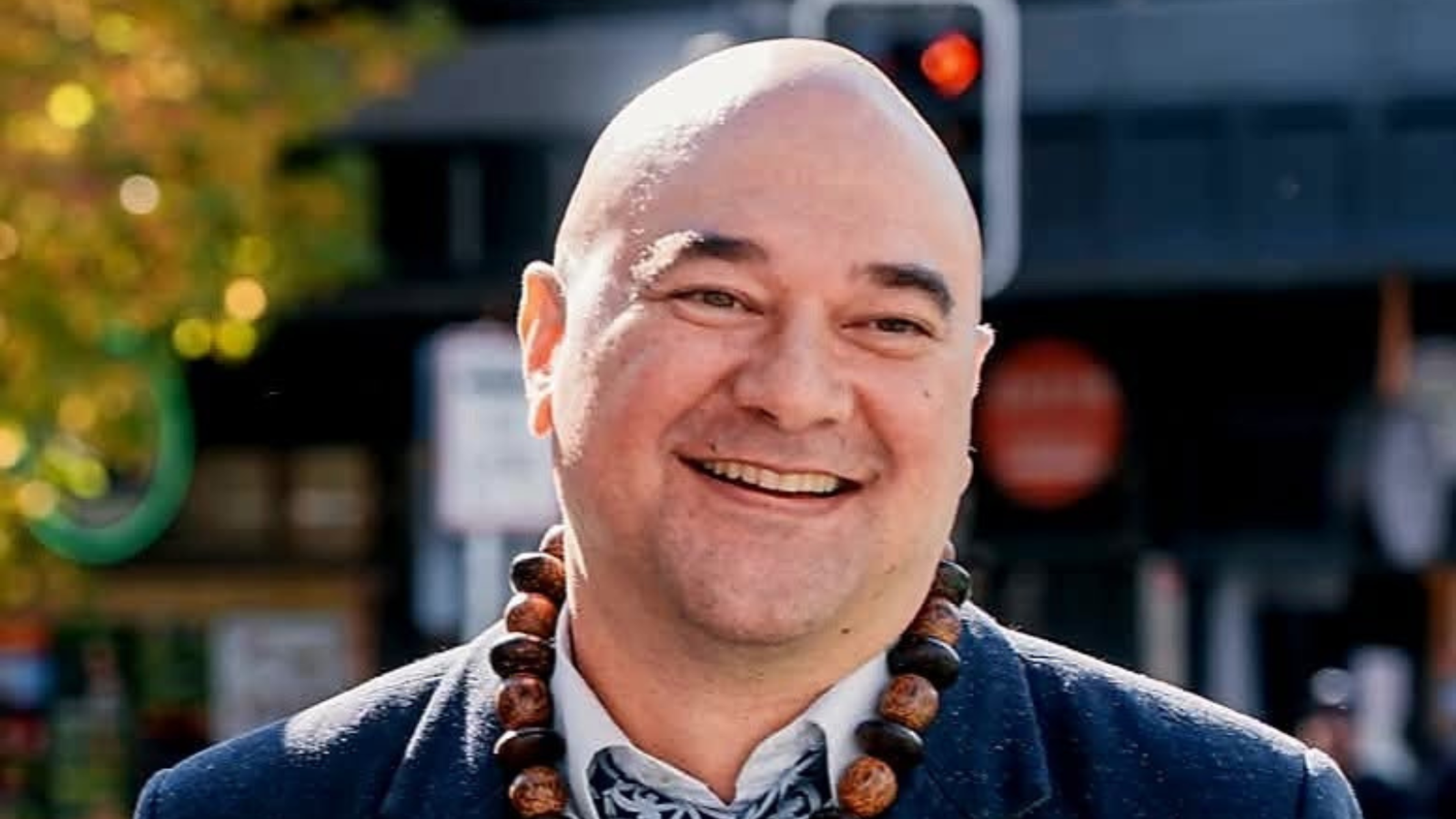
Afamasaga Jep Savali, Tātaki Auckland Unlimited manager of major events production, says strong community relationships are central to Pasifika Festival. Photo/Auckland Council
“We meet monthly with them immediately after the festival and continue those conversations throughout the year,” he said.
“Trustees may come and go, and staff members may come and go, but this relationship is a really important one, and it needs to be kept strong and alive.”
Consultation has also helped organisers respond to issues raised by communities in previous years.
Afamasaga said they worked closely with the Niue community following concerns about the placement of their village in the festival layout last year.
“Not all the time we get it right,” he said.
“However, we endeavour to do the right thing and continue to communicate with the community.”
Balancing public funding and accessibility
As a publicly supported event, Afamasaga said organisers must carefully balance operational costs while maintaining accessibility for communities and vendors.
Afamasaga said the cost of delivering the festival has increased in recent years, but organisers have tried to avoid creating barriers for small businesses and community vendors.
“There’s ratepayer funding involved in this, so we need to be very very cautious and careful about how that is expended,” he said.
When asked whether vendor fees had increased amid rising costs, Afamasaga said organisers had deliberately kept fees stable to avoid placing additional pressure on stallholders.
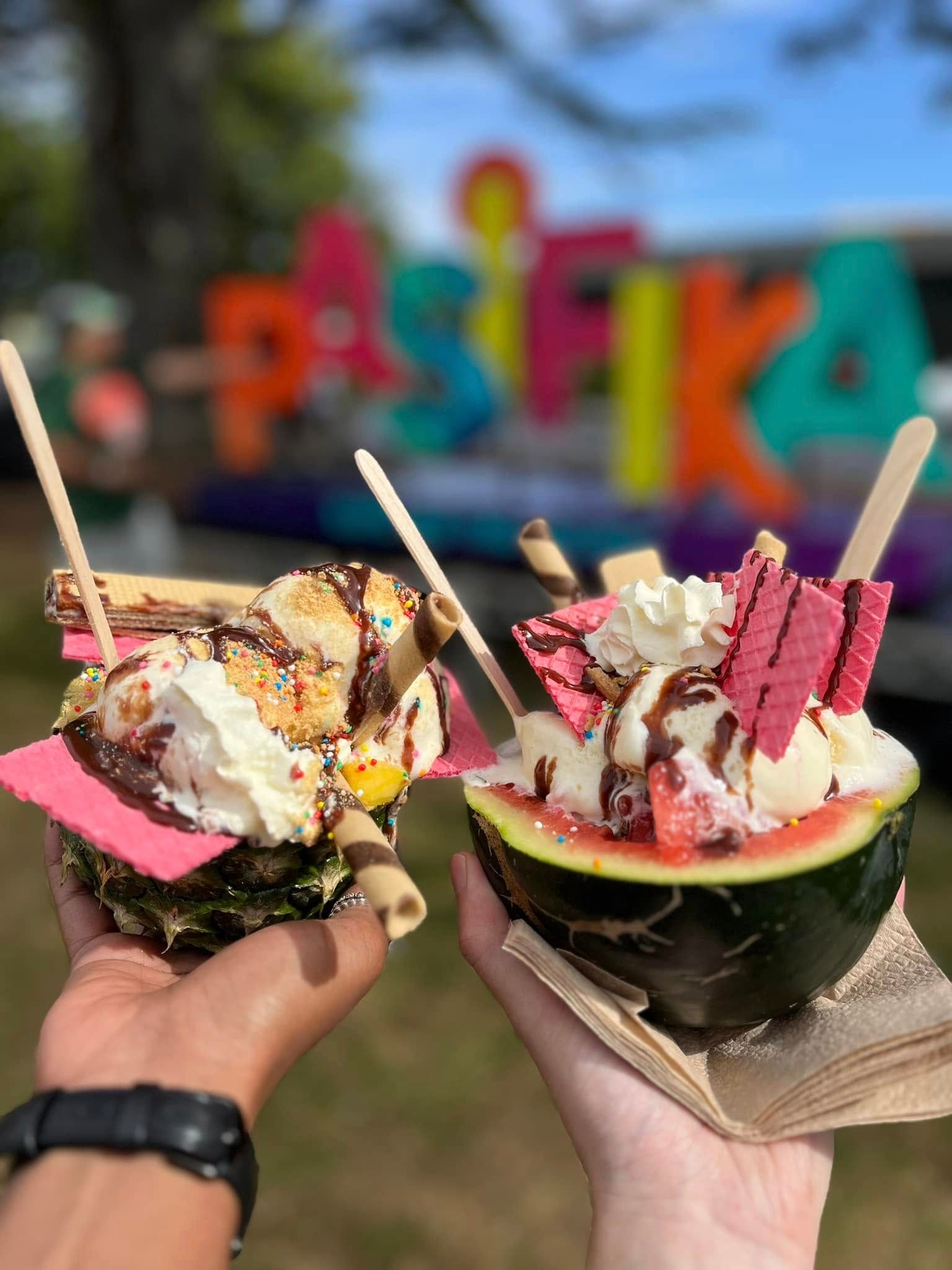
Dessert treats served in fresh fruit bowls were among the many food options at Pasifika Festival. Photo/Pasifika Festival Facebook
“We’ve kept our store fees the same for the last few years,” he said.
“Our operational costs are growing and the cost of living grows with that, and so do our operational costs. However, we don’t want to provide any more of a barrier than what is already provided.
“What we do is offset that with different models of funding in that space, to be able to absorb some of those costs.”
Payment plans are also available to help vendors manage the cost of participating.
Looking ahead
Afamasaga said the festival will continue evolving as Auckland’s Pacific population grows and becomes more diverse.
He said discussions are already underway about how the festival could better include Melanesian communities in the future.
“And so as we grow as a Pasifika and largely Polynesian community, let's not forget about our other communities, our Melanesian community,” he said.
Afamasaga said the goal is to ensure the festival continues to connect future generations of Pacific Aucklanders with their cultural identity.
“If it’s a vehicle to connect our diaspora and our tupulanga to their homelands and genealogy, then absolutely, why wouldn’t we amplify that?” he said.
LDR is local body journalism co-funded by RNZ and NZ On Air.