
I went to my first rugby game ever and learned why NZ loves this sport
Aui'a Vaimaila Leatinu'uMon, 20 Jul
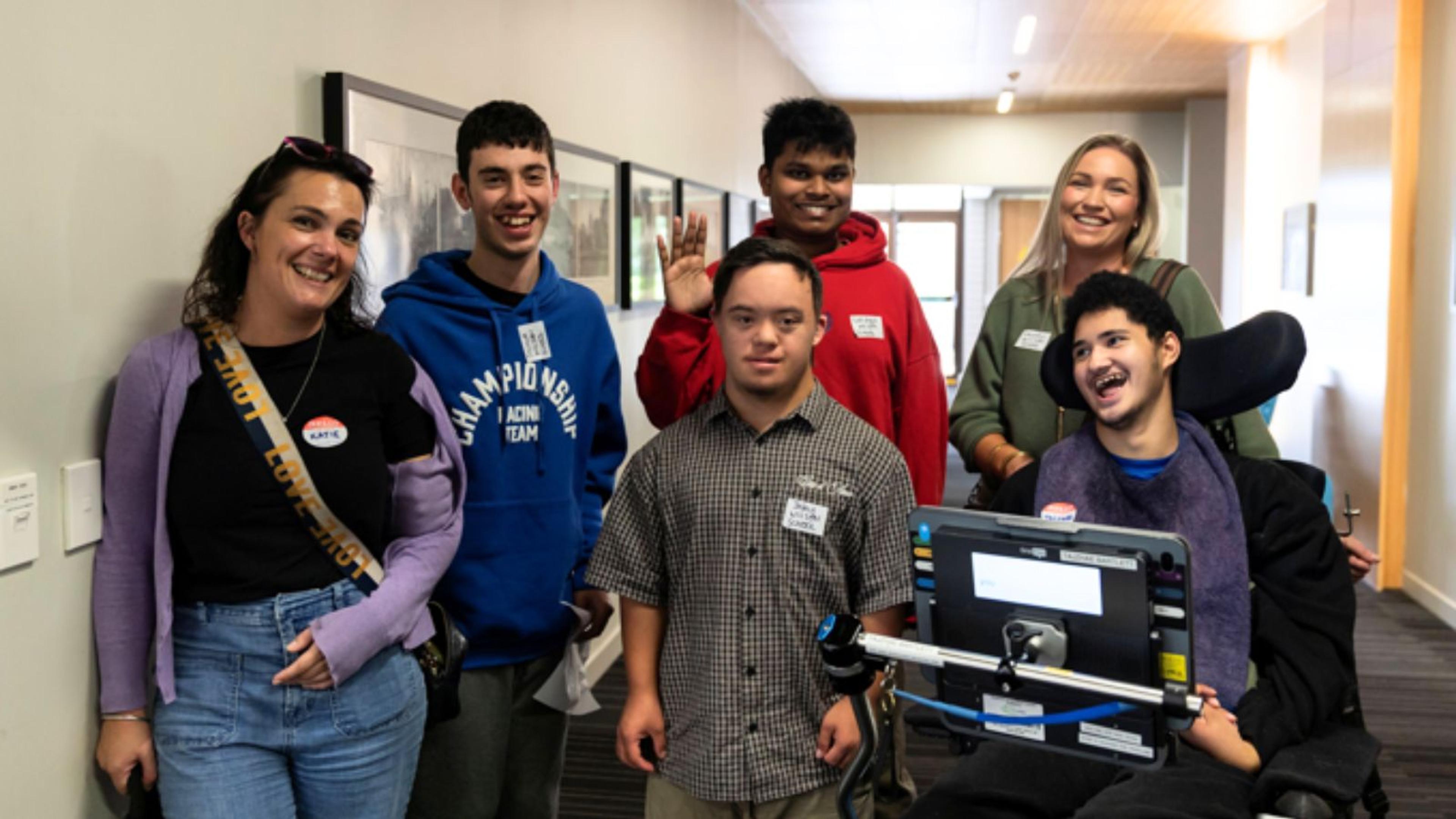
Six disability-led projects across Tāmaki Makaurau will share $200,000 to help communities prepare for a changing climate.
Photo/Auckland Council.
Six disability-led projects will receive $200,000 after Auckland Council gave disabled people power over climate adaptation funding.

Disabled Aucklanders have been given a central role in deciding how $200,000 in Auckland Council climate adaptation funding is allocated for the first time, with six disability-led projects selected in the grant process.
The pilot was developed following the 2023 Auckland Anniversary floods and Cyclone Gabrielle, after disabled communities identified shortcomings in emergency planning.
Rather than council staff deciding who received the funding, an independent panel of disabled people assessed the applications and recommended the successful projects.
Auckland Council accepted the panel's recommendations in full.
Paul Brown, Grant Advisory Panel member, said what made the pilot unique was that "disabled people led every step" - designing the process, shaping the criteria, supporting applicants, and ultimately determining which projects received funding.
Barney Koneferenisi, a Sāmoan Paralympian and entrepreneur, said the programme represented a significant shift in who gets to make decisions affecting disabled communities.
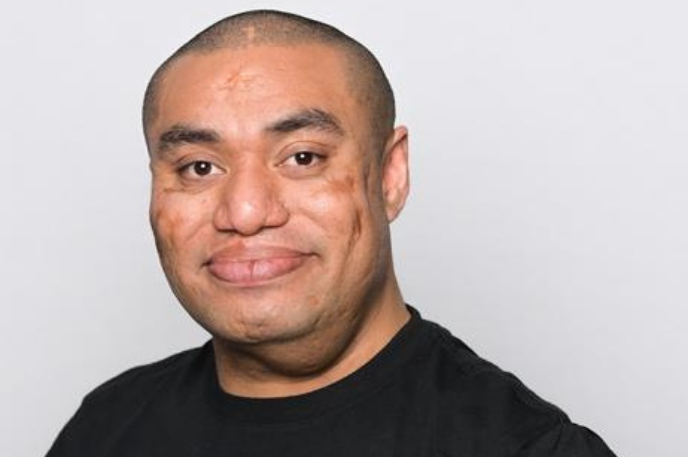
Barney Koneferenisi says disabled people should be involved in decisions about climate adaptation and emergency planning. Photo/Paralympics New Zealand.
"A lot of decisions have been made about disabled people, but not always with disabled people involved in the conversation.
"The people most affected by these challenges should have a seat at the table when solutions are being designed. Disabled people should not just be considered during emergencies; we should be involved in preparing for them."
Koneferenisi said the pilot recognises that disabled people are not just people who need to be supported during challenges, but are people who can help lead change.
"Disabled individuals are also leaders, innovators and problem solvers because we have spent our lives adapting to challenges and finding ways to overcome barriers."
The council said the pilot was directly influenced by feedback from disabled communities following the 2023 Auckland Anniversary floods and Cyclone Gabrielle, when disabled people identified barriers to evacuating safely, accessing emergency information and finding suitable accommodation after flooding.
Thirty-five expressions of interest were received before being narrowed to nine full proposals, with six projects chosen for funding.
The six projects include emergency preparedness projects, accessible climate information, Māori-led climate education, food resilience programmes and disability-led climate planning resources.
Auckland Council said the pilot was also informed by engagement with Māori and Pacific disability organisations, and that it was working with MANAVA for Climate Resilience to ensure Pacific cultural perspectives were reflected in the programme's tools, information and approaches to supporting community adaptation.
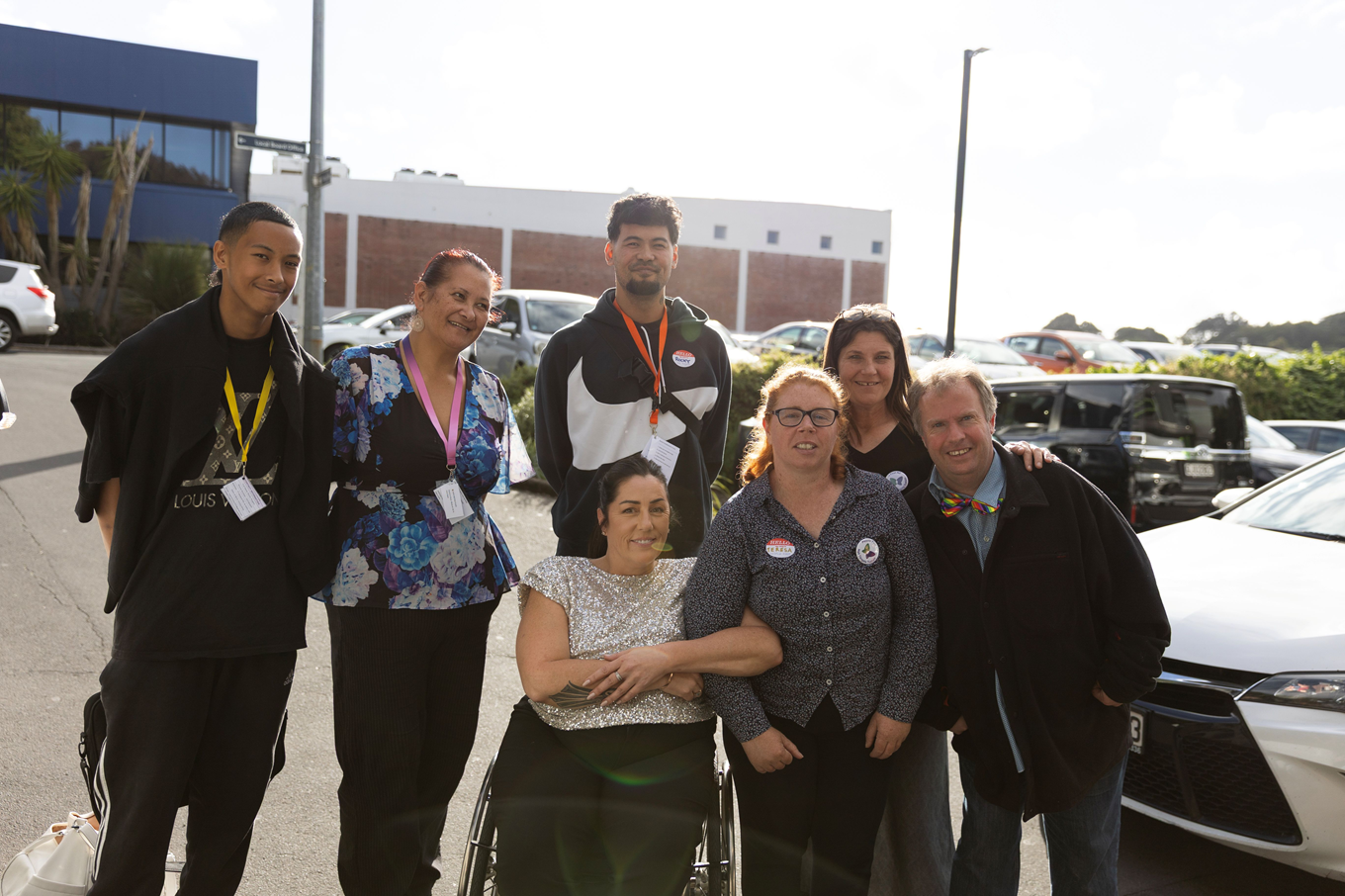
Participants in Auckland Council's Disability-Led Climate Adaptation Pilot. Photo/Auckland Council
As a wheelchair user, Koneferenisi said severe weather had directly affected his independence.
"There was an occasion during severe weather where I found myself unable to go out and get basic essentials. I had to rely on other people to collect things for me, and that was difficult because it felt like my independence was being taken away from me."
"My wheelchair is not just a piece of equipment; it is my independence. It allows me to work, access the community and live my life on my own terms.
He said his experience demonstrated why disabled people needed to help shape emergency planning before disasters occurred, rather than simply being consulted afterwards.
Koneferenisi said the shift was particularly significant for Pacific disabled communities, whose voices were often underrepresented in emergency planning.
"We understand the challenges our communities face, but those experiences can be missed if we are not included at the decision-making table."
He said organisations such as Vaka Tautua and Le Va should become genuine partners in future emergency planning because they already had trusted relationships within Pacific communities.
"We are people with knowledge, ideas and solutions. Our experiences can help create better systems, but only if we are invited and taken seriously."
The six projects will begin in August and run for up to two years.
Auckland Council said it would formally evaluate the pilot, including whether it strengthened relationships and capability within disability communities, to determine whether the disability-led decision-making model should inform future climate adaptation programmes.
LDR is local body journalism co-funded by RNZ and NZ On Air.