
Jaxon Evans: Bathurst’s final lap will decide it all
Elton Lonaratha JnrFri, 09 Oct
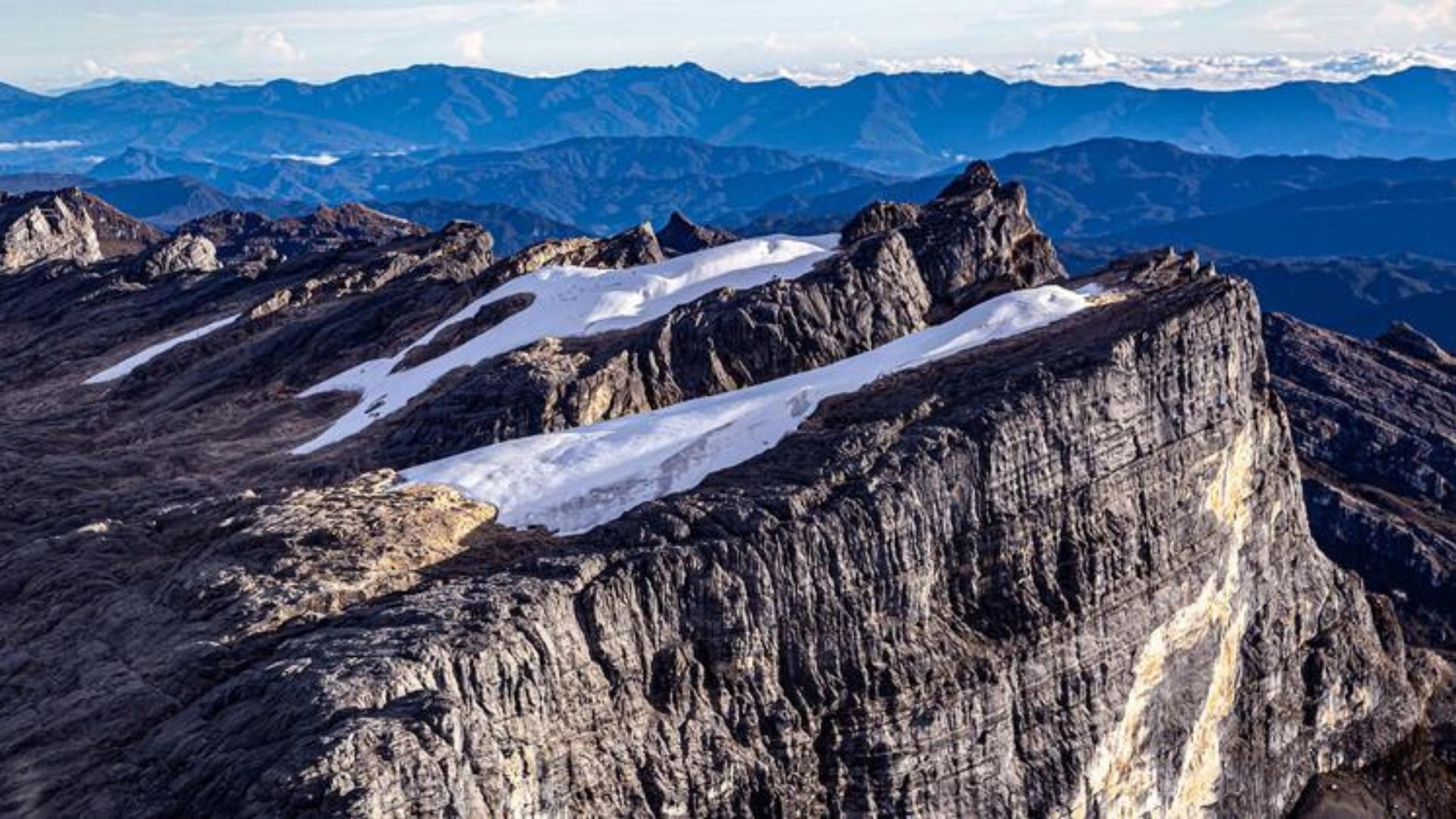
The shrinking equatorial glacier of Gunung Jaya Wijaya in Papua, Indonesia.
Photo/UN
A major UN climate report warns the Southwest Pacific faces worsening heat, rising seas and a strengthening El Niño, with Papua New Guinea and Fiji already responding to growing risks.




The Southwest Pacific is entering another challenging climate period as a new United Nations (UN) report warns of hotter oceans, rising seas, and a strengthening El Niño that could affect millions across the region.
The latest report from the World Meteorological Organization (WMO) says the region is already experiencing more frequent marine heatwaves, rising sea levels, and increasing ocean acidification.
The report also warns the last remaining tropical glacier in the Southwest Pacific could disappear by the end of this year or early 2027.
The glacier, in Indonesia, has shrunk to just two per cent of the size it was in 1988.
Celeste Saulo, the WMO Secretary-General, said the region's future was closely tied to the health of the ocean.
"For many countries and territories in the Southwest Pacific, the ocean is central to livelihoods, economies and resilience," her statement read.
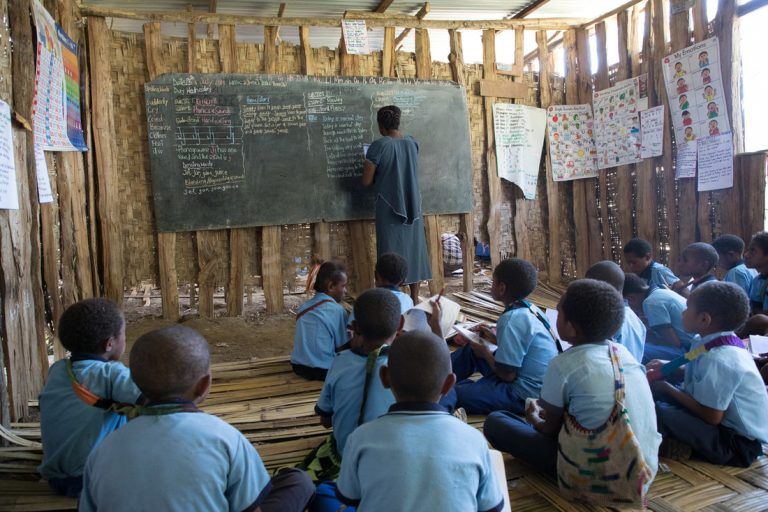
Students attend class in PNG as efforts grow to improve climate education and disaster preparedness in Pacific schools. Photo/care.org.au
The report also warns a potentially strong El Niño is developing, raising concerns about drought, food security and pressure on communities already dealing with climate extremes.
Those warnings are already shaping government planning across the Pacific.
In Papua New Guinea, the Education Department has established a taskforce to prepare schools for the expected drought, which forecasters say could peak between October and December.
The timing is a major concern because it overlaps with the country's national examination period when thousands of students will sit Grade 8, 10 and 12 exams.
Education Secretary Dr Uke Kombra said officials were developing plans to reduce disruption to teaching and learning.
"We have assigned the task force to come up with plans and strategies," Kombra told NBC News.
"The team will look at options to address the effects that we might have on teaching and learning."
In Fiji, schools are facing a different challenge. The Ministry of Education has introduced tighter spending controls as the country manages an ongoing fuel supply crisis.
New capital projects that have not yet been approved have been frozen while schools have been advised not to enter new financial commitments without clearance from the Ministry of Finance.
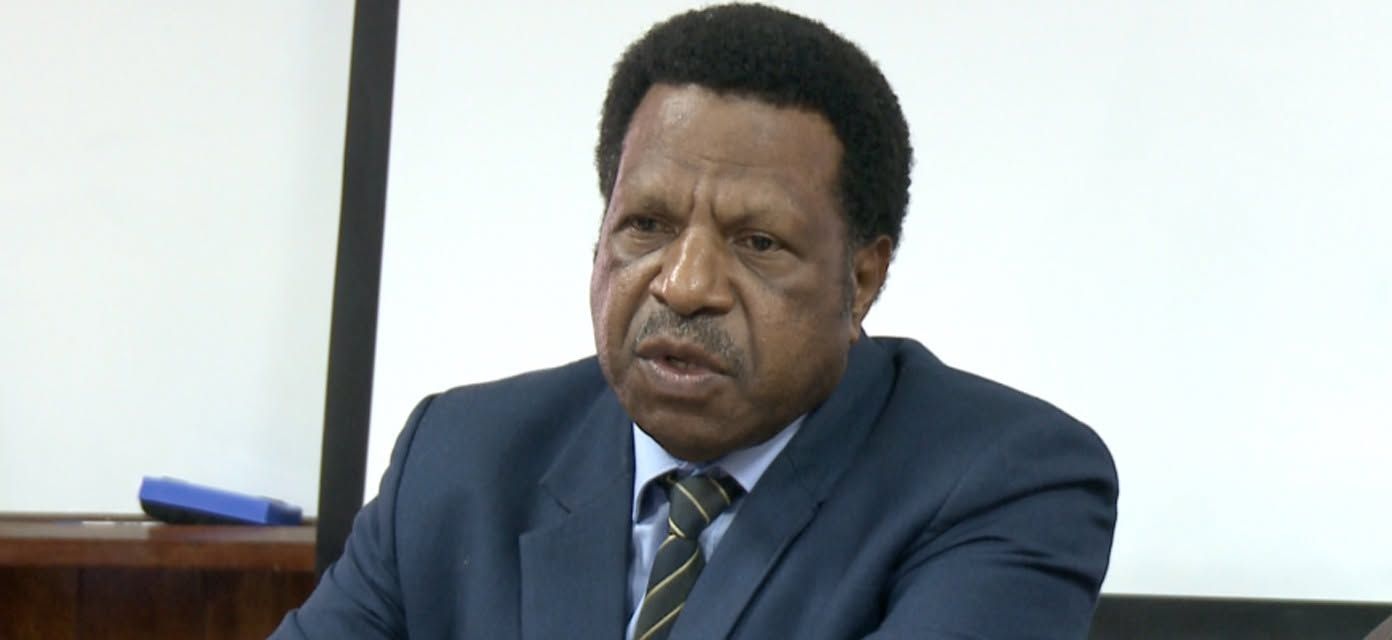
Papua New Guinea National Weather Service Director Dr Uke Kombra says closer regional cooperation is vital to improve early warning systems and build resilience across the Pacific. Photo/Facebook/NBC News
The measures are designed to reduce government spending while fuel supply issues continue.
The WMO says climate pressures are increasingly affecting food systems, fisheries, health, infrastructure and education across the Pacific.
The report found sea levels across the Southwest Pacific have continued to rise while record ocean temperatures around Papua New Guinea and parts of the western Pacific have placed extra stress on coral reefs and marine life.
As Pacific countries prepare for another difficult climate season, the report says early warning systems and early action will be critical to protecting communities.