
LEAO claims Silver Scroll with first pure Gagana Sāmoa winner
Brooke FonotiWed, 21 Oct
Auckland Council is facing an $18 million gap in its forecast fuel costs as it works to meet its savings target and limit future rate rises.
Photo/Auckland Council
Rising fuel, inflation and interest costs are adding pressure as Auckland Council pursues $106m in savings and a projected 3.5 per cent rates increase.



Auckland Council faces an $18 million budget blowout for its expected fuel costs, putting pressure on its aim to hit savings targets and rein in rate rises.
Chief executive Phil Wilson and group chief financial officer Ross Tucker discussed the ballooning costs at last week's Governing Body meeting.
The council budgeted for an extra $25m in fuel costs this financial year, but Tucker said the latest modelling put the additional cost at $43m.
“That’s sort of an $18 million gap to the budget, so it’s early days yet,” he said.
“We will keep a close eye on that, and that will be sort of forming part of our work on savings, but it might mean we’ve got to find more mitigations and work through those emerging pressures.”
Wilson said a procurement process for major facilities-maintenance contracts had also identified about $24m in anticipated inflationary pressure.
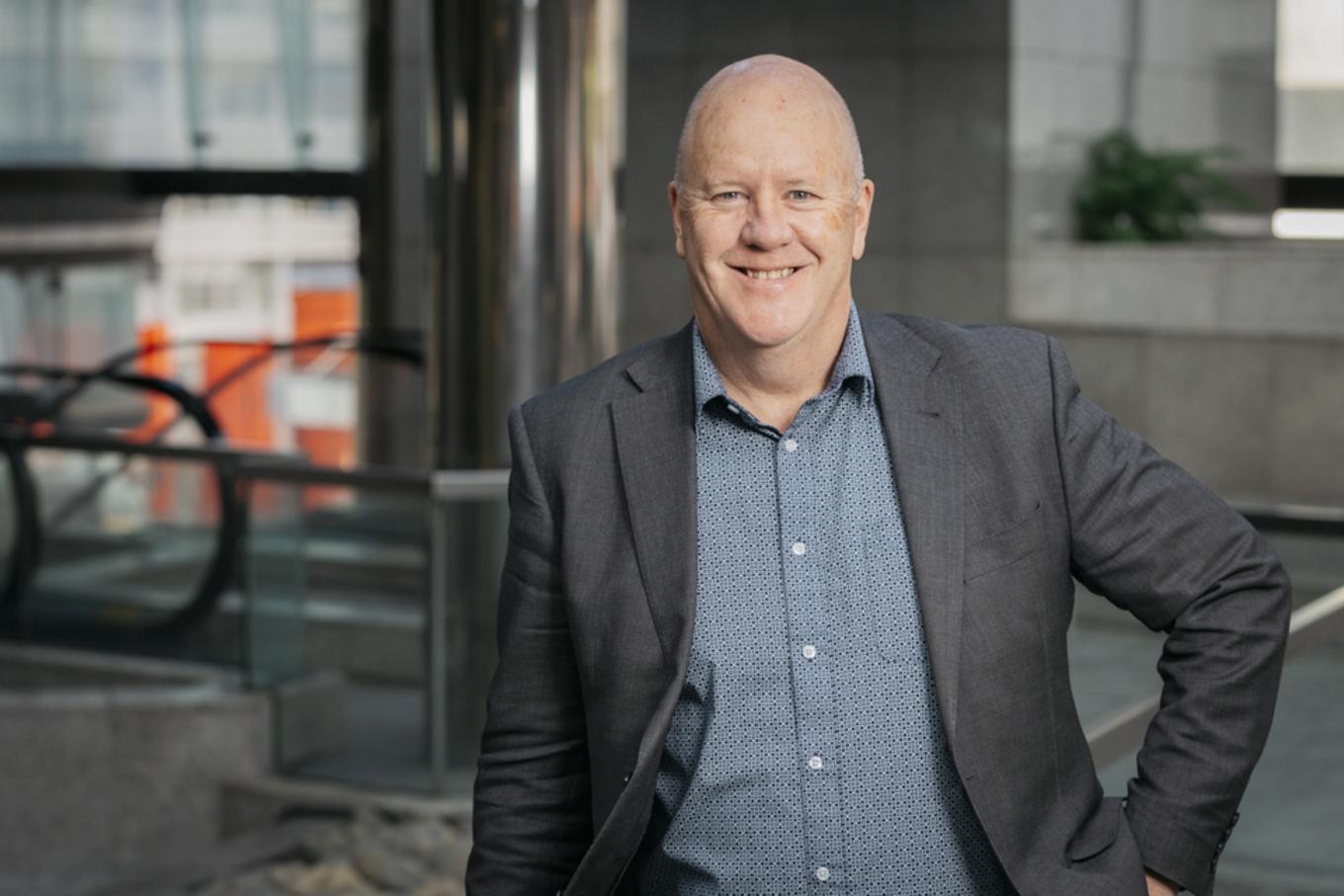
Auckland Council chief executive Phil Wilson says he remains confident the council will meet its $106 million savings target. Photo/Auckland Council
“We’re right at this point in the process of negotiating that as hard as we can to minimise inflation and those costs, or it creates even greater pressure on the organisation in terms of the financial target,” he said.
In a response to Local Democracy Reporting (LDR) after the meeting, Tucker said no additional savings were currently required for 2026/27.
“There are ongoing cost pressures from the likes of fuel and inflation that make the savings target a challenge,” he said.
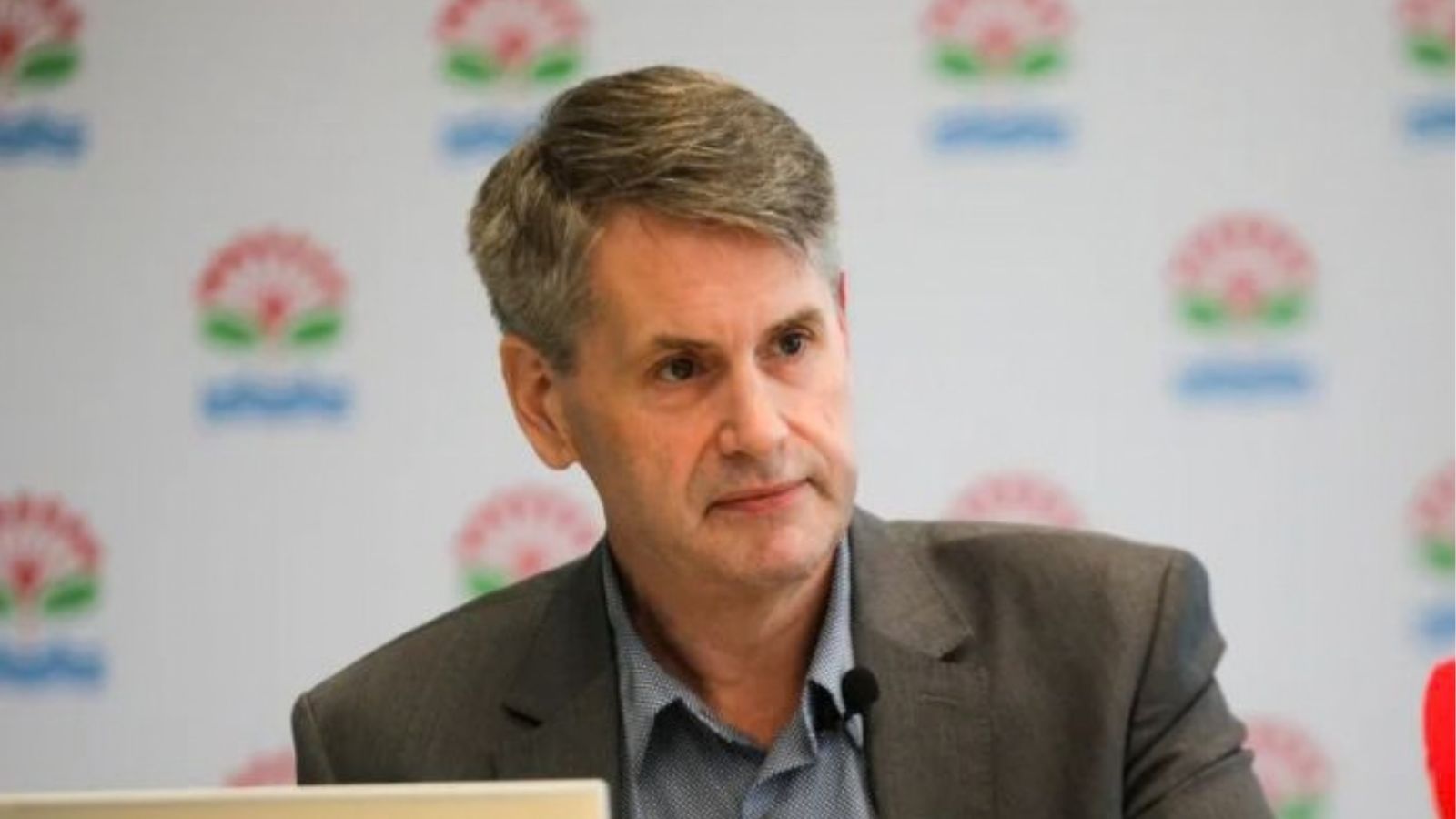
Auckland Council group chief financial officer Ross Tucker says the latest modelling indicates an additional $43 million in fuel costs. Photo/RNZ/Calvin Samuel
“If fuel prices remain high, there is potential that additional savings will be required in 2026/2027. At present this is not required, however we continue to monitor savings progress closely.”
Tucker told councillors some savings being considered were one-off measures, while the council needed more enduring reductions.
Wilson said the council was tracking well and he remained confident it would meet its $106m savings target. However, it needed to ensure as many of the savings as possible continued into future years.
Interest costs were also tracking higher than forecast in the council’s long-term plan.
Tucker said fuel costs, inflation and higher interest costs would make limiting the projected 2027/28 rates increase to 3.5 per cent more difficult.
“What are all the levers that we might have to look at? What are the hard choices to get that rates increase to three and a half?” he said.
“So, it will be a lot more than just $106 million savings. It’ll be how do we deal with all these other emerging cost pressures over and above that, all looking pretty tough.”
The council’s $106m savings target for 2026/27 is $20m higher than the previous year’s target.
Tucker later told LDR the planned savings were expected to have minimal effects on public-facing services and no significant impact on community facilities, grants or local-board programmes.
However, there could be some effects on staffing levels and minor changes to council services, he said.
Details of how the allocated savings targets would be achieved will go to the Value for Money Committee on 10 September.
Any additional savings for 2027/28 would be considered through long-term plan discussions with elected members and public consultation.
The financial pressure comes as the Government progresses proposed legislation establishing a target range of 2 per cent to 4 per cent for council rates increases.
Council officers said the proposed cap would apply to general and targeted rates, except those related to water and stormwater.
LDR is local body journalism co-funded by RNZ and NZ On Air.