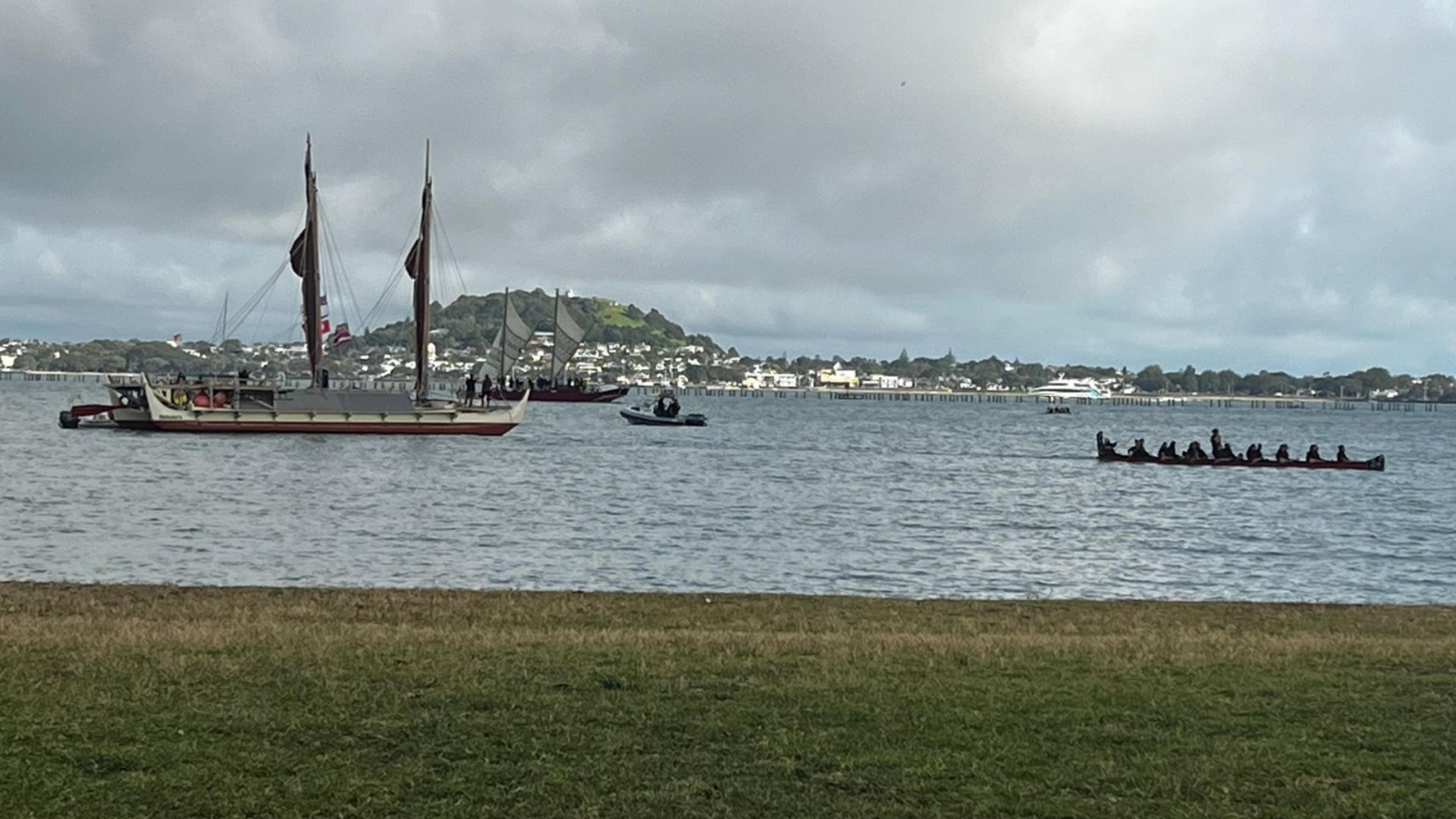
The voyaging canoes Hōkūleʻa and Hikianalia have changed course as climate forecasts warn a developing El Niño could bring challenging conditions across the Pacific.
Photo/PMN News
Environment
Pacific voyagers change course as looming El Niño threat reshapes ocean conditions
The crew behind one of the region's key traditional voyages have rewritten their sailing plans after scientists warned there is a 90 per cent chance of El Niño conditions developing in the coming months.

Christine Rovoi
Published
11 June 2026, 11:09am
Share
Copy Link

A major Pacific voyaging journey has been forced to change course as growing concerns over a looming El Niño event reshape weather patterns across the region.
The Polynesian Voyaging Society (PVS) says its famed double-hulled canoes Hōkūleʻa and Hikianalia will follow a new route after climate forecasts raised concerns about conditions on their original path through the Pacific.
The change affects the Moananuiākea Voyage, a four-year journey connecting Pacific communities and promoting ocean stewardship.
For the past six months, the crews have remained in Aotearoa New Zealand, waiting out the cyclone season and carrying out heavy-weather training.
They had planned to sail north towards Asia but shifting climate conditions have forced a rethink.
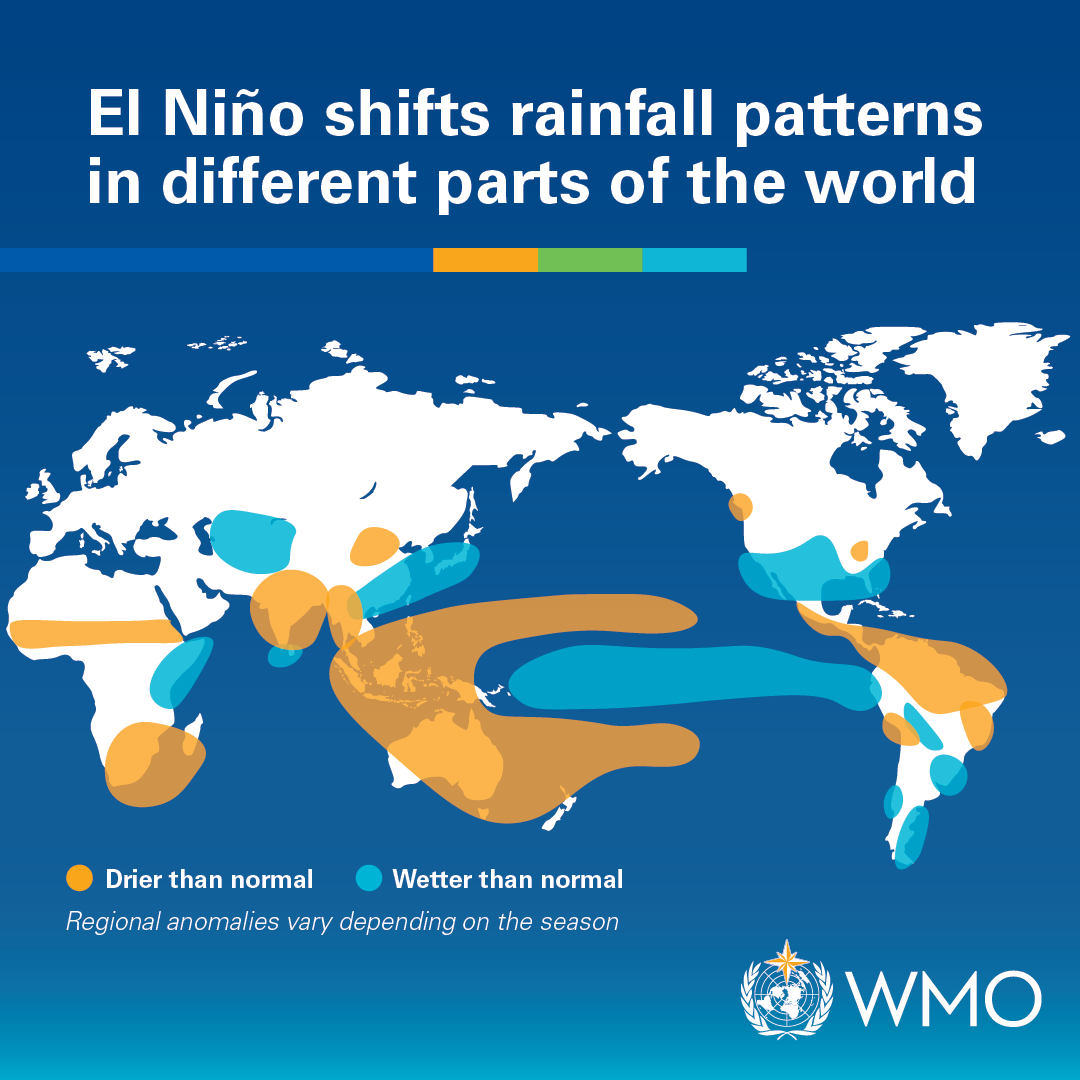
The decision comes after the World Meteorological Organization (WMO) and the United Nations warned there is a 90 per cent chance of El Niño conditions developing between now and August.
Photo/WMO
El Niño is a natural climate pattern caused by warmer-than-normal sea surface temperatures in the central and eastern Pacific Ocean, which can disrupt weather patterns across the region and around the world.
WMO Secretary-General Celeste Saulo said the event could "fuel more extreme weather and climate events" across many parts of the globe.
United Nations Secretary-General António Guterres has also warned that rising ocean temperatures combined with El Niño conditions are "a recipe for more extreme weather records" and greater risks for vulnerable communities.
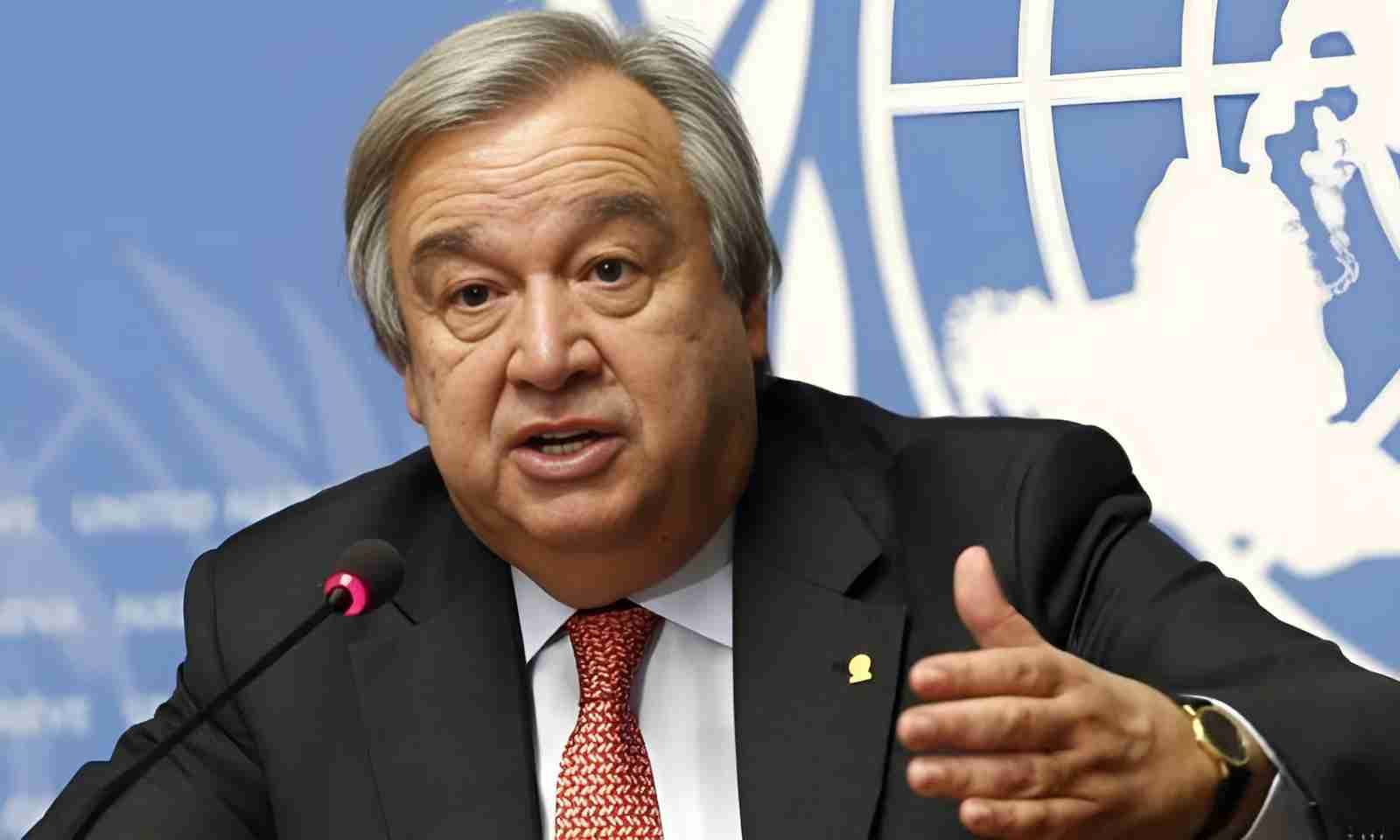
United Nations Secretary-General António Guterres has warned that rising ocean temperatures combined with El Niño conditions could lead to more extreme weather events around the world. Photo/UN/VOA News
Scientists say unusually warm ocean temperatures beneath the tropical Pacific could strengthen the climate pattern and bring widespread impacts across the region.
In his latest update, Nainoa Thompson, PVS chief executive and master navigator, said the voyage team had to respond to conditions unfolding around them.
"Our sail plans are based on our historical knowledge and understanding of the general weather patterns in the Pacific," Thompson said.
"This year is turning out to be anything but general or average or usual. It’s really quite different."
Under the revised plan, the canoes will leave Aotearoa in August and sail through Tonga, American Sāmoa, Sāmoa and Fiji.
They aim to reach Fiji by mid-October for a major international ocean conference ahead of the United Nations climate talks.
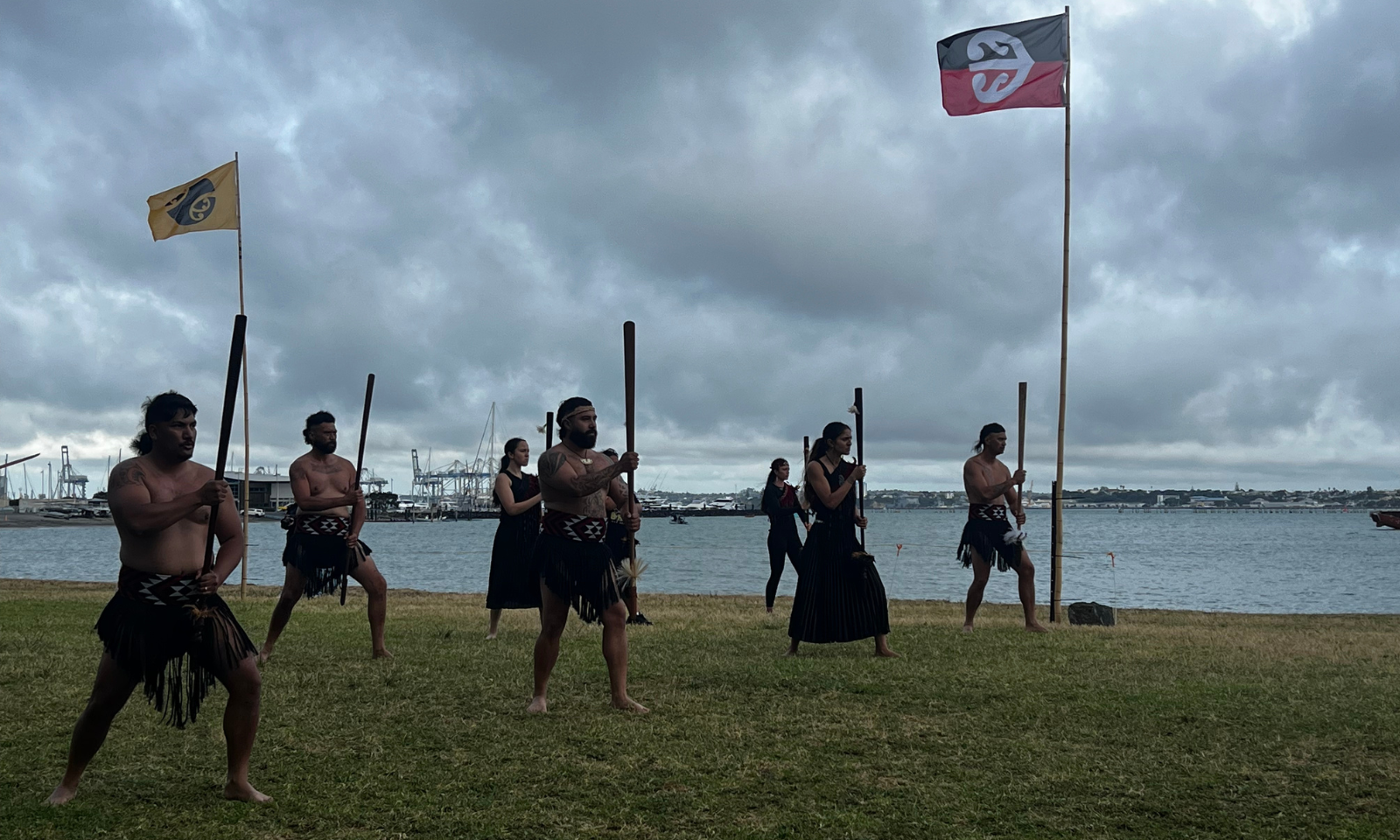
Ngāti Whātua Ōrākei welcome Hōkūle'a at Okahu Bay in November 2025. Photo/PMN News
Voyage leaders will then assess updated climate forecasts before deciding whether it is safe to continue north towards Japan or return to Aotearoa.
The caution reflects wider concerns across the Pacific. Climate experts warn El Niño could bring drought to parts of Melanesia and Polynesia while increasing rainfall in some low-lying atoll nations.
The Pacific Islands Climate Outlook Forum has also warned of impacts on fisheries as tuna stocks shift eastward across the equatorial Pacific, which could affect government revenue in several island countries.
Marine heatwaves linked to warmer ocean temperatures are also raising concerns about coral bleaching in parts of the region.
Thompson says adapting the voyage is part of a long Pacific tradition of reading and respecting the ocean.
"The world is changing. It’s getting hotter, and it’s changing us, and we’re going to have to adjust to that change. We’re going to have to adapt to that change," he said.
Despite the route change, he said the voyage remains on track.
"On the canoe, we choose to pay respect. We choose to be humble. We choose to pay attention and make our decisions not based on what we say we’re going to do, but what the Earth tells us to do."
"This is not a delay. It’s not a setback. To me, it’s a stepping stone of learning."
As Pacific communities prepare for the impacts of a changing climate, Thompson says the revised route offers an early sign of how even the region's most experienced navigators are being forced to adapt to an ocean that no longer behaves as it once did.
For more on the voyages, visit the Pacific Voyaging Society.