Fiji's army chief warns the gun must never overrule the ballot
Christine RovoiMon, 12 Oct
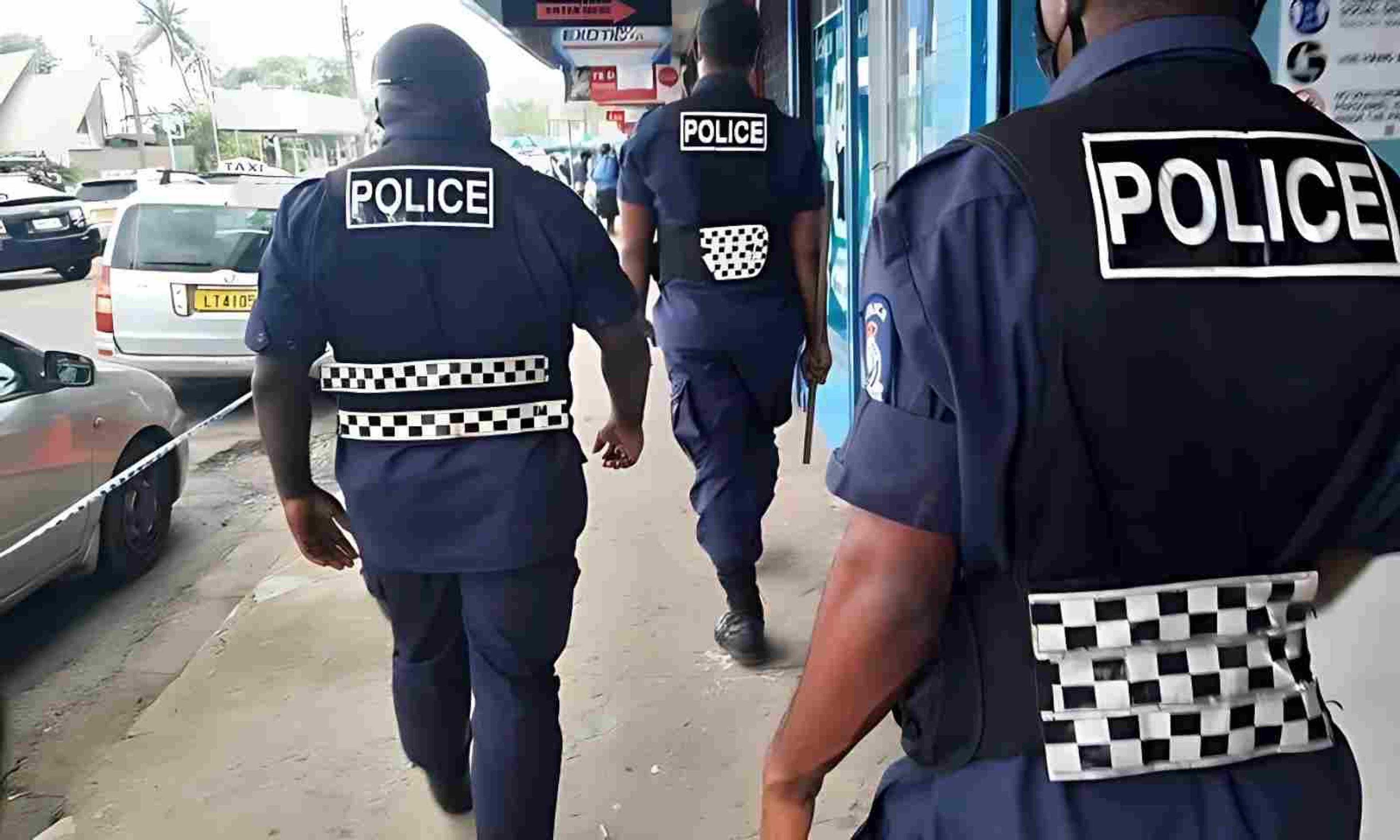
Fijian Police on patrol in the capital Suva as authorities continue to investigate alleged links between officers and drug-trafficking networks.
Photo/Fiji Police Force
A six-month investigation into alleged links between 11 Fijian police officers and drug traffickers has been sent to prosecutors.
A multinational police investigation implicating 11 Fijian police officers in collusion with drug traffickers has been handed over to prosecutors.
On 1 December last year, a social media activist posted more than 100 screenshots of Viber messages between the officers and a member of an Auckland-based organised crime group.
Police personnel depicted in the screenshots ranged from beat cops to Criminal Intelligence Division (CID) officers to the head of the Narcotics Bureau, Fisi Nasario.
The texts purportedly showed Nasario and others demanding a hit be put out on an individual, providing tip-offs about possible locations and movements. They also depicted officers demanding payments, with details of drop zones and pickup arrangements.
Police said that each officer's financial history was investigated.
Commissioner Rusiate Tudravu told local media on 19 December 2025 that Nasario had been placed on leave.
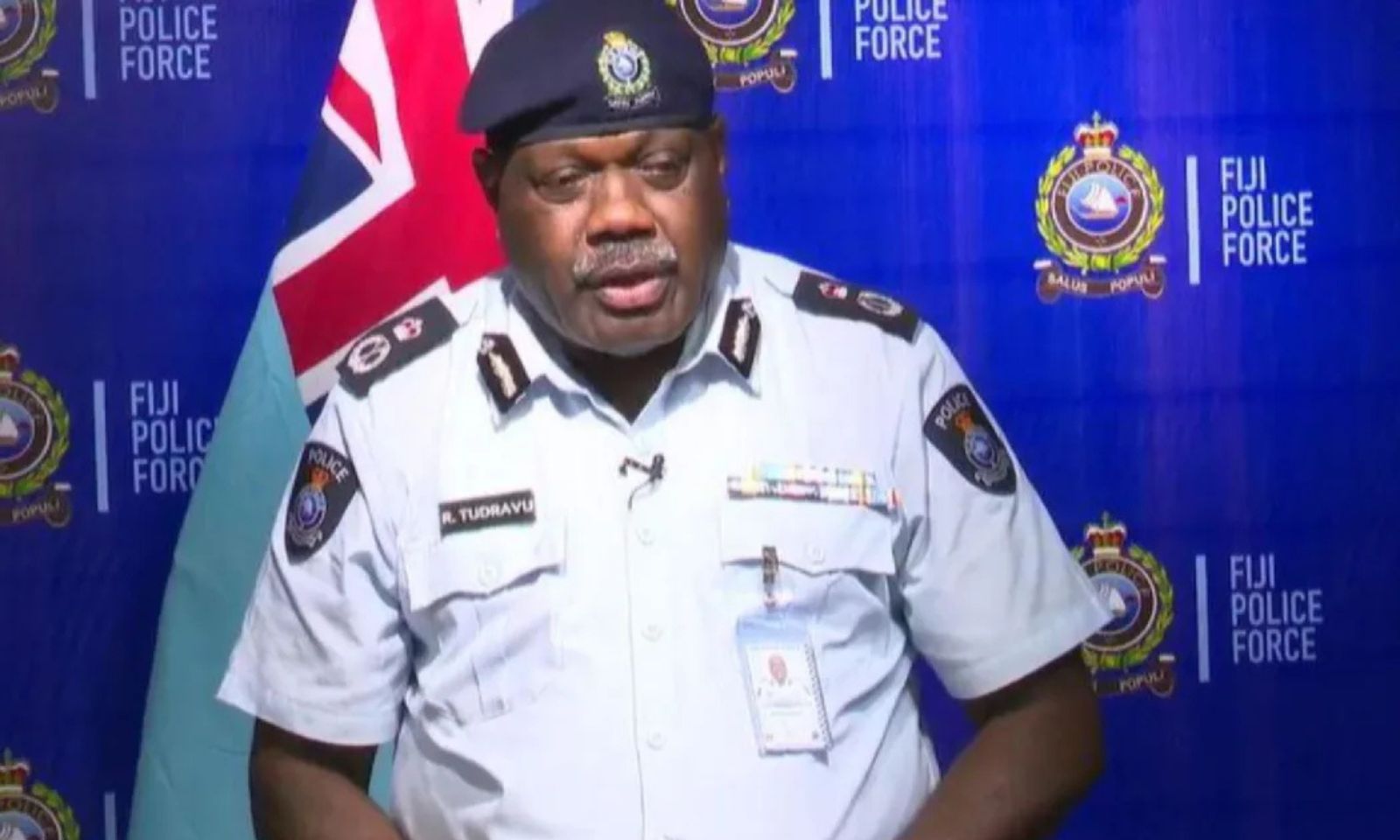
Fiji Police Commissioner Rusiate Tudravu says officers implicated in the investigation have been stood down as authorities await advice from the Director of Public Prosecutions on next steps. Photo/Fiji Police Force
A statement confirmed that Australian and New Zealand authorities "assisted" in the investigation. Tudravu confirmed in a press conference that United States authorities were also involved.
The New Zealand Police said they were "in touch" from December onwards.
"Fiji Police is leading the investigation, and New Zealand Police has offered any support that Fiji Police may require," they said.
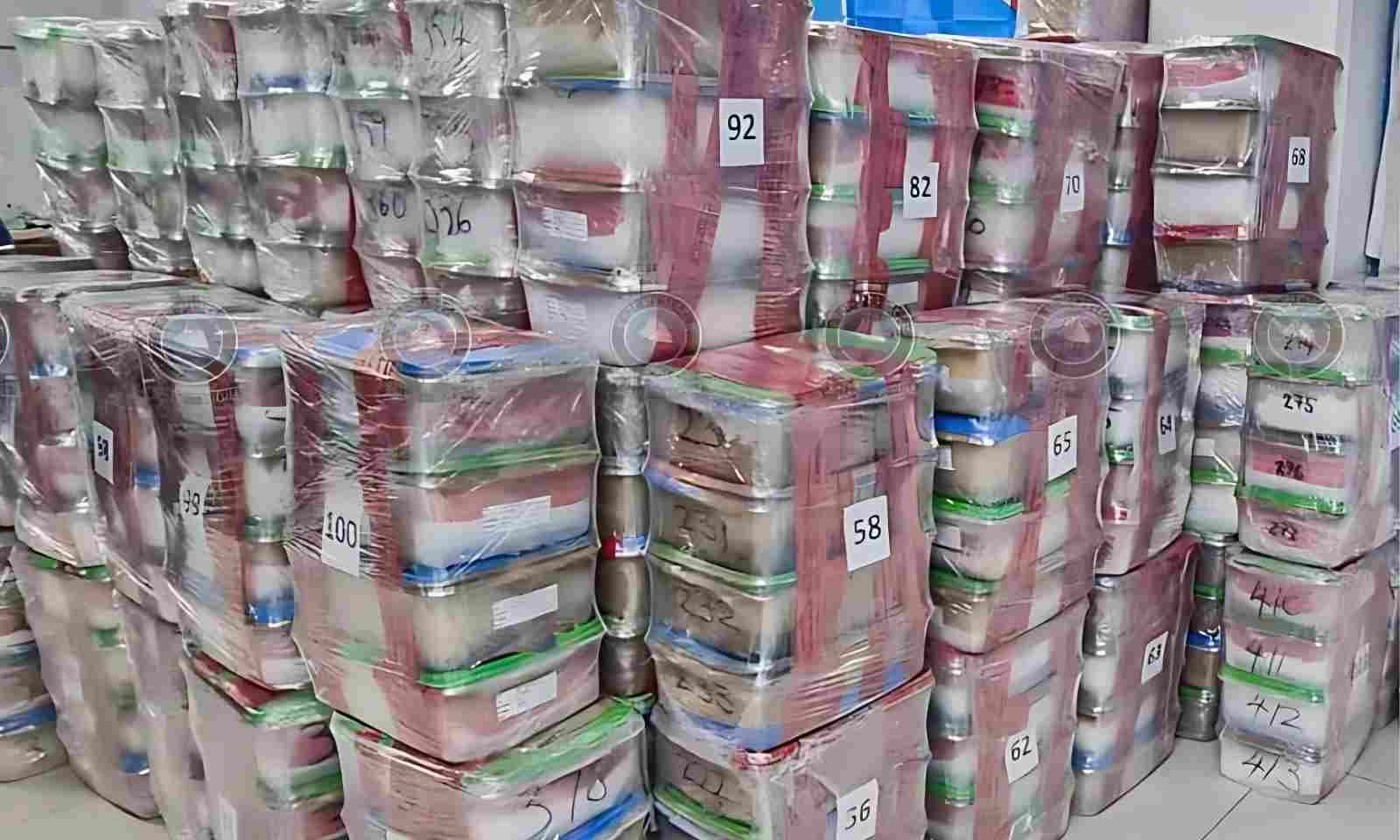
Just over four tonnes of methamphetamine was seized by Fiji police in January 2024. Nine people have been jailed over their involvement in the trafficking and possession of the drug. Photo/Fiji Police Force
On 2 December, Tudravu announced the investigation, with the officers' phones confiscated shortly after. Police confirmed the investigation concluded last week.
The US Embassy in Wellington, where an FBI office is set up, declined to comment.
Meanwhile, the Australian Federal Police (AFP) has given figures for drugs seized in the Pacific so far this year - more than three times the total amount seized in 2025.
A statement from Commissioner Krissy Barrett said 17 tonnes of illicit drugs, mostly cocaine, have been seized by local and international law enforcement in the Pacific since January.
It said the total seizure in the Pacific region last year was about 4.6 tonnes.
Barrett said most of the illicit drugs being trafficked to and through the Pacific are destined for Australia, so the AFP has a moral responsibility to act, and a direct responsibility to the Australian public to stop these drugs from reaching its shores.
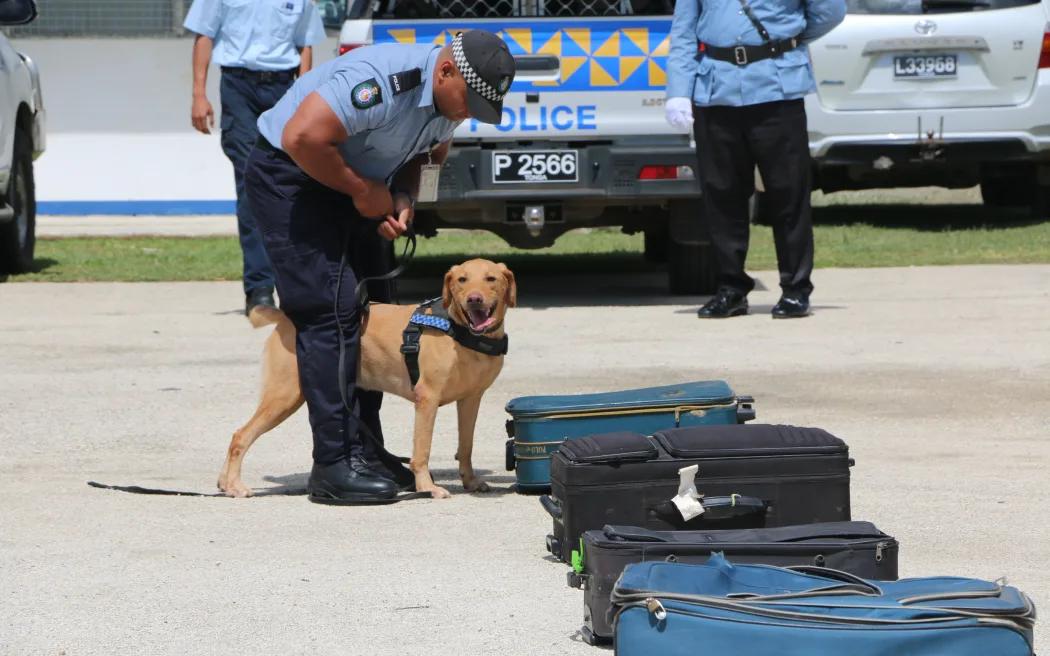
A Pacific Detector Dog team sniffs out illicit drugs as part of regional enforcement efforts in Tonga. Photo/RNZ/Giles Dexter
Barrett said Australia's Pacific family is seeking help for this growing problem.
"Pacific Island Chiefs of Police have watched from afar the impacts of illicit drugs on Australia and now they fear the diabolical reality facing their communities," the statement said.
"The illicit drug threat to the Pacific is exponentially increasing - corroding their health systems, their family structures, and their future - their next generation.
"The effect on such small populations is devastating. It is a complete undermining of their faith, family structure and their proud culture."
The Fiji Police Force and the AFP are co-hosting the Pacific Transnational Crime Summit this week, with the aim of strengthening regional cooperation on transnational crime.
The summit will bring together Pacific police ministers, senior Pacific operational law enforcement leaders and international partner agencies.
In March, New Zealand Prime Minister Christopher Luxon - during his Pacific mission to Samoa and Tonga - acknowledged that the region was wrestling with the problem, but they were all stepping up their efforts and sharing more intelligence.
"It's a Pacific problem, and it's a Pacific solution that's needed to be designed," he said.
New Zealand Police recently released wastewater testing figures that showed cocaine use has hit an all-time high.
The wastewater data was collected between October and December 2025, and testing sites cover up to 77 percent of Aotearoa's total population.
There's also been a new initiative announced in Samoa, aiming to strengthen the prevention of and response to drug abuse among children and adolescents in the country.
Japan has contributed US$900,000 to the four-year project, which will focus on strengthening awareness amongst children and families on risks associated with drug use, and improving counselling and recovery support.
Tonga Police Commissioner Geoff Turner said in February the illicit drug issue in the country is "not at the scale that some people think it is", Matangi Tonga Online reported.
Turner told the newspaper that the police were "dealing with the [drug] issue". However, a significant amount of drugs being transhipped across the region were not intended for the domestic market.
This story was first published on RNZ Pacific. It has been edited for clarity.