
LEAO claims Silver Scroll with first pure Gagana Sāmoa winner
Brooke FonotiWed, 21 Oct
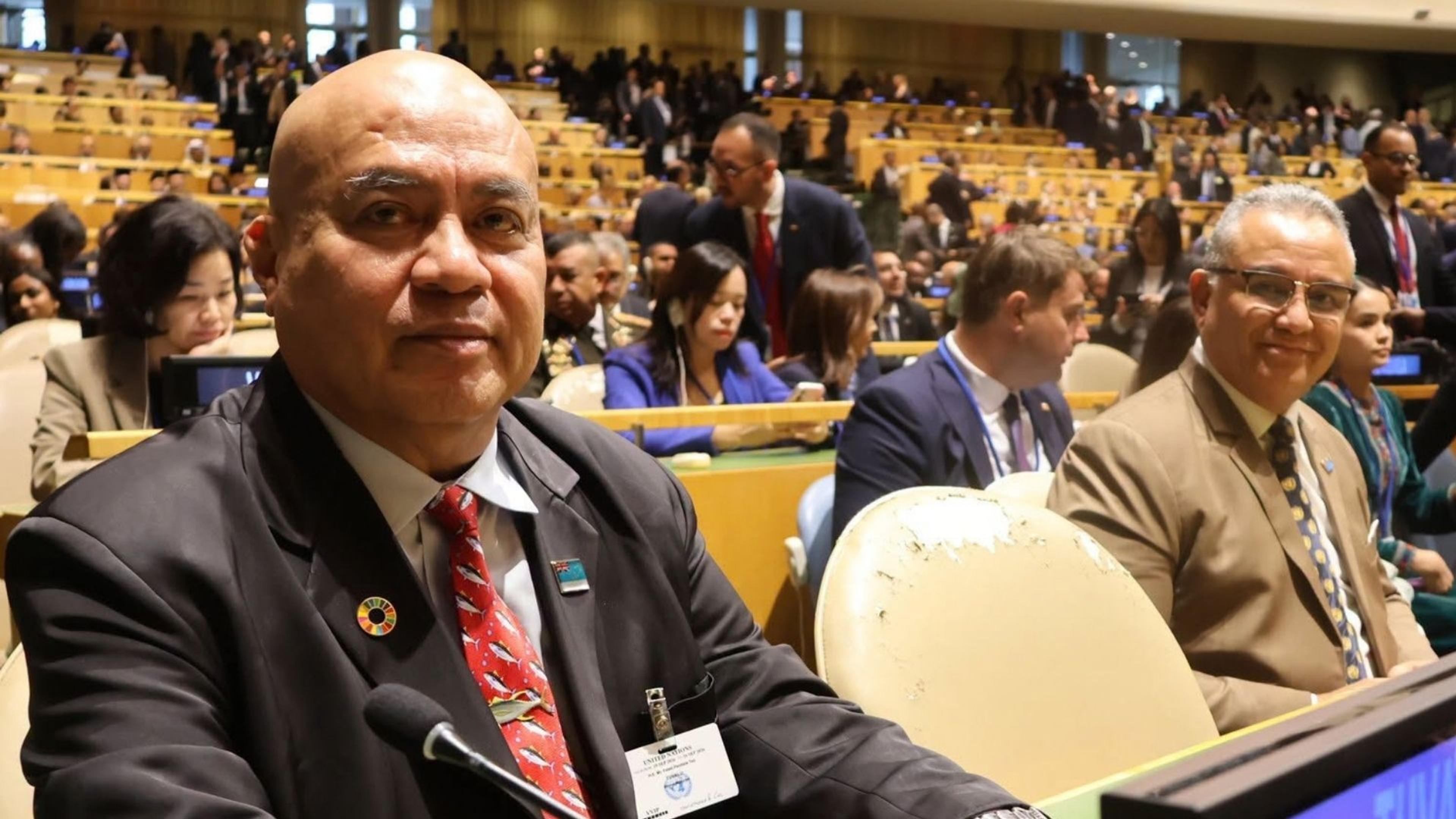
Tuvalu Prime Minister Feleti Teo, left, addressed the UN high-level meeting in New York on the existential threats posed by sea-level rise.
Photo/Facebook/Pacific Islands Forum
Scientists say a vast, little-studied ice basin could hold clues to how quickly sea levels could rise as the planet warms.



A vast and largely unexplored part of Antarctica is the focus of a new international push for research as scientists warn it could hold enough ice to raise global sea levels by three to four metres.
For Pacific countries already dealing with rising seas, the new research is raising fresh questions about what could happen to coastal communities if the ice begins to retreat.
The Wilkes Subglacial Basin in East Antarctica stretches about 1400km inland and 400km across. Much of the ice sits on bedrock below sea level and make it vulnerable to warmer ocean water reaching the ice from below.
A new review published in Nature Reviews Earth & Environment says major gaps in scientific observations mean researchers still cannot say with confidence how quickly the basin could change or what level of warming could trigger large-scale retreat.
The study is calling for an urgent international research effort involving icebreakers, drilling, ocean measurements, aircraft and satellite mapping.
Professor Matt King of the University of Tasmania says the basin is one of the last major unexplored parts of Antarctica.
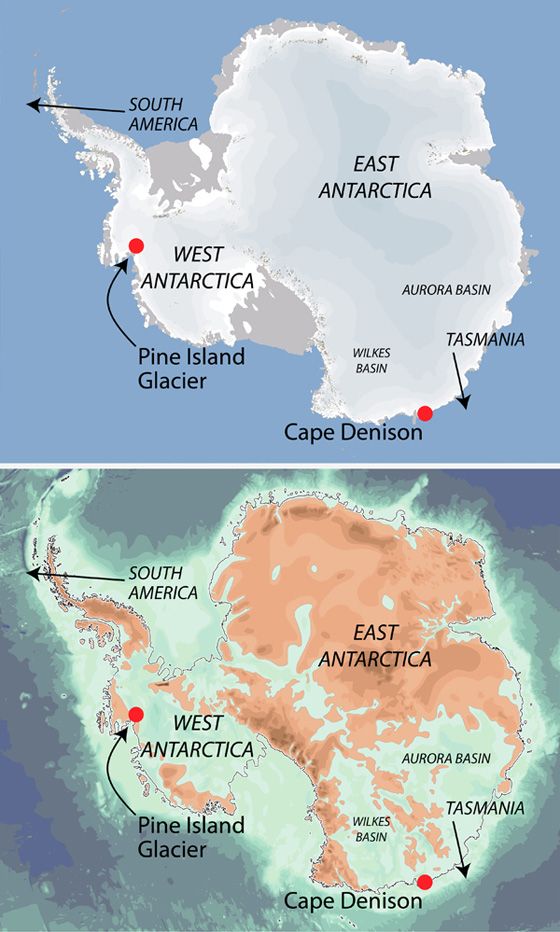
The Wilkes Subglacial Basin in East Antarctica contains enough ice to raise global mean sea levels by an estimated three to four metres, according to a new international scientific review. Photo/southwind.com.au
“The Wilkes Subglacial Basin is arguably the last unexplored place in Antarctica,” he said in the review.
No ship has been within 150km of the front of the Cook Glacier, one of the key glaciers in the region, which leaves scientists without direct mapping of the sea floor there.
The findings come as Pacific leaders continue to push for greater attention to the immediate impacts of rising seas.
Tuvalu Prime Minister Feleti Teo told the United Nations last week that sea-level rise is already affecting low-lying countries.
“For those of us living in low-lying islands, atolls, coastal communities and delta regions, sea level rise is not a future threat or mere speculation," he said. "It is our present reality.”
New Zealand Permanent Representative to the UN, Victoria Hallum, told the General Assembly this week that rising seas were already threatening Pacific communities, echoing concerns raised by Pacific Islands Forum leaders.
“Rising sea levels threaten the continued viability of many communities and pose a threat to low-lying island states, including some of our Pacific neighbours," Hallum said.
Associate Professor Awnesh Singh, a Pacific climate scientist at the University of the South Pacific, has also warned that even relatively small changes in sea level can have major consequences for island communities.
“Because many Pacific islands are low-lying and closely connected to the ocean, even relatively small changes in sea level and extreme events can have very significant consequences,” Singh told RNZ Pacific earlier this year.
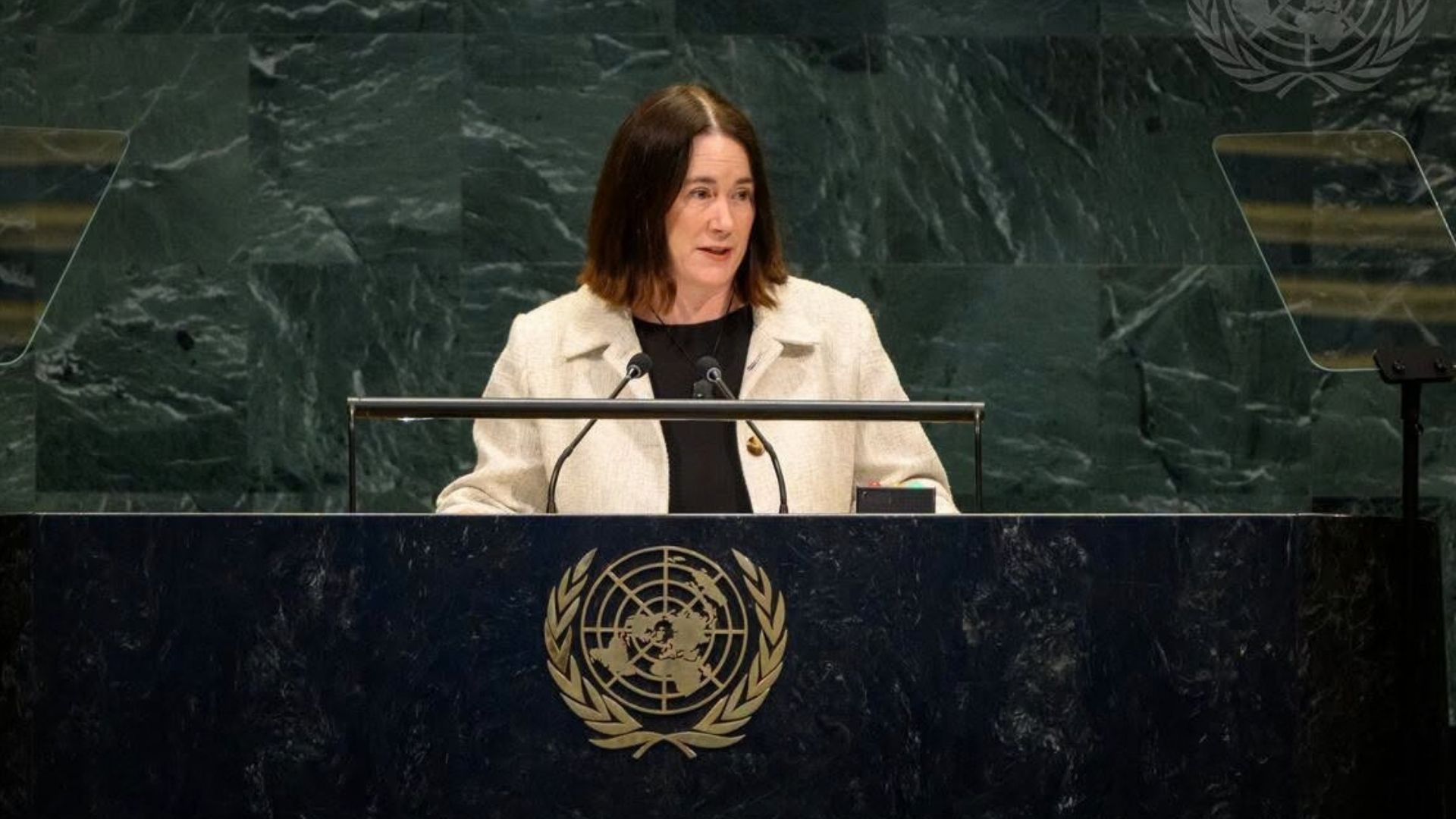
New Zealand Permanent Representative to the United Nations Victoria Hallum speaks at the UN in New York. Photo/Facebook/Pacific Islands Forum
Singh, from the USP's Centre for Sustainable Futures, has called for Pacific voices to be part of global decisions on climate science, adaptation and finance.
The new study does not predict that Pacific islands will face a four-metre rise in the near future. The figure refers to the amount of sea-level rise that could result if the basin's ice were eventually lost.
Scientists say the key unanswered question is how quickly the basin could respond to future warming.
The research team says Australia is well placed to help lead the work because much of the basin lies within the Australian Antarctic Territory. But the scale and cost of the mission would require international cooperation.
For Pacific countries, better information about Antarctica could help strengthen long-term planning for sea-level rise, coastal protection and climate adaptation.
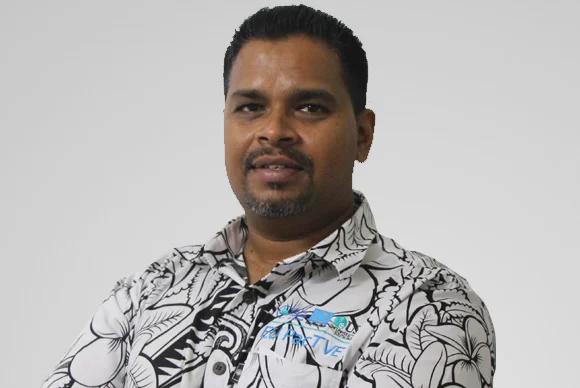
University of the South Pacific climate scientist Associate Professor Dr Awnesh Singh speaks at a UN forum on sea-level rise, water security and livelihoods in the Pacific. Photo/USP