Tonga community partnership wins global environmental award
Khalia StrongFri, 09 Oct
Fiji's government says children accounted for 100 per cent of rape victims recorded in the High Court in 2025.
Photo/UNICEF
Minister for Women, Children and Social Protection Sashi Kiran warns sexual violence is striking children in places where they should be safest.




Fiji's government says children accounted for 100 per cent of rape victims recorded in the country's High Court in 2025, a sharp increase from 93 per cent the previous year.
The figure was revealed by Minister for Women, Children and Social Protection Sashi Kiran, who says the trend is part of a wider child sexual abuse crisis requiring action across government, families, and communities.
Speaking during the Pacific Islands Health Research Symposium High-Level Dialogue, held at Fiji National University’s Nasinu Campus, Kiran said children accounted for 93 per cent of High Court rape victims in 2024 before rising to 100 per cent in 2025.
“Alarmingly, the trend worsened progressively, with minors accounting for 93 per cent of all High Court rape victims in 2024, rising to 100 per cent in 2025,” she said.
The latest High Court data sits within a much wider pattern of violence against children.
Fiji recorded 4793 reported cases of child sexual abuse between 2020 and 2025, compared with 2153 cases involving women.
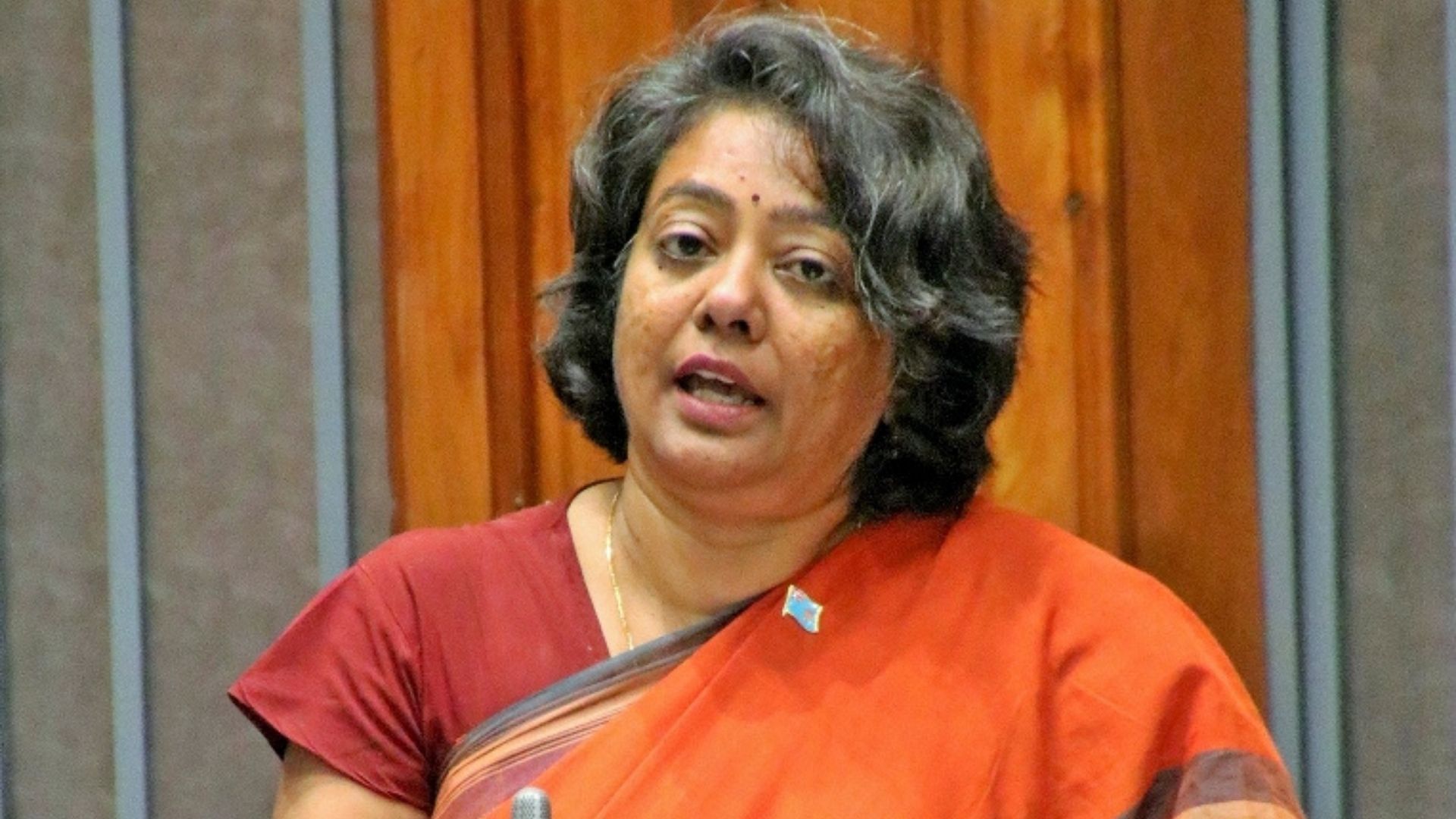
Fiji Minister for Women, Children and Social Protection Sashi Kiran has called for a whole-of-society response to violence against children. Photo/Fiji parliament
Kiran says the figures point to violence happening in places where children should be safest.
“They reveal that some of the gravest acts of sexual violence against children are happening within the very places that should be safest for them - their homes, their families, their villages and their close-knit communities.”
The crisis is not unique to Fiji. In Solomon Islands, a national Family Health and Safety Study found that 64 per cent of ever-partnered women aged 15-49 had experienced physical or sexual violence by an intimate partner.
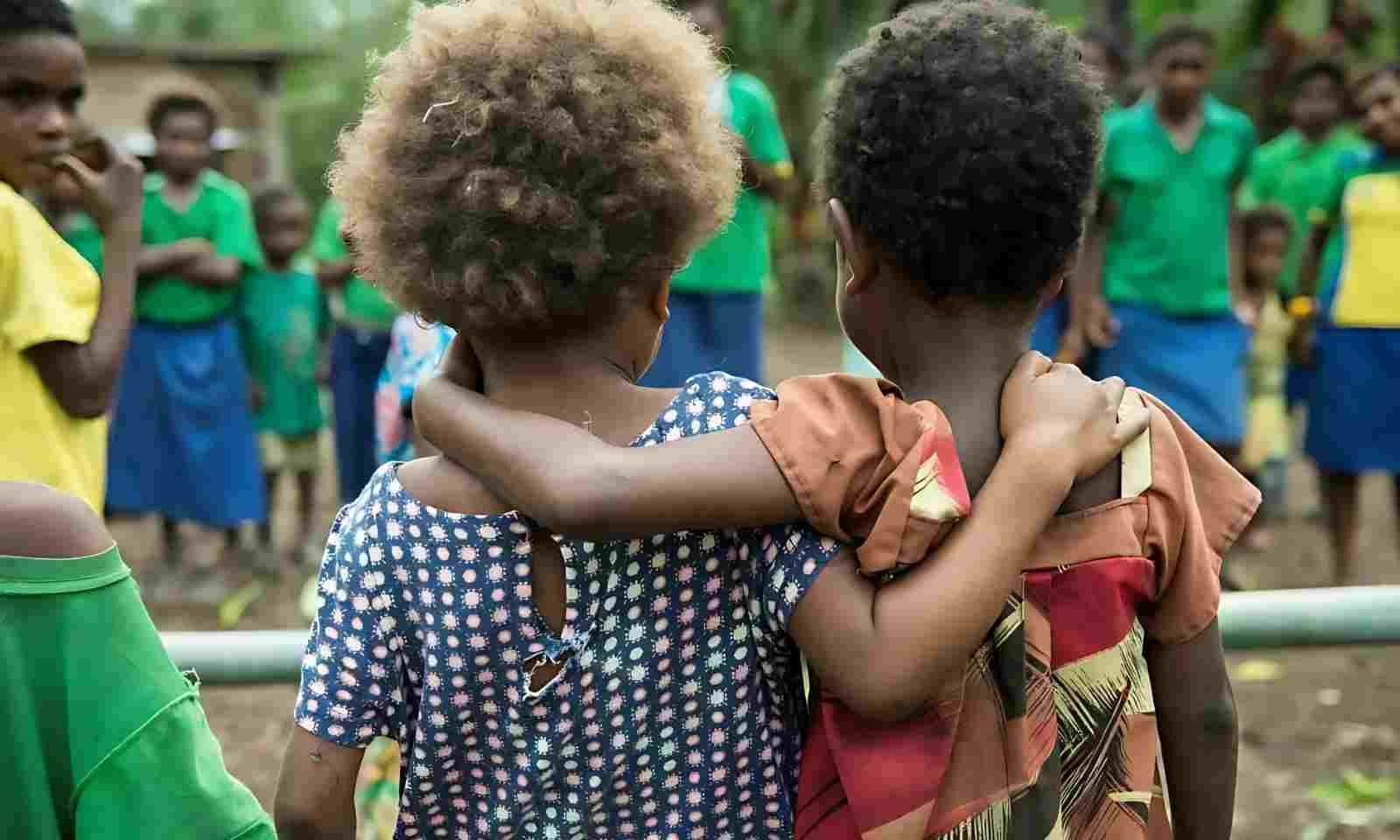
Children in Solomon Islands are among those affected by the wider regional challenge of violence against women and children. Photo/Save The Children
The study also found that 37 per cent of women had experienced sexual abuse before the age of 15 while 38 per cent of women who had ever had sex said their first sexual experience was coerced or forced.
In Tonga, national study found that 79 per cent of women had experienced physical or sexual violence in their lifetime. Violence was reported from both intimate partners and non-partners.
In Papua New Guinea, national health data found that 56 per cent of women aged 15-49 had experienced physical violence since age 15 while 28 per cent had experienced sexual violence.
Solomon Islands Ministry of Women, Youth, Children and Family Affairs supervising director Vaela Ngai said better coordination between services is critical to ensuring survivors receive support.
“By better coordinating referrals for survivors, and more clearly linking and connecting frontline services, we significantly increase the likelihood of women and girl survivors getting the quality help they need, when they need it," Ngai said in a statement.
The findings highlight the wider challenge facing Pacific communities, where violence against women and children remains deeply linked to family, gender and social norms.
Solomon Islands Ministry of Women, Youth, Children and Family Affairs supervising director Vaela Ngai says better coordination between frontline services is critical to supporting survivors. Photo/equalityinsights.org
Kiran has also called for men, traditional institutions, churches and communities to take a stronger role in preventing violence, saying: “Real strength is not demonstrated through power, intimidation or control, but through respect, responsibility and the courage to reject violence.”
Kiran says violence in the home is also exposing children to harm, even when they are not the direct victims.
The Gender Assessment report found 55 per cent of women, who had experienced intimate partner violence, said their children had witnessed the violence.
She also cited the United Nations children's agency (UNICEF) data showing most children experience harsh physical or psychological punishment at home.
Kiran says the impact goes beyond individual families, with repeated exposure to violence threatening to pass trauma from one generation to the next.
She warned that this could undermine families, the workforce and Fiji's wider national stability.
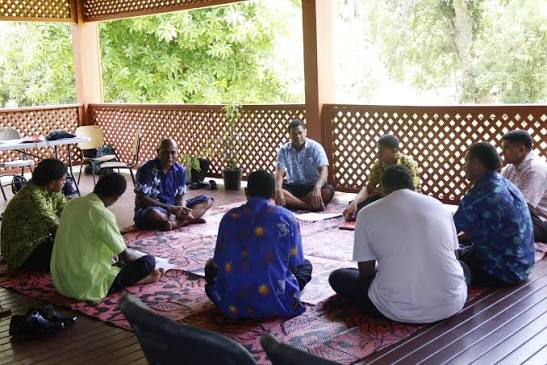
Fiji men, traditional leaders, churches and communities are urged to take a stronger role in preventing violence against women and children. Photo/Fiji Museum
“Ending it requires a whole-of-government and whole-of-society response,” she said.
The Government's National Action Plan 2023-2028 is a key part of its response, with a focus on preventing violence before it happens.
Kiran says the government is working with traditional, faith-based and community leaders to challenge harmful attitudes and promote safer relationships.
That includes working with the Great Council of Chiefs and placing gender equality officers in all 14 provincial offices through the Ministry of iTaukei Affairs.
Kiran says tackling the problem cannot sit with one ministry or agency alone.
She says it will require government, traditional leaders, churches, community organisations, families and communities to work together to prevent violence and protect children before abuse occurs.
Listen to then-NZ Children's Commissioner Dr Claire Achmad's full interview on Pacific Mornings in December 2025.