
Jaxon Evans: Bathurst’s final lap will decide it all
Elton Lonaratha JnrFri, 09 Oct
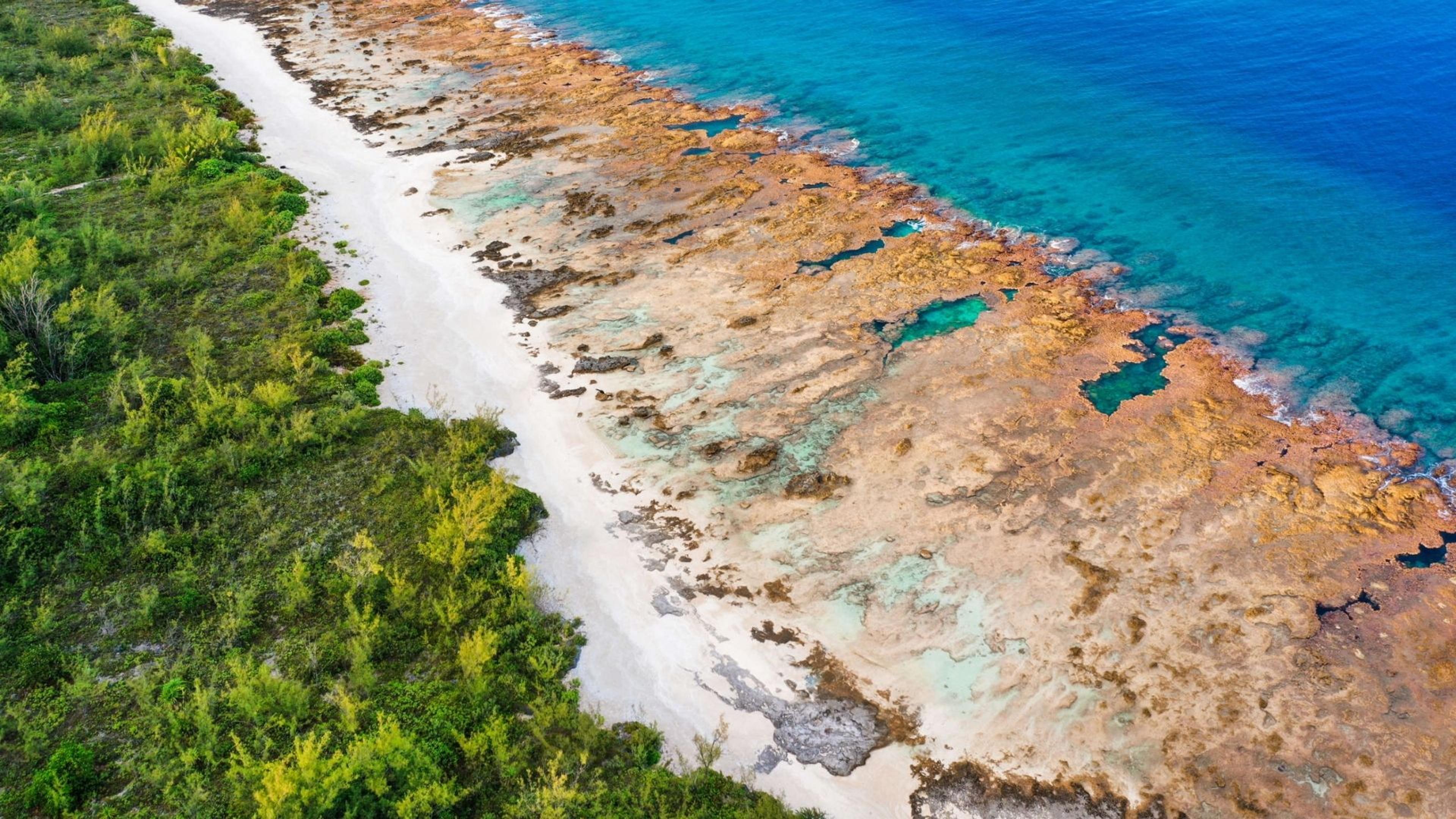
A local fisherman in Mitiaro discovered the suspected cocaine package tied with rope and caught on coral while out reef fishing.
Photo/Cook Islands Tourism/Tayla Beddoes
A Mitiaro fisherman has alerted police after finding 19 packages of suspected cocaine tied to coral, as authorities investigate where the drugs came from.

Cook Islands Police are investigating 19 packages of suspected cocaine, weighing approximately 26.49 kilograms, that washed ashore on the reef in Mitiaro.
While police declined to confirm the street value of the illicit find, standard New Zealand media estimates from similar busts suggest it could be worth between $9.2 million and $12 million.
According to images shared by police, the packages are labelled "888", reportedly a trademark of South American drug cartels.
Police media advisor Trevor Pitt said the packages were found washed ashore on July 28.
They were discovered by a Mitiaro fisherman, who immediately reported the matter to the police.
"The material was recovered and transported to Rarotonga for preliminary testing," Pitt said. "Initial testing has indicated the presence of cocaine, with the total weight of the packages, including packaging, approximately 26.49 kilograms," he said.
Mitiaro mayor Tati Tutaka told Cook Islands News that an "old papa" who had gone out reef fishing found the package, tied with rope, stuck on coral.
"He was scared, he came back and he told the policeman," Tutaka said. "Another two boys went out to pick it up with the policeman."
The mayor said that when it was picked up, there was a light attached to the package like a beacon.
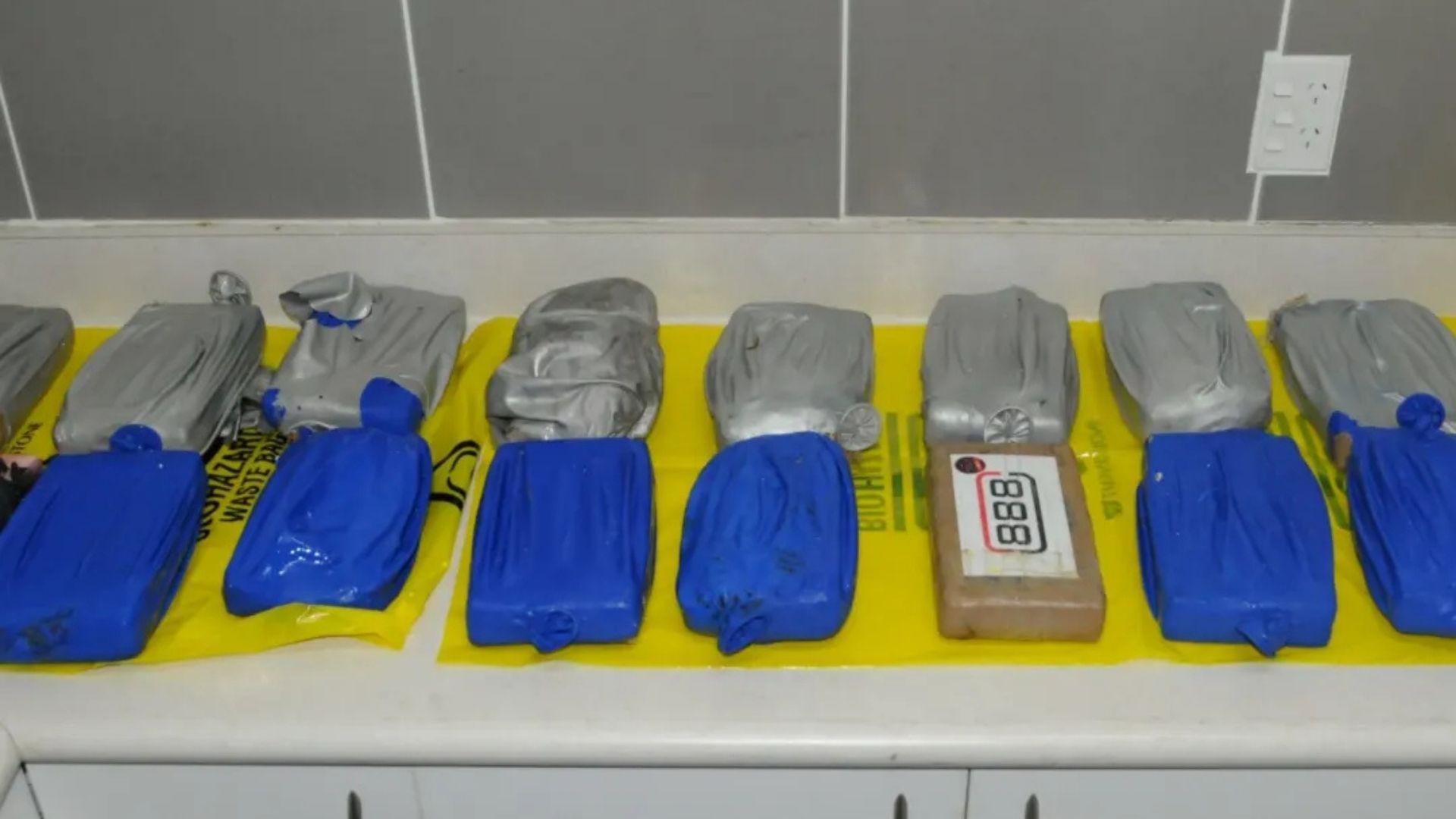
Nineteen packages of suspected cocaine weighing about 26.49 kilograms were found washed ashore on the reef at Mitiaro in the Cook Islands. Photo/Cook Islands Police
"When they went there, they said there was a light, like a beacon light on that package. But the package was covered with the ropes."
Tutaka said this was the first time they encountered such a package. "For us, when we heard this, maybe it came on a boat or something, someone threw it in the sea and it floated around," he added.
Pitt said they are continuing enquiries into the origin of the packages and whether they may be connected to any other investigations.
"Customs have responded by further strengthening vessel monitoring and searches."
Police have thanked the fisherman and the Mitiaro community for their assistance and cooperation.
"The public may understandably be concerned by this discovery, but Police and Customs are working together responding appropriately," Pitt said. "The community's cooperation is vital, and anyone who finds suspicious packages should not touch them and should contact Police immediately."
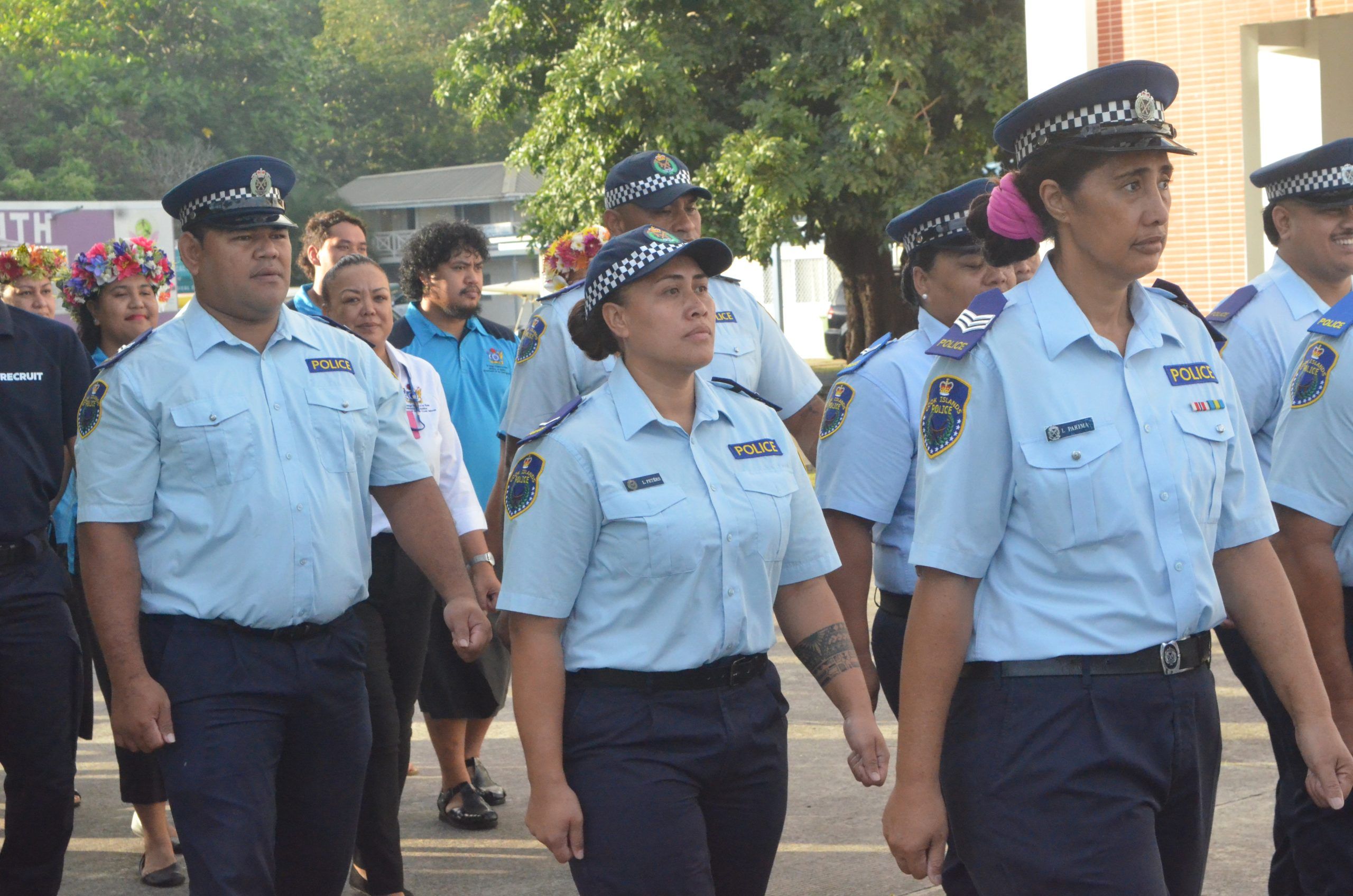
Cook Islands Police are investigating the discovery of 19 packages of suspected cocaine on Mitiaro, with Customs strengthening vessel monitoring and searches. Photo/Cook Islands News
Multi-tonne hauls of cocaine and dozens of washed-up drug packages have been intercepted and discovered across the South Pacific throughout 2026.
In Fiji this week, two more parcels confirmed to be cocaine were discovered in Lau and Qamea, while another suspicious parcel was found in Koro.
In June, the ABC reported that 27 similar one-kilogram bricks with "Tesla" markings had washed ashore in and around Fiji's Komo Island area over several weeks. Fiji Police revealed that another 35 bricks were found on nearby Munia Island that same month.
In July, RNZ reported that Fiji Police tested 76 parcels that were found in the outer islands, which tested positive for cocaine.
In January 2026, the French Navy intercepted the vessel MV Raider in the South Pacific, seizing and destroying nearly 4.8 tonnes of cocaine onboard. The vessel subsequently stopped at Avatiu Port in Rarotonga under a distress call for engine repairs, where local authorities cleared it.
However, after the vessel made its way to Sydney in March, the Australian Federal Police uncovered custom-built secret compartments. They alleged these hidden spaces held an additional tonne of cocaine, which was either dumped or transferred at sea off the Australian coast before the ship was brought into Sydney Harbour.
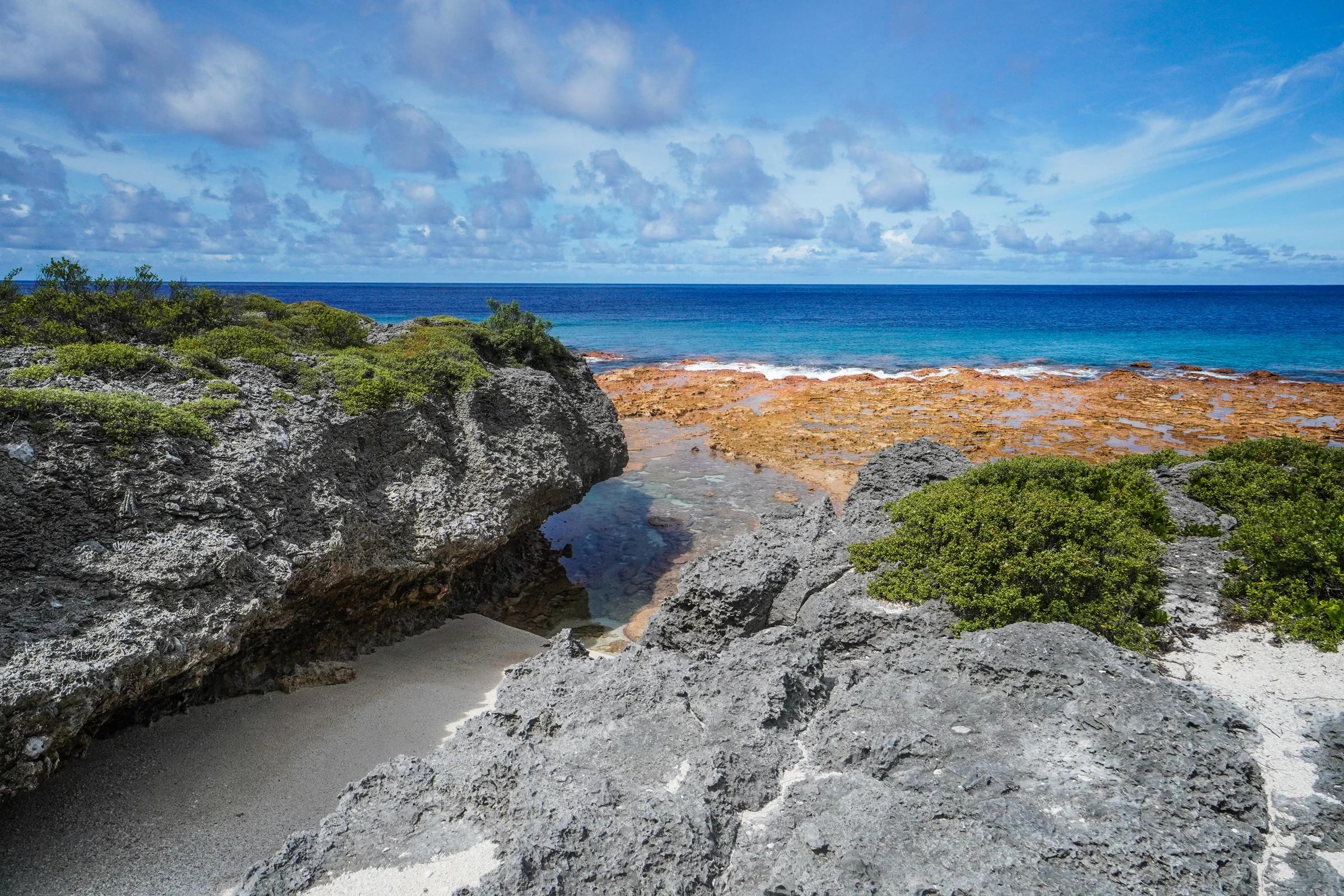
A local fisherman discovered the suspected cocaine package tied with rope and caught on coral while out reef fishing. Photo/cookislands.travel
In February, the French Navy - supported by a Falcon 50 aircraft and international intelligence from New Zealand and US agencies - seized 4.24 tonnes of cocaine from a suspicious vessel in the Pacific.
Cook Islands Police media advisor Pitt was asked if local police will consult with Pacific island neighbours to determine whether the drug packaging matches recent discoveries in their countries. He was also asked whether this could be the work of a transnational organised crime syndicate.
"Unfortunately, the nature of the ongoing investigation does not allow us to provide any further details," Pitt said.
"However, it's clear that the region is vulnerable to the sea trafficking of drugs, and that the cooperation between our agencies is vital, he said."
According to an ABC report in 2025, Australian and international agencies found that Mexican cartels were targeting illicit drug markets in Australia and New Zealand.
In March this year, RNZ reported that New Zealand Police Commissioner Richard Chambers told Checkpoint that networks were using Pacific countries to transit their product to markets in New Zealand and Australia.
In May this year, Prime Minister Mark Brown attended the inaugural Pacific Police Ministers Meeting in Fiji with the Police Commissioner Teokotai Joseph, advocating for Pacific-led solutions against transnational crime.
Brown spoke on the growing methamphetamine and drug threat in the Pacific and highlighted that government maintained that enforcement resources should target criminal networks and supply chains, not users, who are victims of such networks.
"We know that drug trafficking vessels transit the Pacific," he said at the meeting.
"We've seen the intelligence. But turning fragments of information into an interdiction, in the right place at the right time, consistently and safely, requires a level of coordination, information access and regional support that's never existed before."
This story was first published in the Cook Islands News.