
Kiwis suffer last-gasp heartbreak as the Kangaroos snatch World Cup opener
Christine RovoiFri, 16 Oct
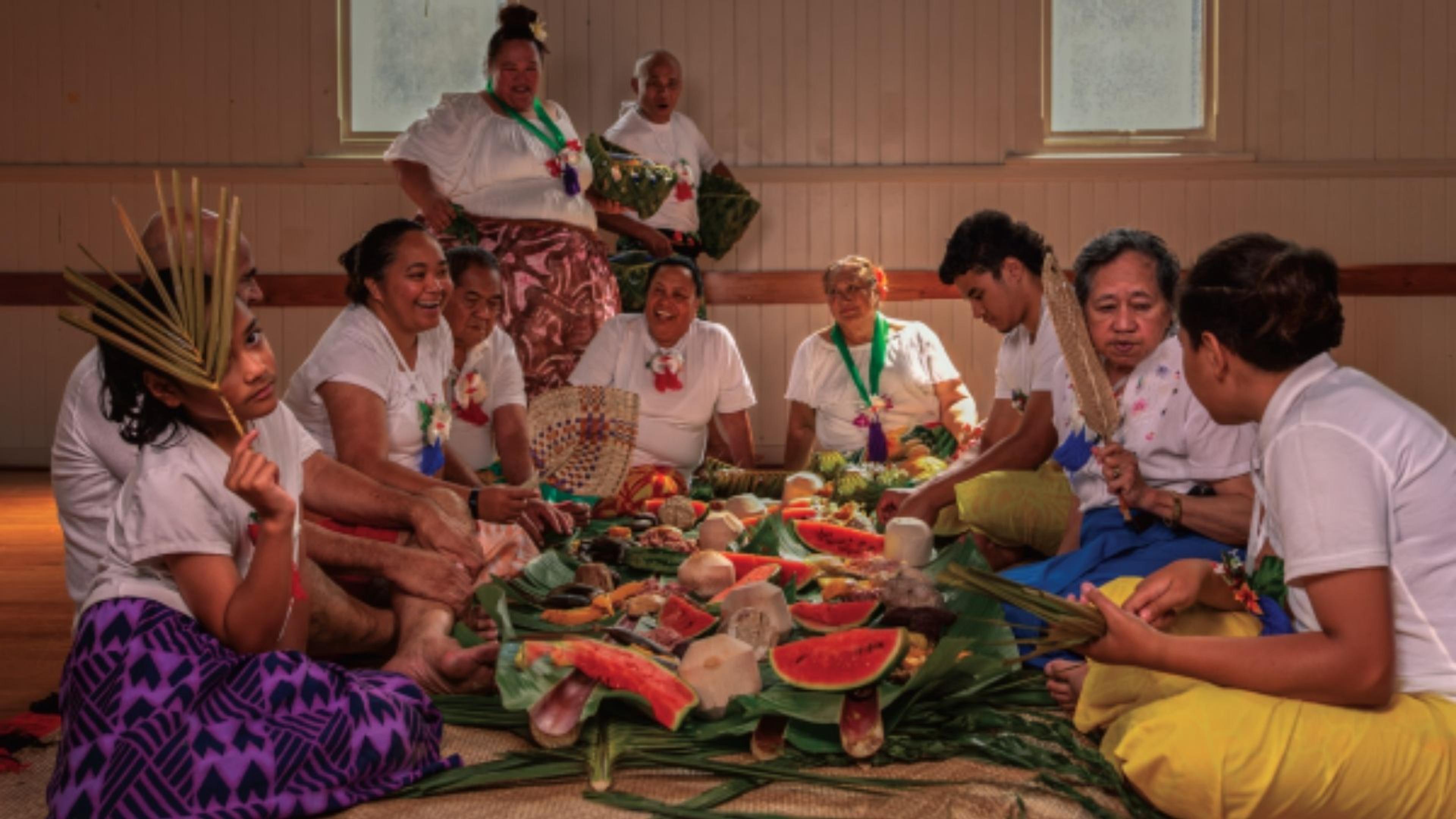
Rotuman Language Week 2026 is being marked across Aotearoa and the wider Pacific diaspora with events focused on language, culture and identity.
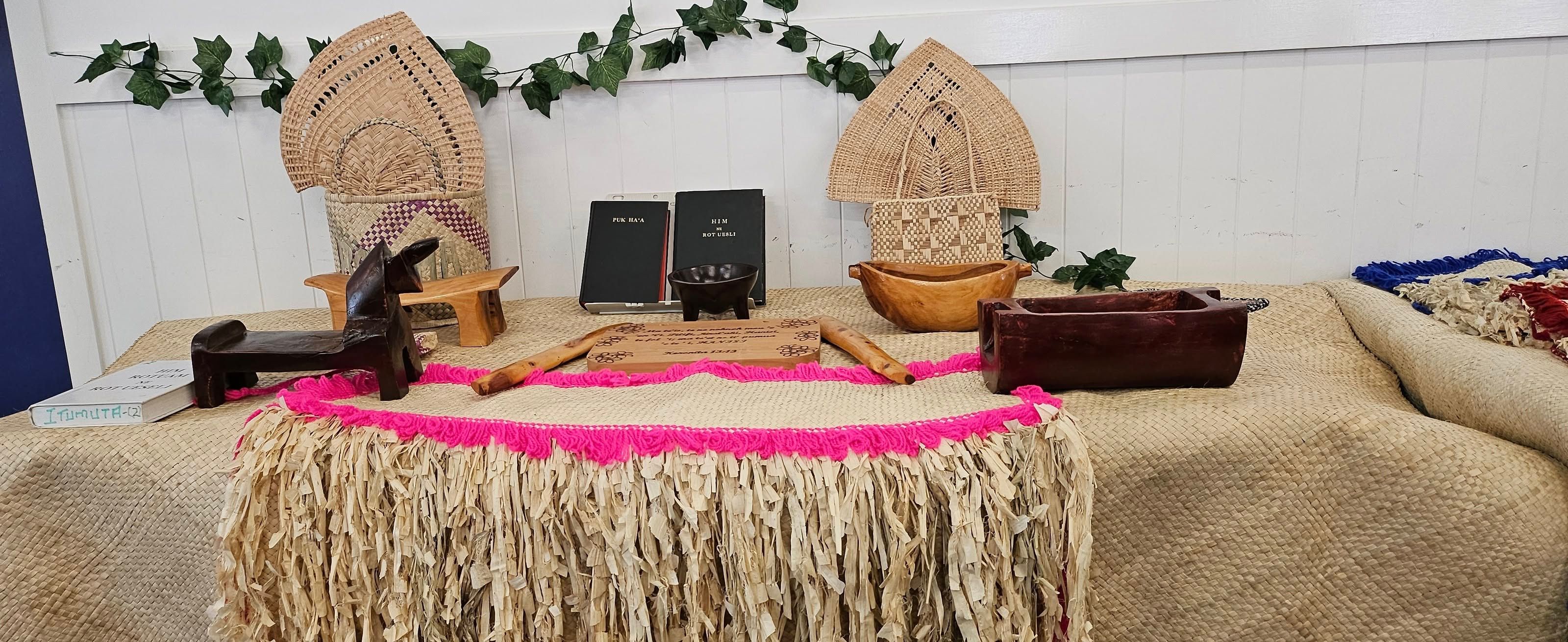
Photo/Ministry for Pacific Peoples
Rotuman Language Week opened in Aotearoa on Sunday with a community leader warning the language is at risk of being lost unless it is spoken, taught, and passed on to younger generations.

Gasav Ne Fäeag Rotuạm Ta, the Rotuman Language Week, opened in Auckland on Sunday with a strong message from community leaders: the Rotuman language is at risk unless it is actively spoken and passed on to the next generation.
The combined opening ceremony was held at Kingsland Trinity Methodist Church. It also marked Mother’s Day, creating a deeply emotional, family-focused atmosphere as elders were honoured with traditional tēfui garlands.
This year’s theme, “Ȧf'ȧk, putua, a'pumuạ'ȧk ma rak'ȧk 'os fäega ma 'os ag fak Rotuma, la se maoen 'e 'os tore”, calls on Rotumans to treasure, nurture and teach their language and culture so it continues through future generations.
Rotuma is a remote volcanic island covering around 43 square kilometres, located about 465 kilometres north of Fiji. It has been part of Fiji since 1881.
Although politically tied to Fiji, Rotuma has a distinct Polynesian culture, with its own language and a population of roughly 2000 people. There are about 10,000 Rotumans on Fiji's mainland and thousands more living across the world.
According to the 2023 Census, 1323 people in New Zealand identify as being of Rotuman descent but only about 31.5 per cent are multilingual.
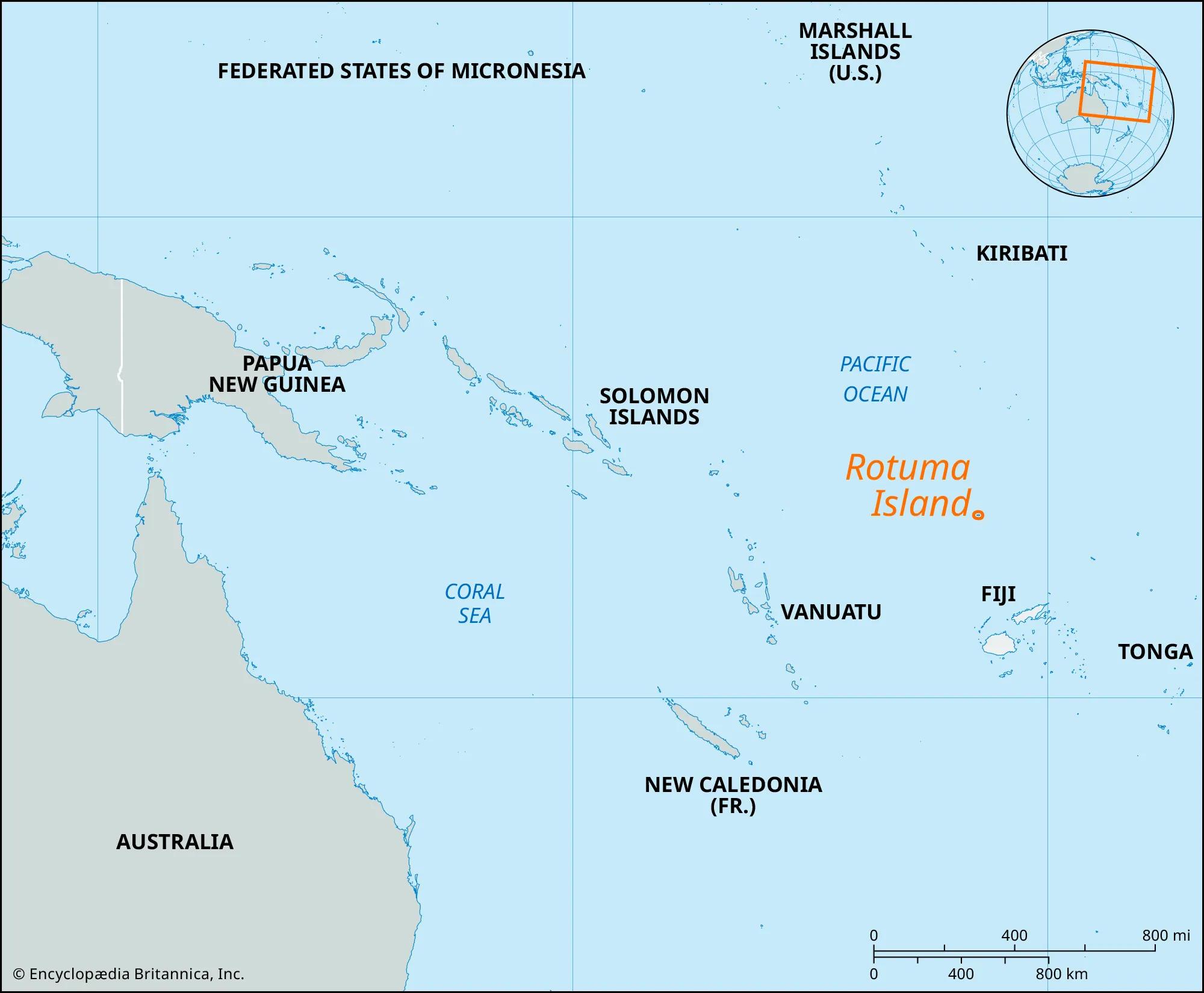
The number of fluent Rotuman speakers remains critically low with the United Nations Educational, Scientific and Cultural Organization (UNESCO) classifying the language as "definitely endangered".
But alongside celebration, there was also concern about the future of the language.
Rachel Mario, Chair of the Rotuman Community Centre, says her native language is more important than ever, especially as schools on the island have stopped teaching it.
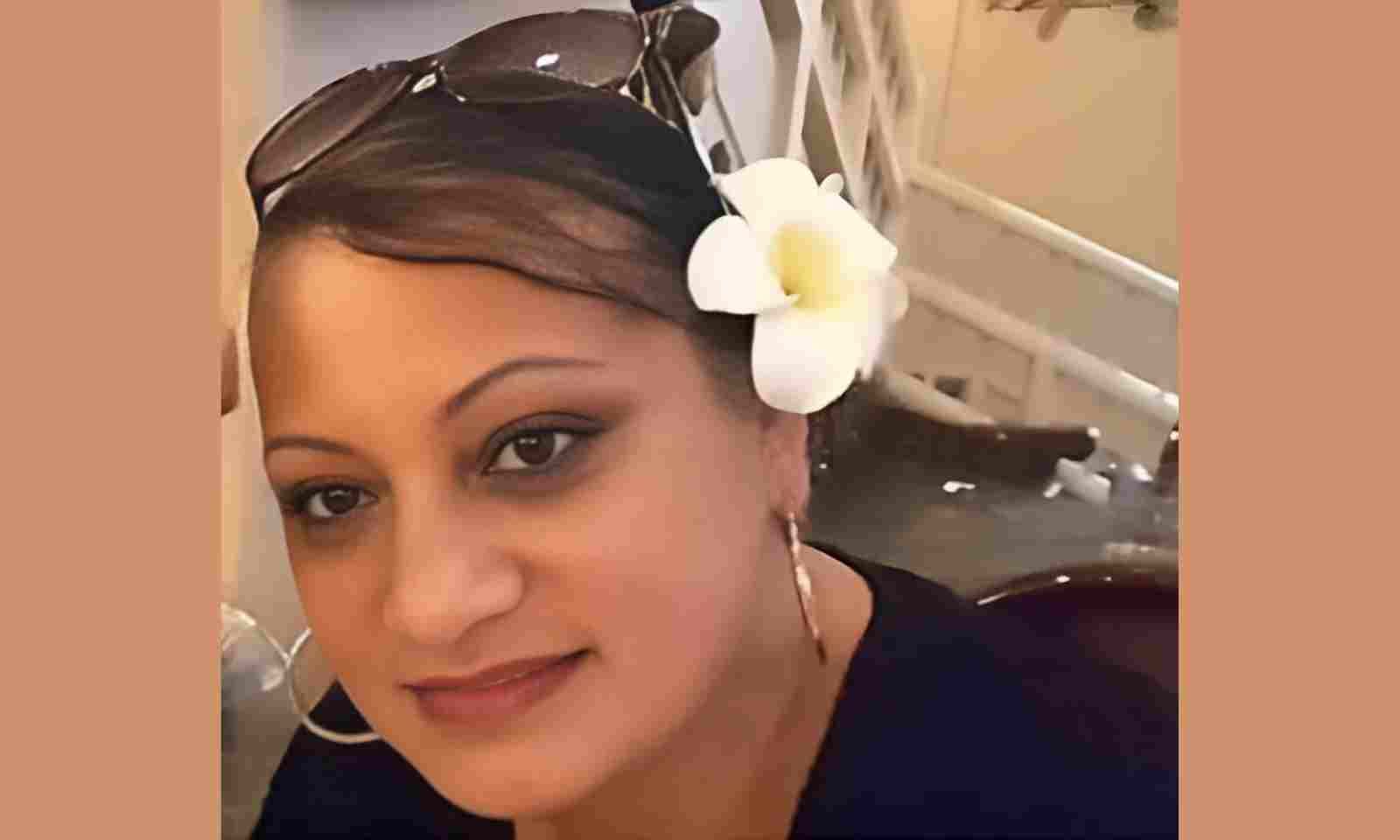
Rachel Mario, Chair of the Rotuman Community Centre, says urgent action is needed to stop the Rotuman language from being lost across generations. Photo/Supplied
Mario said that made it even more important for the community here in New Zealand to keep learning and speaking it.
“If we don't revive the language or don't do enough about it, we'll lose it forever, so it's quite important that anyone with Rotuman blood out there adhere to that," she told RNZ.
“If you don't teach your kids and you don't learn it, or you don't speak it at home, it's going to be lost forever... It's their identity, it's their culture. It'll also empower them once they know who they are.”
Dr Ofa Dewes MNZM, a leading Rotuman academic, said language carries much more than words linking it to identity, knowledge, and responsibility.
“For Pacific peoples, language is more than communication," she said in a University of Auckland report. "It carries knowledge, values, and responsibility.
"When we nurture our languages, we strengthen our ability to care for our people, our environments, and future generations,” Dewes said.
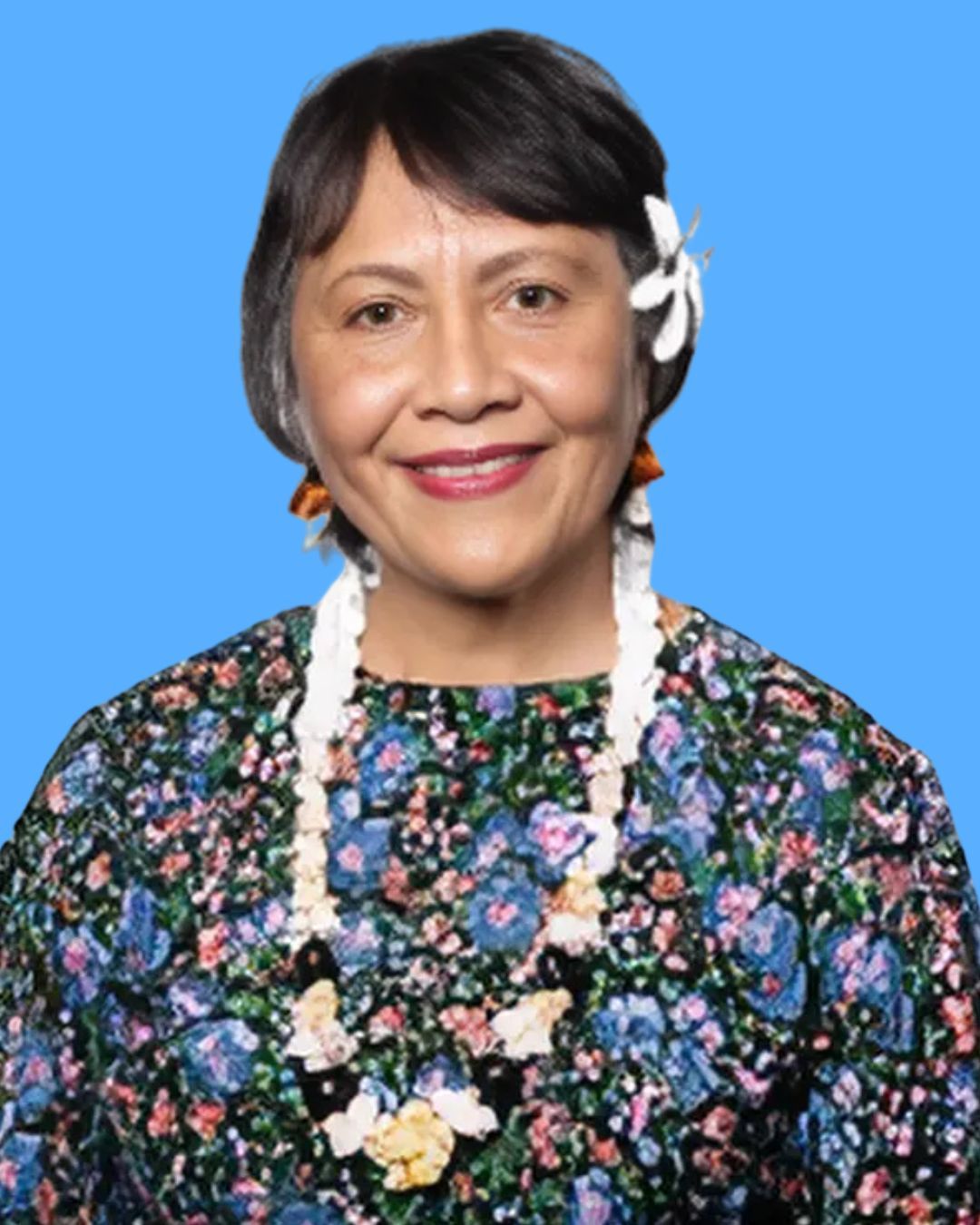
Dr Ofa Dewes MNZM says language carries more than words, linking identity, values and responsibility across Pacific communities. Photo/Supplied
The opening service was led by the Kingsland Rotuman Congregation and brought together families from across Auckland and beyond.
Elders and mothers were specially acknowledged during the service, with traditional garlands presented as a sign of respect and cultural pride.
The ceremony reflected both celebration and concern - joy in community connection but also a shared understanding that the language needs active protection.
Organisers say this year’s focus is also on encouraging everyday use of the Rotuman language in homes, churches, and community spaces.
Rotuma Language Week events will continue across Auckland and Christchurch throughout the week like youth sessions, cultural workshops, church services, and community celebrations.
The week is expected to end with major cultural gatherings that highlight dance, music, food, and language as central parts of Rotuman identity in Aotearoa.
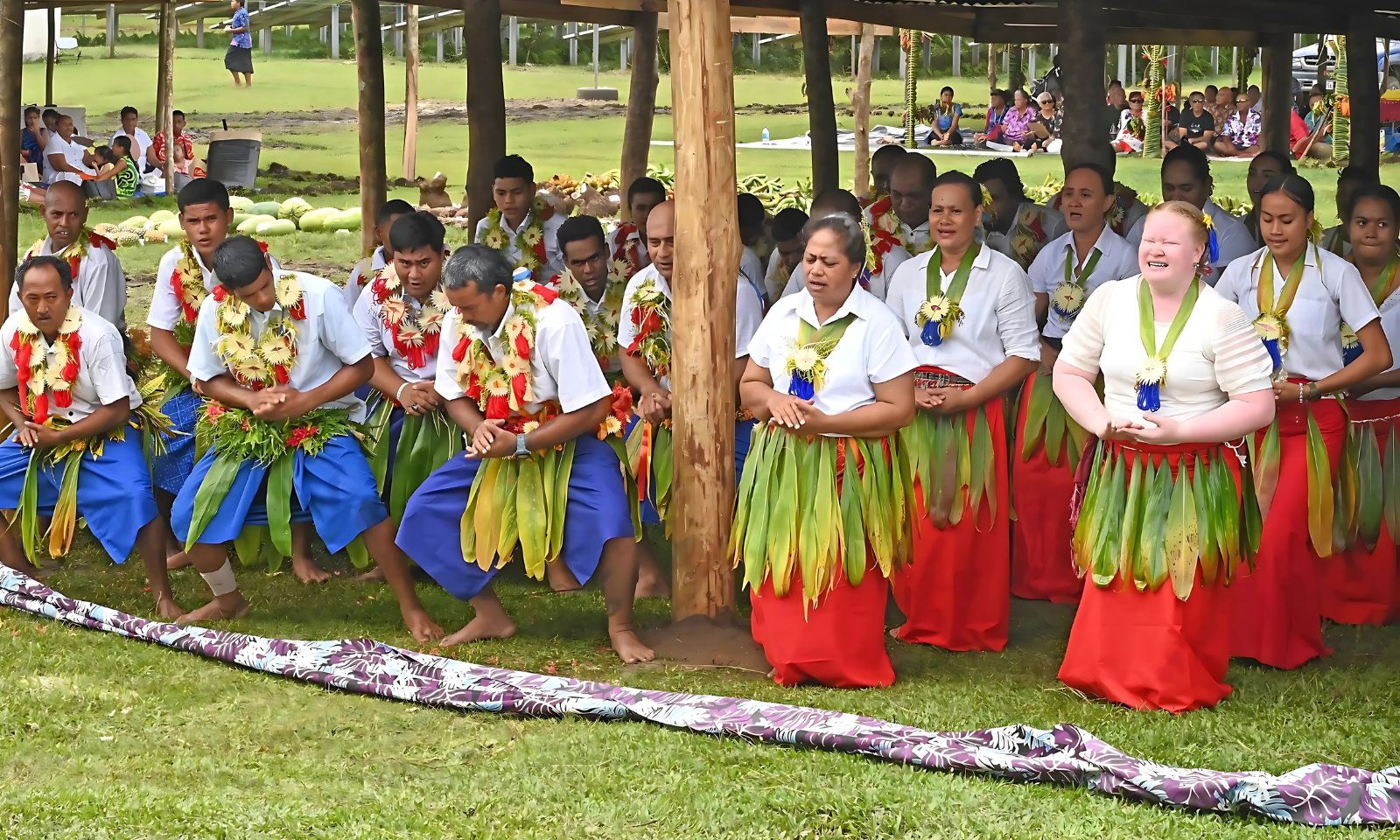
Rotuman communities on the island in Fiji continue to celebrate Kato’aga with traditional tautoga dance, feasting, and cultural performances. Photo/Supplied
While New Zealand hosts its official Rotuma Language Week programme, celebrations are also taking place across the wider diaspora, showing the global reach of the language and culture.
In Fiji, the Rotuman Association traditionally hosts a major Kato’aga - a large cultural feast and dance gathering in Suva.
The event brings together ho’aga (kinship groups) from the seven districts of Rotuma, with performances of the well-known tautoga traditional dance at the centre of the celebration.
In Australia, Rotuman communities in Queensland and New South Wales are also marking the week. In Brisbane and the Gold Coast, the Rotuman Community Association of Queensland has hosted language classes and a Mother’s Day potluck dinner, alongside dance rehearsals aimed at keeping young people connected to culture. In Sydney, larger community gatherings are planned for the weekend around Rotuma Day, featuring traditional foods such as tahroro and fekei.
Rotuman families in Brisbane marked the start of celebrations with language classes, a Mother’s Day dinner, and dance rehearsals. Photo/Facebook/Rokogata Kau'ata
Across North America, smaller but active communities in cities including Vancouver, San Francisco, and Utah are also joining in. Many are taking part in online fara sessions where families connect through traditional singing and cultural exchange. Others are running virtual workshops teaching how to make tēfui garlands using materials available locally.
Back in New Zealand, the Canterbury Rotuman Community continues a full programme in Christchurch, including tēfui-making workshops, artefact displays at Tūranga Library, and community events designed to keep language and culture active at a local level.
Together, these celebrations highlight how Rotuman identity continues to be carried across oceans and generations.
The New Zealand Government has also shown support for Rotuma Language Week. The Ministry for Pacific Peoples describes the 2026 programme as a “vital intervention” for cultural survival.
Watch the opening ceremony of Gasav Ne Fäeag Rotuạm Ta and Mother's Day 2026 in Auckland below.
The ministry says that although Rotuman is officially classified as an endangered language, the week provides an important platform to ensure knowledge, language and culture are passed on to New Zealand-born generations.
The global programme will come together on Wednesday 13 May for Rotuma Day, a key cultural date marking the 1881 cession of the island to Great Britain.
For many in the diaspora, it remains a powerful symbol of shared history and identity, and a reminder of the importance of keeping language and culture alive.
New Zealand is the only country in the world that officially recognises and celebrates Rotuma Language Week at the government level, making it a significant point of cultural pride for the global Rotuman community.
For more details on Rotuman Language Week, click here.
This story has been updated with changes made to the headline and standfirst to reflect that the views expressed relating to the Rotuman language being 'lost forever' were made by a community leader.