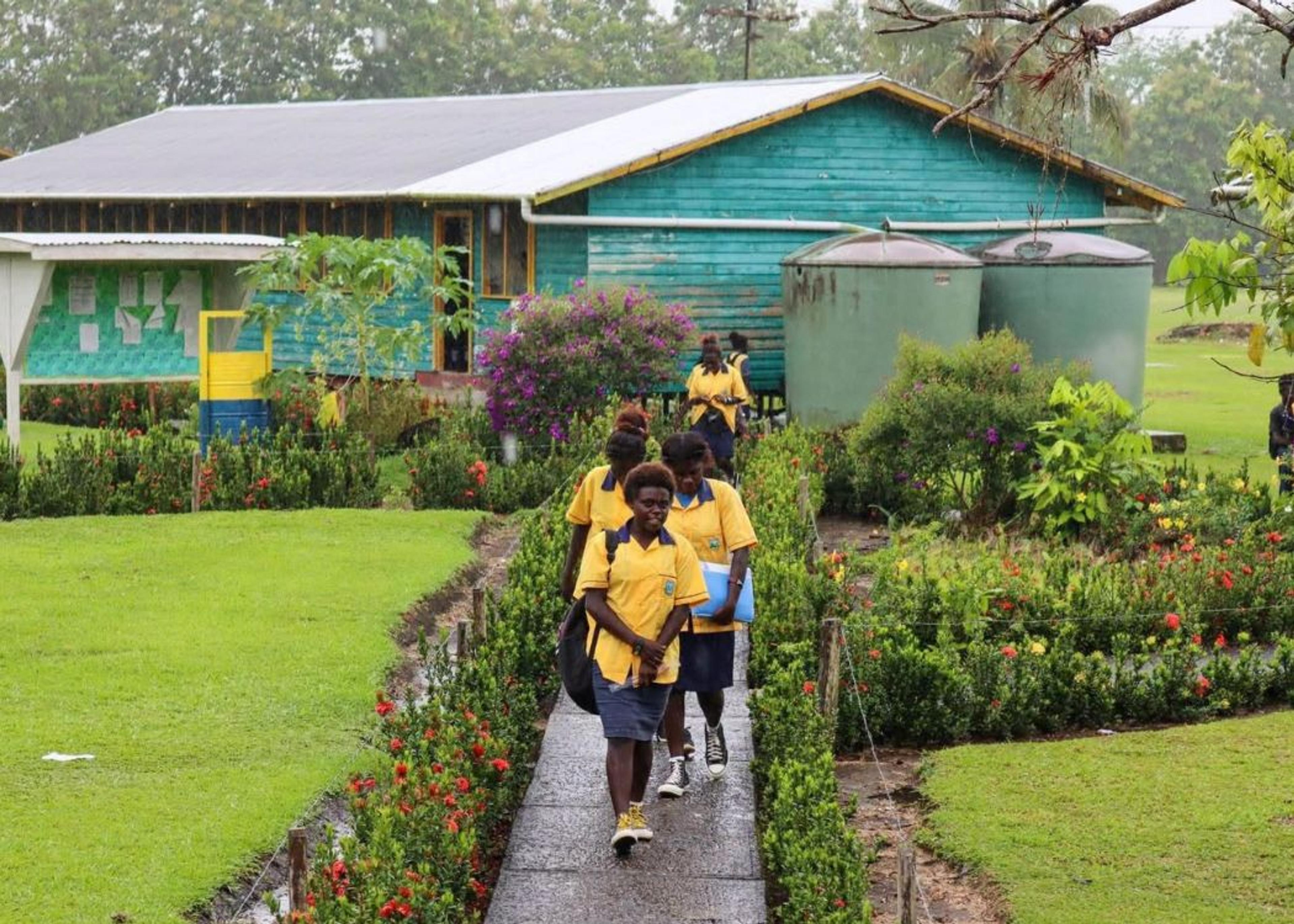
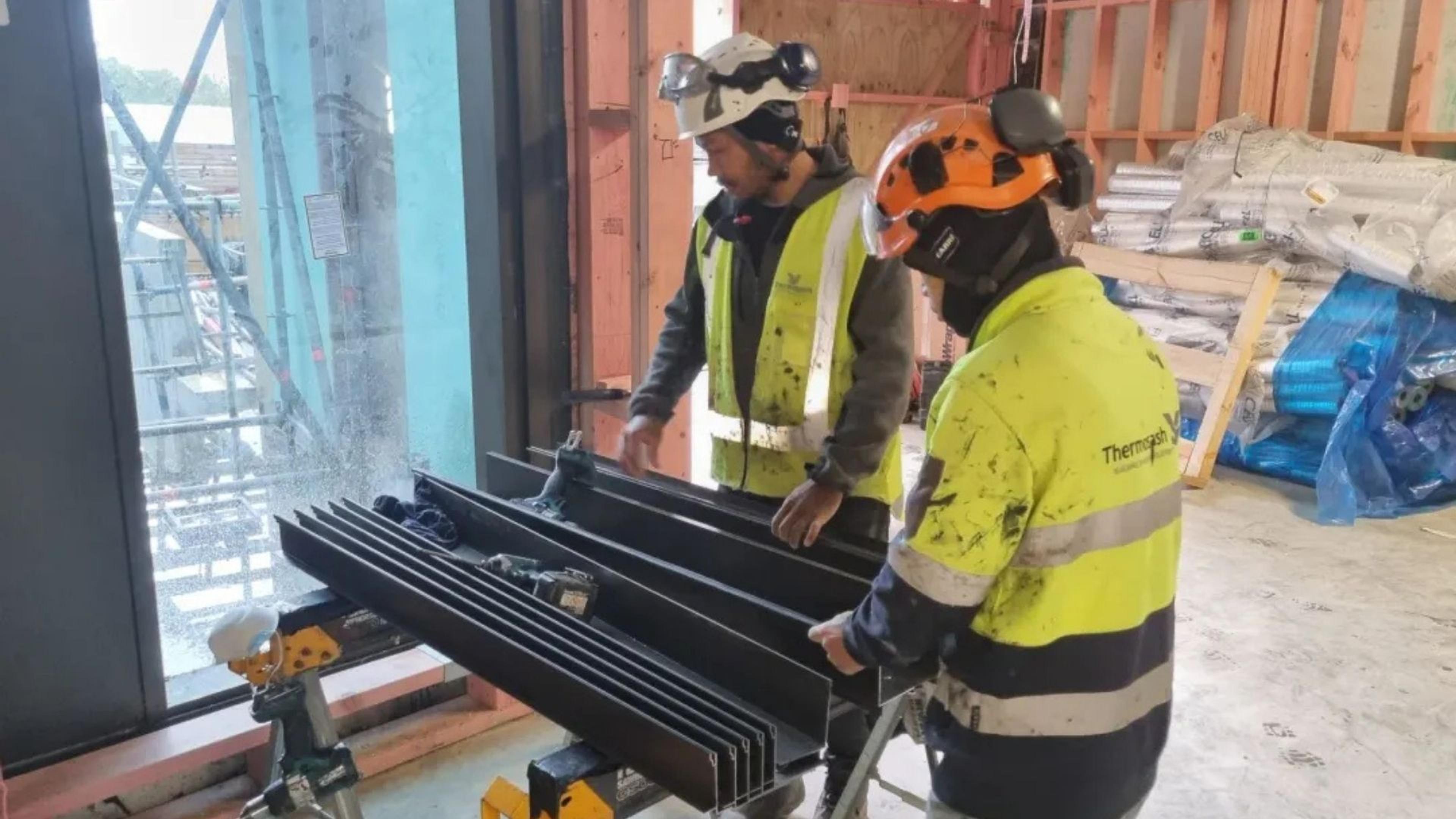
Pacific workers are facing growing pressure in a weakening jobs market, with Stats NZ figures showing Pacific unemployment at 11.6 per cent and underutilisation rising to 22.1 per cent in the June quarter.
Photo/RNZ/Robin Martin
Business
One in five Pacific people facing pressure in weak jobs market - new Stats NZ figures
As the election campaign gathers pace, Labour and the Greens are offering different plans to get more people into work.

Christine Rovoi
Published
05 August 2026, 10:49am
Share
Copy Link
Top stories

From Ōtara, NZ to Los Angeles: David Liti lifts up the next generation
Elton Lonaratha JnrMon, 19 Oct
Top stories
From Ōtara, NZ to Los Angeles: David Liti lifts up the next generation
Elton Lonaratha JnrMon, 19 Oct
Pacific workers are facing growing pressure in a weakening jobs market with more than one in five Pacific people unemployed, underemployed or unable to secure the work they want.
Stats NZ figures released on Wednesday show Pacific unemployment was 11.6 per cent in the June quarter while Pacific underutilisation rose to 22.1 per cent, highlighting the wider pressure facing Pacific workers.
Underutilisation includes people who are unemployed, working fewer hours than they want, or available and wanting work but not currently in employment.
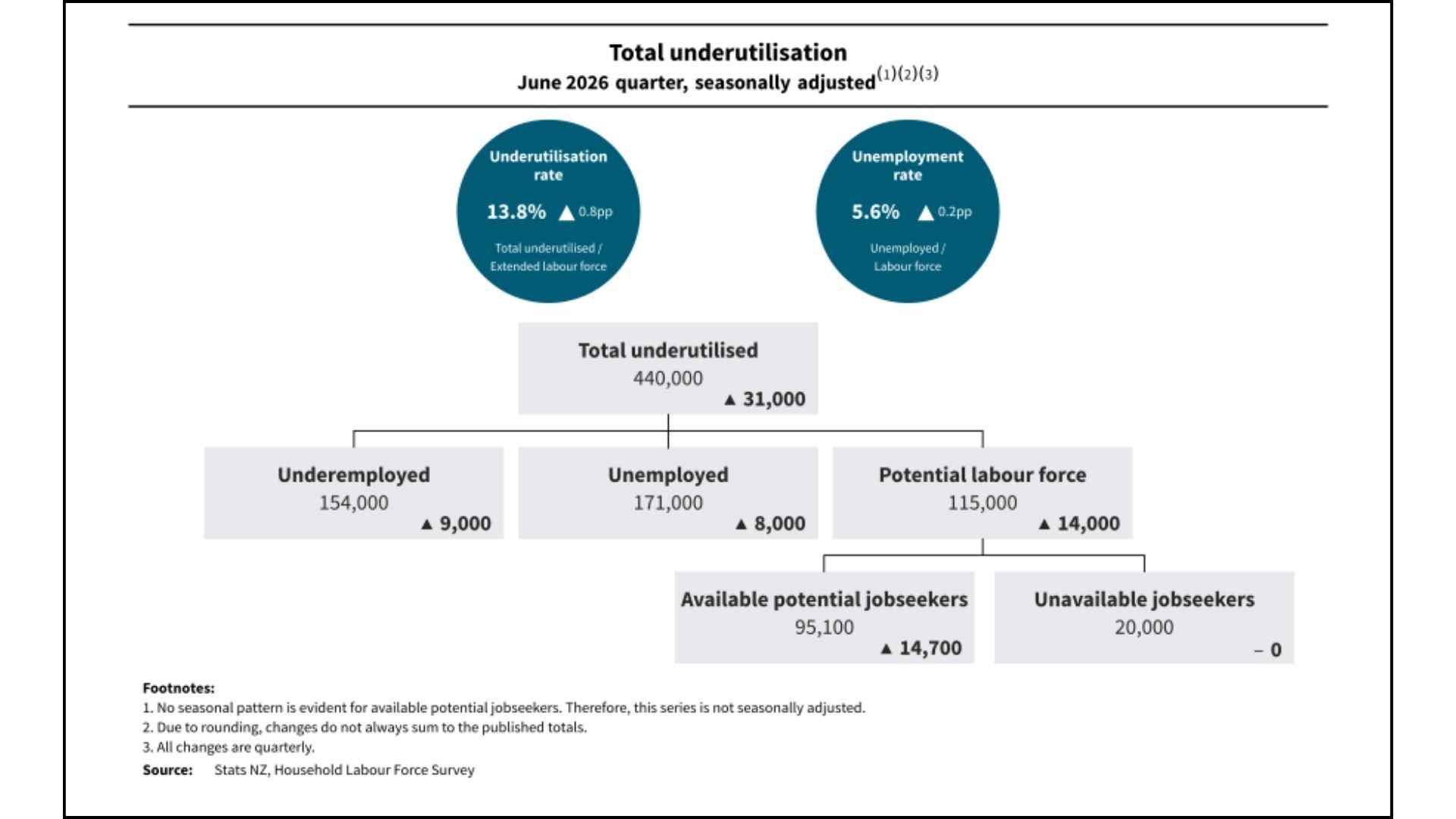
The national unemployment rate rose to 5.6 per cent in the June quarter.
“The unemployment rate was 5.6 percent in the June 2026 quarter, compared with 5.4 percent in the March 2026 quarter,” labour market spokesperson Abby Johnston said.
While the Pacific unemployment rate fell slightly from 11.9 per cent in March to 11.6 per cent in June, the wider picture remains challenging. Pacific employment and labour force participation both fell over the quarter, while underutilisation rose from 20.1 per cent to 22.1 per cent.

New Zealand’s unemployment rate has climbed to 5.6 per cent, with 171,000 people now out of work as wage growth remains weak and long-term unemployment rises. Photo/RNZ Pacific/Lydia Lewis
The Pacific employment rate was 59.2 per cent in the June quarter with 181,000 Pacific people employed while labour force participation also fell over the quarter.
Stats NZ’s annual average figures show the pressure is continuing, with Pacific unemployment at 12 per cent and underutilisation at 21.3 per cent for the year to June.
The wider labour market figures show 171,000 people are now unemployed while wage growth remains weak. The number of unemployed young people aged 15 to 24 increased by 19.5 per cent over the past year, an increase of 12,200 people.
The underutilisation rate for young people also rose to 37 per cent, showing more young people are either struggling to find enough work, find enough hours or enter the workforce.
For young people not in employment, education or training, the NEET rate was 13.8 per cent.
Māori communities are also facing increased pressure in the labour market, with the Māori underutilisation rate rising to 22.8 per cent in the June quarter, up 3.2 percentage points compared with a year earlier.
For Pacific families already dealing with higher rates of unemployment and the rising cost of living, the figures are likely to deepen concerns about finding secure work and keeping up with household bills.
Ahead of the release of the figures, Labour and the Greens parties told Andre Fa'aoso on PMN's Pacific Mornings that they would tackle unemployment in different ways if elected.
Labour deputy leader Carmel Sepuloni said the figures reflected what many families were already experiencing.
Watch Carmel Sepuloni's full interview below.
"We know that the number one issue for New Zealanders including our Pacific community, is the cost of living," she said.
"Well, it's very hard to meet the demands of the cost of living when you can't even find work."
Sepuloni said more people were leaving New Zealand because opportunities were becoming harder to find.
"People are losing their jobs. More New Zealanders are going overseas because the opportunities simply aren't here."
Green Party MP Teanau Tuiono said creating more jobs meant investing in public services, strengthening workers' rights and reforming the tax system.
"You can actually create that foundation which can lead to innovation, which can lead to entrepreneurship for businesses and for communities as well by making sure that you have strong health services, strong education services and those public services that we expect a country like New Zealand to have."
Listen to Teanau Tuiono's full interview below.
He also said better pay and working conditions were needed to keep New Zealand workers from moving overseas.
"What we're having is people jumping on a plane and heading off overseas and going to Australia where there are better work conditions and better pay as well."
The Government says its economic policies are starting to rebuild confidence despite the latest rise in unemployment.
Finance Minister Nicola Willis said before the latest unemployment figures were announced that the past quarter had been difficult but pointed to signs of improvement among employers.
"You've got employers saying they're feeling more confident now, their hiring intentions have increased, they're investing more, they're taking on more workers," she told RNZ's Morning Report.
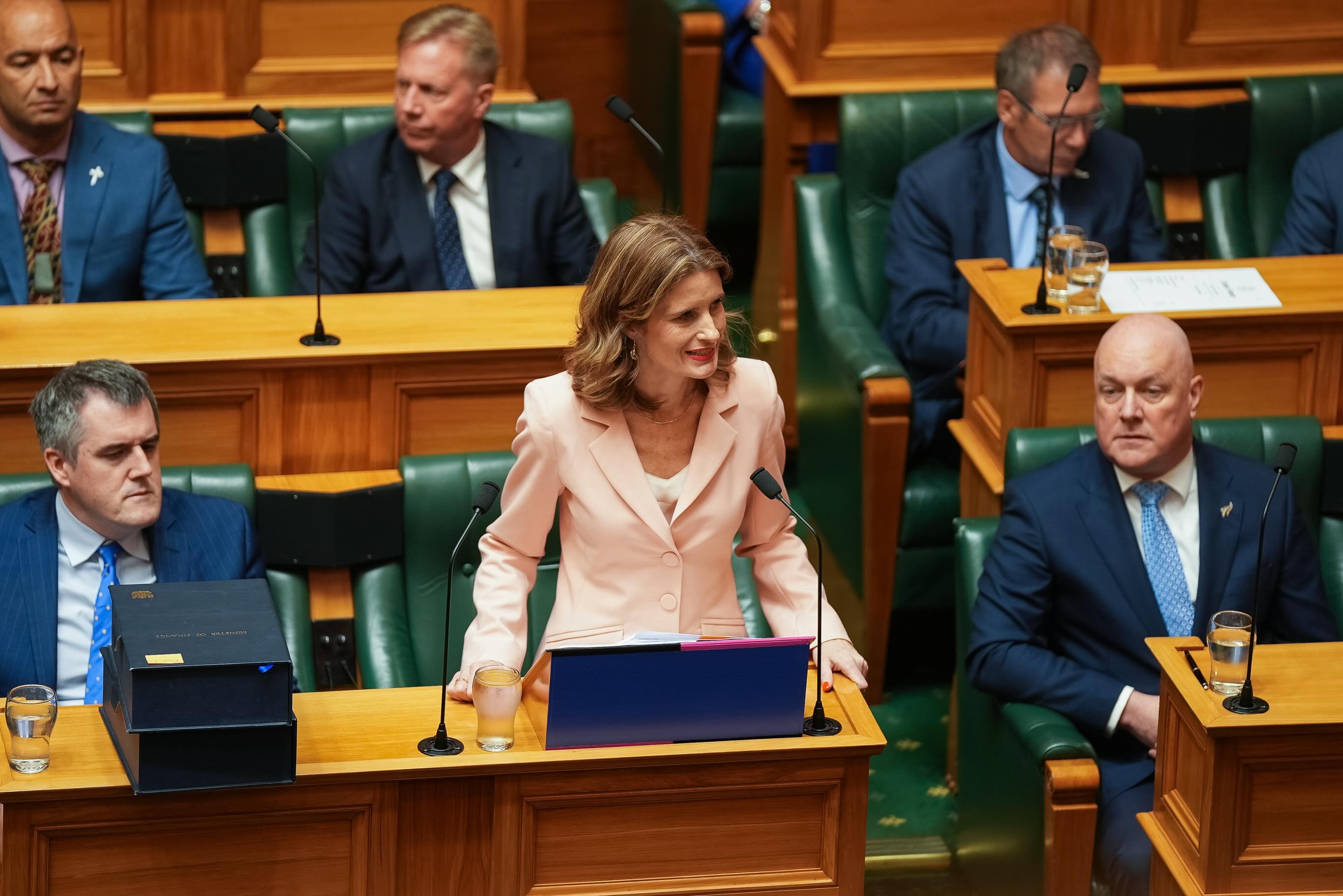
Finance Minister Nicola Willis says the Government’s economic policies are aimed at boosting employer confidence and creating more jobs as New Zealand’s unemployment rate reaches a near 11-year high. Photo/Instagram/file
The latest figures also show wage growth rose just two per cent over the past year, below inflation of 4.1 per cent, while nearly one in five unemployed New Zealanders have now been out of work for more than a year.
Around 8000 more people were experiencing long-term unemployment compared with the same quarter last year.
With jobs, wages and the cost of living shaping the election campaign, the June quarter figures are likely to keep pressure on political parties to show how they will create more opportunities for New Zealanders, including Pacific communities facing some of the country's biggest employment challenges.
For the full Stats NZ report, including employment figures by ethnicity and region, visit the June 2026 Labour Market Statistics release here.