
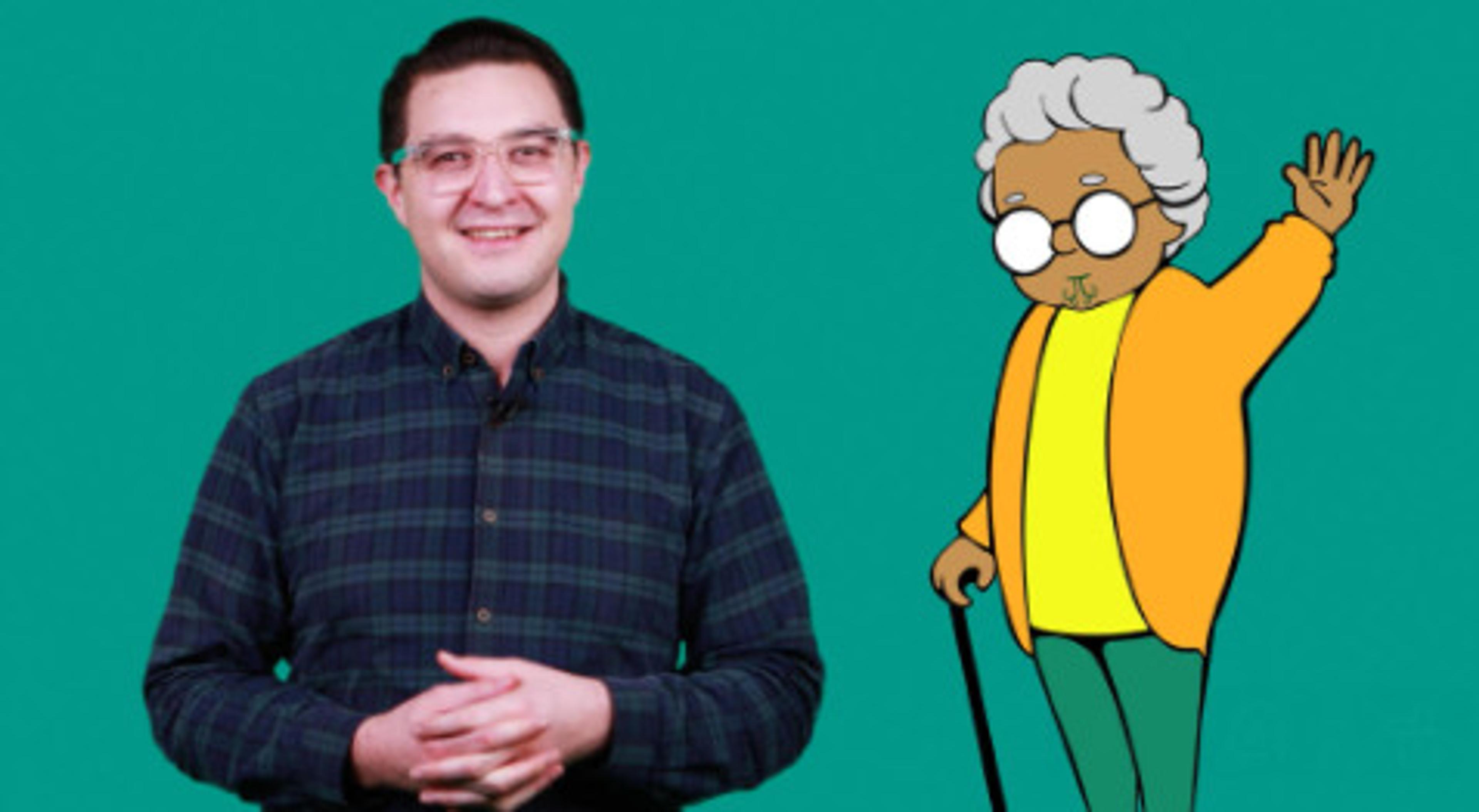
Misinformation about vaccination follows a similar pattern to myths dating back more than 200 years, to when the smallpox vaccine was invented.
Supplied
Health
Why do people believe Covid-19 vaccination myths?
Misinformation about vaccination follows a similar pattern to myths dating back more than 200 years, to when the smallpox vaccine was invented.

PMN News
Published
09 August 2021, 11:36pm
Share
Copy Link
Top stories

'Let us speak for our own': Taitosaua Bill Peace pushes for youth voice in Papatoetoe
Taelegalolo'u Mary AfemataThu, 02 Apr

Crusaders run riot over Fijian Drua in historic Christchurch farewell
Tuilagi William Leolahi, Pacific HuddleFri, 03 Apr
Top stories
'Let us speak for our own': Taitosaua Bill Peace pushes for youth voice in Papatoetoe
Taelegalolo'u Mary AfemataThu, 02 Apr
Crusaders run riot over Fijian Drua in historic Christchurch farewell
Tuilagi William Leolahi, Pacific HuddleFri, 03 Apr
Michelle Duff, Stuff reporter
Broadly, myths surrounding the Covid-19 vaccine can be broken into three main themes. Those that play upon people’s concerns about their health and wellbeing and a rejection of mainstream health advice, those that dispute the origin and existence of the virus, and those that play into a distrust of Government.
Often, these intersect.
Many myths are able to take hold because they latch onto underlying fears that are not unreasonable. It makes sense for people to think about what they put into their bodies, and the Government’s treatment of certain groups of people when it comes to healthcare – Māori and Pasifika, women, the disabled – has been questionable, and inequitable.
But the bad information based on these premises has key flaws.
Myths will often be based on half-truths. The misleading argument will start with a fact, but end on a faulty conclusion. It might use innuendo, or pose a question that is impossible to answer but raises doubts. It will cite research out of context.
These methods are so common behavioural scientists have developed a framework for the five techniques of science denial, known by the acronym FLICC: fake experts, logical fallacies, impossible expectations, cherry-picking, and conspiracy theories.
For example, a flyer distributed by an anti-vaccination group about the Covid-19 vaccine states: “It is unknown if the vaccine will cause cancer, sterility or mutate cells.” There is no reason to believe any of these things would happen. No vaccine has ever caused these, and some vaccines such as the HPV and HepB vaccines prevent cancer. But as vaccinologist Helen Petousis-Harris has written, proving the negative – in this case that something will not happen far into the future – is an impossible expectation.
The Covid-19 vaccine does not contain the virus, and serious side effects are rare. Yet the idea that “they inject the virus into you” is a persistent myth. While it is true that other vaccines work by using a weakened, inactivated or altered version of the virus, this is not the case for the Covid-19 vaccines.
Fears about genetic modification and engineering – in foods, and of humans – have been around since before the term “genetics” was coined in 1905. Frankenstein, the story of the monster created by a young scientist, was written in 1818. Myths like the one above play on the fear of biotechnology which has long been fodder for science fiction. It straddles two themes; a suspicion about vaccine ingredients, and a distrust of state actions.
Misinformation will also play on existing biases and societal racism, in ways that are manipulative. Science communication is typically straightforward and factual. If the reader feels scared, emotional or angry, it’s unlikely to be high quality scientific information.
People aren’t irrational or stupid for being susceptible to conspiracies or asking questions. Indigenous people in particular have good reasons for not trusting medical systems that haven’t served them well. What makes the difference is where people go to find good information.
Reporting disclosure statement: Associate ProfessorHelen Petousis-Harris from the University of Auckland’s department of general practice and primary health care, Te Pūnaha Matatini deputy directorKate Hannahand The Workshop co-directorDr Jess Berentson-Shaw provided expert advice for this post.