
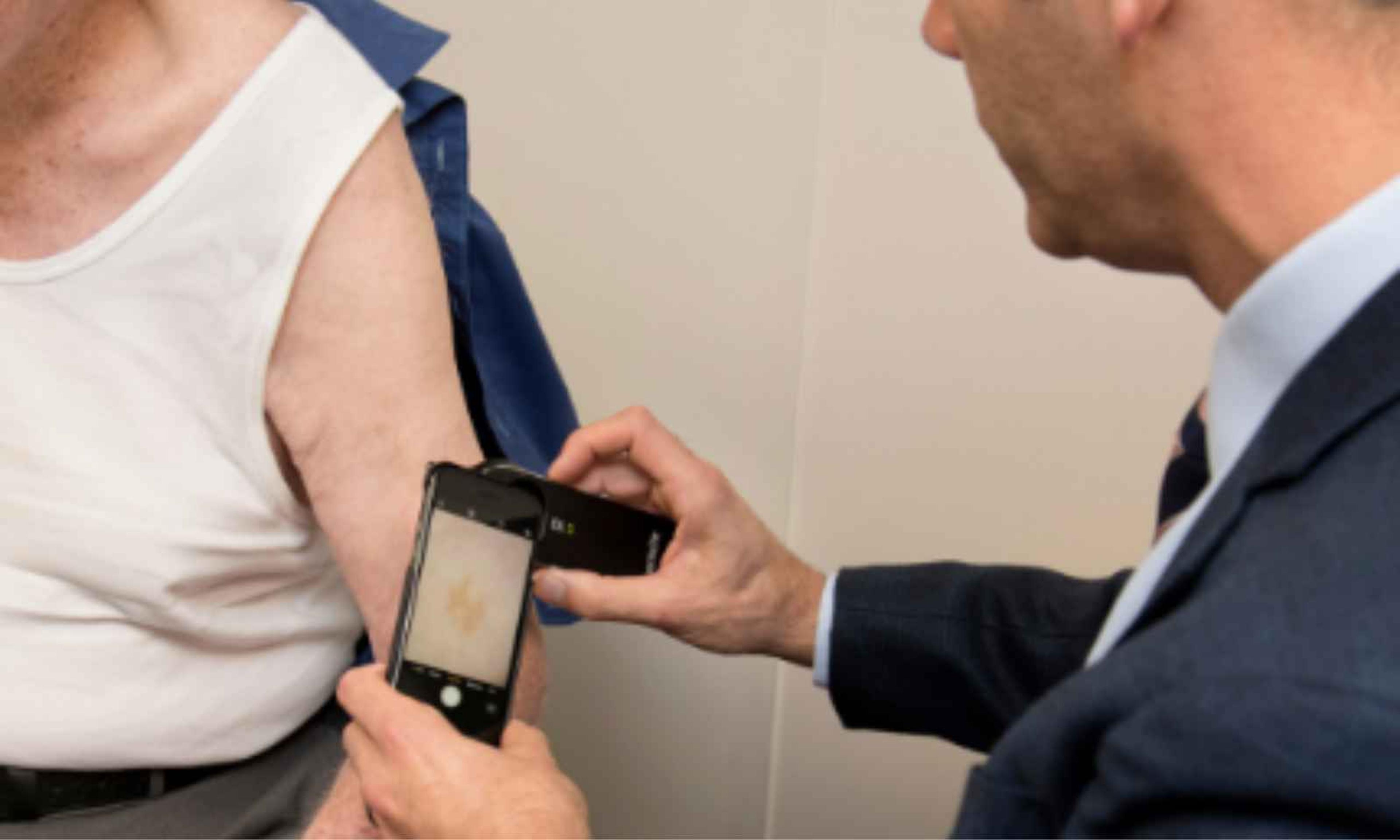
Prior to diagnosis, a doctor will conduct a spot check.
Photo/Cancer Society NZ
Health
The skin cancer Pacific people rarely get but die from more often
Melanoma is far less common among Pasifika, but it’s found later and at a more dangerous stage.

'Alakihihifo Vailala
Published
13 January 2026, 8:54am
Share
Copy Link
Top stories

Clocks back, beers on tap: Easter weekend brings new rules and routine changes
Khalia StrongThu, 02 Apr

After 51 years, Polyfest is still fighting for long-term funding certainty
Taelegalolo'u Mary AfemataTue, 31 Mar

$23.95 vs $29.90: Minimum wage rise slammed as workers falling behind on pay
Christine RovoiWed, 01 Apr
Top stories
Clocks back, beers on tap: Easter weekend brings new rules and routine changes
Khalia StrongThu, 02 Apr
After 51 years, Polyfest is still fighting for long-term funding certainty
Taelegalolo'u Mary AfemataTue, 31 Mar
$23.95 vs $29.90: Minimum wage rise slammed as workers falling behind on pay
Christine RovoiWed, 01 Apr
For many Pacific families, skin cancer doesn’t feel like something to worry about because it’s seen as a condition more common in fairer-skinned people.
But in Aotearoa, New Zealand, where sunlight is fierce and skin cancer rates are among the highest in the world, that assumption can be dangerous.
New Zealand has one of the world’s highest melanoma rates, the most serious type of skin cancer, and more people die from skin cancer in Aotearoa than on the roads.
Melanoma is far less common among Pacific people than among New Zealand Europeans, but when it does occur, it’s often more advanced at diagnosis.
That’s a key reason Māori and Pacific patients are more likely to face worse outcomes, even with fewer cases overall.
Skin cancer develops when abnormal skin cells grow uncontrollably, mainly due to ultraviolet (UV) damage.
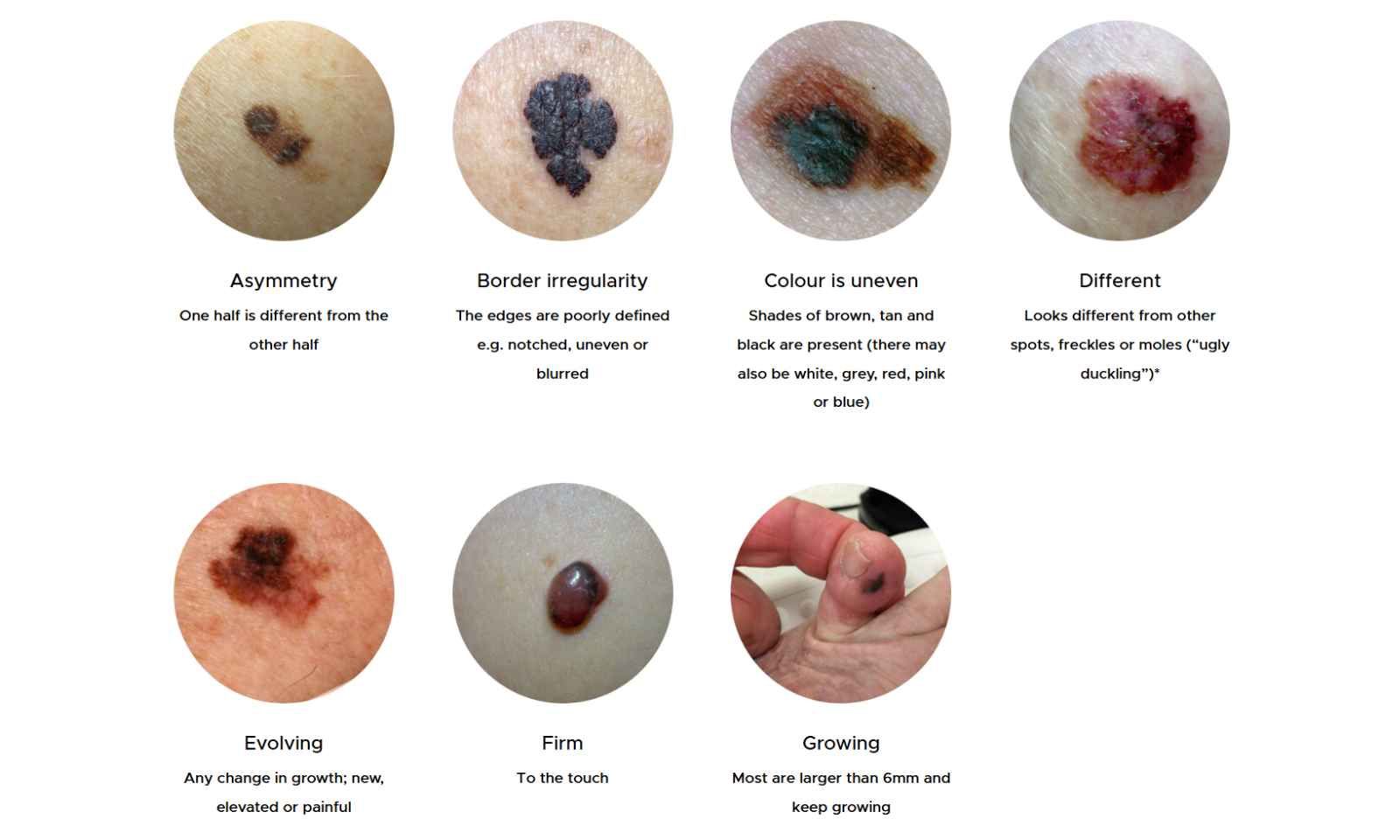
Melanoma can often be detected using the ABCDEFG system below. Photo/Melanoma NZ
According to the Cancer Society, 504 New Zealanders died from skin cancer in 2019. That number increased to 535 by 2022, underscoring the growing impact of the disease.
Melanoma, the most dangerous form of skin cancer, usually appears as a new mark on the skin. It remains one of New Zealand’s most lethal cancers, with more Kiwis dying from melanoma each year.
A major study by Mary Jane Sneys and Brian Cox, both researchers, looked at melanoma among Māori, Pacific, Asian, and New Zealand European populations using data from the New Zealand Cancer Registry from 1996 to 2006.
Watch Clare Oliver's story below.
One of their key findings was that a specific subtype of melanoma, acral lentiginous, is most commonly found among Pacific people.
This subtype typically appears on areas not usually associated with sun exposure, such as the soles of the feet, the palms of the hands, and under the nails.
Health advocates say this challenges the “sun-exposed mole” message many New Zealanders grew up hearing and highlights the need for more tailored awareness.
While melanoma may occur less frequently in Pacific communities, it is often detected later, contributing to higher mortality rates.
The Melanoma Network of New Zealand says prevention and early detection remain critical for everyone.
As people age, their lifetime exposure to UV radiation increases their risk of developing skin cancer.
Put on that damn sunscreen!! Photo/Melanoma NZ
New Zealand sits under some of the highest ultraviolet (UV) levels in the world, driven by factors such as lower air pollution and the ozone-depleted air masses moving over the country during summer.
Experts continue to promote the classic “Slip, Slop, Slap” message: slip on protective clothing, slop on sunscreen of at least SPF 30, and slap on a broad-brimmed hat.
Regular skin checks are important, especially for lesions that look unusual or appear on areas exposed to the sun.
Health advocates say the goal is not to frame it as “common” among Pacific people, but as serious and worth checking for.
With summer underway, New Zealanders are being urged to stay vigilant, protect their skin, and seek medical advice for any suspicious spots.
Early detection saves lives, including yours.