
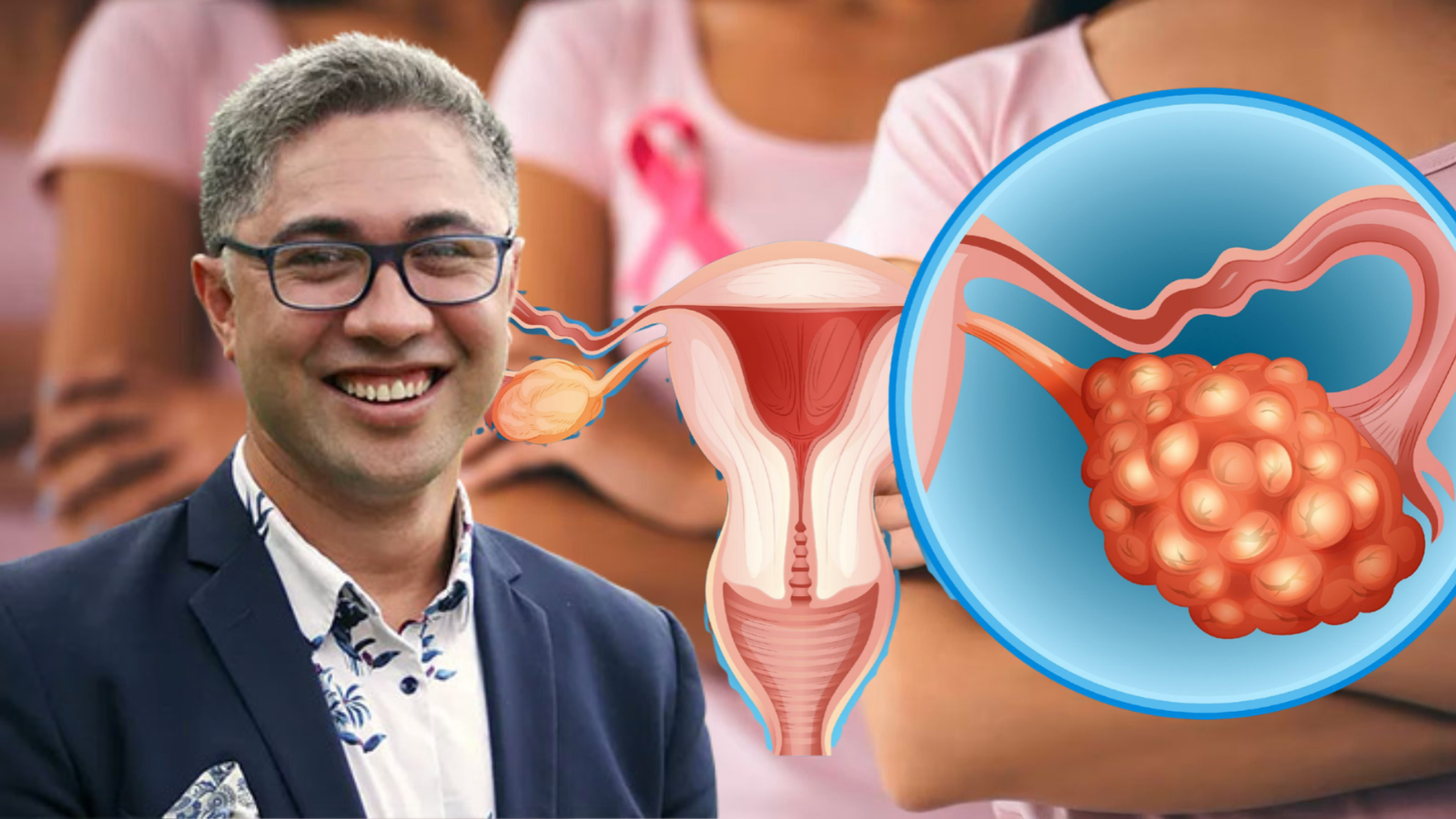
Dr Michael Burling wants to see more health awareness and screening in the Pacific region.
Photo/Composite/File/MedlinePlus
Health
Pacific women urged to speak up as cancer knowledge gaps exposed in new study
Research has found major gaps in Pacific women’s knowledge of gynaecological cancers, as a Fijian cancer survivor urges women to trust their bodies and keep asking questions.

Khalia Strong
Published
16 September 2026, 9:00am
Share
Copy Link
Top stories
'Don't count yourself out': Porirua by-election candidate’s push for voter participation
Taelegalolo'u Mary AfemataFri, 09 Oct
Top stories
'Don't count yourself out': Porirua by-election candidate’s push for voter participation
Taelegalolo'u Mary AfemataFri, 09 Oct
When Fijian woman Nemai Tagicakibau started making frequent trips to the bathroom but could not pass fluid, she knew something was not right.
The 61-year-old Pacific Days radio host and PMN staff member was later diagnosed with stage-four ovarian cancer.
Her experience comes as new University of Otago research highlights how little many Pacific women know about gynaecological cancers and their symptoms.
The study of 94 Pacific women found over half could not identify more than three symptoms of ovarian cancer while only 17 per cent identified uterine cancer when asked to name gynaecological cancers.
Tagicakibau says the warning signs started in September 2025 with a lump in her lower abdomen.
She struggled to sleep for more than 30 minutes at a time because she could not lie flat.
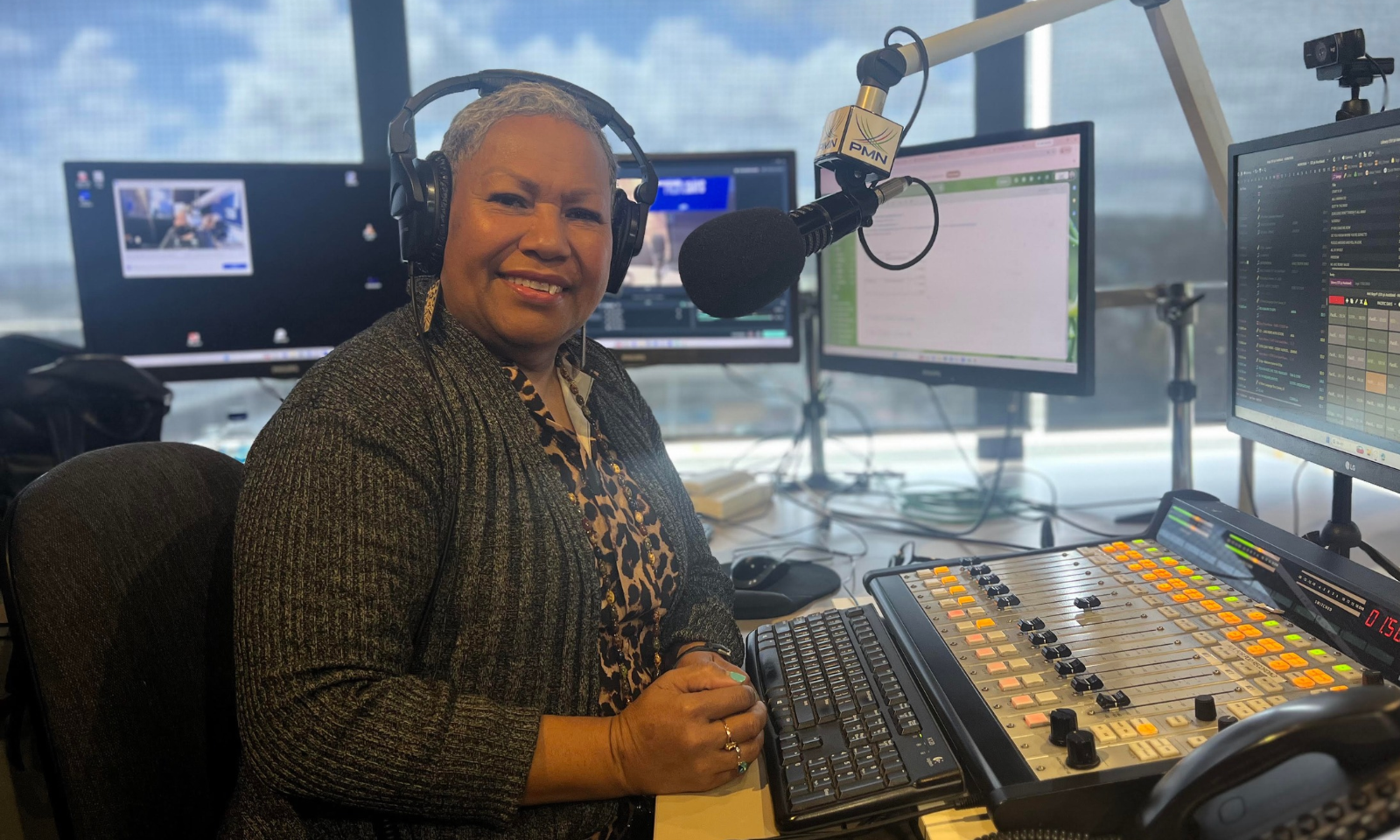
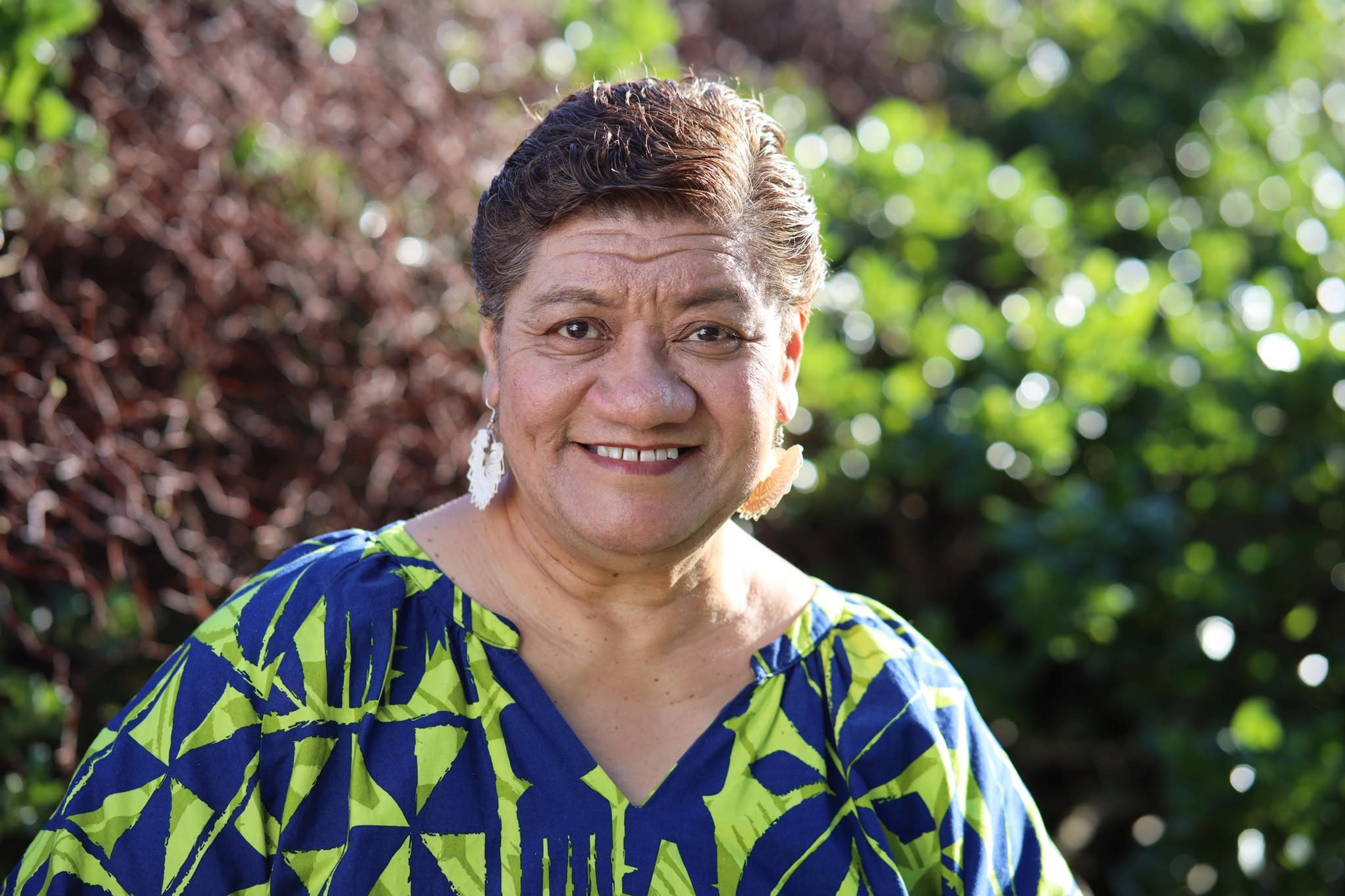
Pacific Days radio host Nemai Tagicakibau is urging women to get tested when their bodies don't feel right. Photo/PMN News/Khalia Strong
“I told my husband, ‘We've got to go see the doctor. This is not normal,’” she says.
After her GP found a lump, she was referred for scans and tests at Greenlane Clinical Centre, Middlemore and Auckland Hospital.
But when she had not heard back after about a month, she followed up and was later told her case had been mixed up with another patient.
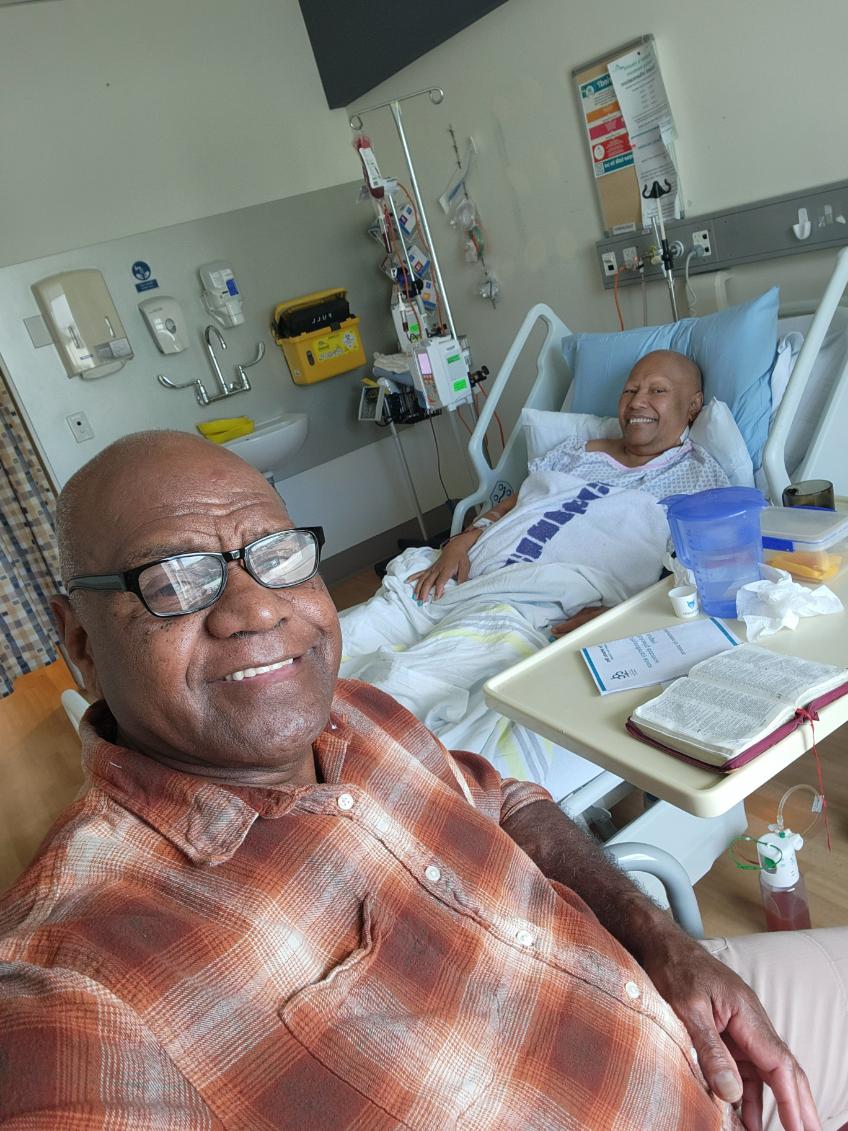
Nemai Tagicakibau underwent six rounds of chemotherapy for ovarian cancer, supported by her husband Jeke. Photo/Supplied
“I’m so glad that I followed it up, and not been a Pacific Island woman thinking, ‘Oh yeah, the doctor will call, the doctor knows what he’s doing'."
Tagicakibau went through six cycles of chemotherapy and had her ovaries removed. She was given the all-clear in July 2026.
She says faith helped her through treatment but so did making sure she understood what was happening and asking questions.
“When things are not feeling right, don't think ‘It will be all right, it'll go away’,” she warns.
“Take yourself to the doctor, and if you're not satisfied with what your GP tells you, have a second opinion.”
The University of Otago study found cancer prevention and early detection were the top research priorities for participants, with more than 70 per cent rating each as a highest priority.
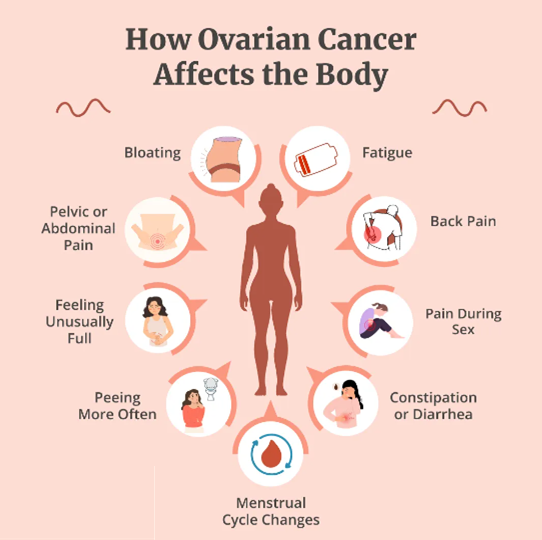
Symptoms of ovarian cancer. Image/Everyday Health
Researchers say better health information needs to be culturally appropriate and accessible to Pacific communities.
The study also found that while more than 90 per cent of participants had used mainstream health services, many considered traditional healers or alternative practitioners as part of their care.
Dr Michael Burling, a Tongan gynaecological oncologist, says Pacific women can also face barriers to seeking care, particularly when reproductive health is difficult to talk about.
“They are the ones that are keeping the home moving … which is why it's really difficult for a lot of them to get health care, because they leave things too late and present very late to us.”
Burling travels to Pacific countries including Fiji, Tonga and Vanuatu as part of specialist outreach and surgical work. His focus is on improving access to gynaecological cancer care closer to home.
He says some cancers can be treated successfully when found early, but women need to recognise when changes in their bodies are not normal.
Watch Dr Michael Burling's full interview below.
For Tagicakibau, that means not waiting for someone else to make the next move.
Her message to Pacific women is simple: listen to your body, ask questions and seek another opinion when something does not feel right.
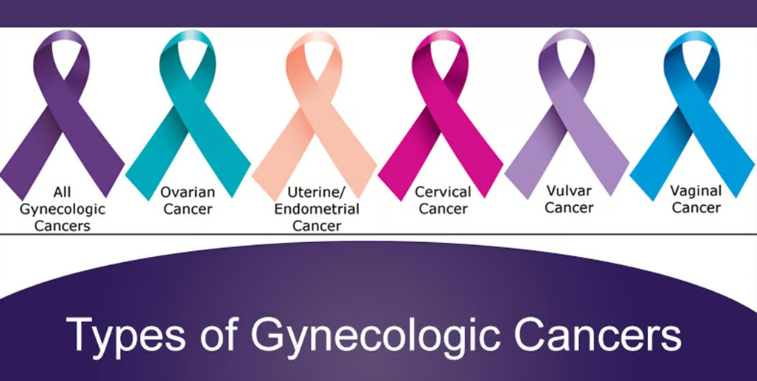
There are several types of gynaecologic cancers.