
Bledisloe Masterclass: Pacific powerhouses lead All Blacks’ blitz against the Wallabies
Christine RovoiSat, 17 Oct

Dr Sanimere Boladuadua says Pacific-led expertise and research is still sidelined in the region.
Photo/Supplied
The researchers say colonial power structures continue to shape global health systems, undermining Pacific leadership.



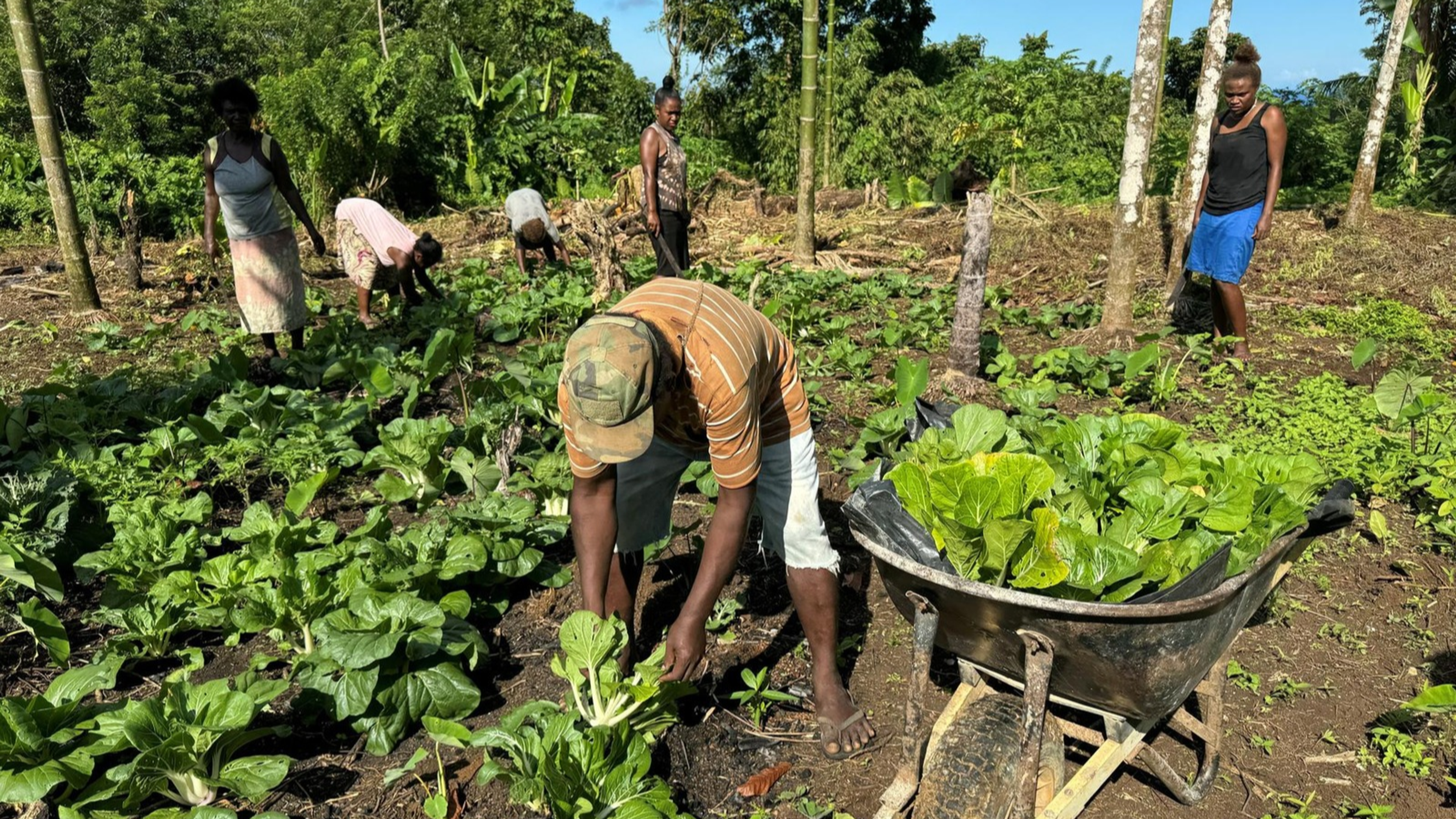
A new paper by women scholars warns colonial power structures are still shaping health systems across the Pacific region.
They are calling for a radical shift in global health leadership and decision-making.
The call comes from a new paper published this month in The Lancet Regional Health - Western Pacific, led by researchers from Waipapa Taumata Rau, the University of Auckland, alongside Pacific collaborators.
The paper argues that while global health is framed around fairness and inclusion, Pacific knowledge and leadership are often marginalised in practice.
Dr Sainimere Boladuadua, lead author from the University of Auckland’s Department of Paediatrics: Child and Youth Health, says these power imbalances directly impact communities.
“Global Health must stop undervaluing Pacific expertise,” Boladuadua says in a statement. “When overseas consultants are paid more than local experts, and research extracts knowledge without building local capacity, colonial patterns are reinforced.”
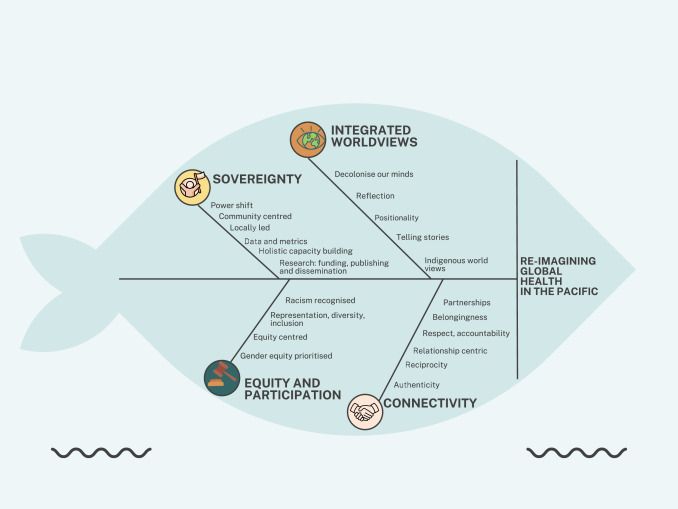
Image/Re-imagining Global Health: perspectives from the next generation in the Pacific region.
The researchers trace current inequities to the history of colonisation in the Pacific, driven by commercial, religious, and military interests.
While many Pacific nations have since achieved political independence, the paper argues that colonial structures persist through unequal trade relationships, labour migration schemes, and externally controlled funding.
Boladuadua says these systems limit Pacific control over health research, policy priorities, and resources, even as communities face growing burdens from non-communicable diseases and climate change.
“Global Health, at its core, is about health equity for all,” she says. “That means prioritising the most pressing problems faced by communities with the least resources.”
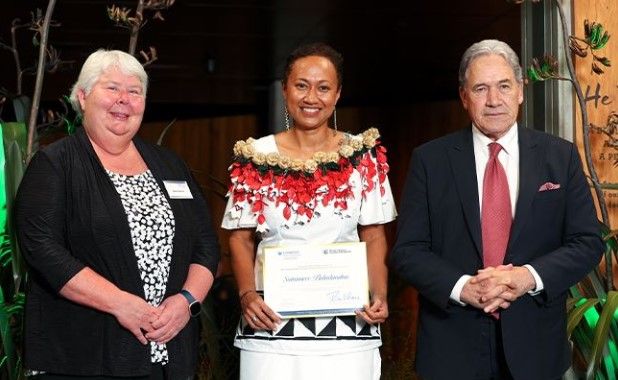
Dr Sainimere Boladuadua (centre) at the Fulbright awards ceremony with the United States Consul General Sarah Nelson, and Minister of Foreign Affairs and Honorary Chair of Fulbright NZ, Rt Hon Winston Peters. Photo/Ōtago University
A plan for change
The paper outlines four action areas to transform global health in the Pacific: strengthening sovereignty through Pacific-led decision-making; integrating Indigenous and Western knowledge systems; building genuine and reciprocal partnerships; and ensuring fair pay, recognition, and leadership opportunities for Pacific professionals.
The authors argue Pacific Island countries must be supported to set their own priorities, including control over funding, research management, data sovereignty, and workforce training.
The researchers also highlight language as a source of power. They say English is often treated as the default in global health, but its use “should not come at the expense of Indigenous Pacific languages and knowledge systems”.
The research places Pacific women at the centre of decolonisation efforts, noting that while colonisation was deeply patriarchal, Indigenous women historically held major leadership roles in island societies.
“Contrary to the control of white women during colonisation, Indigenous women held powerful positions in Island societies,” the research states.
Watch Dr Sainimere Boladuadua discussing steps to prevent rheumatic heart disease.
Boladuadua says change is already underway, pointing to the establishment of the Fiji Institute of Pacific Health Research and the launch of the Pacific Academy of Sciences in Sāmoa as signs of growing Pacific leadership.
At the academy’s opening ceremony, then-prime minister Fiamē Naomi Mata’afa said the launch marked an important milestone for regional collaboration and would “give voice to science in and from the Pacific Islands”.
The authors argue Pacific-led approaches offer a blueprint not only for the region, but for building fairer and more resilient global health systems worldwide.