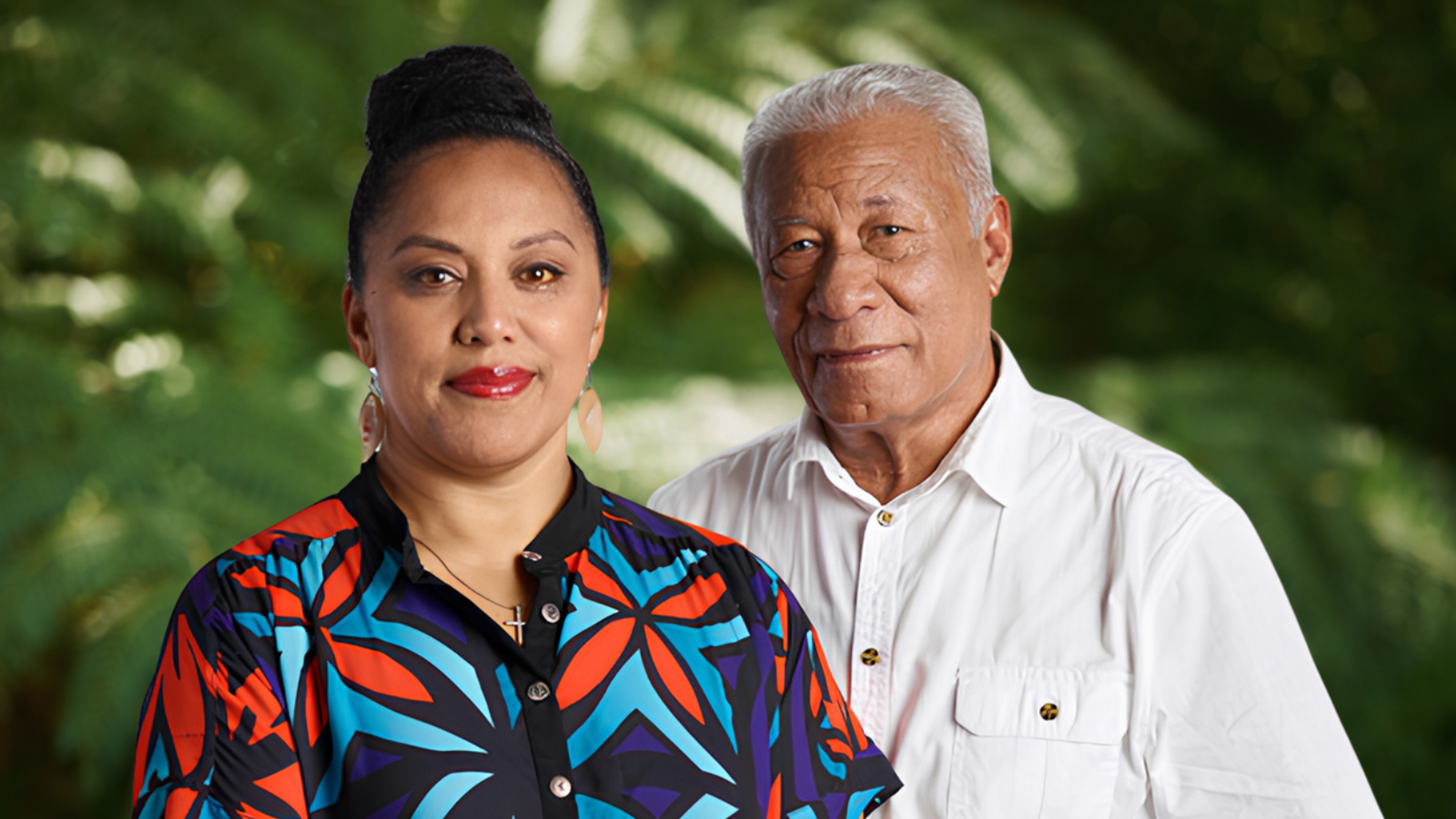

A new national report released this week by Blood Cancer New Zealand has found Pacific people are experiencing higher death rate.
Photo/Supplied
Health
Pacific lives at risk as blood cancer deaths rise and costs delay treatment - report
A new report reveals Pacific people are dying at higher rates from blood cancer with late diagnosis and everyday costs forcing families into tough choices.

'Alakihihifo Vailala
Published
22 April 2026, 5:08pm
Share
Copy Link
Top stories

Top stories
Pacific families are facing growing pressure as new data shows they are more likely to die from blood cancer than other groups in New Zealand.
A new national report released this week by Blood Cancer New Zealand has found Pacific people are experiencing higher death rates with advocates warning that late diagnosis, cost pressures, and barriers to care are putting lives at risk.
Blood cancer is now Aotearoa’s third leading cause of cancer death with more than 1000 deaths each year. The number of deaths has risen by nearly 40 per cent since 2008 and around 3000 people diagnosed annually.
The report, State of Blood Cancer in New Zealand, highlights Māori and Pacific communities as being hit hardest, raising fresh concerns about whether the health system is working fairly for everyone.
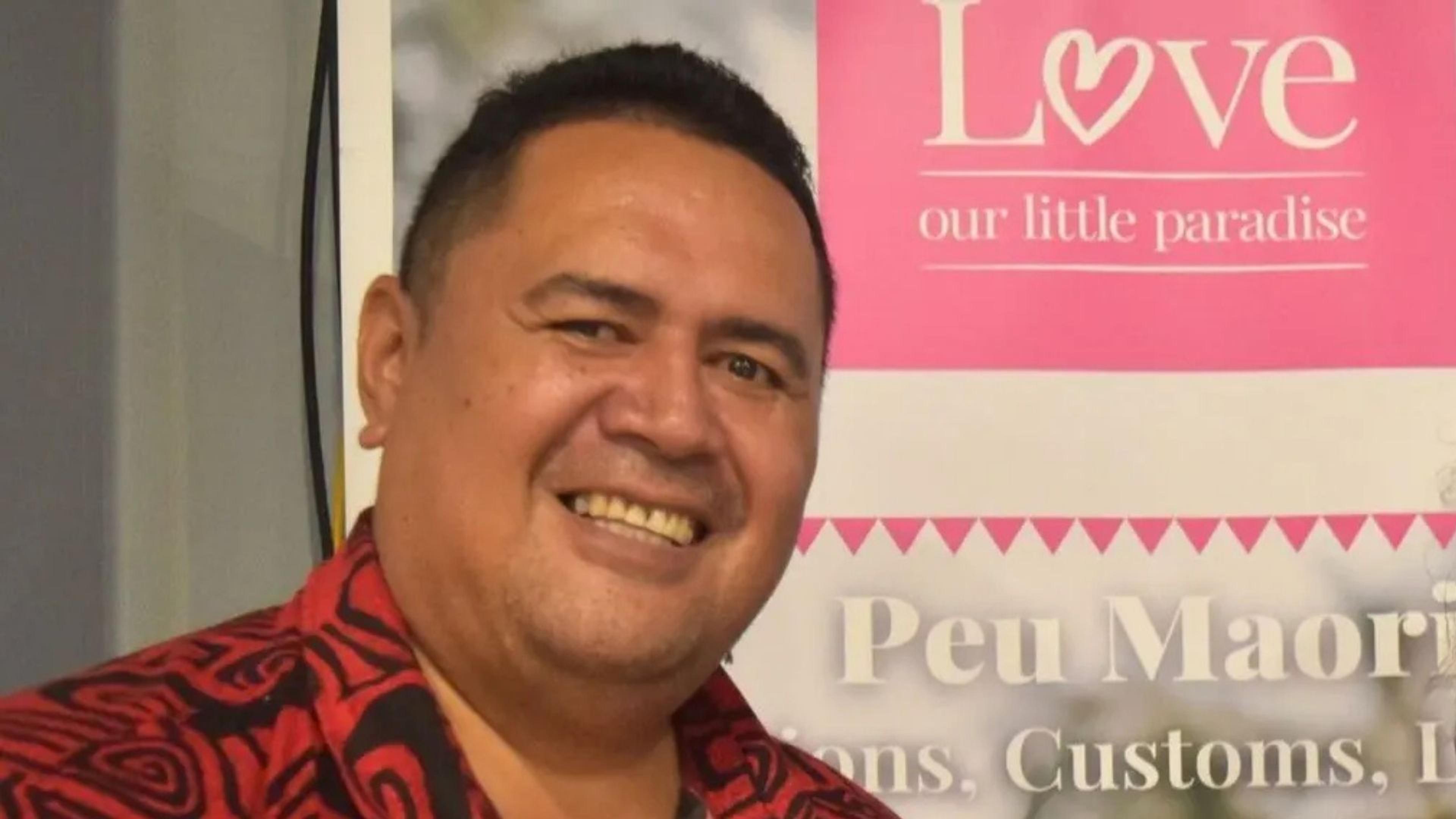
Speaking with William Terite on Pacific Mornings, Tim Maifeleni, regional manager of Blood Cancer New Zealand, says Pacific families are already at a disadvantage by the time they enter the system.
One of the biggest challenges is getting to a doctor early, Maifeleni says, adding that cost and access issues mean some Pacific patients delay seeing a GP until it is too late.
Watch Tim Maifeleni's full interview below.
“Our people are dying more from blood cancer in comparison to other populations,” Maifeleni says.
“When they’re diagnosed, they’re put on the back foot so they’re diagnosed later than most populations and they’re affected more than most people.”
“Some of our patients who are diagnosed, they don't necessarily get to their GP as early as other people.”
Blood cancer is now Aotearoa’s third leading cause of cancer death. Photo/Supplied
Once treatment begins, the pressure does not ease. Families are often forced to juggle care with basic needs like transport, work, and childcare.
He recalls one Pacific mother who had to choose between taking her child to school or putting petrol in the car to get to treatment.
“A lot of times our patients, it's not necessarily the bills, but it's just the compounding decisions that they have to make in their lives.”
The findings come as the government announces a new blood cancer oversight group and a $27 million investment into stem cell transplants, which is aimed at improving treatment access and reducing wait times.
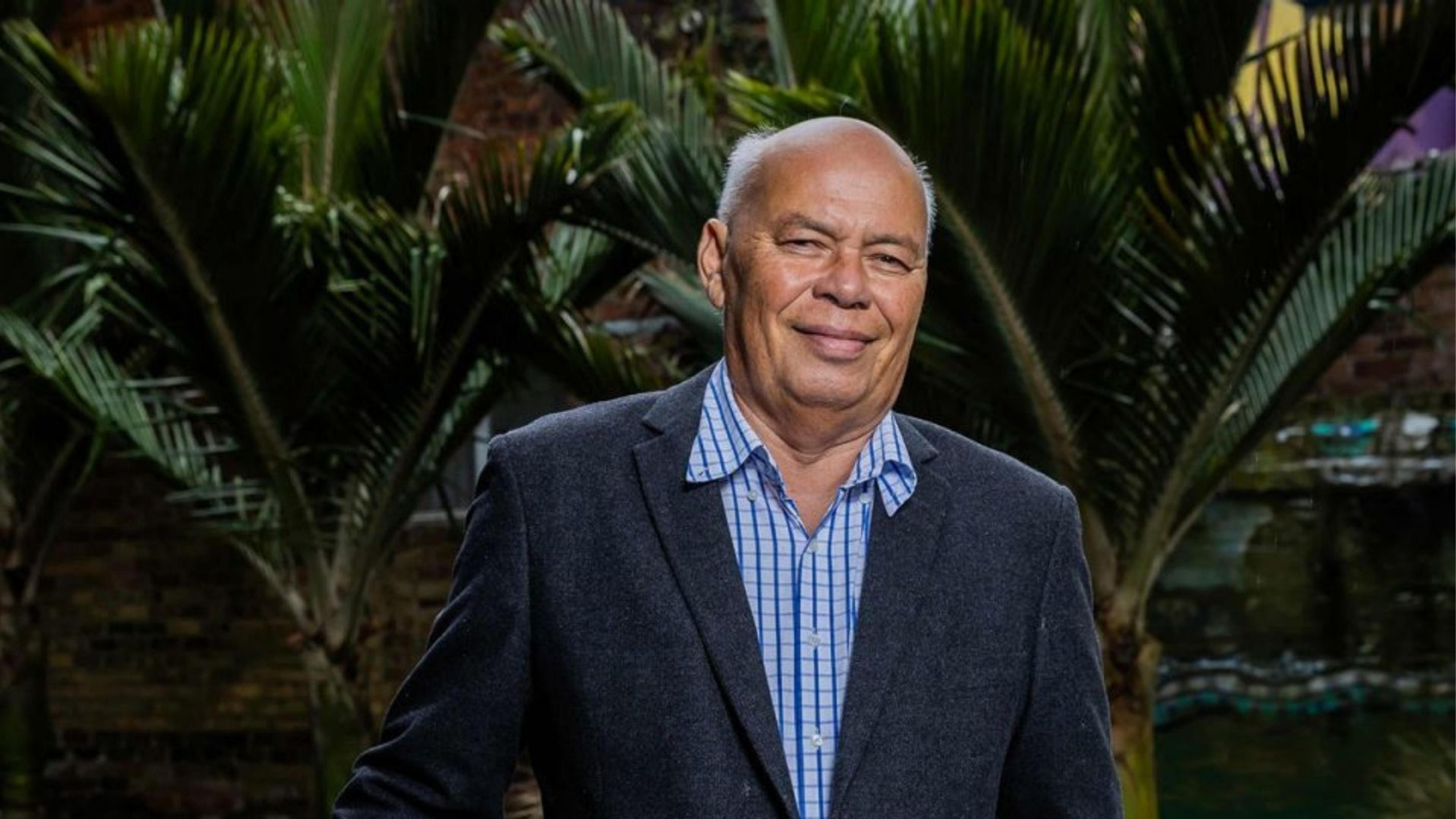
Health Minister Simeon Brown said more needs to be done to improve outcomes.
“Our focus is to make sure that all New Zealanders get treated based on their need. We need to do a better job to make sure we reduce those wait times, get patients seen faster.”

Health Minister Simeon Brown. Photo/Supplied
Brown says 33 new cancer medicines have been funded including several targeting blood cancers, and that the new oversight group would help ensure improvements reach all communities.
But advocates say the gap remains clear.
“There’s definitely a long way to go in terms of supporting our Pacific people,” Maifeleni says. “But the outcomes aren't showing that there is a massive change in support for our Pacific people.”
He is urging Pacific families to seek help and not ignore symptoms, saying early action can make a critical difference.
For many across the Pacific community, the report confirms what families have been experiencing for years - that access, cost, and timing can mean the difference between life and death.