
Seymour targets office karakia as Aupito warns of a ‘culture war’
Thomas Tarurongo WynneFri, 23 Oct

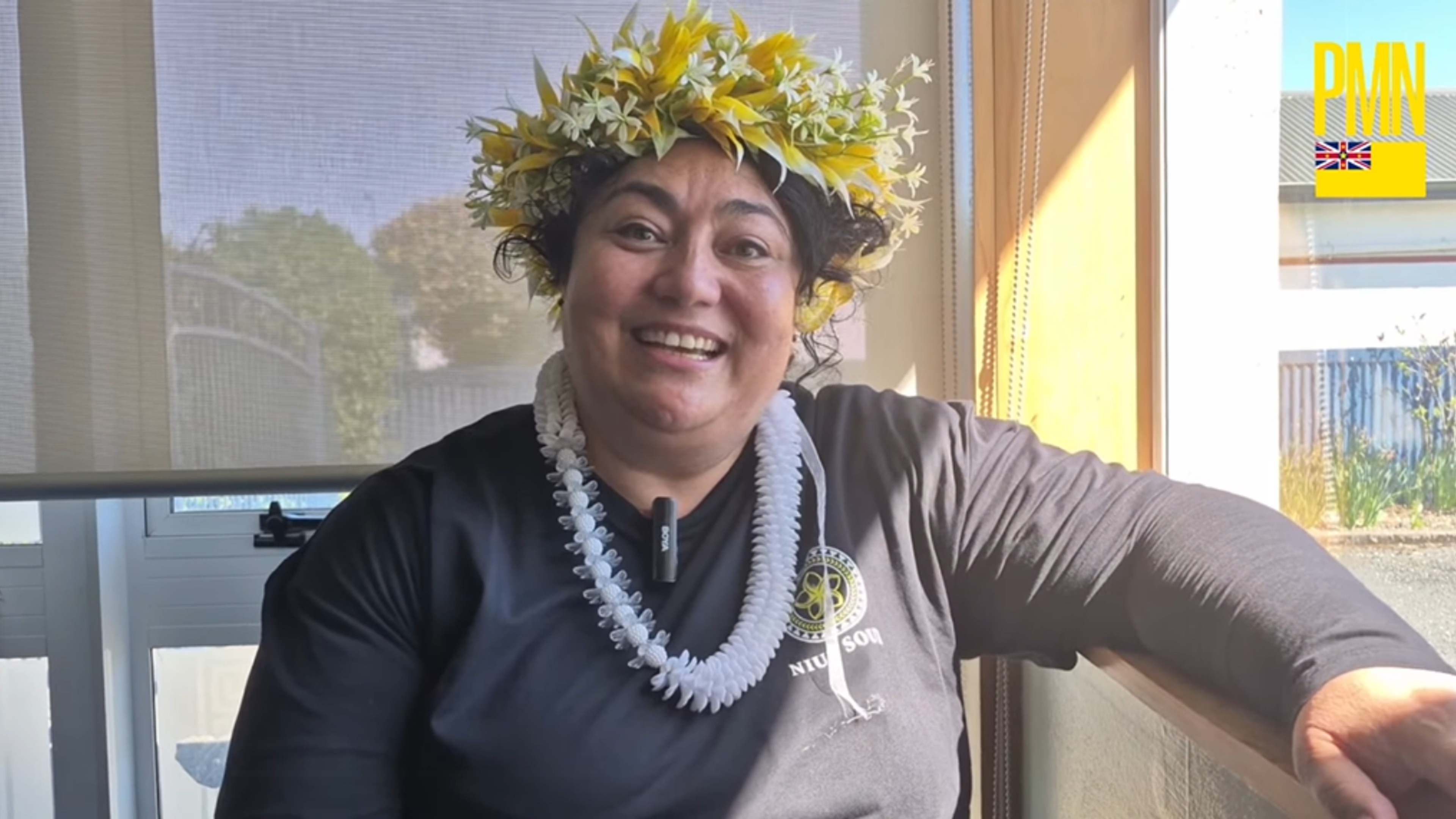
Pacific health leader Dr Anae Neru Leavasa calls the projections a “wake-up call” for Pasifika communities.
Photo/Facebook
Cancer diagnoses in Aotearoa are projected to climb to more than 45,000 a year by 2044, with Pasifika communities disproportionately affected unless targeted early interventions are implemented.



Cancer cases in New Zealand are expected to rise from more than 30,000 cases annually to over 45,000 by 2044, a trend Pacific health leaders warn could deepen existing inequities.
The State of Cancer in New Zealand 2025 report forecasts a 50 per cent increase in annual cancer diagnoses over the next two decades, driven largely by population growth and ageing, placing sustained pressure on the health system.
Pacific people already face worse outcomes, with 1.4 times higher mortality rate than other ethnicities, and 73 per cent of Pacific lung cancer patients are diagnosed only after emergency hospital presentations.
Dr Anae Neru Leavasa, a Pacific general practitioner, says the projections are a “wake-up call”, warning that late diagnosis and access barriers are driving preventable deaths.
“As the numbers grow in the diagnosis, our numbers rise as well, so it is concerning and it's another checkpoint for us to reflect on. Reflect on the current interventions that we're doing, the current screening programmes, so we can try to reduce those rates,” Leavasa says.
Leavasa says emergency presentations often reflect missed opportunities for early detection in primary care.
Listen Dr Anae Neru Leavasa’s full interview below.
“So it's for our clinicians to put their antennas up and always look for red flags. When we have patients come in [who have] a smoking history, we're thinking ‘okay this can turn into a disaster, so we need to [make] sure we're looking for any red flags’.
“We'll start looking at certain symptoms and signs. So for [someone] to end up in the emergency department and diagnosed with lung cancer, that should have been addressed way before. It should have been picked up if they were attending their GP appointments.”
In a press release, Health Minister Simeon Brown says the Government is investing in prevention, early detection and treatment, including the expansion of breast screening, lowered bowel screening ages, and increased investment in cancer medicines and infrastructure.
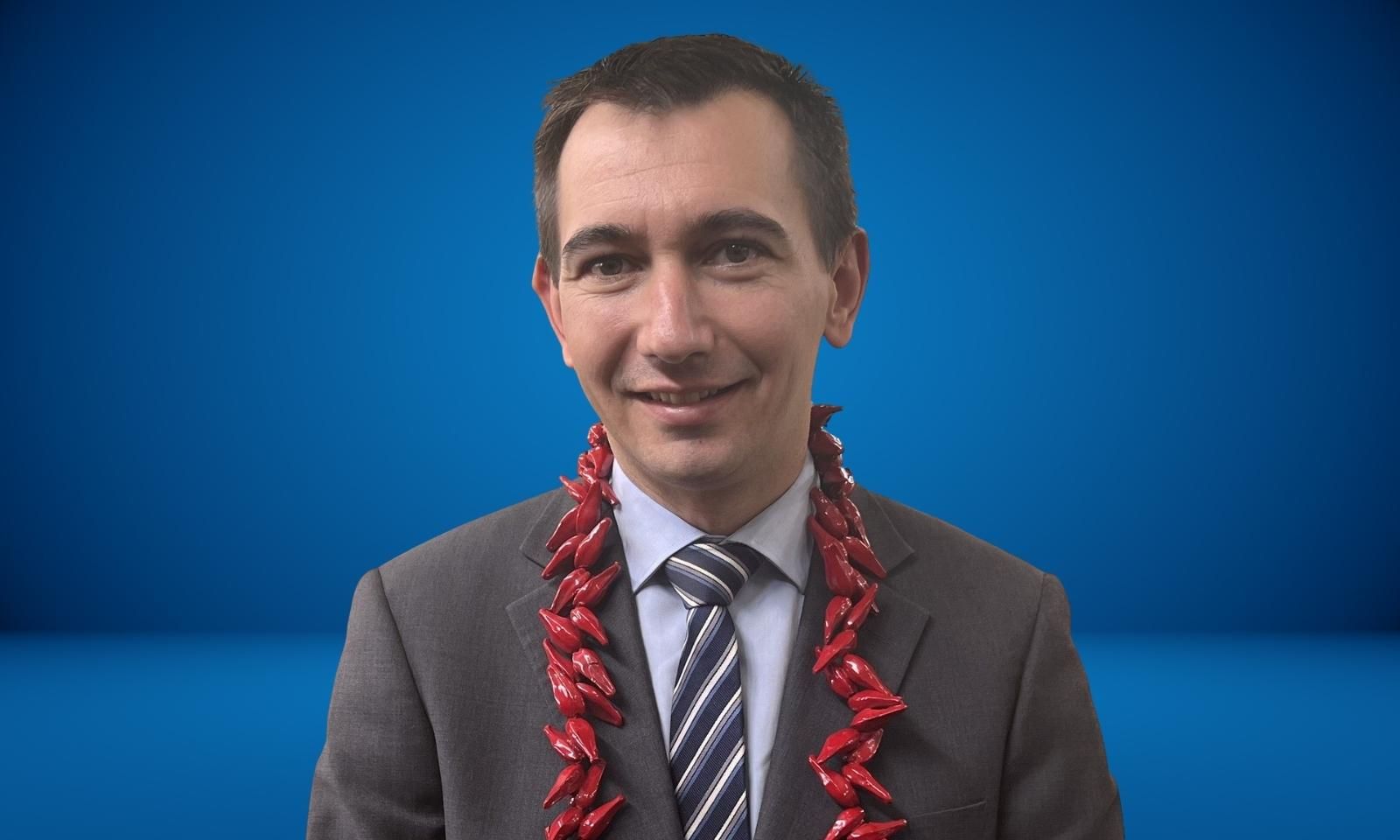
Health Minister Simeon Brown says the government is making progress in prevention, early detection, and treatment. Photo/PMN News/Mary Afemata
“While progress is being made, there is more work to do. The expected growth in diagnoses reinforces the need for a health system that is prepared, innovative, and focused on results,” Brown says.
“We’re committed to building on the progress already made and preparing for the challenges ahead. By continuing to invest in prevention, early detection, and treatment, we can ensure New Zealanders have access to world-class cancer care now and into the future.”
But Leavasa says Pacific participation in some screening programmes remains lower than non-Pacific rates, and argues that eligibility changes alone will not close equity gaps without targeted, culturally tailored outreach.
“There has to be a targeted approach because the [Pacific] participation rates are not high compared to non-Pacific. It’s again tailoring the advertising and comms to match our people. When we look at bowel screening, that should have been lowered to age 45 but the current government only went to 58,” Leavasa says.
According to the 2025 State of Cancer report, bowel screening coverage reached 57.1 per cent nationally by August 2024, but Pacific participation lags behind European and Asian populations, contributing to later-stage diagnosis and poorer outcomes
“We know that our people get diagnosed or get bowel issues much earlier, much younger. So it would have been great to have that lowered even further. We just have to make do with what we have and make sure that we are catching and capturing symptoms early and therefore doing referrals early because the later we leave it, the mortality rates increase.”
Speaking on RNZ’s Morning Report, Te Aho o Te Kahu, Rami Rahal, chief executive of the Cancer Control Agency, echoed the urgency, calling for innovation in cancer care delivery and a focus on reducing inequities for Māori and Pacific people.
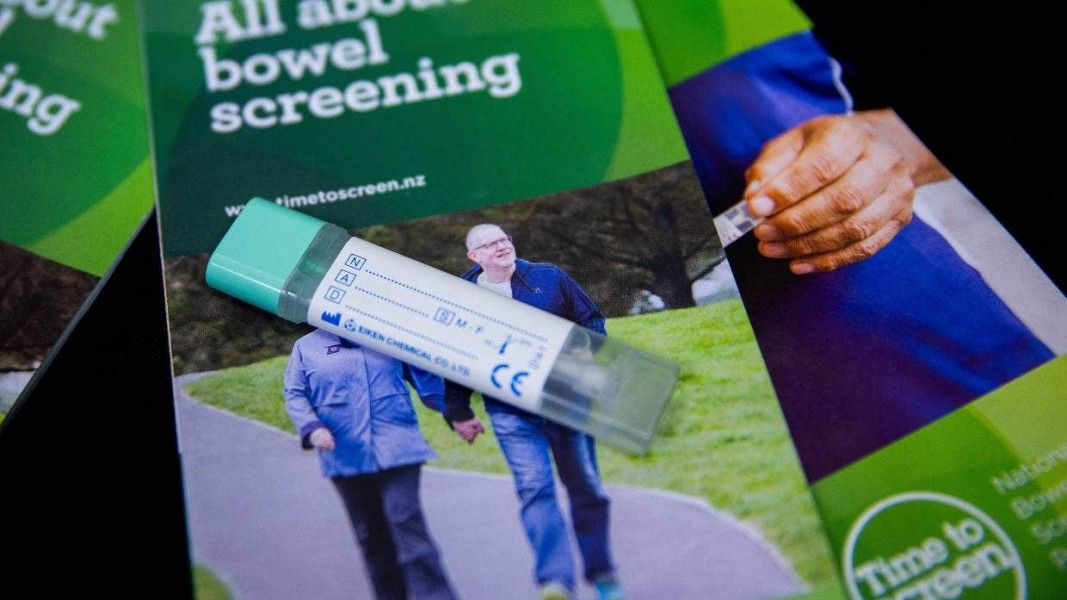
Dr Anae Neru Leavasa calls for the bowel screening age to be lowered to 45. Photo/Ministry for Pacific Peoples
Rahal says reducing inequities for Māori and Pacific people must remain a system-wide priority, warning that prevention and early detection offer the most effective way to curb future diagnoses.
Leavasa says meaningful change requires Pacific-led solutions, including partnerships with churches, community leaders and trusted role models to promote screening, lifestyle prevention and early help-seeking.
“I'm an optimist, so I know that we can change and turn around these statistics. We just need everyone on board really, our community leaders on board. If we're looking at churches that start from the top, so our reverends and pastors and so forth,” Leavasa says.
“And mirroring these lifestyle changes and preventable things so that our community follows suit. We can change these statistics you know. [2044] is some time away but the time is now. We can do it right now.”