Kiribati government pushes back on call to reclaim Tungaru name
Christine RovoiFri, 25 Sep
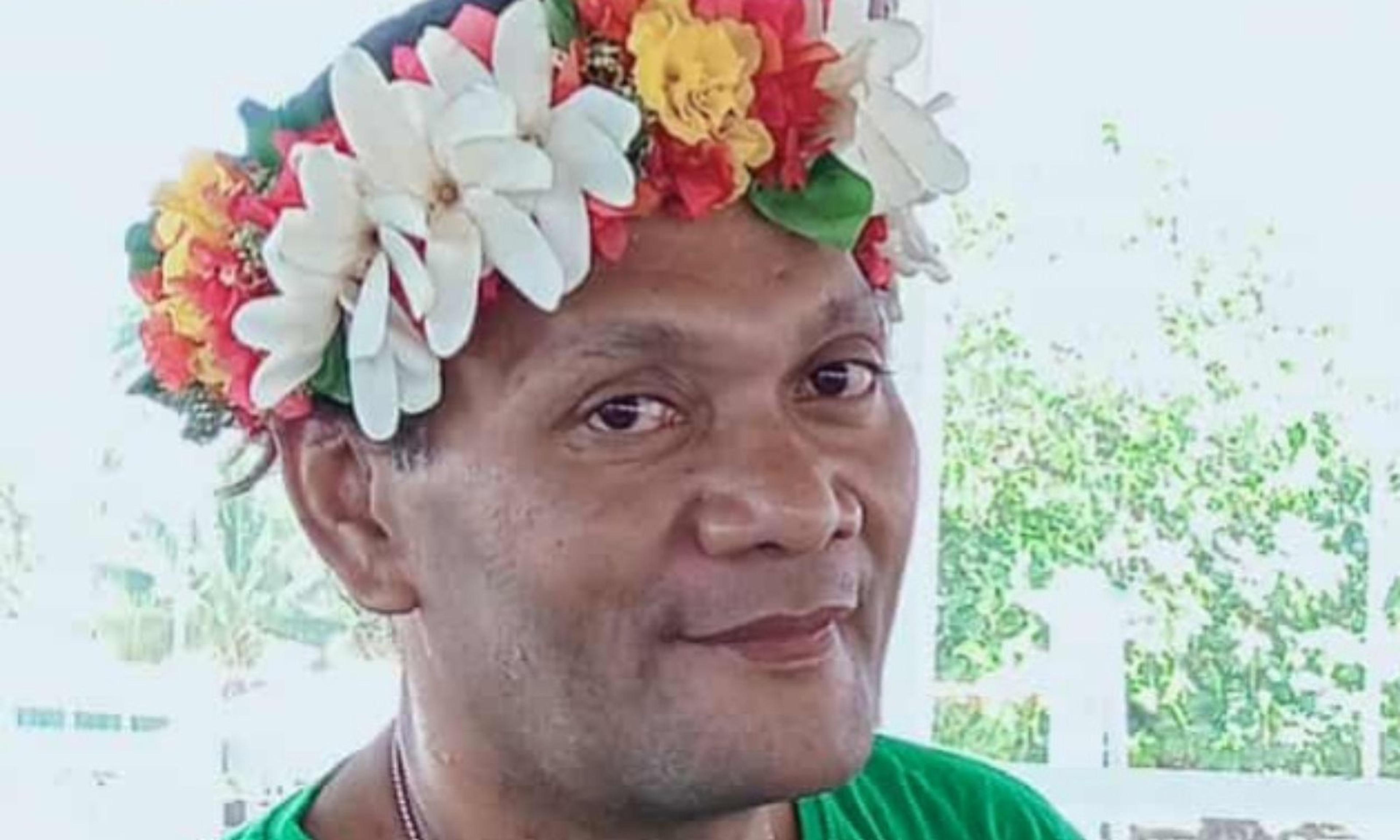
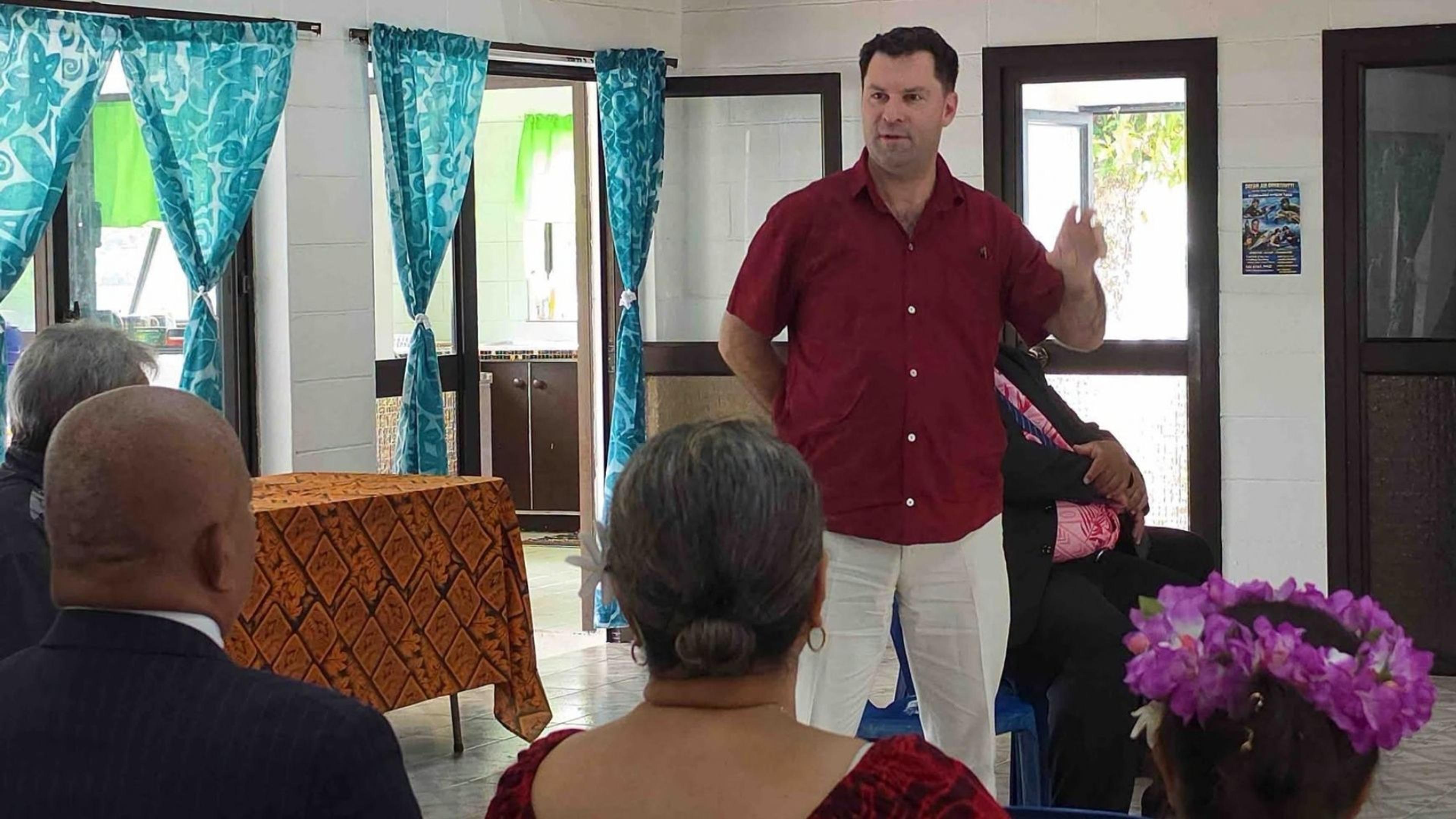
Kaio Tiira Taula, a father and community leader in Tuvalu, survived tuberculosis and now advocates for early testing and treatment.
Photo/Supplied/UNDP
In Tuvalu, tuberculosis is more than a disease. It carries fear and stigma. Kaio Tiira Taula’s story shows how support, honesty, and early treatment can save lives.

This story is based on a United Nations Development Programme (UNDP) Pacific feature on tuberculosis in Tuvalu.
When Kaio Tiira Taula talks about tuberculosis (TB), he speaks quietly, but with hard-earned truth.
TB is a contagious bacterial infection that usually affects the lungs, but can also harm other parts of the body, according to the World Health Organization (WHO). It is preventable and treatable with the right care.
At 40, Kaio is many things: a father of eight, a community leader, a Sunday School teacher and a proud member of Tuvalu’s LGBTQIA+ community through the Akanda Alliance.
He has spent his life caring for others. But when TB entered his own life, everything changed.
“The mentality that I had was TB is a disgusting disease that is incurable," he said. "As a man of many hats, I felt ashamed of myself. I thought people would distance themselves from me if they knew,” Kaio said.
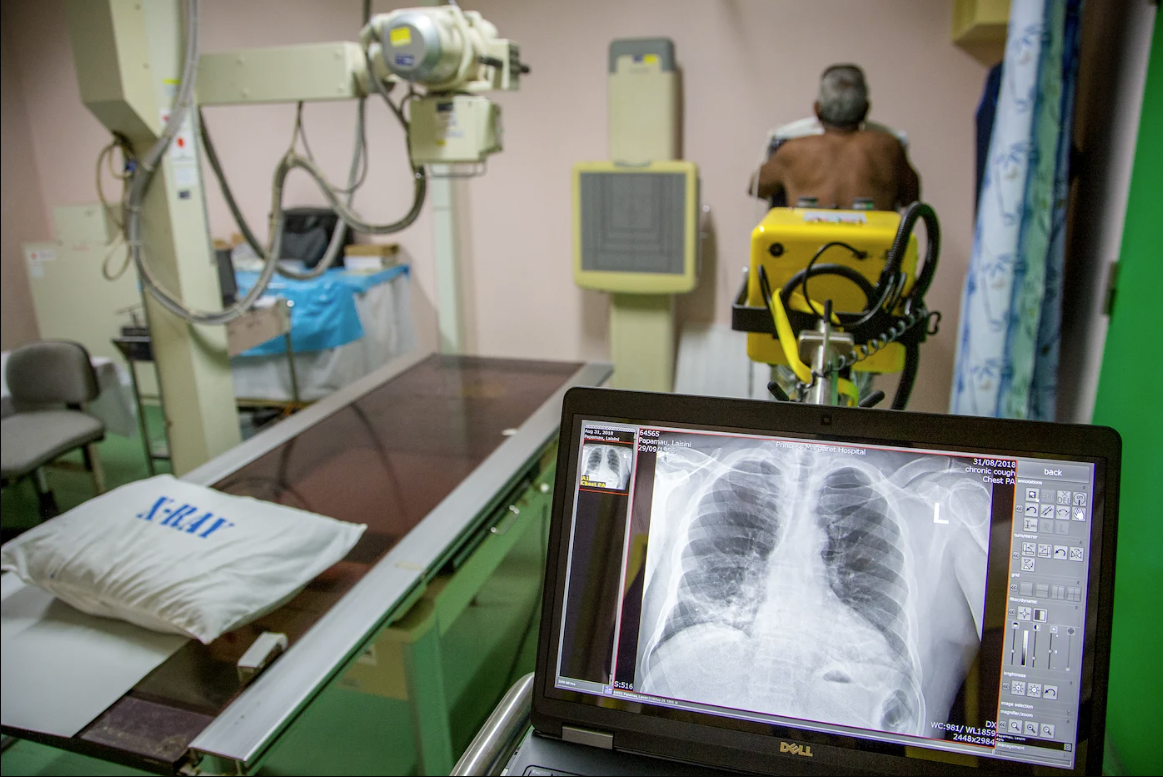
A hospital examining room where patients receive care and TB screenings. Photo/Supplied/UNDP
Fear led to denial. Even after receiving treatment, he struggled to accept his diagnosis.
“I would only drink my medications when my DOT worker was present. If she dropped them off and left, I would not drink them at all.”
As his health declined, so did his daily life. He stepped back from work and community roles. The stigma he feared began to feel real.
“I couldn’t work, nor could I perform as I used to. I took leave and due to my denial, it took longer for me to get back to work. My family started to distance themselves, and I had to do the same with my children to recover. It was painful.”
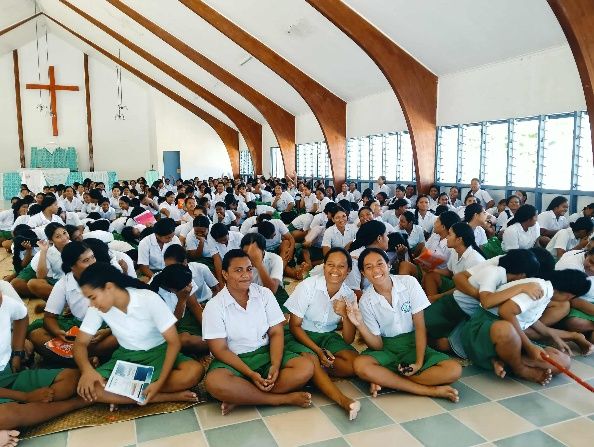
Students in Tuvalu learning about TB awareness and healthy habits as part of community outreach programmes. Photo/Supplied/UNDP
A turning point
Everything changed when his son was diagnosed with TB.
“A sudden turn of events happened that turned the table around. My son was also diagnosed with TB," Kaio said. "I totally blamed myself. From then on, we continued treatment together.”
Father and son went through treatment side by side, supported by health workers in Tuvalu.
“The nurse and the whole team helped us. Sometimes, even in the middle of the night, I would send my DOT worker questions. They answered everything beautifully. They made it possible to have fresh fruits and food items to supplement my body.”
With care, support and commitment, they both recovered.
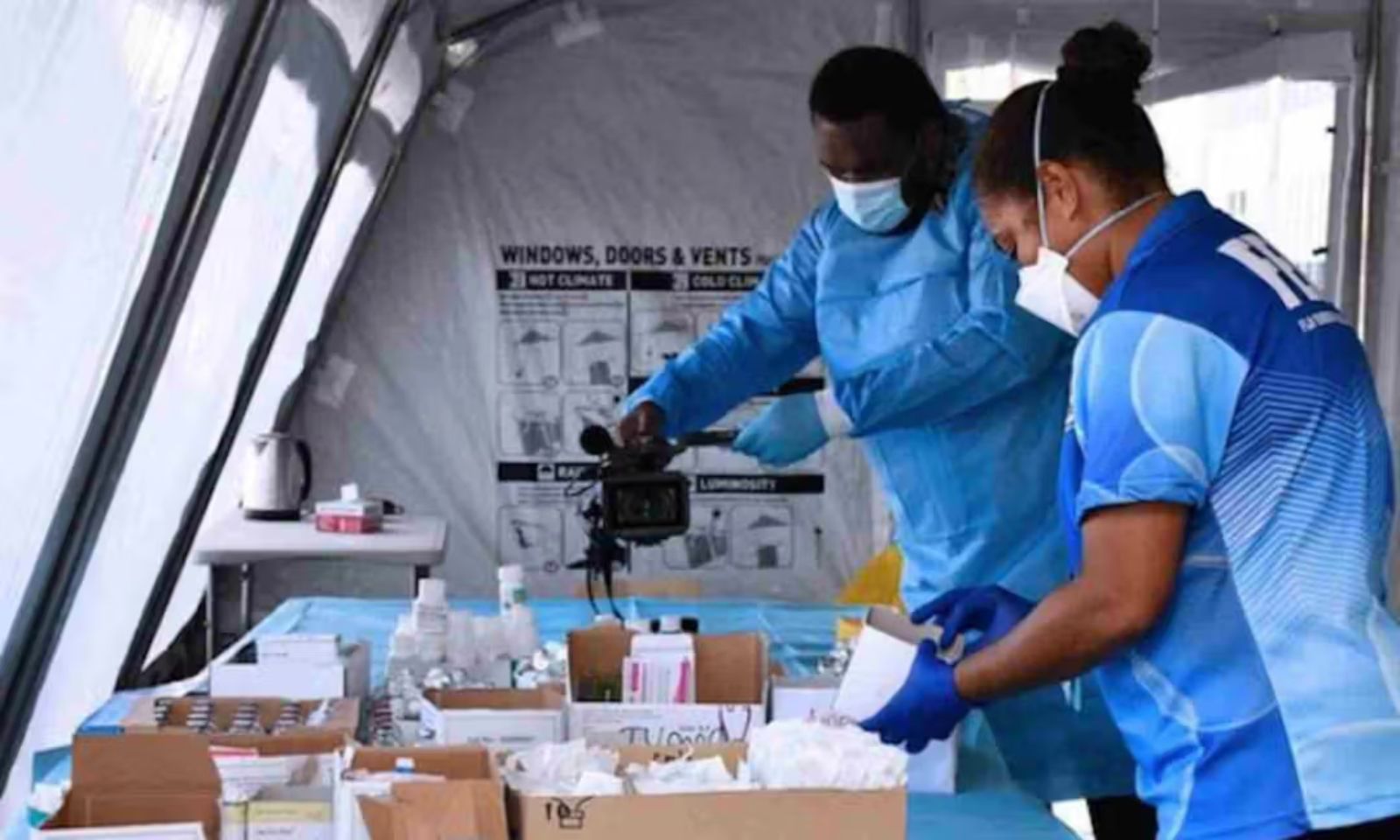
Health teams visit remote island villages, bringing testing, medicines, and education to the community. Photo/Fiji Ministry of Health and Medical Services/file
A wider challenge in Tuvalu
Kaio’s experience reflects a bigger picture. TB remains a serious public health issue in Tuvalu, with an incidence rate of 250.94 per 100,000 people and a treatment success rate of 85 per cent.
Progress has been made, especially in testing and treatment. But challenges remain, including stigma, late diagnosis and the need to reach people across remote outer islands.
Across the Pacific, TB continues to challenge island nations, with incidence rates in some areas exceeding 180 per 100,000 people, and even higher in places like Kiribati and Papua New Guinea, underscoring the ongoing TB challenge in the region.
This, according to the WHO, highlights the need for stronger prevention, testing, and treatment programmes.
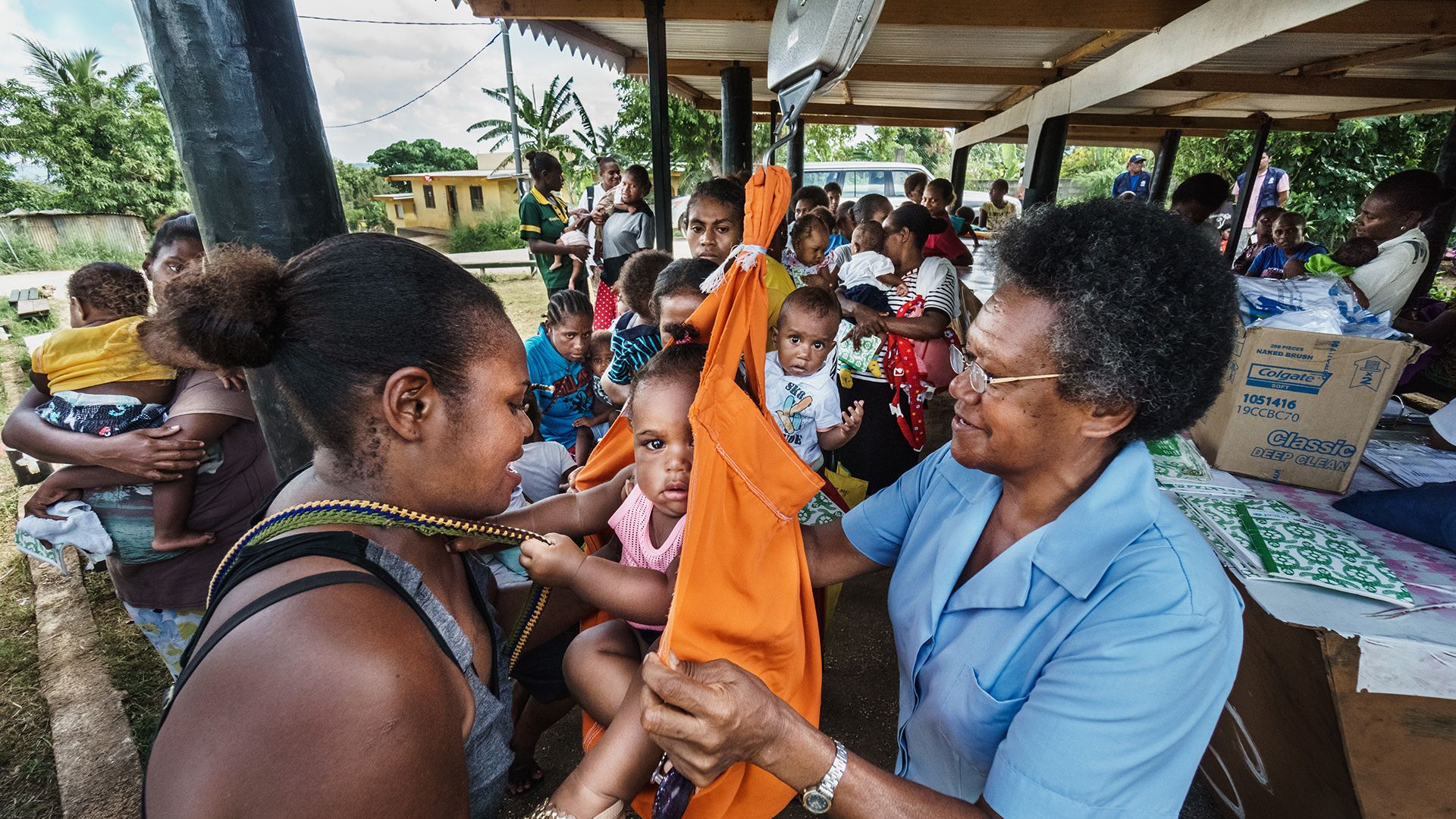
Life in the Pacific islands is vibrant and resilient, with communities working together to tackle health challenges like tuberculosis. Photo/WHO/Yoshi Shimizu
Reaching communities across the Pacific
Through support from the Global Fund, UNDP is working with the Government of Tuvalu to strengthen TB services and reach more communities.
This includes improving access to testing, expanding outreach to outer islands, and ensuring a steady supply of medicines so patients can complete treatment without interruption.
New tools such as digital X-rays and GeneXpert machines are also helping health workers detect TB faster and more accurately. At the same time, community awareness and contact tracing are helping to stop the spread.
'Get tested'
Today, Kaio is speaking out so others do not go through the same fear and delay. “TB is curable. If you love your family, then start by getting to know your status. Get tested.”
His message is simple but urgent. TB is not a curse. It is a disease that can be treated and cured if people come forward early.
Kaio’s story is about more than illness. It is about facing fear, accepting help, and finding strength in family and community.
Ending TB in Tuvalu will take all of us: from health workers to families to community leaders. But stories like Kaio’s show that change is possible, and hope is real.