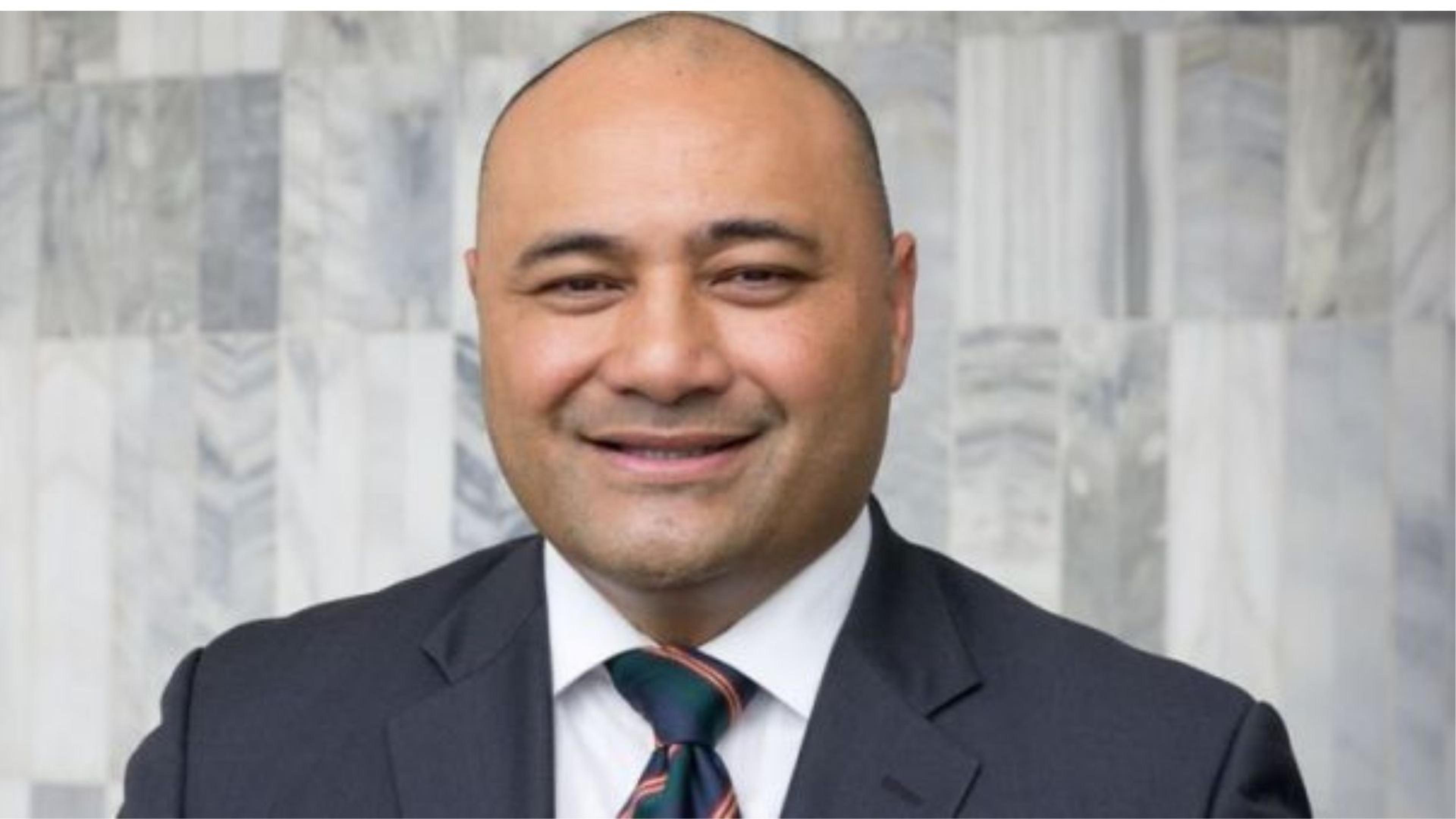
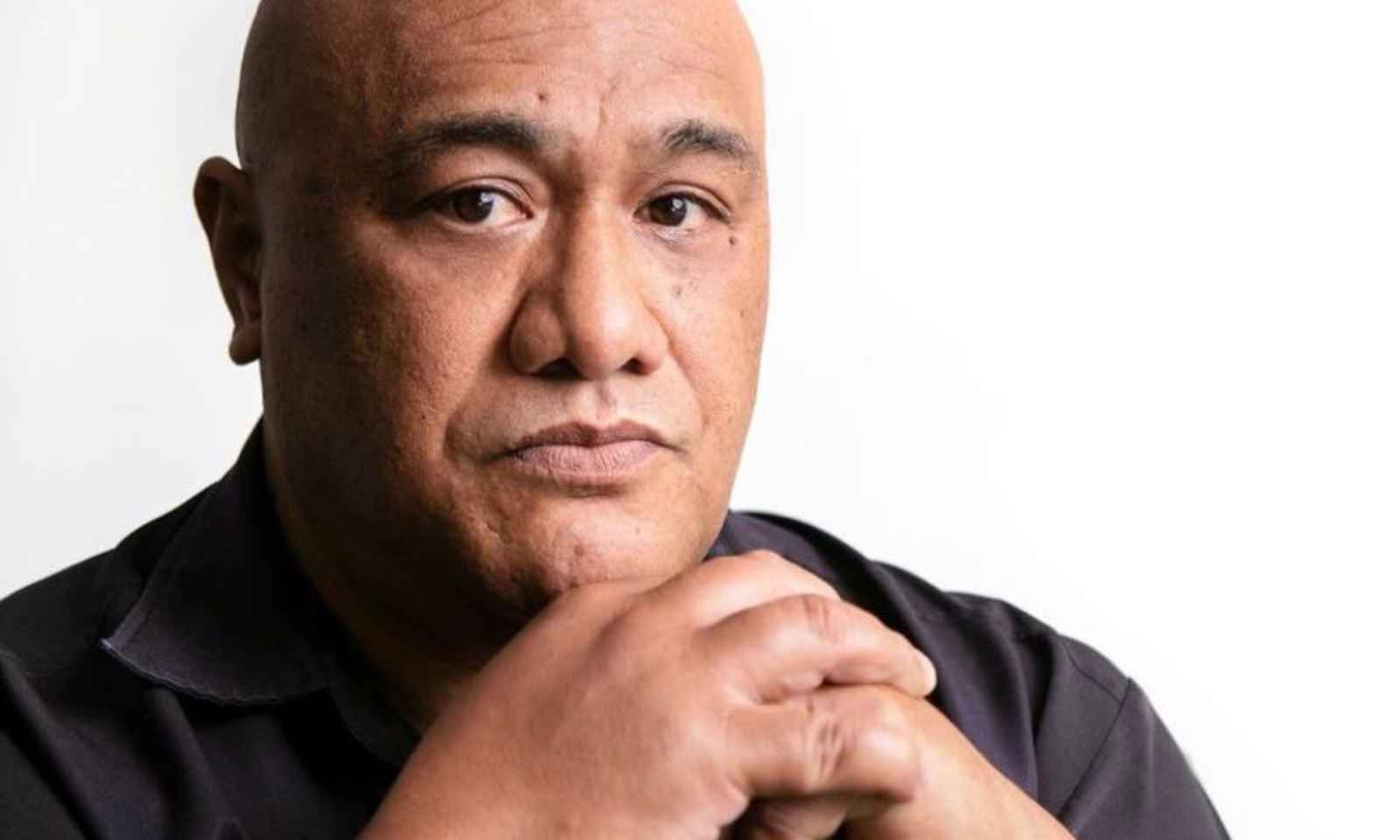
Peseta Sam Lotu-Iiga has joined The Cause Collective as Executive Director, Strategy and Transformation, bringing his experience in government and education to the Pacific-led organisation.
Photo/Manukau Institute of Technology
Health
Former Pacific minister takes frontline role as health commissioning shifts across Aotearoa
Peseta Sam Lotu-Iiga has joined The Cause Collective as it takes on a bigger role in Pacific health and social services with a new model promising to put more decisions closer to Pasifika families.

PMN News
Published
24 August 2026, 12:23pm
Share
Copy Link
Top stories
Fiji declares national HIV emergency as the govt changes tack
Elenoa TuragaiviuWed, 16 Sep
Record NZ travel puts Pacific tourism in strong position - SPTO
Khalia StrongFri, 18 Sep
Top stories
Fiji declares national HIV emergency as the govt changes tack
Elenoa TuragaiviuWed, 16 Sep
Record NZ travel puts Pacific tourism in strong position - SPTO
Khalia StrongFri, 18 Sep
A former Pacific Peoples Minister is now working on the other side of the government funding system.
Peseta Sam Lotu-Iiga is helping shape how Pacific health and social services are delivered to communities.
The 55-year-old Sāmoan-born New Zealand commercial lawyer and financial analyst joins the Cause Collective as Executive Director, Strategy and Transformation as the Pacific-led organisation takes on the Pacific Whānau Ora commissioning role through Tātou Collective.
In March 2025, the Government selected The Cause Collective as the preferred provider to commission Whānau Ora services for Pacific families, in a move aimed at putting more decision-making closer to communities.
Peseta's appointment, announced by The Cause Collective on 11 August 2026, puts a former National Cabinet minister closer to the frontline at a time when Pacific organisations are being asked to deliver better outcomes with public funding.
In an interview with William Terite on Pacific Mornings, Peseta says his role is to help shape the organisation's next 10 years.
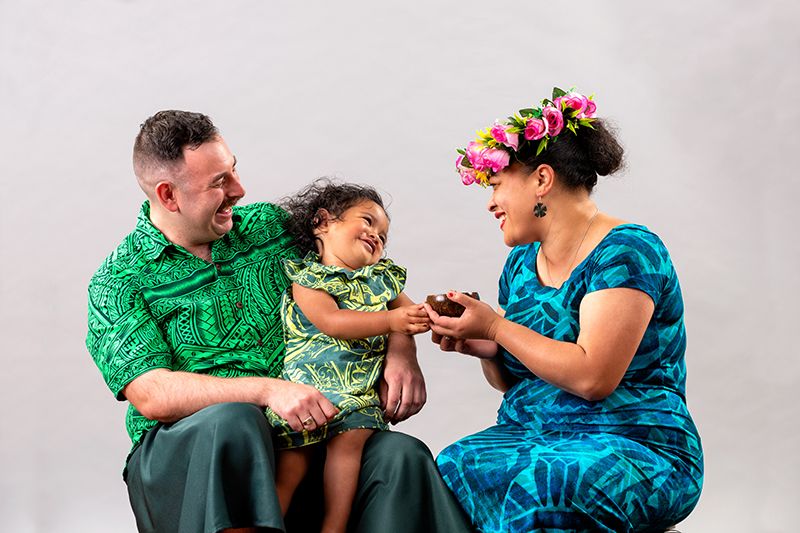
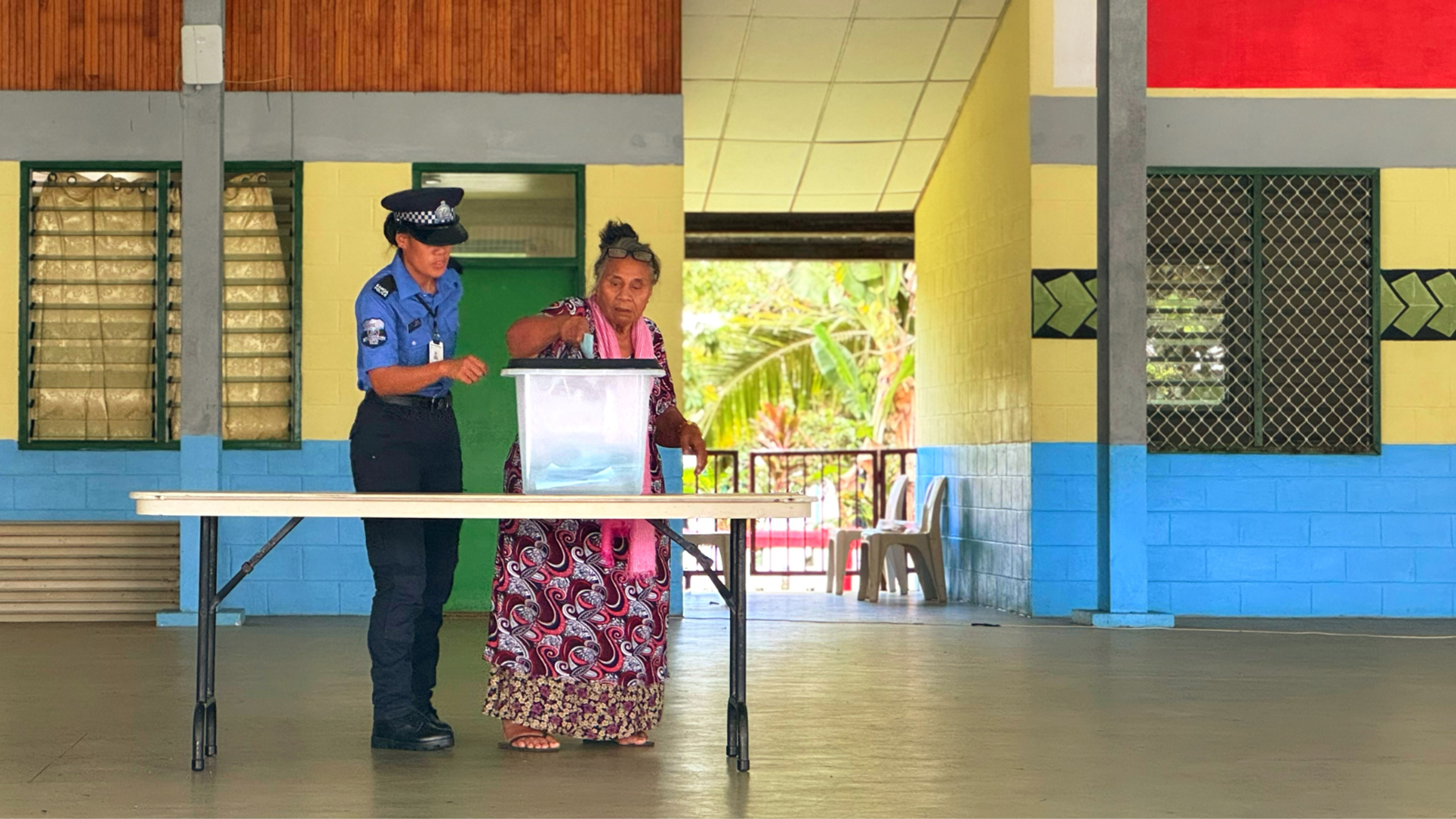
Pacific health and social services are at the centre of a new commissioning model aimed at bringing decision-making closer to Pacific families and communities. Photo/University of Otago/Ōtākou Whakaihu Waka
"Strategy is to you know have a vision for where we want to be in the next 10 years."
The Cause Collective operates 48 clinics across Auckland with about 166,000 patients while Tātou is focused on commissioning services for Pacific whānau.
In a statement, Tātou chair Leopino Foliaki said the new model is intended to change where decisions are made.
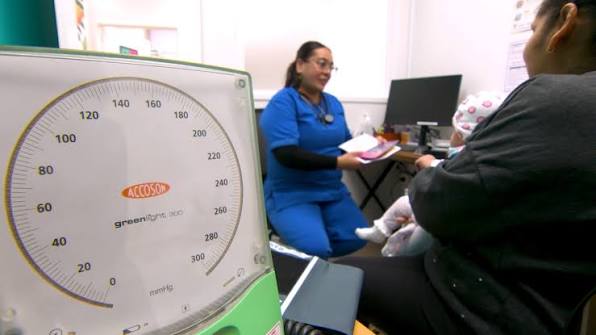
The Cause Collective operates 48 clinics across Auckland, providing health services to about 166,000 patients. Photo/The Cause Collective
"We will do this by shifting resources and decision-making closer to Pacific whānau, ensuring services are culturally grounded, data-informed, and whānau-led."
Peseta says that means looking beyond health alone. "At the heart of it is that we serve our people, that we improve our outcomes, not just in the health space.
"But we're finding more and more across Aotearoa that, you know, people have needs that aren't just health-based, but they're, you know, social services."
He says those needs are also linked to employment, education and household incomes.
"And ultimately it's economic as well because you want to improve their lives so they get better jobs and look after their families better."
Cause Collective chief executive Rachel Enosa says Peseta brings experience from government and the education sector that will be useful as the organisation looks ahead.
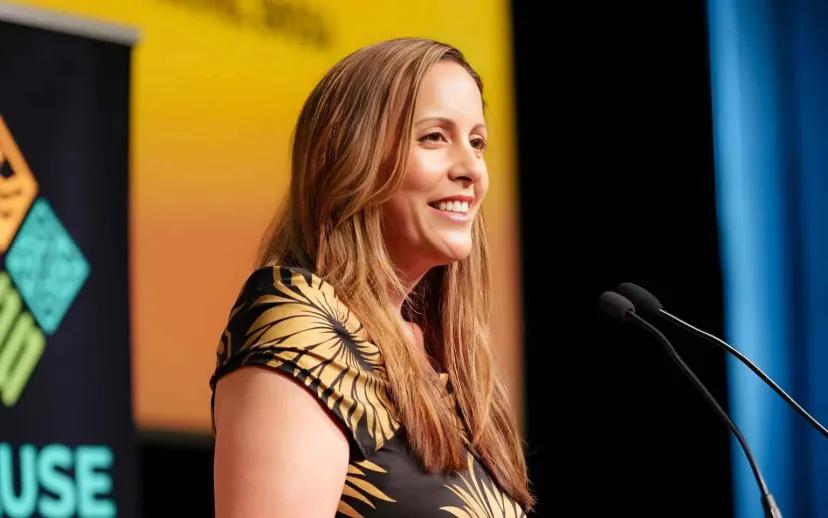
Cause Collective chief executive Rachel Enosa says Peseta Sam Lotu-Iiga brings experience in government and organisational transformation to the organisation. Photo/The Cause Collective
She said his appointment comes as the organisation looks to "strengthen its impact and reach across Pacific communities".
When the commissioning change was announced in March 2025, Tongan community leader Pakilau Aotearoa Manase Lua said the new provider would need to learn from what came before and make sure Pacific communities had a real say.
"But whoever takes over must learn from past experiences - both the successes and the missed opportunities."
Pakilau said accountability needed to go beyond the leadership of the organisation.
"Real accountability comes from structures that ensure community input and decision-making, not just leadership at the top."
He said the change was an opportunity to build a model that genuinely belonged to Pacific communities.
Tongan community leader Pakilau Aotearoa Manase Lua has said Pacific communities need a real say in decisions about the services they receive. Photo/Supplied
"This is an opportunity to create a model that truly belongs to the community. The new providers must work directly with the grassroots, not just with a select few."
But Peseta's political background also raises questions about how he will approach government funding and policy.
He says he still has relationships across Parliament including with National, Labour and the Greens.
"Irrespective of what government's in play and you're right, I have strong relationships on all sides of the house, in fact."
But he says his new role is not to publicly comment on government policy. "I tend to focus on the job that's at hand and my role within the organisation is not to speak, to go out and talk about the government policy."
Instead, he says the organisation's responsibility is to advocate for what Pacific communities need. "We serve our community, that's who we're answerable ultimately to."
Listen to Peseta Sam Lotu-liga's full interview below.
The test will be whether the new commissioning model delivers changes Pacific families can actually see.
Peseta says that, within 12 months, he wants people using the organisation's services to be moving into meaningful work and further education, alongside continued improvements in access to health care.
"Twelve months from now, those that are walking through our doors will be in meaningful employment."
He says the organisation will also keep working to improve access to care so Pacific people can live healthier lives.
For Pacific families, the measure of the change will ultimately be whether those promises translate into better services, better access and outcomes rather than another change in who manages the funding.