
Emergency savings gap highlights need for stronger financial protection for Pasifika
Aui'a Vaimaila Leatinu'uThu, 06 Aug
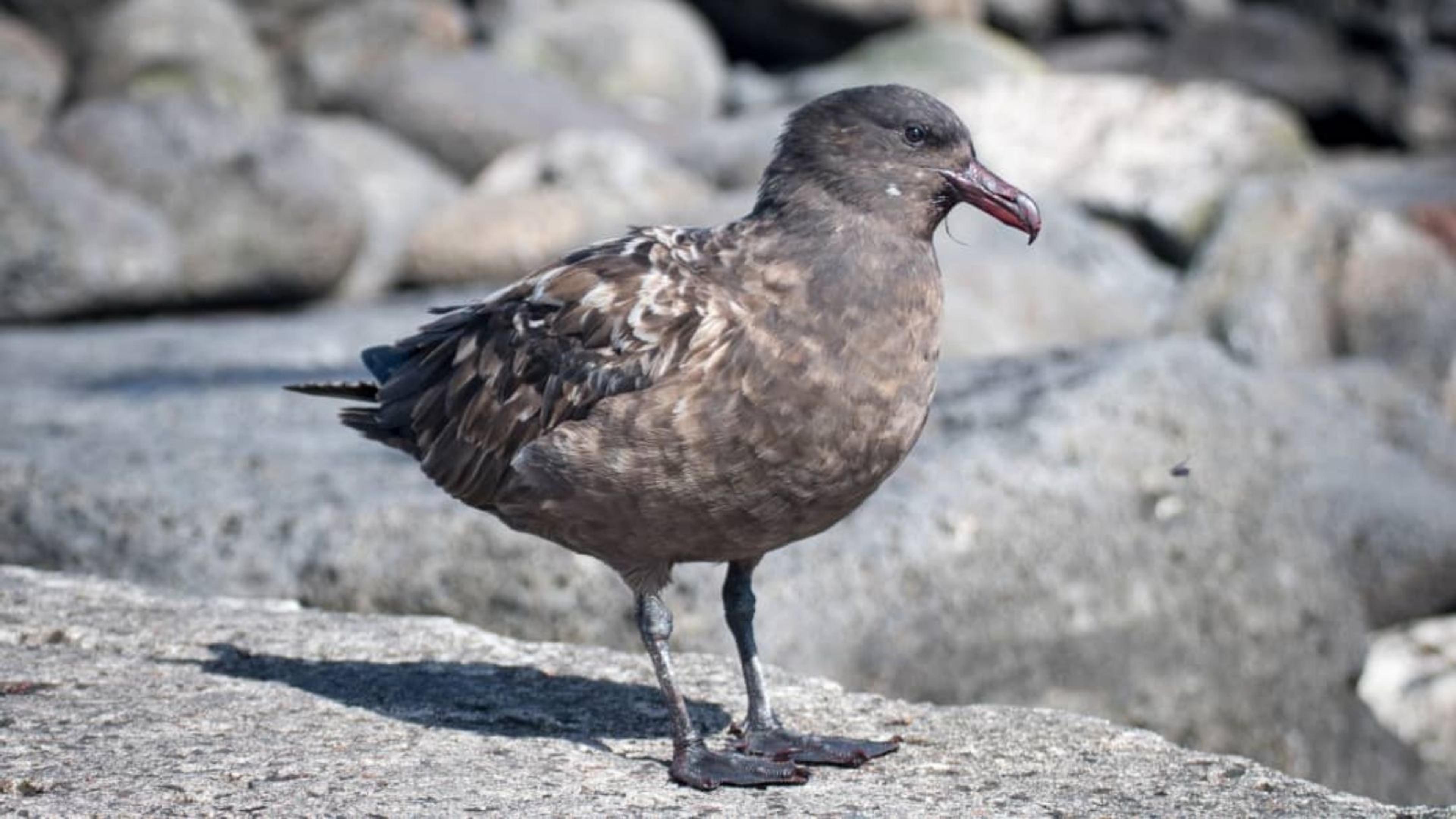
A brown skua or hākoakoa found on Petone Beach in Wellington has become the first bird in New Zealand to test positive for the H5N1 strain of bird flu. Officials say the public health risk remains low but are urging people not to handle sick or dead birds.
Photo/Wikemedia Commons/Antonie Lamielle
A single seabird found in Wellington has tested positive for H5 bird flu, but officials say the public health risk remains low and there are no signs the virus has spread to poultry or other birds.



New Zealand has recorded its first case of H5 bird flu after a brown skua or hākoakoa found on Petone Beach in Wellington tested positive for the virus.
Biosecurity Minister Andrew Hoggard says the discovery is being closely monitored but there is currently no evidence of wider spread among wild birds, farms or poultry.
For Pacific families across Aotearoa, the message from authorities is clear: there is no need to panic but people should avoid touching sick or dead birds and report unusual bird deaths.
“This is a coastal detection in an individual ocean-going seabird and there is no evidence of any mass mortality in wildlife or transmission between wild birds in New Zealand. There has been no detection in poultry,” Hoggard said in a statement.
The strain detected is H5N1 avian influenza, a strain that has been spreading globally and has affected wild birds, poultry and some mammals in other countries.
Officials say the virus is considered a low health risk to people because human infection is rare and usually linked to direct, close and prolonged contact with large numbers of infected birds.
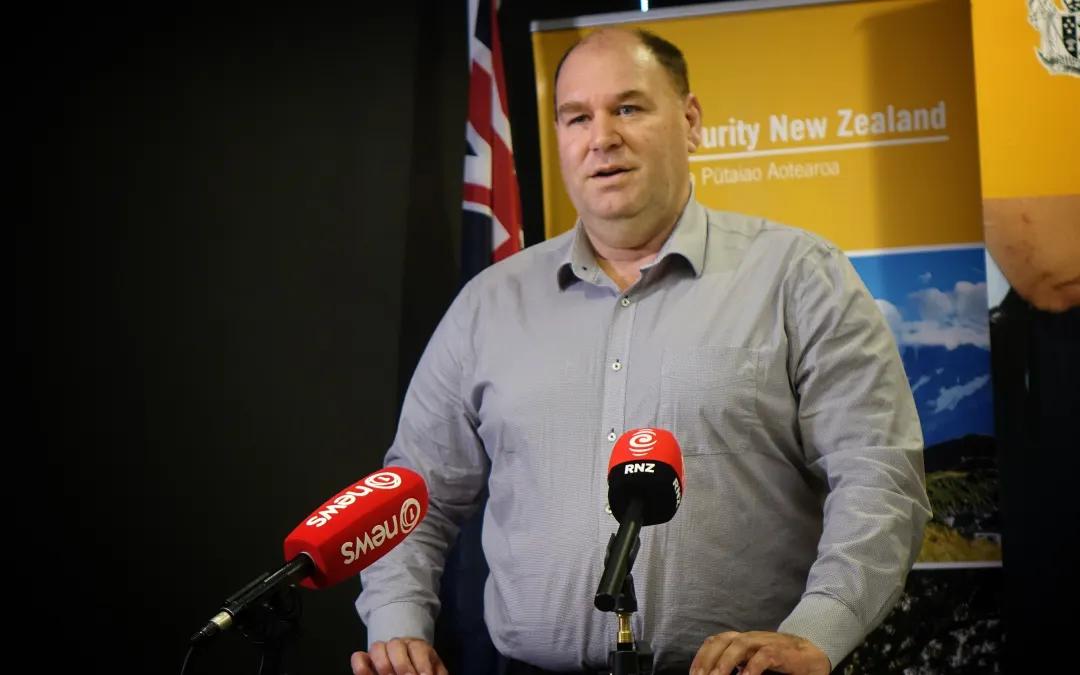
Biosecurity Minister Andrew Hoggard says New Zealand is well prepared to respond to H5 bird flu and is urging the public to report groups of sick or dead wild birds while authorities continue to monitor the situation. Photo/RNZ/Kim Baker-Wilson
Eggs and poultry products remain safe to eat.
Hoggard said government agencies are working together to monitor the situation and protect New Zealand’s food supply and wildlife.
“The situation is being closely monitored but at this stage there is no evidence of any illness beyond this seabird,” he said. “We ask the community to be alert and follow advice about reporting sick or dead birds. It is vital that people do not touch or handle unwell birds.”
The Ministry for Primary Industries (MPI), Department of Conservation, Ministry of Health, Health New Zealand, local councils and industry groups are working together on the response.
MPI says it has been preparing for the arrival of H5 bird flu including working with the poultry sector on biosecurity plans to reduce the risk to chicken and egg production.
While there are no detections in poultry at this stage, farmers and backyard poultry owners are being reminded to strengthen hygiene measures around their birds.
Officials say New Zealand may see similar patterns to Australia where individual coastal birds have tested positive without evidence of widespread outbreaks.
Many Pacific communities have strong connections to food gathering, the land and the ocean, and officials say the key message is awareness and reporting.
People should not pick up or move sick or dead birds.
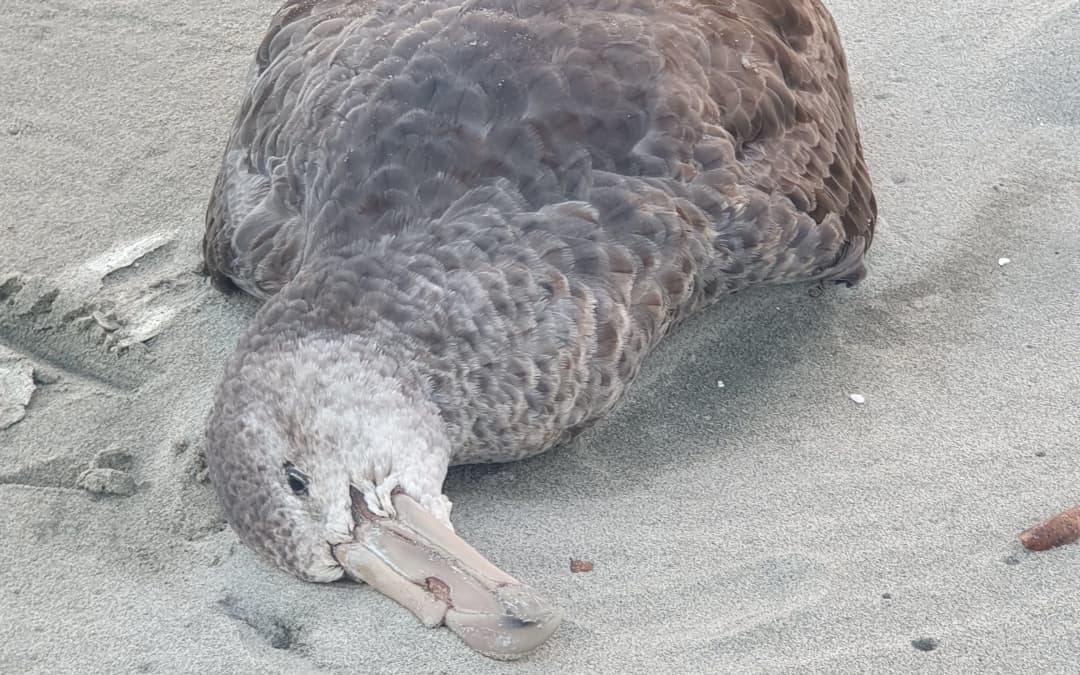
A giant petrel found on Farewell Spit on 1 July 2026 is likely to have died in a storm, but was tested for H5 bird flu virus after recent cases in Australia. Photo/Sarah Fisher/Pest Free Onetahua
MPI is asking people to report groups of three or more sick or dead wild birds by calling the exotic pest and disease hotline on 0800 80 99 66.
Reports should include details such as the type of bird, the number affected, the location, and photos or videos if possible.
The Department of Conservation has also started a vaccination programme for 300 breeding birds from some of New Zealand’s most endangered species, including kākāpō, takahē and black stilt, as an added protection measure.
Officials say surveillance will continue as Aotearoa works to understand how the virus behaves and protect wildlife, communities and the country’s food supply.
More information about H5 bird flu and the work New Zealand is doing to prepare is available at mpi.govt.nz/hpai.