Niuean family takes on 3000km Te Araroa trail
Aui'a Vaimaila Leatinu'uWed, 02 Sep
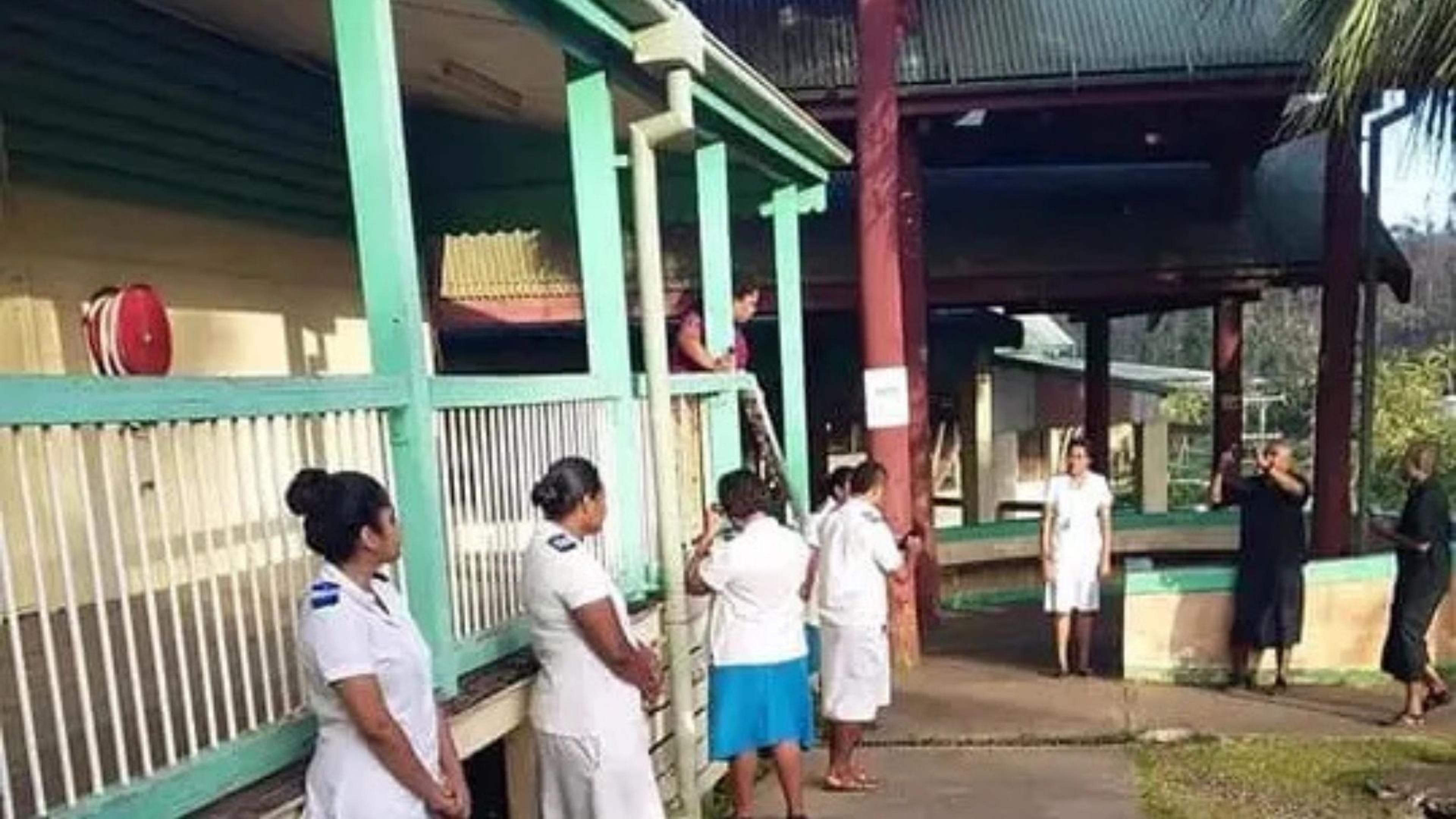
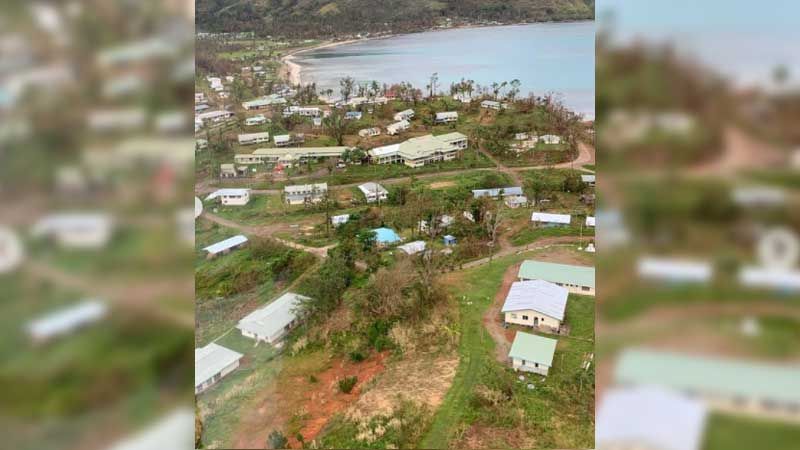
Vunisea Hospital on Kadavu where families have raised concerns about the lack of a fully functional mortuary facility.
Photo/Ministry of Health & Medical Services, Fiji
Officials plan to install 10 solar-powered mortuaries across the country after reports raised concerns about the handling of human remains in remote communities.

Content warning: This story contains references to infant death and the handling of human remains.
The Fijian government is set to install 10 new eco-mortuaries after claims raised on social media about the handling of human remains on Kadavu Island including distressing allegations involving the storage of a baby’s body.
The claims were made in a Facebook post by local residents who described personal experiences involving his family. His account has not been independently verified.
In his post, Vuniwai wrote: “Early last year, my cousin lost a baby after a short illness. In the midst of grief, the family was told the baby would be held by police pending a post-mortem.
“The next day, another cousin went to Vunisea [Hospital] to see the baby. What he found shocked him. The baby had been placed inside an esky, packed to the brim with ice.
“Just imagine that for a moment. No family should ever have to experience that. It is heartbreaking. It is undignified. And it should never happen in any hospital, anywhere in Fiji.”
Vuniwai also claimed another incident involved the body of a church pastor, which reportedly began leaking during transport by boat to Suva.
In response, Assistant Health Minister Penioni Ravunawa told RNZ Pacific that tenders have been approved for new mortuary facilities in Kadavu and at several sub-divisional hospitals across Fiji including Levuka, Nabouwalu, Naqali, Navua, Nayavu, Savusavu, Taveuni, Vunidawa and Wainibokasi.
But Ravunawa said final approval from the Office of the Solicitor-General is still required - a process that could take six to eight months, the report said.
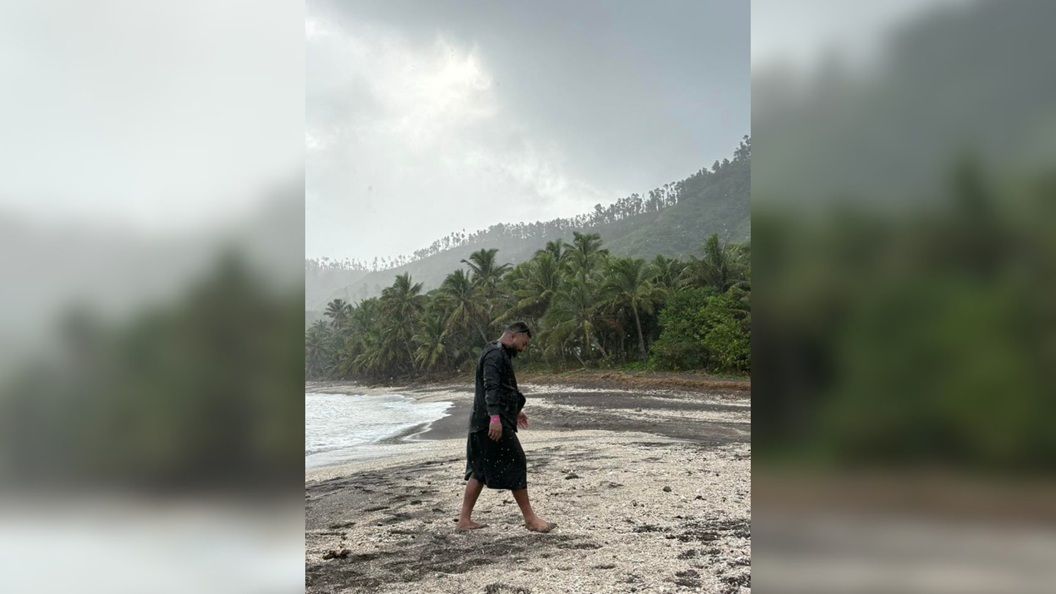
David Vasu Vuniwai, who raised concerns on social media about the handling of human remains on Kadavu.
He said providing mortuary services in maritime regions remains a challenge due to power limitations and cost pressures.
“The existing mortuary [on Kadavu] remains non-operational due to ongoing power supply limitations," he said. "While Vunisea Hospital has a backup generator, it does not have sufficient capacity to support mortuary operations."
He added that the planned facility would only serve part of the island and is unlikely to be operational for at least a year.
“Running a mortuary there will not be easy because it will continue to consume power if we have to rely on a diesel generator," he said.
"The government is looking at sustainable facilities that use renewable energy such as solar and wind power and desalination."
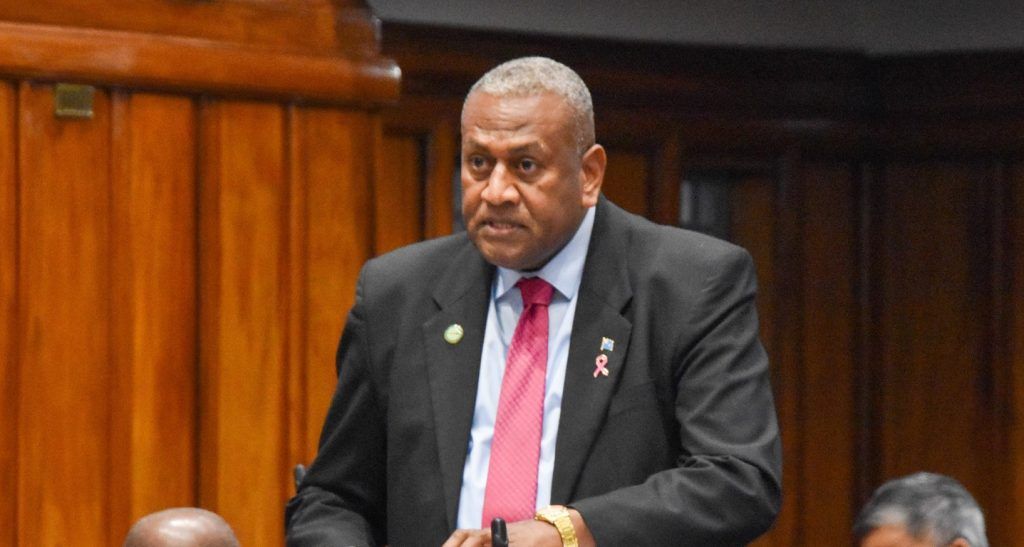
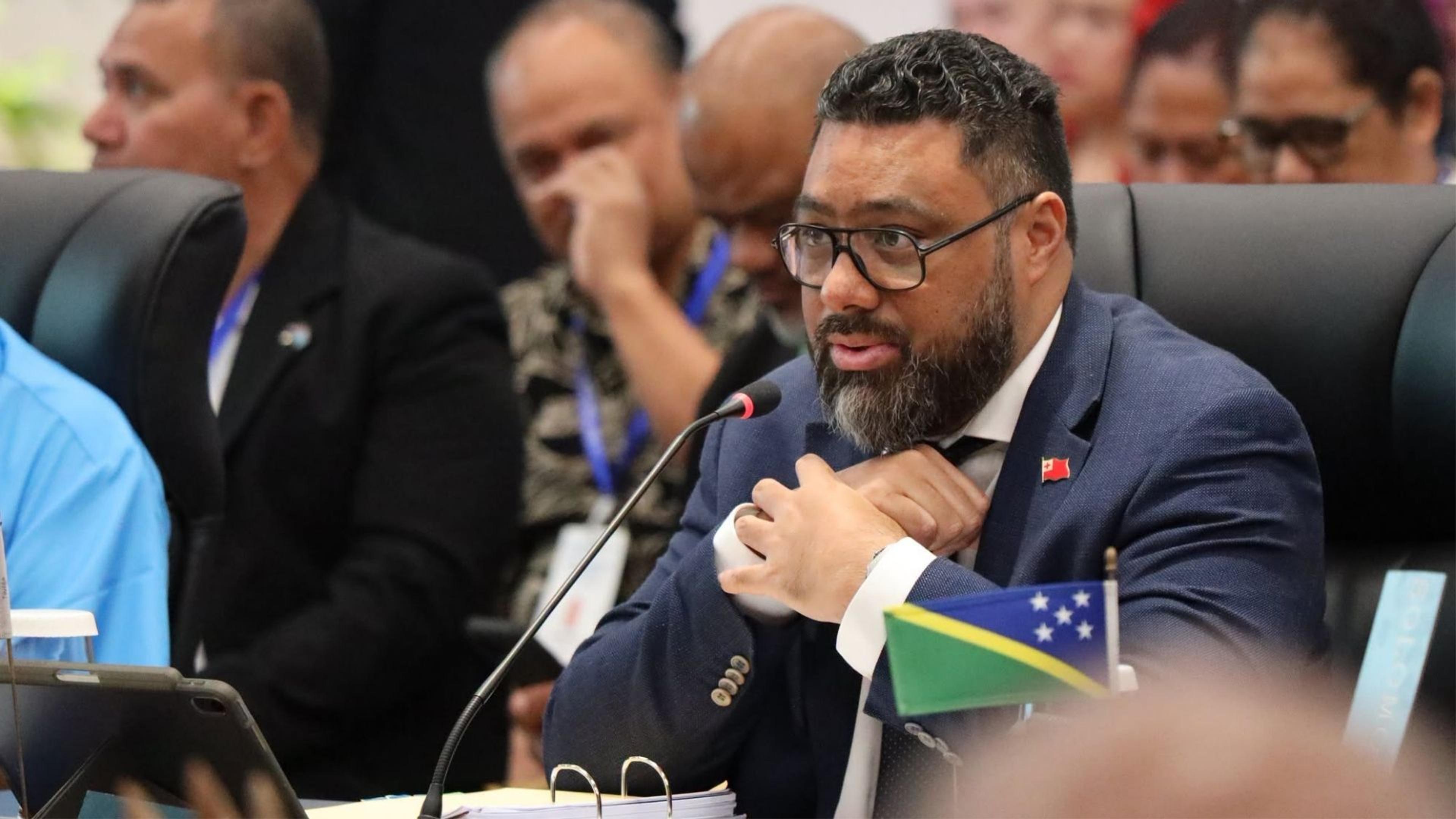
Assistant Health Minister Penioni Ravunawa, who confirmed new mortuary facilities are planned across Fiji’s islands. Photo/Fiji Parliament
He also said discussions have been held with a solar supplier in Nadi capable of remotely monitoring and controlling mortuary temperatures.
“We are looking at options [like shipping containers] that can easily be moved on trucks or hidden during cyclones.”
Ravunawa said many Fijians still prefer traditional same-day burials. But he adds that attitudes are gradually changing as families seek more time to gather.
“Mortuaries are part of Western culture; in the past we never [had] them, they are not part of our culture. But people are adopting the idea quickly to give relatives time to travel to funerals on outlying islands,” he said.
He said demand for proper mortuary facilities is increasing in maritime communities where access to services is limited.
Tavuki District representative and vanua spokesperson Viliame Laugasau says Kadavu communities have long lived without a functioning mortuary. Photo/Instagram
The situation has also drawn comment from local traditional leaders.
Tavuki District representative and vanua spokesperson, Viliame Laugasau, told The Fiji Times that Kadavu communities had been living without a functioning mortuary for years.
"Our people have been without a mortuary for a long time. That is the practice right now. It is a sad reality we have been living with."
Laugasau said work was continuing to improve facilities at Vunisea Hospital. "Right now, as we speak, renovation works at the Vunisea Hospital are almost completed.
"The only thing that is left is the mortuary. The contractors and company responsible for that are working to complete that part before we do the official opening."
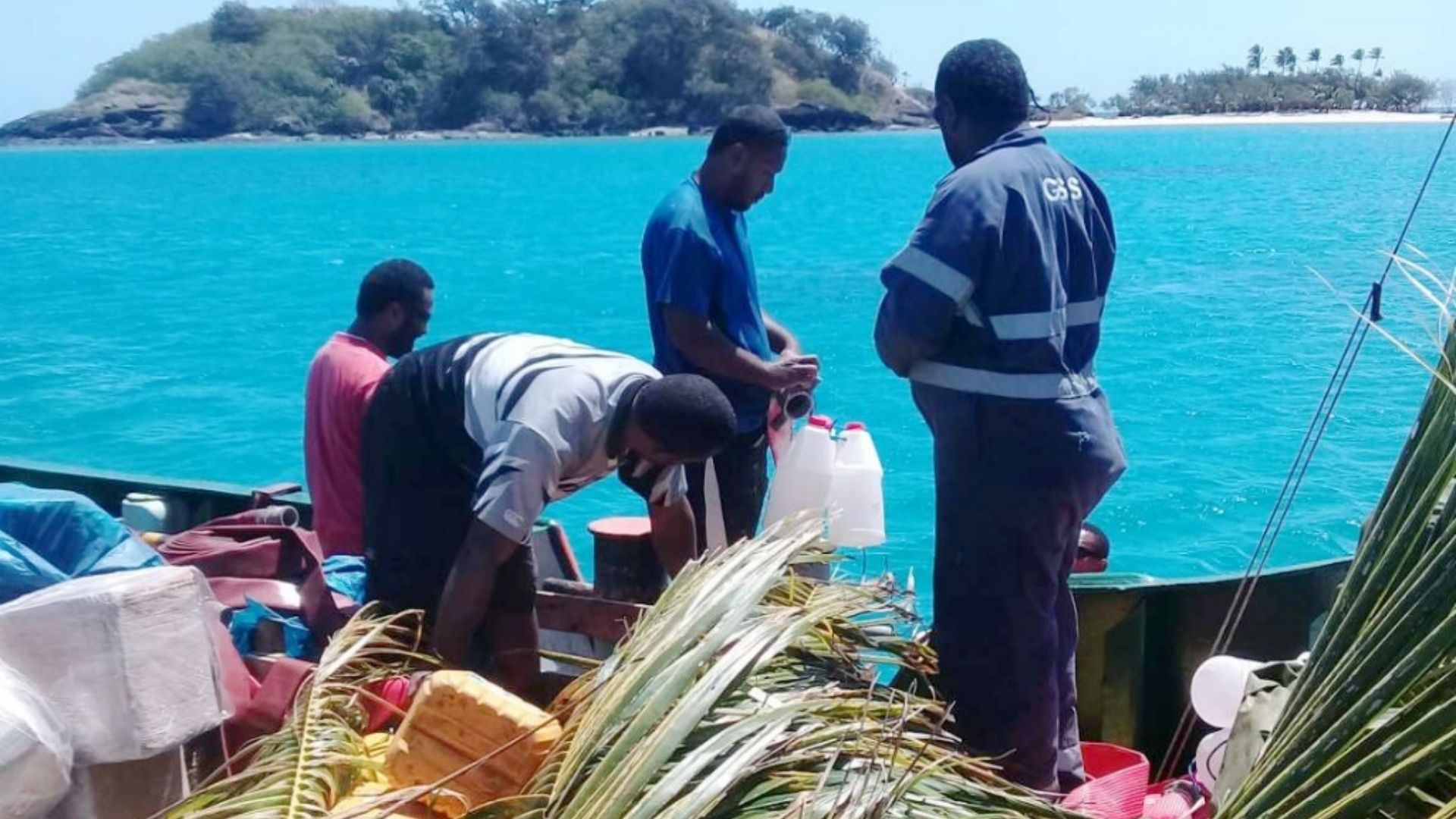
Families in Fiji’s maritime communities continue to face challenges around access to mortuary services and funeral arrangements. Photo/Supplied
Referring to the case raised by Vuniwai, Laugasau said: "In Tevita's cousin's case, the baby could have been kept in the esky because a post-mortem would have been done on the child. That is the only reason a body would be kept."
In his social media post, Vuniwai also shared how the lack of facilities affected his own family when his mother died.
“The pain of losing my mother was already unbearable. Missing her funeral because there was nowhere to keep her until we arrived. That pain is something I still carry every day,” he wrote.
“I write this as someone pleading. I do not not want another family in Kadavu to go through what mine went through.”
Watch nurse Raijeli Sukanaivalu's journey of care in Kadavu below.
He said while some local leaders prefer immediate burials, families should still have a choice.
“With respect, that decision should never be made for grieving families. No one is asking anyone to delay a burial. What we are asking for is choice. This is about dignity,” he said.
As Fiji moves to expand mortuary services across its islands, health advocates say the case has renewed questions about dignity, access, and how remote communities are supported in life’s most difficult moments.