Green Party targets South Auckland youth as poll support climbs
Thomas Tarurongo WynneWed, 07 Oct
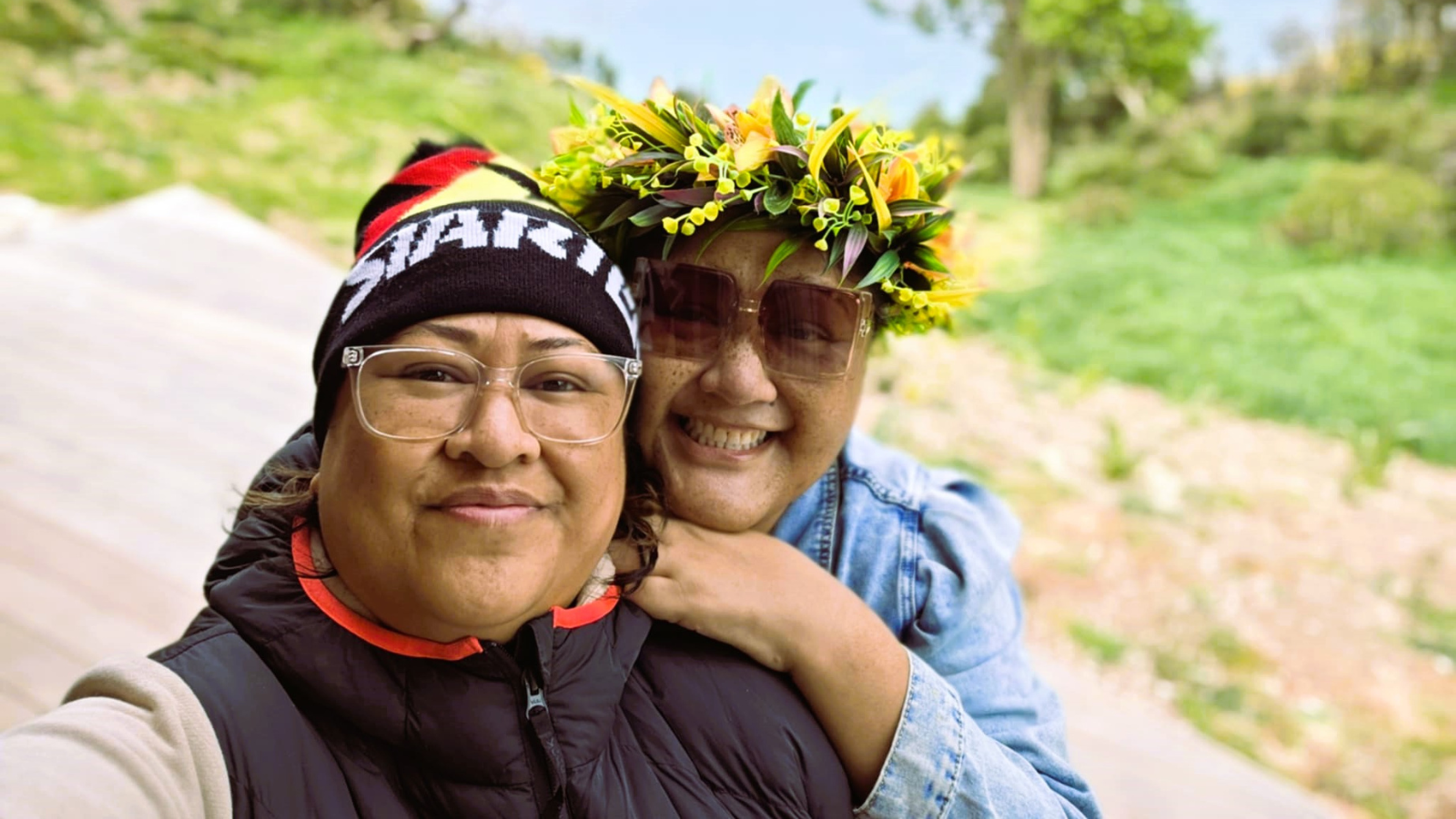
Faálaeo Feliuai (right) and her partner, Pua, celebrate life after the kidney transplant.
Photo/Supplied
After nearly a decade on dialysis, Faálaeo Feliuai received a life-saving kidney transplant that has given her energy, independence, and a new lease on life.


Faálaeo Feliuai was doing her weekly shopping when her phone rang. The call would change her life.
After nearly 10 years of dialysis, the Pacific social worker had finally been offered a kidney transplant.
“Honestly, it was unbelievable,” she tells PMN News. “My partner did cry. But I was in shock.”
Feliuai, who has Cook Islands Māori and Sāmoan heritage, has been living with kidney failure since 2013.
For nine years, her life was shaped around dialysis, hospital visits, and strict routines.
She first began peritoneal dialysis in late 2016, a treatment she had to manage at home. Several times a day, fluid was used to clean her blood. At night, she slept connected to a machine for up to nine hours.
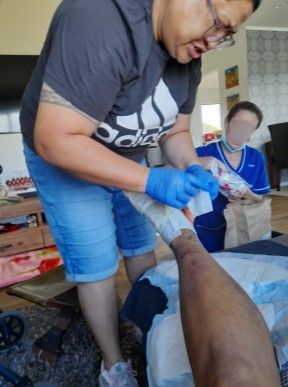
Medical appointments and daily dressings became part of the weekly routine. Photo/Supplied
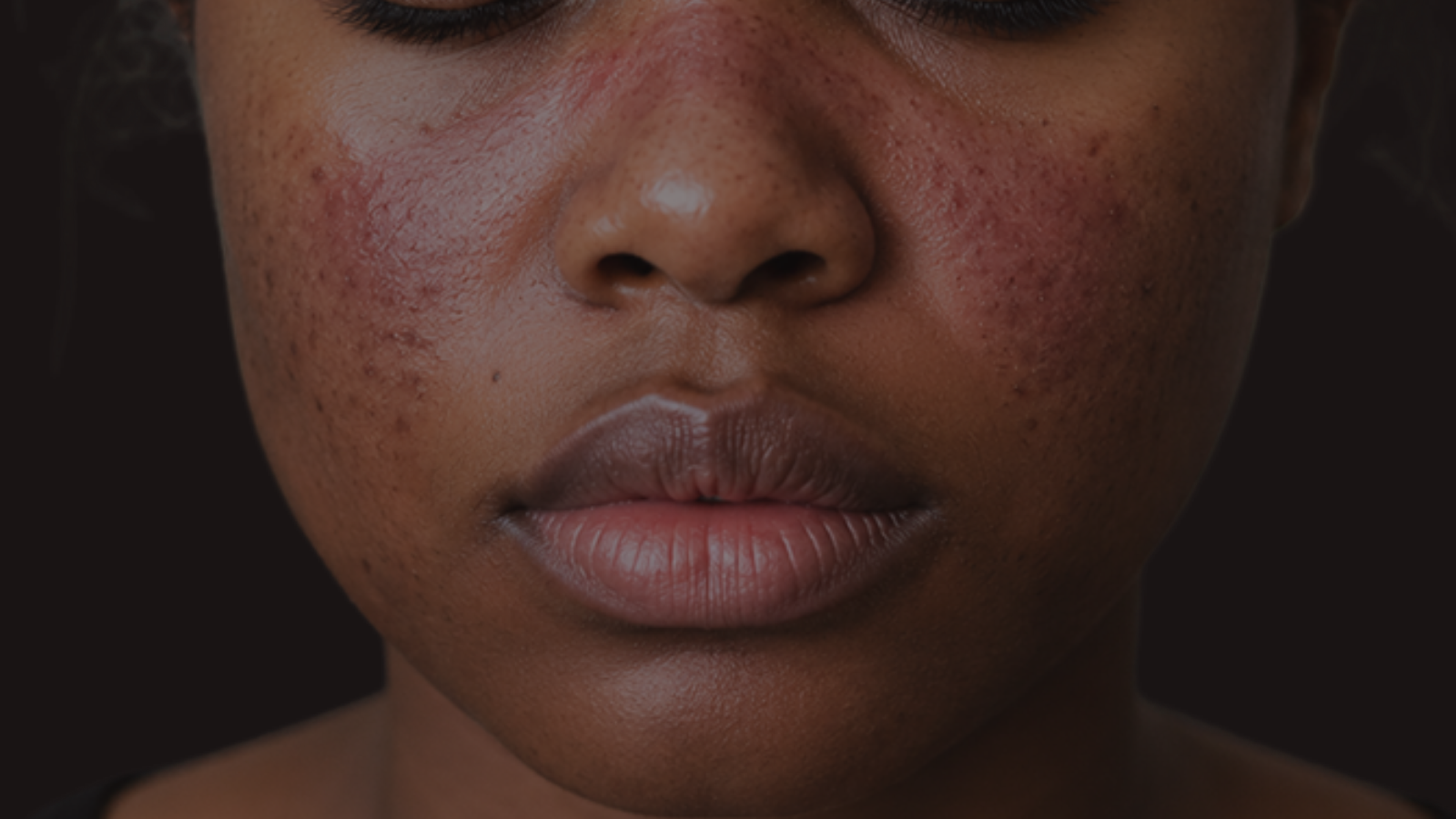
Later, she moved to haemodialysis, spending years travelling to the hospital for treatment. During this time, she also lived with calciphylaxis, a rare and painful condition that caused severe skin wounds.
Despite this, Feliuai continued working as a social worker at Kupega o Moana, supporting Pacific families. Even overseas travel required careful planning, with boxes of dialysis supplies sent ahead. “It did affect my life a lot, but I was like ‘It has to be done, because if I don't do it, I'm going to die’.”
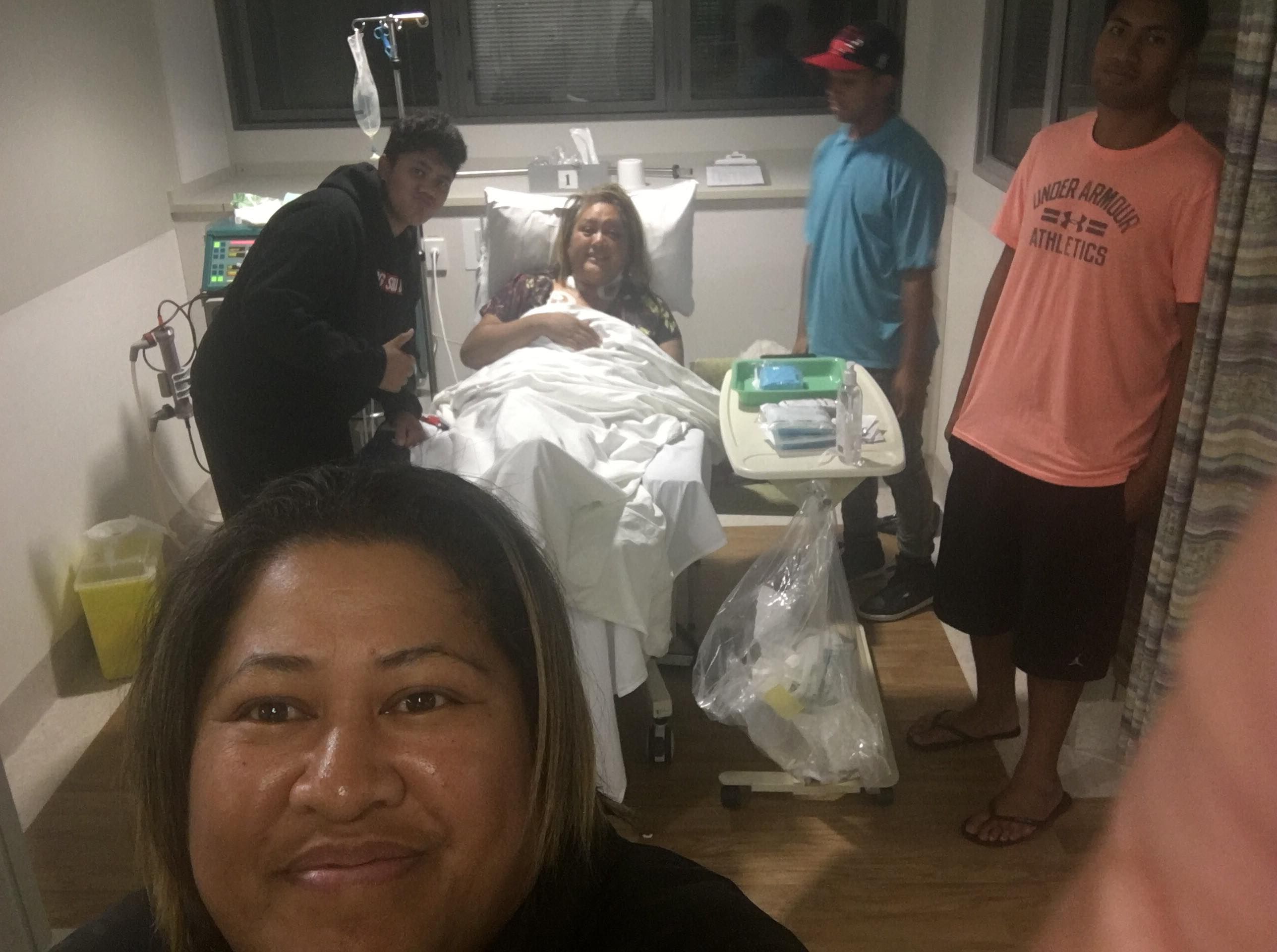
Faálaeo Feliuai is collected from dialysis by her partner Pua, (front) and nephews. Photo/Supplied
After meeting medical criteria, Feliuai spent three years on the kidney transplant waiting list. Then came the unexpected phone call while shopping at Countdown. Everything moved quickly. She had one last dialysis session before surgery the next morning.
Now five months on, Feliuai says the change has been dramatic, and this Christmas will be especially meaningful. “My body is functioning better. Being able to go to work, and help out, my body is so different. It'll be my first Christmas not feeling tired.”
Feliuai says she thinks a lot about the person and family who made her new life possible. She does not know who the donor was, but honours them in her own way.
Listen to Faálaeo Feliuai's full interview below.
A wider Pacific health issue
Feliuai’s story highlights a major health challenge facing Pacific communities. A 2022 study found 36 per cent of Sāmoan patients in Auckland have chronic kidney disease (CKD).
Professor Rob Walker, a co-author of the study, whose from the University of Otago, says this is linked to rising rates of diseases such as diabetes, obesity, and high blood pressure.
He says kidney disease is not just about personal choices. “There are many factors affecting these high rates of CKD, it is not just about poor choices regarding health, as some people may think,” he says in a statement. Not all people with impaired kidney function progress to end-stage kidney disease requiring dialysis and or transplantation. Many will die from cardiovascular disease and other related complications before this.”
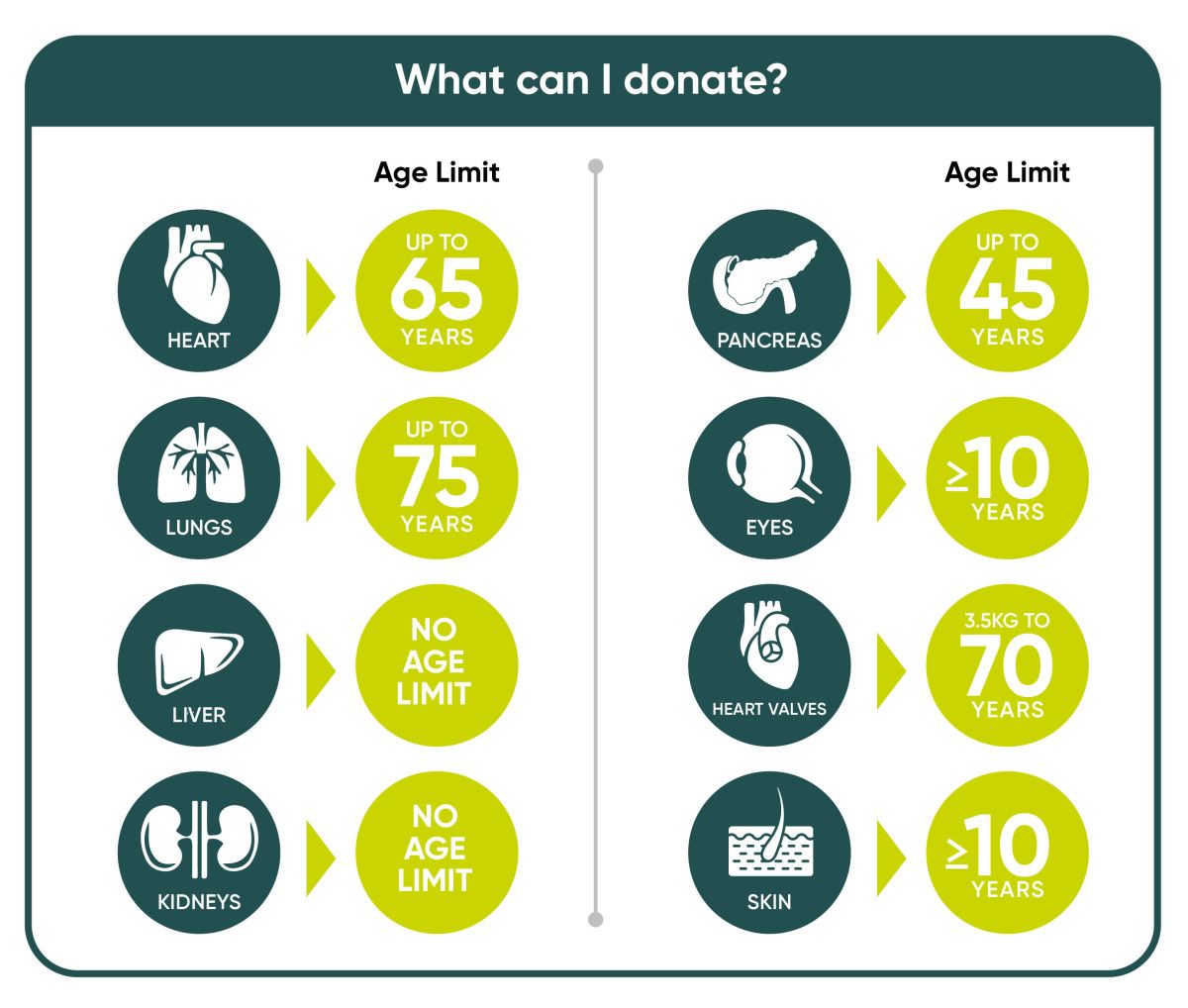
People of all ages, including the elderly, can be considered for organ and tissue donation. Image/Organ Donation NZ
Organ donation remains rare
While kidney disease is increasing, organ donation in Aotearoa New Zealand remains rare.
In 2024, 70 people donated organs after death, allowing 213 people to receive transplants, including kidneys, livers, lungs, hearts, and pancreas. Another 72 people donated tissue such as parts of the eyes, heart valves, and skin.
Dr Jo Ritchie, Medical Specialist Clinical Director at Organ Donation New Zealand, says organ donation can only happen in very specific situations. A person must die in intensive care while on a breathing machine, and their family must agree to donation.
There is no official donor register in New Zealand. Indicating ‘donor’ on your driver’s licence is only a sign of interest, not legal consent. Out of the 70 organ donors last year, only two were identified as Pasifika.
Ritchie says matching donors and recipients depends on blood type and tissue markers, not ethnicity. But she says having more donors from all communities increases the chance of successful transplants.
Feliuai now speaks publicly about organ donation and encourages families, especially Pacific families, to talk about it. She says her own family has been talking about donation because of her experience. “If they can look up becoming a donor for anything in your body. If I can, then I will, and we've talked about it with my own family as well, because it's so important, it’s changed my life.”