
Fiji reviews suspected cyber breach at Suva regional organisation
Christine RovoiThu, 15 Oct
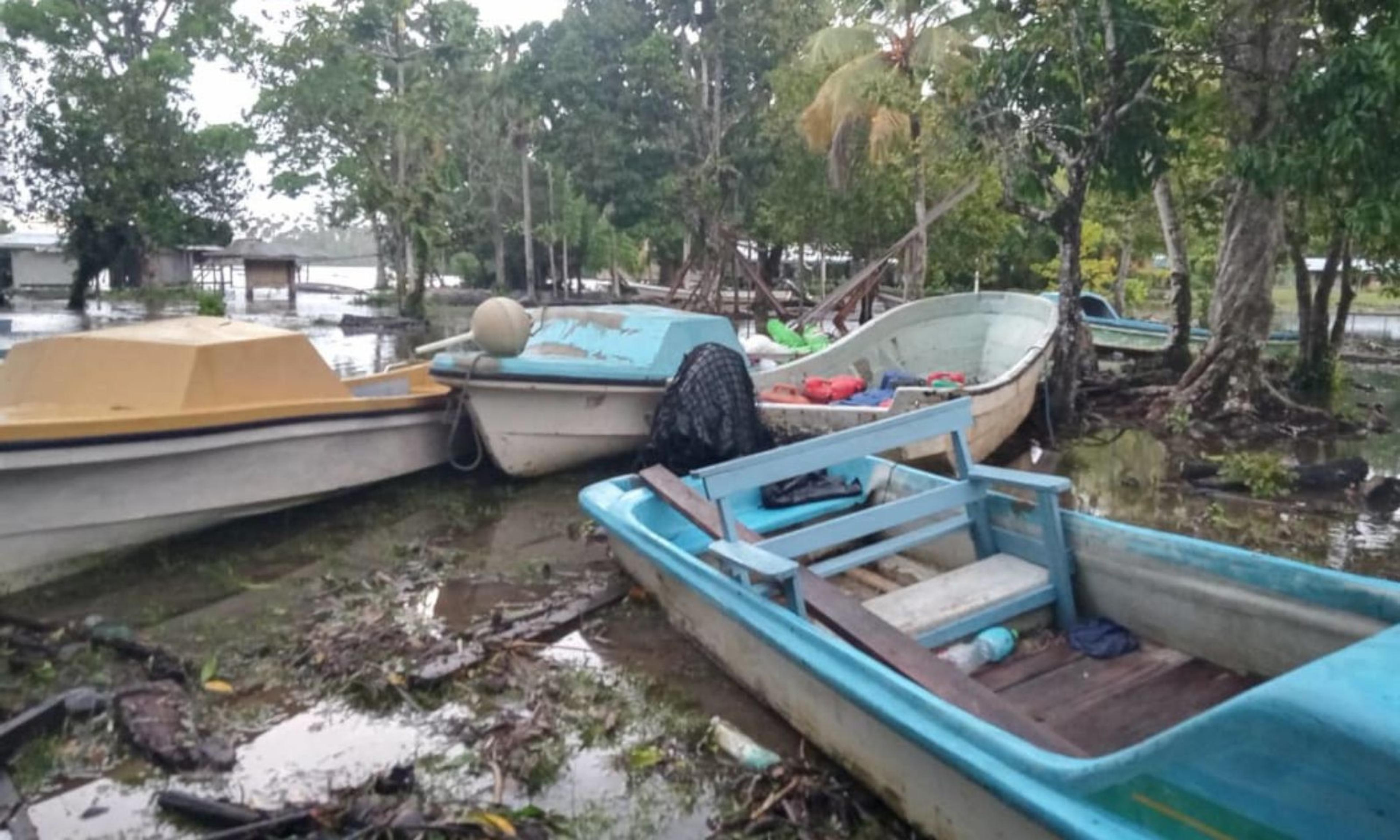
Severe Tropical Cyclones Maila and Vaianu are driving dangerous weather across the Pacific, with multiple countries on alert for flooding, strong winds and rough seas.
Photo/Facebook/SolomonStar
Both storms are bringing dangerous weather across the region: flooding, strong winds, and emergency warnings in several island nations, as Aotearoa and Australia prepare for possible impacts.


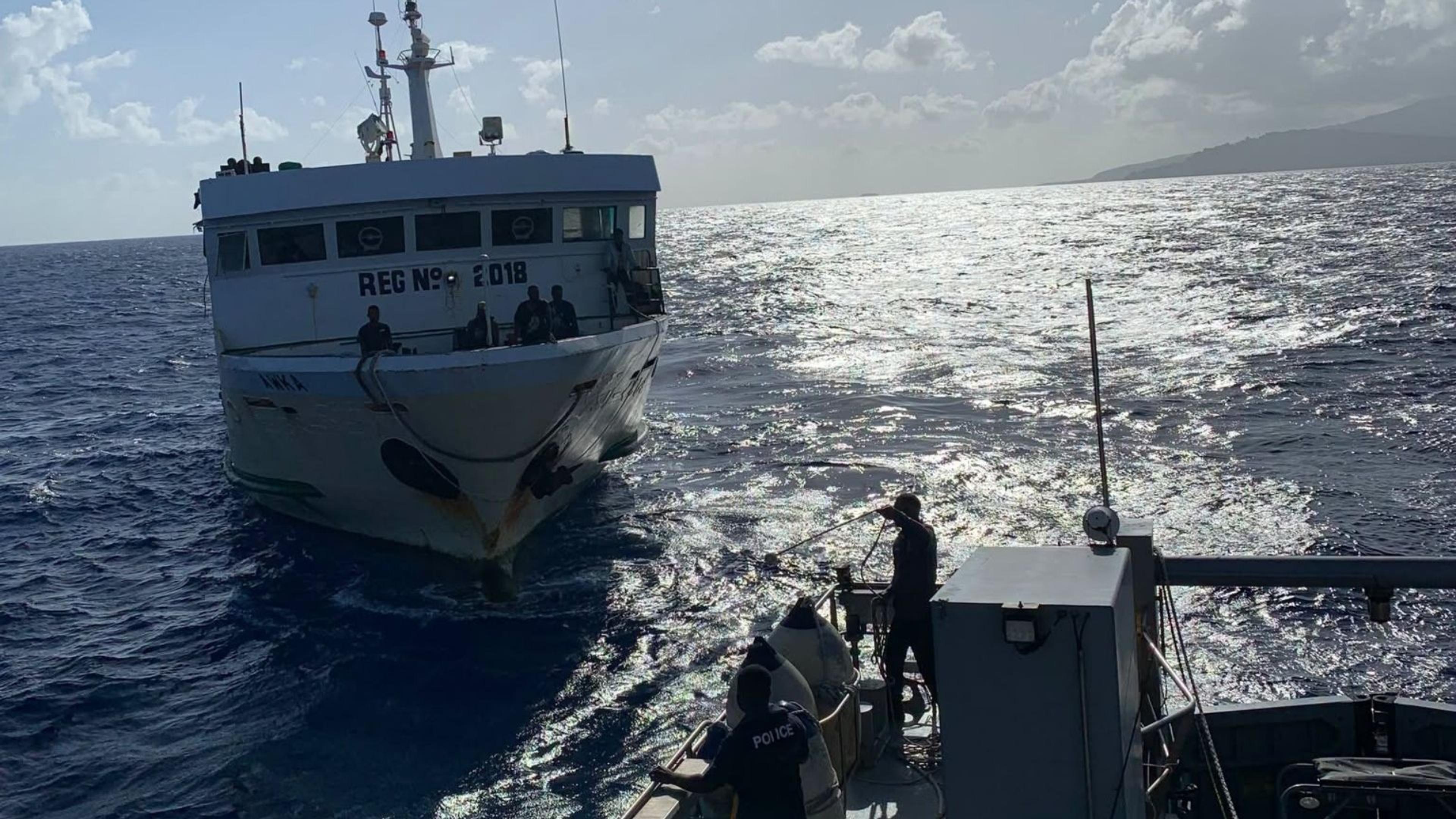

Two powerful cyclones are now churning across the Pacific, putting island communities on alert and raising concerns for parts of Australia and New Zealand in the days ahead.
Severe Tropical Cyclone Maila and Tropical Cyclone Vaianu have both reached category three strength, bringing heavy rain, strong winds, and rough seas across a wide stretch of the region.
Maila is having the biggest impact, with warnings in place for the Solomon Islands and Papua New Guinea.
Authorities say conditions are dangerous, especially for coastal and low-lying communities.
The Solomon Islands Meteorological Service has warned of gale-force winds, very rough seas, and widespread heavy rain and thunderstorms, particularly in Western Province.
A red alert is in place for Western, Choiseul, and Isabel provinces, while several other areas remain under orange alert.
Officials say the weather could trigger landslides and flooding, especially near rivers, streams and hillsides.
In Papua New Guinea, the National Weather Service has issued warnings for Milne Bay Province, including island communities such as Woodlark, Misima and Rossel.
Residents are being told to stay away from the sea and move to higher ground as storm surge, flooding and strong winds threaten the area.
Meanwhile, Cyclone Vaianu is sitting near Fiji, where it has already brought strong winds and heavy rain.
A nationwide heavy rain warning is in force, with flash flood warnings for Viti Levu and alerts across the rest of the country.
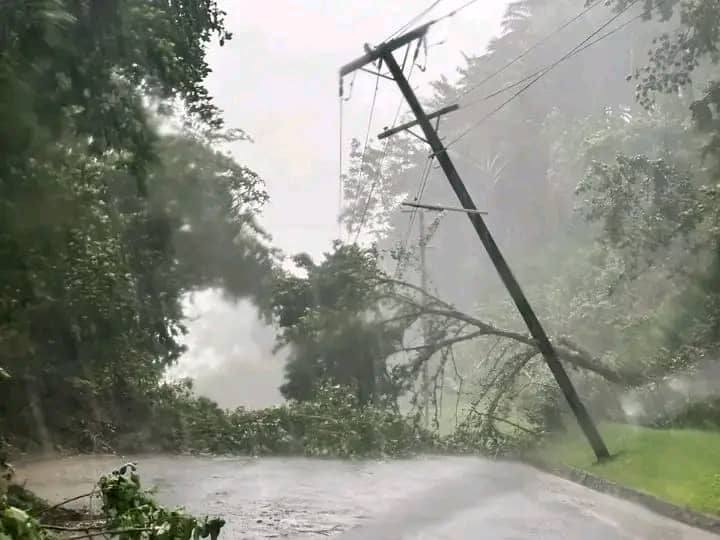
Communities in the Solomon Islands and Papua New Guinea brace for heavy rain, flooding and gale force winds as Cyclone Maila moves through the region. Photo/Facebook/NBC East New Britain, PNG
Schools in Fiji remain closed as authorities urge people to stay safe and avoid flooded areas.
Vaianu is not expected to make landfall in Fiji but forecasters say it could intensify further before moving south.
Fiji's national weather forecasting centre in Nadi reported on Tuesday that a flash flood warning remains in force for the main island, Viti Levu and a flash flood alert is still in force for the rest of the country.
"Severe Tropical Cyclone Vaianu (Category 3) was located near 16.8S, 174.0E or about 380km west of Yasawa-i-Rara and 380km west-northwest of Nadi at 3am today.
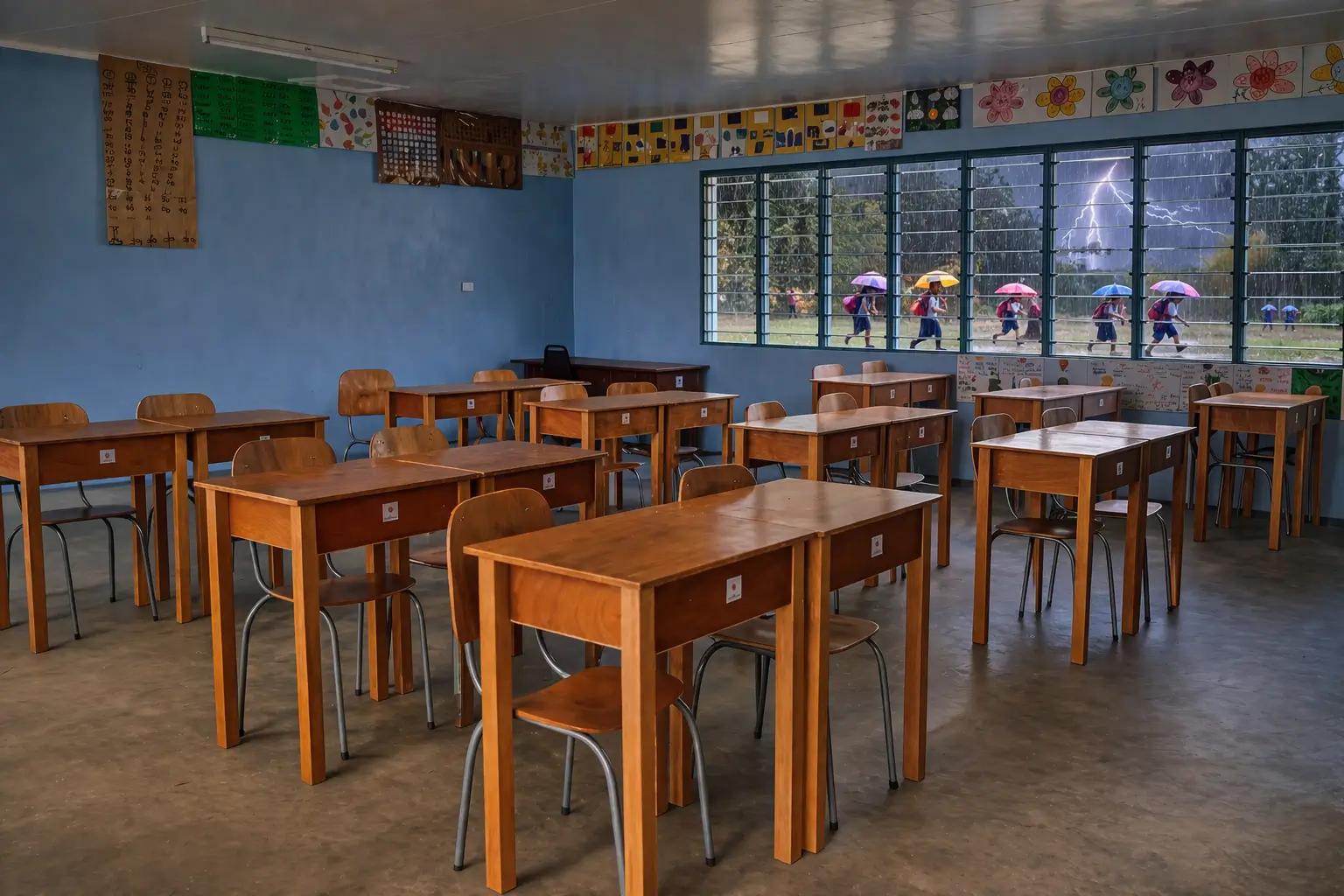
In Fiji, Cyclone Vaianu has already forced school closures and triggered flood warnings as strong winds and heavy rain hit the islands. Photo/FijiOneNews
"TC Vaianu is currently moving southeast at about 10km/hr and is expected to lie about 280km southwest of Nadi or 250km west-southwest of Kadavu at 3am tomorrow."
Aotearoa is watching the system closely. MetService says Vaianu could approach the country later this week.
"[Vaianu] could keep dropping south and come close to us for the weekend," Heather Keats, Head of Weather News at MetService, told Stuff. "It's likely from late Friday or Saturday we will start to see some impacts."
Watch an update on Severe Tropical Cyclone Maila from the Solomon Islands Broadcasting Corporation (SIBC).
Even before Vaianu arrives, parts of New Zealand are already dealing with severe weather.
A subtropical low is bringing heavy rain and strong winds, with warnings in place for Northland and watches across several regions.
Authorities warn of flooding, slips and dangerous driving conditions.
Australia is also preparing for possible impacts from Cyclone Maila. The Bureau of Meteorology says the system is likely to track towards Far North Queensland, with increasing confidence it could cross Cape York Peninsula around Sunday.
The cyclone could strengthen further before landfall. At the moment, it is producing winds of up to 150 kilometres per hour, with stronger gusts.
If it reaches the Queensland coast, heavy rain and strong winds are expected to spread inland before the system weakens.
For now, authorities across the Pacific are urging people to stay updated with forecasts, follow safety advice, and prepare for rapidly changing conditions as both cyclones continue to move.