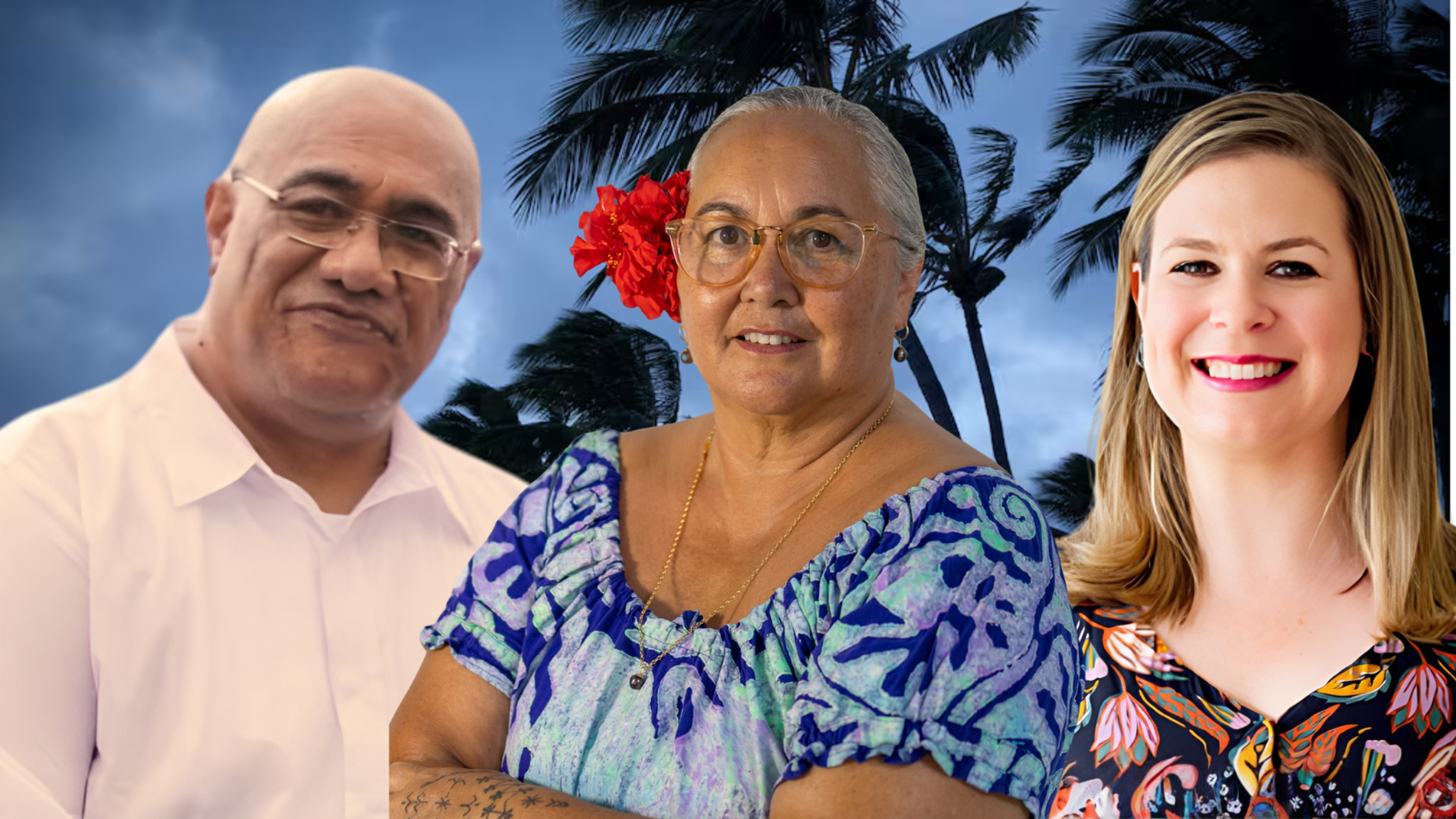
Pakilau Manase Lua, Tina Newport and Rebekah Armstrong say climate mobility must be addressed for Pacific nations.
Photo/Composite
Environment
Pacific leaders urge NZ to prepare for climate displacement
Nearly one million Pacific people were displaced by climate disasters between 2010 and 2021, with Pasifika leaders warning New Zealand needs a clearer, Pacific-led plan to respond.

Khalia Strong
Published
05 June 2026, 1:33pm
Share
Copy Link
Top stories
World Vision warns children will pay for aid cuts beyond the Pacific
Thomas Tarurongo WynneMon, 12 Oct
Mate Ma’a Tonga’s 40-year legacy lives on through generations
Elton Lonaratha JnrMon, 12 Oct
Top stories
World Vision warns children will pay for aid cuts beyond the Pacific
Thomas Tarurongo WynneMon, 12 Oct
Mate Ma’a Tonga’s 40-year legacy lives on through generations
Elton Lonaratha JnrMon, 12 Oct
Pacific leaders are calling on New Zealand to act now on climate displacement, warning that current policies are not keeping pace with the scale of change already affecting the region.
New research from World Vision New Zealand shows nearly one million Pacific people were displaced by climate-related disasters between 2010 and 2021 as cyclones, floods and rising seas continue to force families from their homes.
The report, To Stay or Move with Dignity, released on Friday says Aotearoa does not yet have a dedicated framework to manage people dispaced across borders by climate events, even though more movement is expected in the years ahead.
It calls for Pacific-led solutions, stronger planning, and more support for communities facing the difficult choice of staying or moving.
Pakilau Manase Lua, of the Pacific Leaders Forum, says most Pasifika want to remain on their land for as long as possible.
“Our people want to remain on their lands for as long as possible,” the Tongan community leader says in a statement.
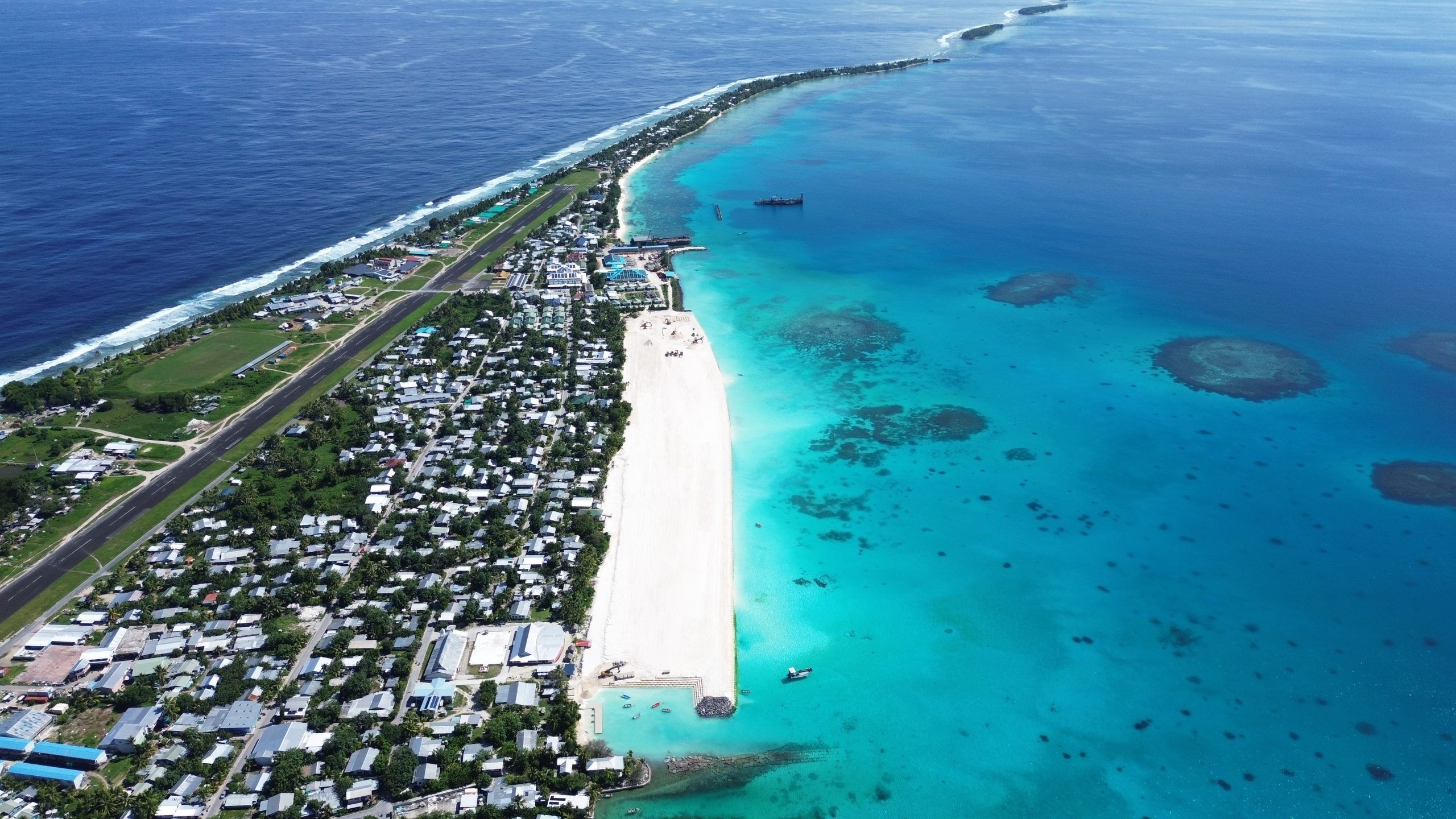
The Tuvalu Coastal Adaptation project in the capital, Funafuti. Photo/UNDP
“But where movement becomes necessary, it must be planned and supported in ways that protect dignity, strengthen communities, and reflect Pacific leadership and partnership.
Pakilau says Pacific communities should not be left without options.
“We are people of the moana, connected by ocean, whakapapa, and responsibility to one another. Across our region, communities are already living this reality and what matters is that our people are not left without choice.”
Watch Rebekah Armstrong's full interview below.
Rebekah Armstrong, World Vision New Zealand's Head of Advocacy and Justice, says climate displacement is already happening and affecting children in particular.
“Cyclones, floods, and rising seas are already disrupting lives across the Pacific, and children are often the first to feel the impacts through disrupted education, food insecurity, displacement, and loss of safety,” she tells William Terite on Pacific Mornings.
Armstrong says governments across the region, including New Zealand and Australia, need clearer and more coordinated planning to respond to future movement.
The report, based on more than 300 sources and consultations with Pacific communities in New Zealand, also highlights the need for predictable and structured pathways for people forced to move.
It recommends Pacific-led climate finance, stronger disaster resilience work, an emergency protection framework, and the creation of a Pacific-led advisory group.
World Vision also says existing migration schemes, including the Recognised Seasonal Employer (RSE) scheme, could be better adapted to support communities recovering from disasters.
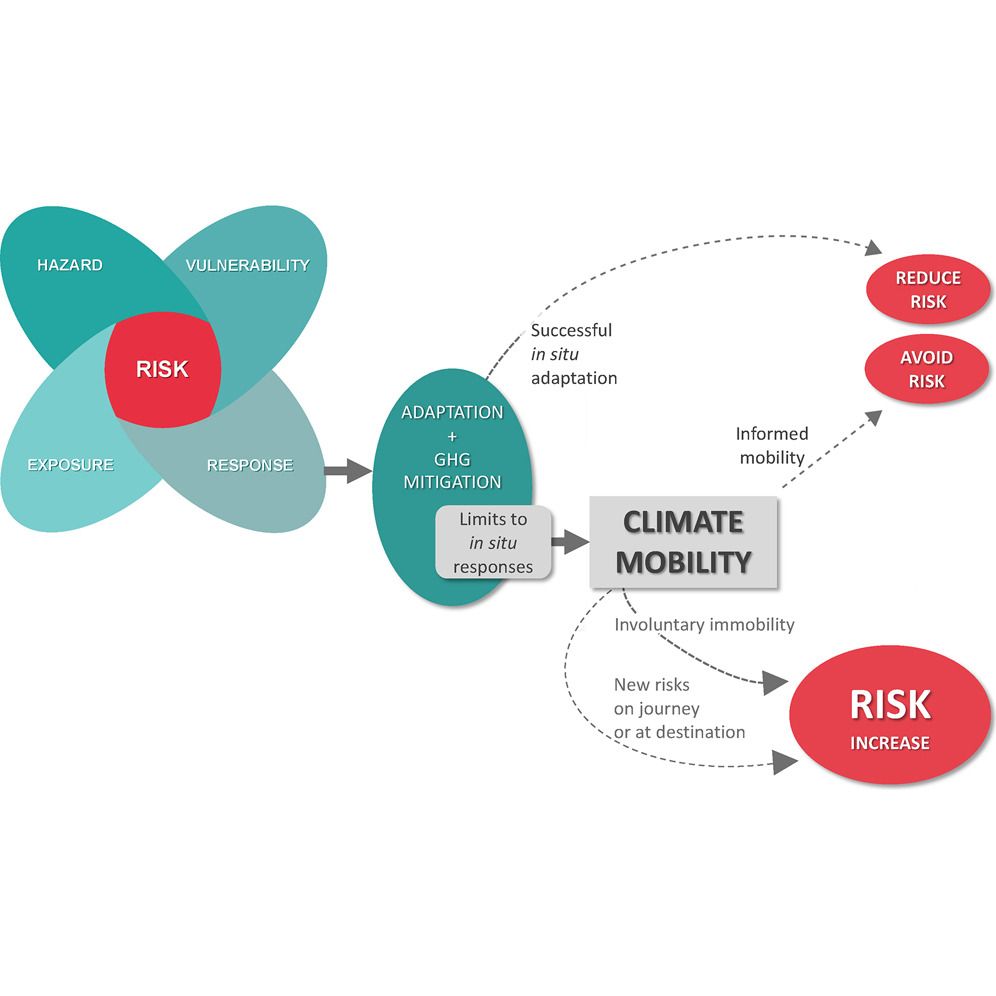
Climate mobility can be addressed from several angles. Image/Science Direct
“People actually want to go on the RSE scheme in response to disasters,” Armstrong says.
“If there has been a disaster at home, the RSE scheme can be a really valuable way to earn money to rebuild back in the islands.”
More than an environmental issue
Christina Newport, an Honorary Fellow in Māori and Pacific Studies at the University of Auckland, says climate change is already reshaping how Pacific communities live, move and maintain cultural ties.
Speaking at a United Nations science and innovation forum in New York last month, Newport said rising seas are affecting livelihoods, settlement patterns, and cultural systems across the Pacific.
“The tangible and intangible dimensions of loss and damage are profound as the intergenerational physical, social and spiritual attachment to place are threatened,” she says in a statement.
“Dimensions include the loss of cultural knowledge and practices, sacred and cultural sites, loss of biodiversity as well as loss of language, sense of wellbeing, identity and belonging.”
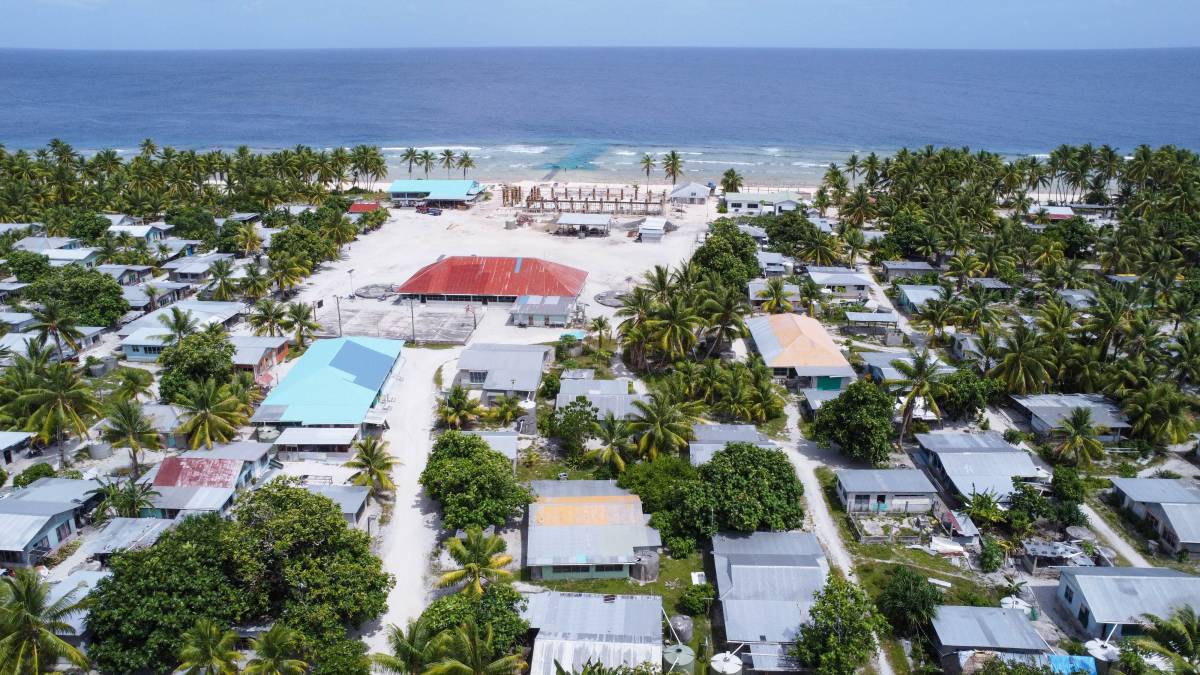
Tuvalu's Falepili Mobility Pathway opened in 2025, allowing up to 280 citizens to live, work and study in Australia as permanent residents. Photo/MFAT
World Vision is calling on political parties to address climate and disaster-related displacement in this year's general election discussions.
“There are already Pacific groups that are meeting around these recommendations and ready to work with the government,” Armstrong says.
While the impacts of climate change are already being felt, Pacific leaders say the focus now must shift to building responses that protect people, culture and identity - not just managing movement but safeguarding belonging.