
Moana Pasifika bow out with pride after heroic emotional farewell win
Christine RovoiSat, 30 May
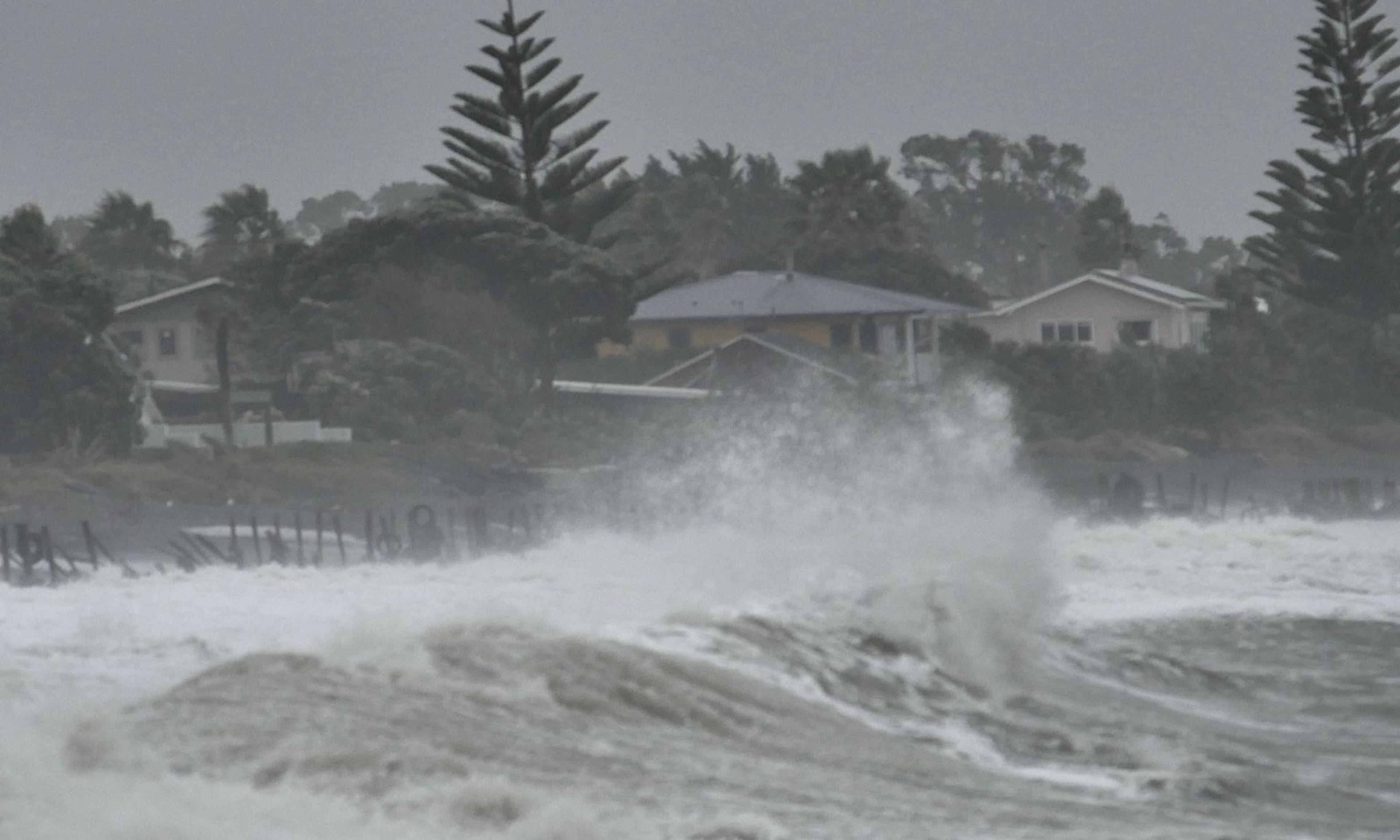
Rough seas and large swells build off Te Awanga coast in the Hawke's Bay as Cyclone Vaianu tracked past the region.
Photo/Facebook/Hawke's Bay Today
Relief across New Zealand’s Far North as the storm shifts course, sparing communities from major damage after days of high anxiety.




Communities in New Zealand’s Far North are breathing a collective sigh of relief after Cyclone Vaianu veered east, sparing the region from the worst of its force.
After days of concern and preparation, the storm brought heavy rain and strong winds but stopped short of the widespread damage many had feared.
Far North Mayor Moko Tepania said the outcome was the best they could have hoped for.
"All of the reports that are coming in and not just through our Emergency Operations Centre intelligence lines but also the good old kūmara vine and our Kaitiaki Response Network on the ground," he told RNZ.
"They are showing us that the effects of Cyclone Vaianu have been very limited.
"Power outages, a few roofs that have blown off, but all in all, our roading networks made it through and rivers never breached warning levels. So I'm very grateful."
Northland was the first part of the country to feel the cyclone’s impact late Saturday but its path shifted further east than forecast, reducing the damage on land.
Even so, conditions were severe at times. Whangārei recorded more than 130mm of rain in 24 hours while winds reached 110km/h at Cape Reinga. Offshore, waves peaked at more than 10 metres.
Emergency services were kept busy though not overwhelmed. By 7pm Sunday, Fire and Emergency New Zealand (FENZ) had responded to 313 cyclone-related callouts, mostly linked to wind damage, with a smaller number involving flooding.
As the situation eased, authorities confirmed they were returning to normal media response arrangements signalling that the peak of the emergency had passed.
For many residents, the relief comes after a difficult few weeks. Parts of the Far North were hit by serious flooding just two weeks ago leaving communities already stretched.
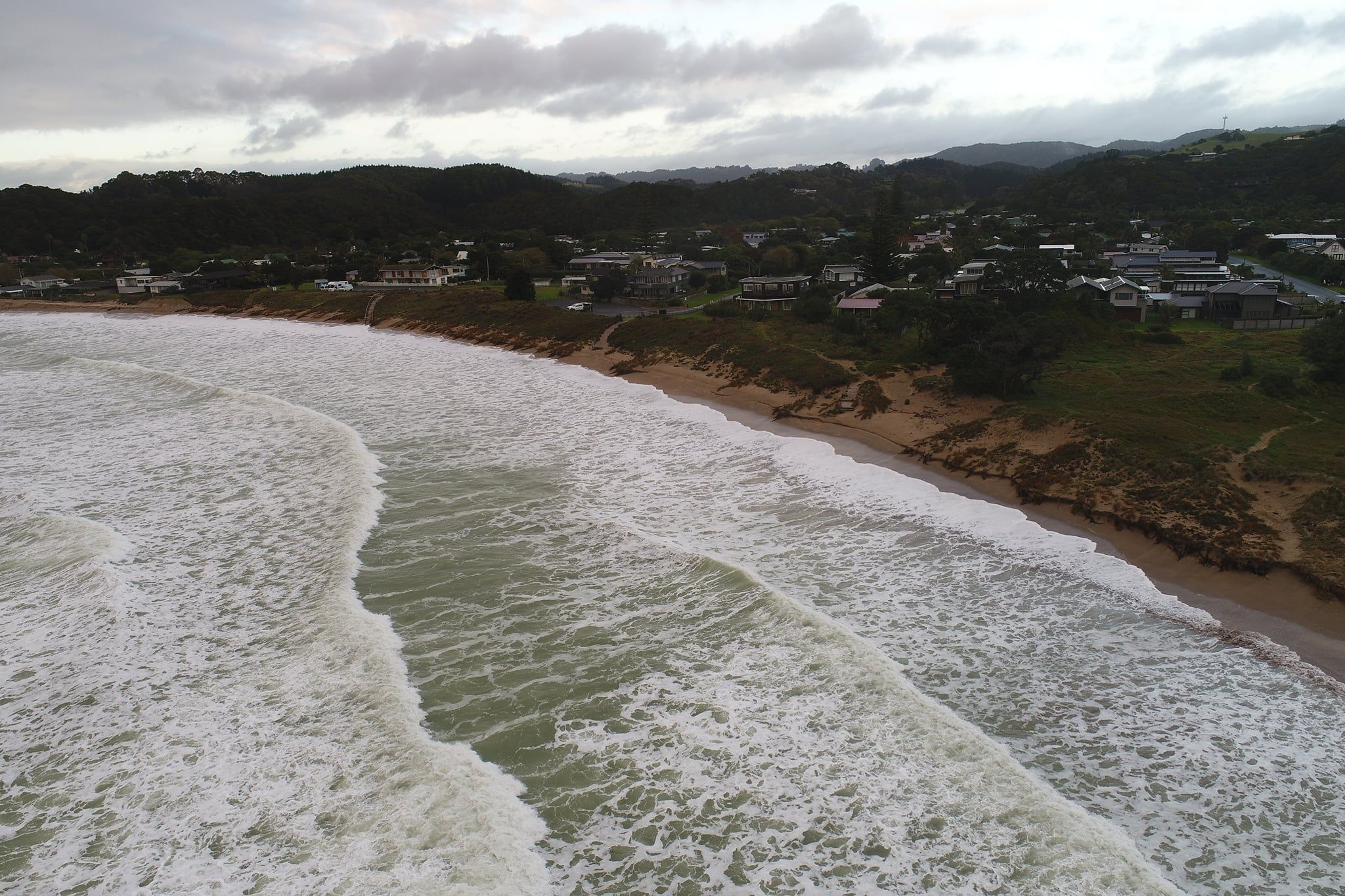
Residents are urged to stay away from the beaches in Whangārei. Photo/Facebook/Whangārei District Council
"We've been out and about in relief hubs talking to whānau and they're crying in front of you because they've lost everything," Tepania said.
"There's a heck of a lot of anxiety from them, and from community leaders as well and then you get a tropical cyclone heading towards us.
"So the anxiety levels were incredibly high even as we went into this and that's why it's been so important to make sure whānau are informed, they know how ready all of the agencies are, and that they listen to the official advice."
Around 50 families chose to evacuate ahead of the storm, many staying at marae and community centres.
In some areas, entire settlements moved to safer ground as a precaution. Only six homes were formally evacuated by the council, with residents returning the next day.
Emergency teams are still urging caution, noting that the tail end of a cyclone can still bring risks especially with saturated ground increasing the chance of falling trees and power lines.
"But all indications are that we have dodged a bullet this time around," Tepania said.
He also pointed to a positive shift in how people responded with fewer taking risks such as driving through floodwaters compared to previous storms.
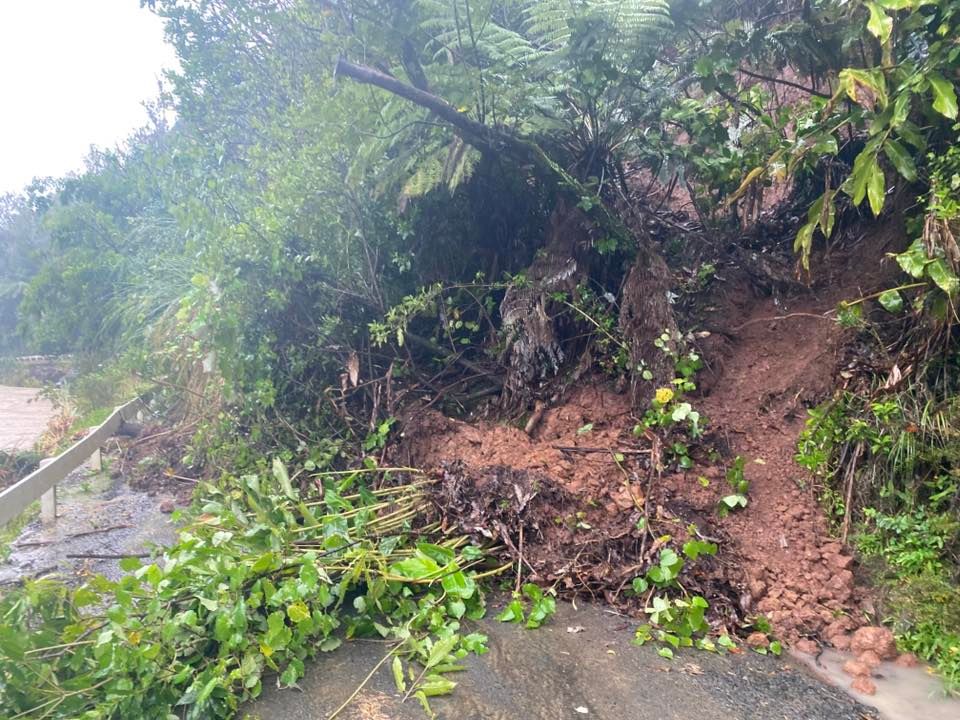
A slip at Rahiau Rd in the Coromandel after Cyclone Vaianu brought heavy rain and strong gusts. Photo/Facebook/Iain Eggleton
"People are taking things seriously and that's what we want," he said.
While the immediate danger has passed, fatigue remains across the region.
"There's a huge sense of relief across there today, but also a lot of weariness because it has been really hard," Tepania said.
"I'm praying to the weather gods that they give us a little bit of respite, so we can have a breather and a rest and recharge."
The National Emergency Management Agency (NEMA) says people can find advice on preparing for storms, flooding, and other severe weather in multiple languages at www.getready.govt.nz
Meanwhile, another system in the region is easing. Tropical Cyclone Maila, which was a category five storm just days ago as it moved through parts of the Pacific, has now weakened to a tropical low.
Forecasts suggest it may track through the Coral Sea towards Far North Queensland later this week.