
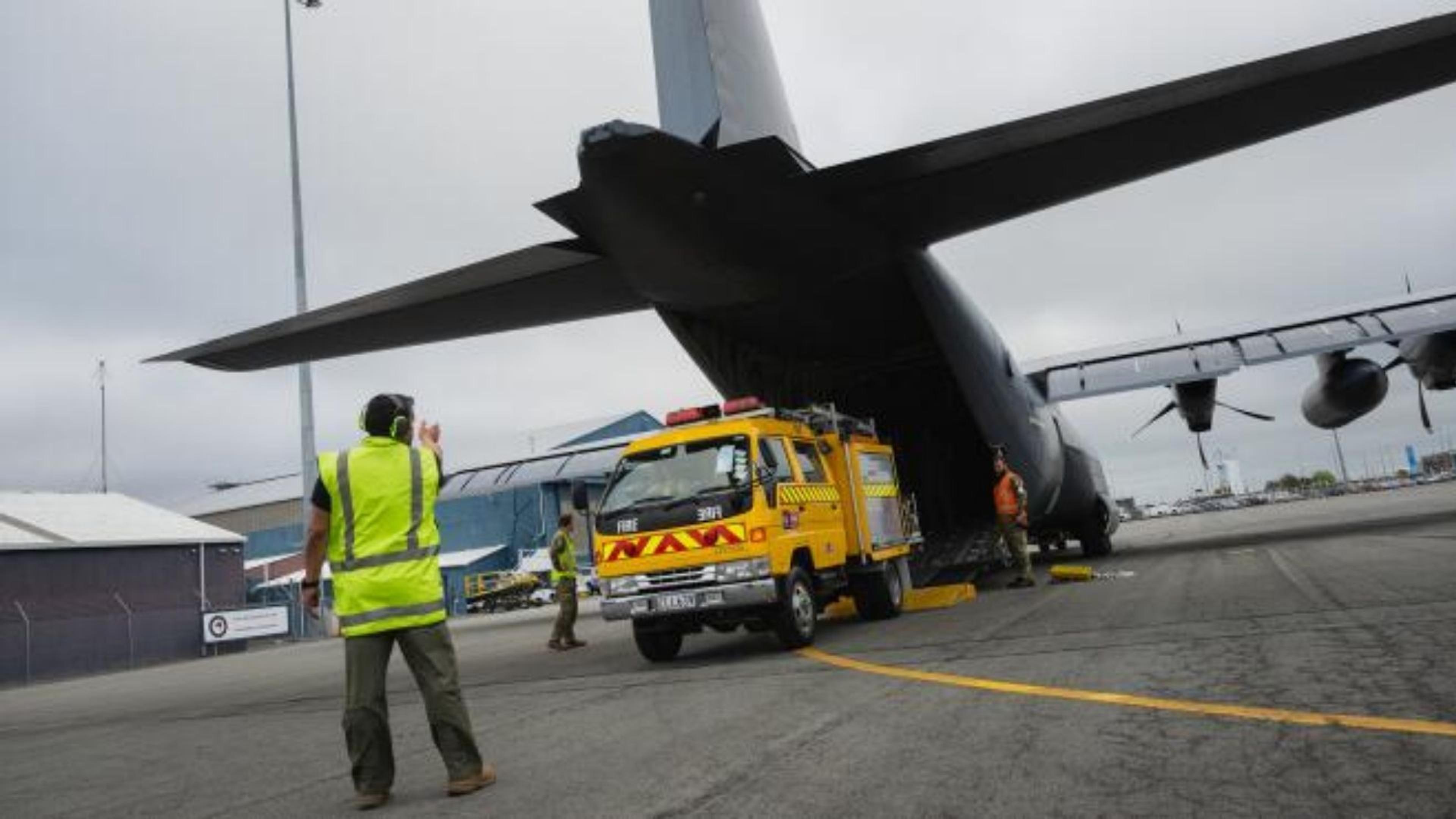
The Royal New Zealand Air Force delivered a new fire truck to Niue to help crews reach remote areas and strengthen the island’s response to wildfires.
Photo/FENZ
Environment
Niue wildfire burned for nine days as new truck arrives from Aotearoa
Drought and delayed reporting hampered the island’s response, with more than 10 farmers’ taro plantations affected by the blaze.

PMN News
Published
15 October 2026, 6:00am
Share
Copy Link
Top stories

Labour and Greens clash over what's ‘transformative’ for NZ's Pacific voters
Thomas Tarurongo WynneWed, 14 Oct

Niue govt looks to bring home skills of students studying in Aotearoa
PMN NewsWed, 14 Oct

‘We don’t talk about money’: William Bilitaki wants Pasifika families to break the silence
Elenoa TuragaiviuTue, 13 Oct
Top stories
Labour and Greens clash over what's ‘transformative’ for NZ's Pacific voters
Thomas Tarurongo WynneWed, 14 Oct
Niue govt looks to bring home skills of students studying in Aotearoa
PMN NewsWed, 14 Oct
‘We don’t talk about money’: William Bilitaki wants Pasifika families to break the silence
Elenoa TuragaiviuTue, 13 Oct
Niue’s worst wildfire on record burned for nine days, damaging taro plantations and threatening wildlife, as dry conditions continue to raise fire risks across the island.
The Royal New Zealand Air Force delivered a new fire truck to Niue last weekend to help crews reach remote areas that larger fire trucks cannot access.
Robin Hekau, Niue Disaster Management Office manager, says the latest fire was the longest-burning wildfire in the island’s history. “It went on for nine days,” Hekau told PMN Niue.
The fire spread through inland areas between the main roads from Alofi to Liku and Alofi to Hakupu.
Thick vegetation meant people travelling along the roads could not always see the flames although smoke could be smelt as far as the airport area.
More than 10 local farmers had taro plantations affected by the blaze, Hekau said. The full impact on plants and wildlife has not yet been assessed.
Watch Robin Hekau's full interview below.
New truck to reach remote areas
The new fire truck will help crews carry water into bush areas and along narrow tracks where the island’s existing airport fire trucks cannot go.
Six Fire and Emergency New Zealand (FENZ) staff with specialist wildfire knowledge and drone capability have also arrived in Niue to support local firefighters.
Megan Stiffler, FENZ National Commander, said the team would provide training and technical advice to help Niue manage ongoing wildfire risks.

Fire and Emergency New Zealand National Commander Megan Stiffler says specialist staff are helping Niue strengthen its wildfire response through training and technical advice. Photo/FENZ
“We are pleased to be providing flexible and practical assistance that addresses current operational pressures while strengthening local firefighting resilience for the future,” Stiffler said in a statement.
The support includes firefighting equipment, protective gear and a drone, alongside the light four-wheel-drive fire truck designed to reach rural areas.
Hekau said the island’s dry conditions, low rainfall and fallen leaves and vegetation had created a high risk of fires spreading quickly.
Niue has issued a Yellow Alert for drought and the El Niño conditions affecting the island.
Hekau said fires could start when people burned rubbish or cleared land around their plantations, with flames spreading through dry vegetation.
El Niño is bringing dry conditions to parts of the Pacific, with impacts expected to continue well into 2027.
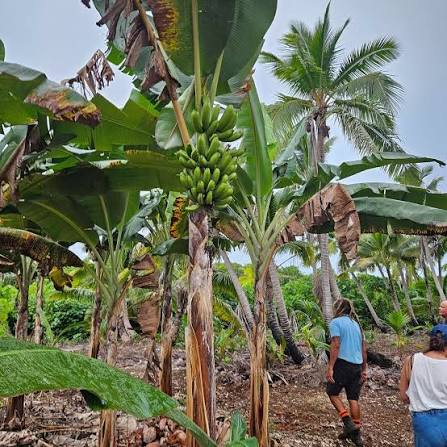
A wildfire burned for nine days in Niue, affecting more than 10 farmers’ taro plantations and raising concerns about damage to the island’s natural environment. Photo/Instagram/file
Tonga has declared drought across its major island groups, including Tongatapu, Niuatoputapu, Ha'apai and 'Eua.
The World Meteorological Organization forecasts that sea-surface temperatures in the central and eastern tropical Pacific could reach record levels during October, November and December 2026, adding to concerns about prolonged dry conditions across the region.
The response to the latest blaze was also held back because it was not formally reported to emergency services until Friday afternoon, despite starting on Monday.
“Everybody was just like thinking that someone has reported it,” Hekau said. “All the farmers around the area, everybody was just trying to put up the fire themselves and their own plantations.”
He said the delay allowed the fire to grow out of control. Local drone footage helped crews identify areas that were still burning, while heavy machinery was used to create firebreaks.
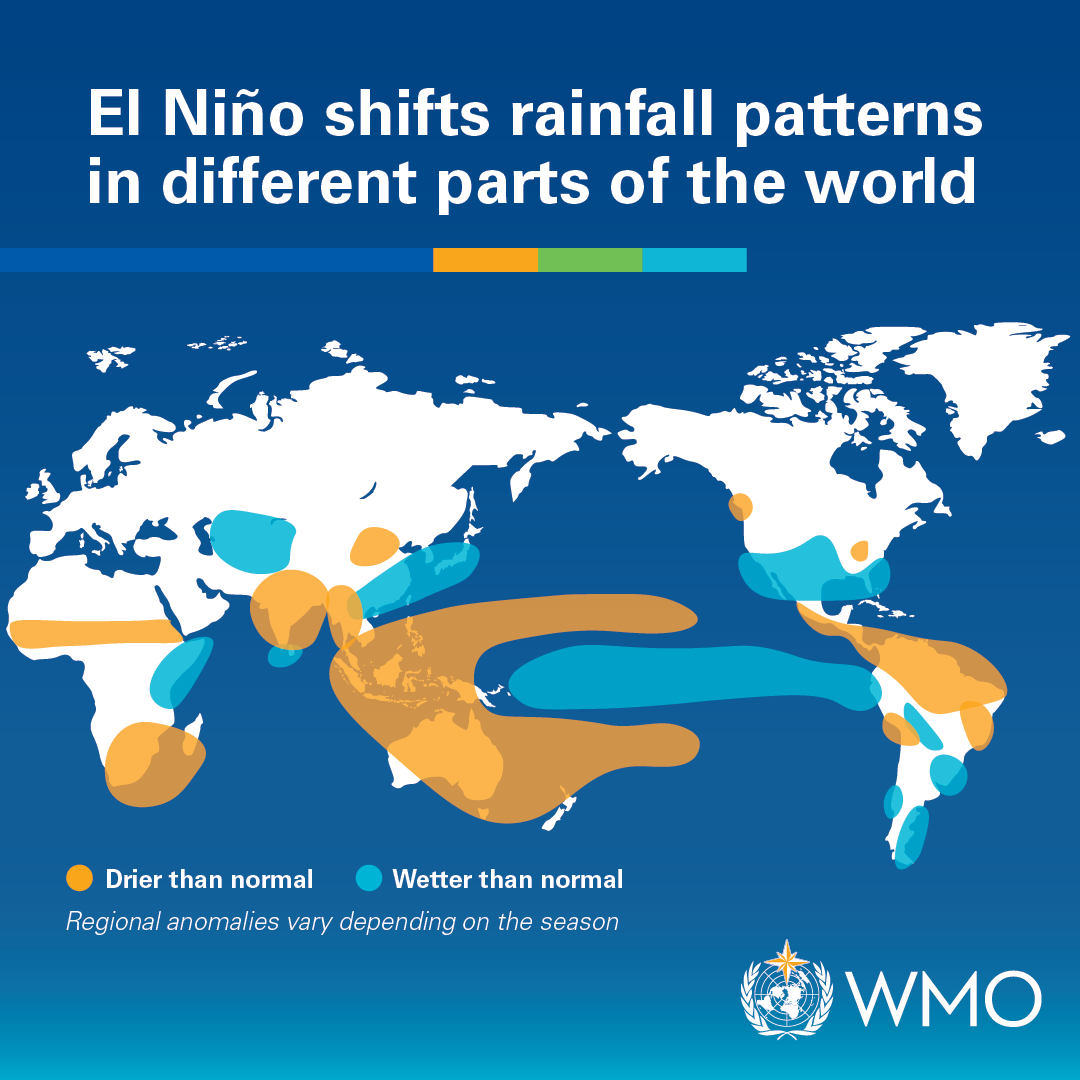
El Niño is contributing to dry conditions across parts of the Pacific, with drought declared in Tonga and Niue on alert as fire risks increase.
Public urged to report every fire
Hekau said the Disaster Management Office had been working with village councils and government departments to raise awareness of fire risks and the current ban on open fires.
He warned people against burning leaves or clearing vegetation during the dry period, saying embers could travel and start new fires.
The office has shared alerts through social media, email and village messaging groups but Hekau said some people continued to light fires on their land despite the warnings.
He also expressed concern for wildlife including the vekka, a bird that does not fly, and geckos that may struggle to escape fast-moving fires.
His message to the public was clear: report fires as soon as they are seen, even if others appear to be responding.
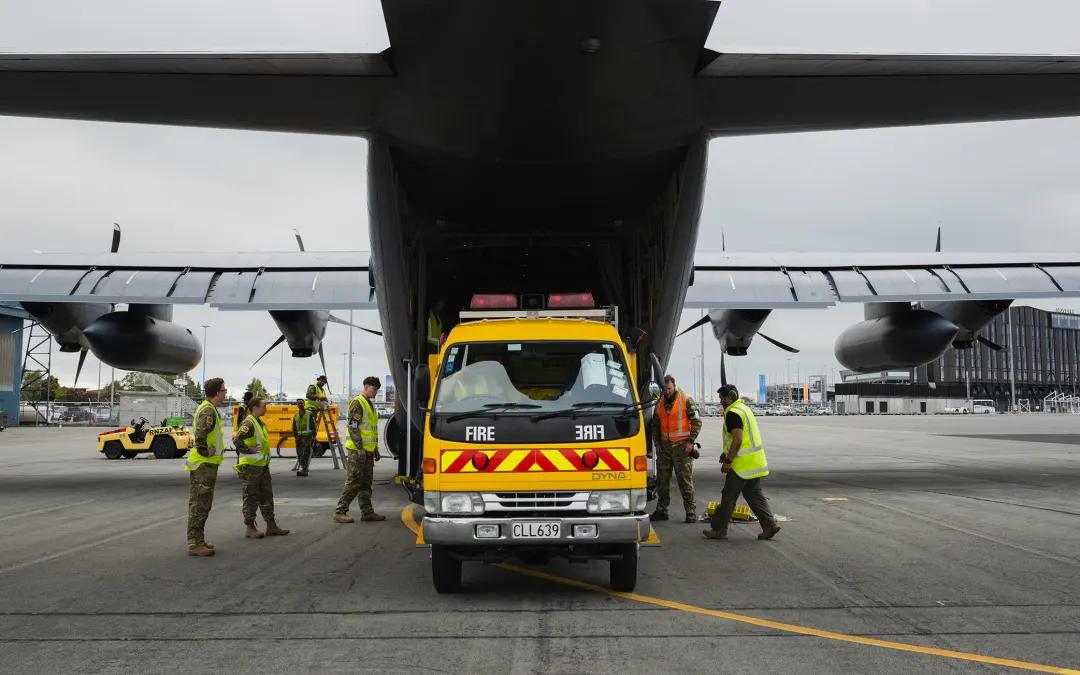
Photo/FENZ
“Because you know even these other farmers in this past fire, they are in key positions in government and they are you know. But everybody thought that somebody has reported it but nobody did. That's not a formal report.”
Hekau urged people to identify the location and village when reporting a fire so emergency services can respond before it spreads further.