
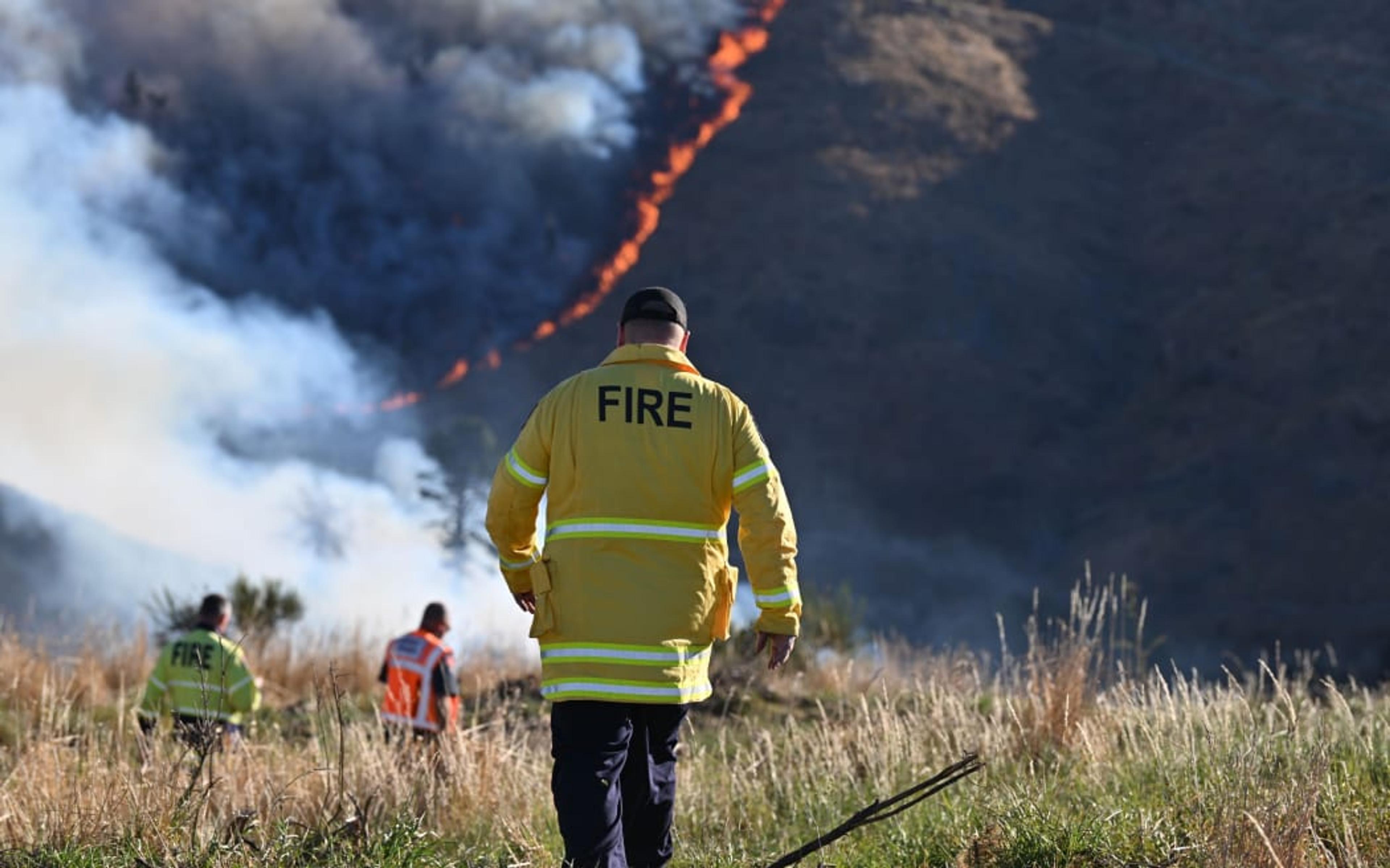
Fire crews work to contain spreading flames in hilly terrain, illustrating the type of vegetation fires authorities are warning could become more common this season.
Photo/RNZ
Environment
NZ on high alert as extreme heat raises early wildfire fears
Emergency services tighten fire restrictions as a powerful summer heatwave dries out vegetation, raises wildfire danger, and disrupts travel.

PMN News
Published
17 January 2026, 3:16pm
Share
Copy Link
Top stories

Learning te reo Māori leads Sāmoan mother back to her own roots
Atutahi Potaka-DewesFri, 18 Sep

Opinion: From the Apology Mat to the Welcome Mat, it's repairing the Vā
Thomas Tarurongo WynneFri, 18 Sep

Seven-year-old Fijian-Tongan star wins fourth world jiu-jitsu title
Aui'a Vaimaila Leatinu'uFri, 18 Sep
Top stories
Learning te reo Māori leads Sāmoan mother back to her own roots
Atutahi Potaka-DewesFri, 18 Sep
Opinion: From the Apology Mat to the Welcome Mat, it's repairing the Vā
Thomas Tarurongo WynneFri, 18 Sep
Seven-year-old Fijian-Tongan star wins fourth world jiu-jitsu title
Aui'a Vaimaila Leatinu'uFri, 18 Sep
A dangerous stretch of heat and dry weather is sweeping across Aotearoa New Zealand this summer.
Emergency services warn parts of the country face an elevated wildfire threat rarely seen so early in the season.
Fire and Emergency New Zealand (FENZ) has already declared several areas as restricted or prohibited fire seasons. This means outdoor fires are tightly controlled or banned entirely because vegetation has dried out and the risk of rapid fire spread is high.
In the Bay of Plenty, including Rotorua and Tauranga, residents must now apply for permits before lighting any open-air fires because grasses and scrubland are “very dry and easily ignited”, a FENZ district manager says.
Fire crews warn the situation could worsen over the coming weeks if the hot, dry conditions persist.
Across the North Island and parts of the South Island, heat alerts and fire danger warnings have been issued.
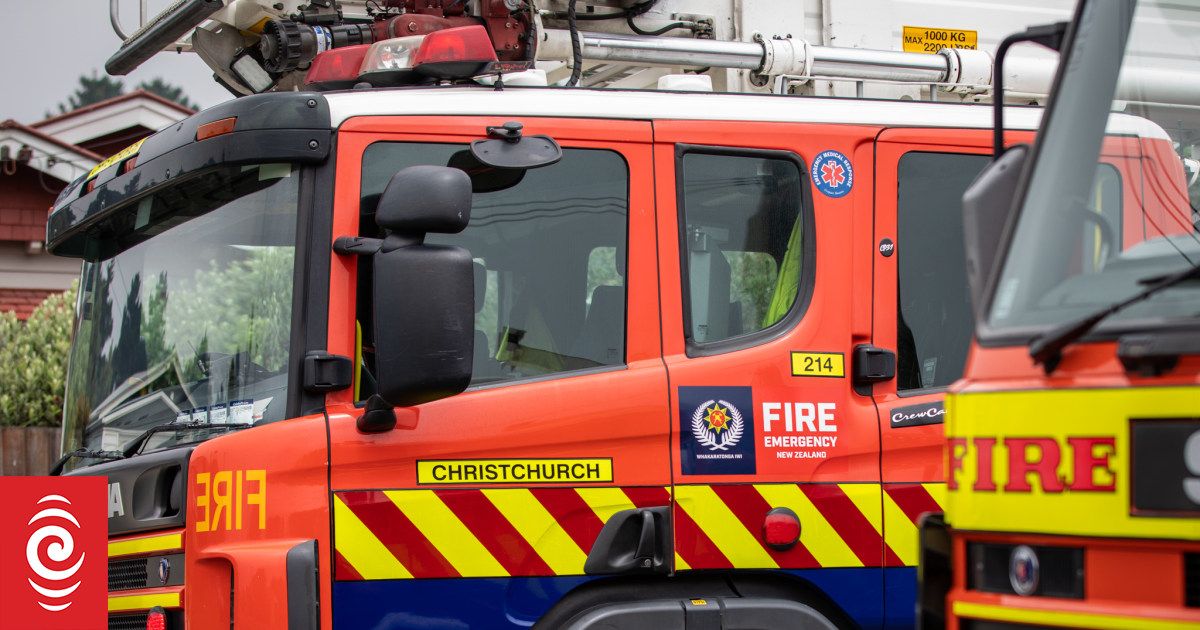
Fire trucks and emergency services respond to a vegetation fire in North Canterbury, showing the scale of operations needed to control outbreaks. Photo/RNZ
MetService forecasts show daytime temperatures pushing well above 30 °C in many regions, with Napier and Hastings recently reaching 36 °C.
Wild, dry winds compound the risk by shaving moisture from vegetation and carrying sparks quickly across the landscape.
“These conditions are what we call a perfect storm for wildfire risk,” Nick Pyatt FENZ deputy chief executive says.
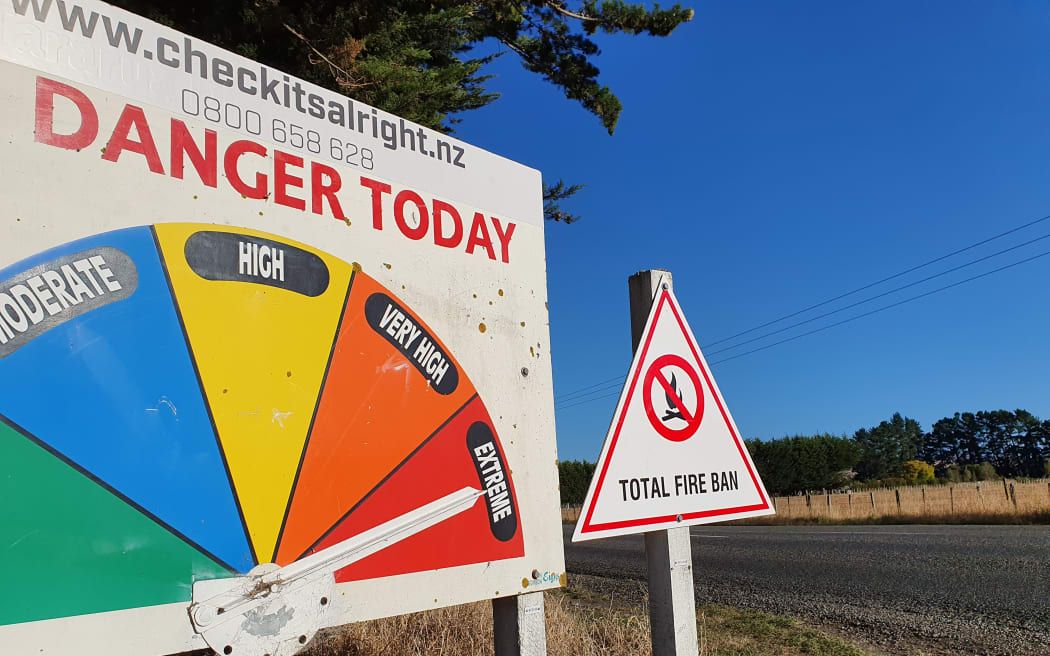
A fire danger warning sign highlights how fire seasons across New Zealand are moving into restricted or prohibited status as weather conditions dry out. Photo/RNZ
He says the combination of heat, wind, and low humidity is particularly dangerous.
The authorities have urged people to be vigilant: even a single spark from machinery, a discarded cigarette or a campfire can trigger a blaze that spreads rapidly.
FENZ’s fire season rules are designed to slow the start of dangerous fire weather.
A restricted fire season means that most outdoor fires require a permit, and a prohibited season - now in place in parts of Northland - bans outdoor fires altogether, scrapping even previously issued permits.
For communities with large rural and Pacific Island populations, the warnings carry real concern. In areas like Tairāwhiti (Gisborne), where many seasonal workers live in close quarters near farms and orchards, residents are being reminded that fire safety is now everyone’s responsibility.
“The fire danger is currently high due to the dry, windy and warm temperatures,” one local commander says.
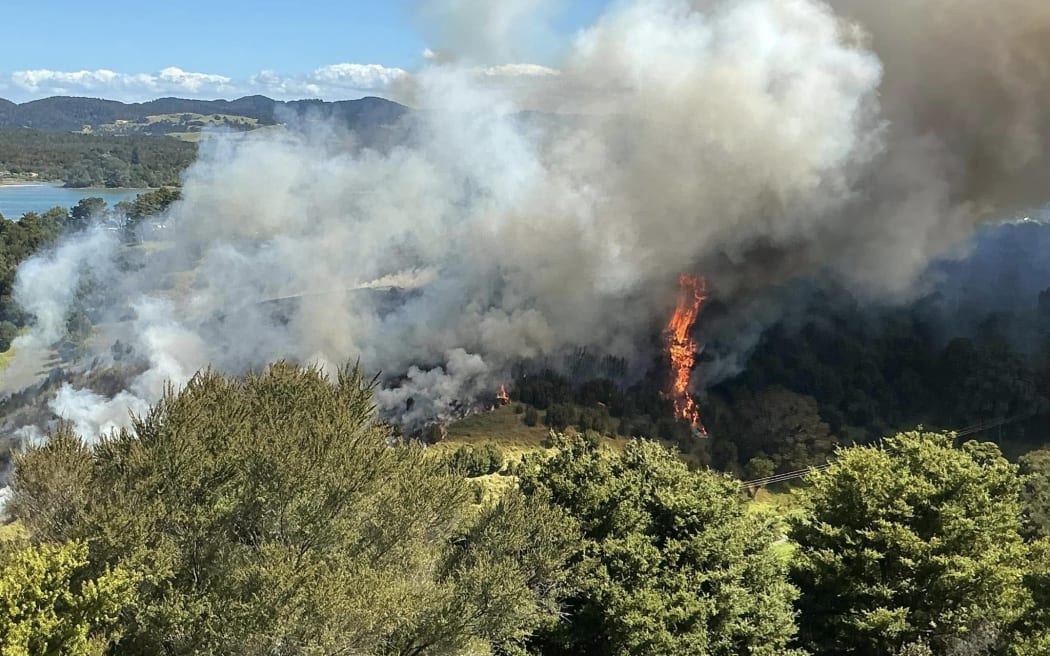
Dry conditions across parts of New Zealand have increased the risk of wildfires as hot, windy weather returns this weekend. Photo/Ann Austin/RNZ
The threat comes in the wake of major wildfires last season, including a blaze in Tongariro National Park that burned nearly 3000 hectares of one of New Zealand’s most iconic landscapes.
Residents near the park recall “it felt bloody awful” as crews fought the fast-moving fire, highlighting how quickly conditions can spiral beyond control.
While New Zealand’s fires have not yet reached the scale of catastrophic blazes seen in parts of Australia, the wider region’s extreme weather offers a stark warning.
Across the Tasman Sea, The Independent reported that hot, dry winds and unusually early spring temperatures fuelled numerous wildfires in Australia’s New South Wales, prompting total fire bans and emergency responses.
Scientists say wind can be as decisive as heat in driving fire behaviour, drying fuels and carrying embers long distances.
Even airlines have felt the effects of the heightened summer risk. A Qantas flight from Sydney to Auckland made a mayday call after the crew received warnings about potential fire hazards in conditions of extreme heat and smoke, highlighting how far-reaching the impacts of heat and fire danger can be.
Climate scientists say these conditions fit a broader pattern of warmer, drier spells becoming more frequent as global average temperatures rise.
Long seasons of dry weather, paired with heatwaves, leave landscapes more vulnerable to ignition and rapid fire spread.
Emergency services continue to step up their warnings. FENZ has urged people to check the fire season status before lighting any fire, even for cultural practices such as hāngī, umo, and lovo, and to watch for sparks when using machinery.
With summer still underway, the message remains the same: when the land is dry and the air is hot, every small action can have big consequences.