
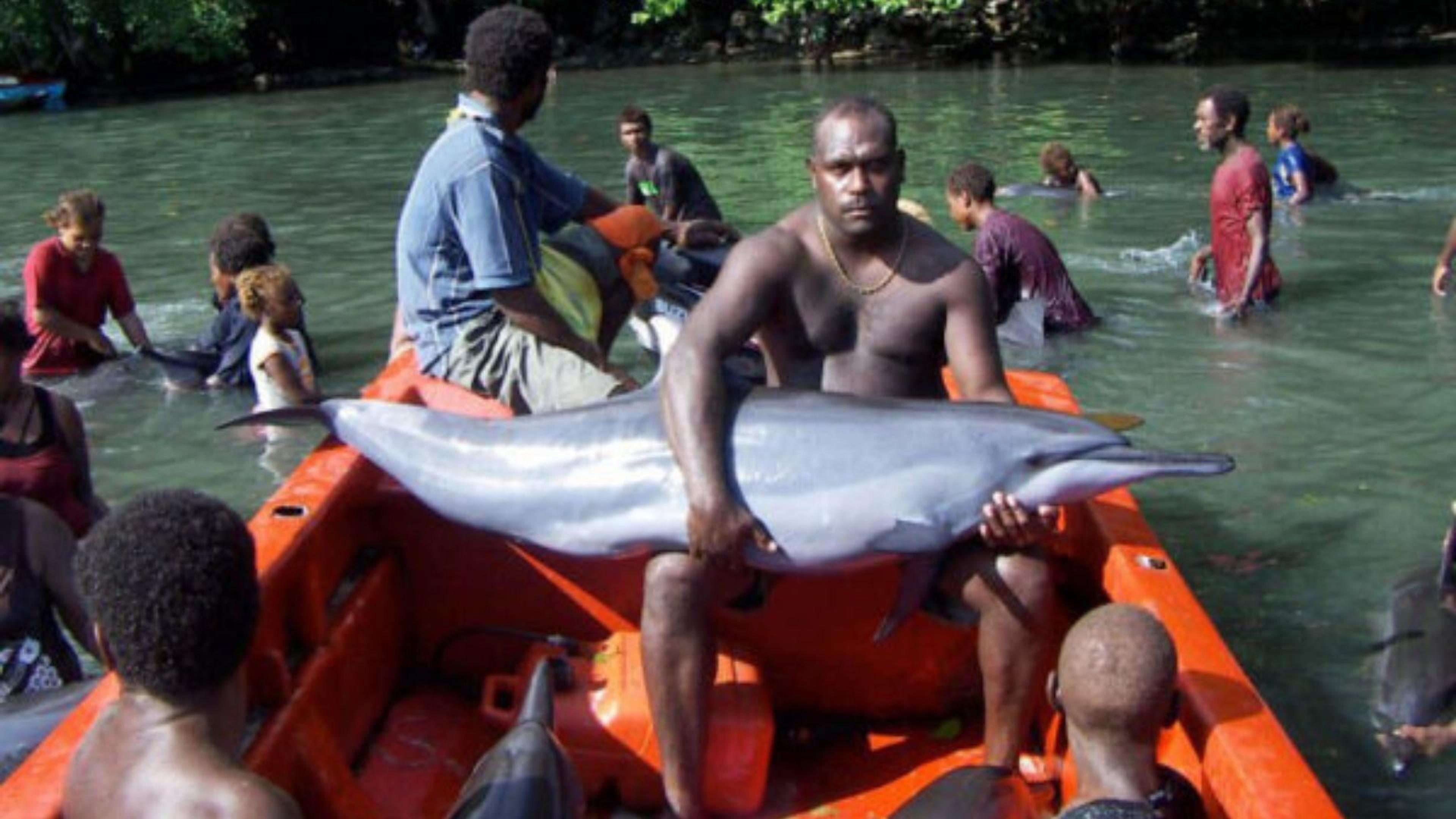
The reinstated regulation restores a long-standing ban on dolphin exports, returning Solomon Islands to its previous fisheries protection rules.
Photo/IMMP
Environment
New Solomons PM moves to reinstate dolphin export ban days into leadership
Solomon Islands Prime Minister Matthew Wale reverses a controversial pre-election decision that briefly lifted long-standing protections and sparked concern over the country’s fisheries reputation.

PMN News
Published
20 May 2026, 1:45pm
Share
Copy Link
Top stories


Auckland teen turns a trip to Fiji into a mission to fight period poverty
Elenoa TuragaiviuThu, 15 Oct
Top stories
Auckland teen turns a trip to Fiji into a mission to fight period poverty
Elenoa TuragaiviuThu, 15 Oct
Solomon Islands Prime Minister Matthew Wale has reinstated a ban on the export of dolphins in a swift policy reversal that restores a long-standing national regulation.
The move comes within days of the long-time opposition leader taking the prime minister's office following a closely timed political transition in Honiara.
The decision also brings back the Fisheries (Prohibition of Export of Dolphins) Regulations 2026, which had effectively cancelled a short-lived decision made under the previous administration that removed the ban.
The Prime Minister signed the new regulation into force on Saturday 16 May 2026 with the effect that dolphin exports are once again prohibited in Solomon Islands waters.
The reinstated ban overturns a regulation signed just days earlier by former Fisheries Minister Bradley Tovosia, which had lifted restrictions on dolphin exports under the Fisheries Management Act 2015.
The original repeal had been published in the Solomon Islands Gazette on 14 May 2026. This sparked immediate concern within parts of the fisheries sector.
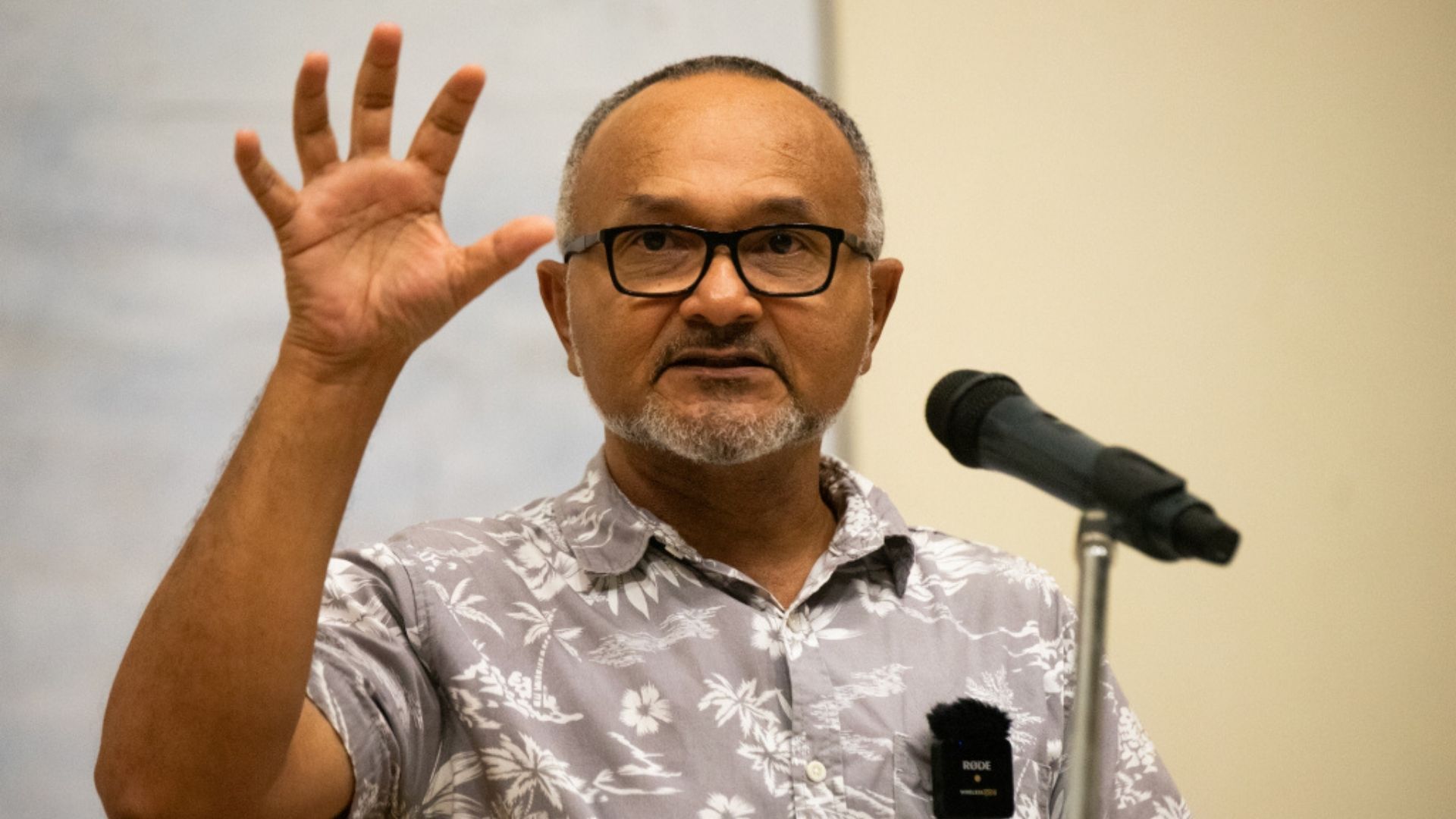
Prime Minister Matthew Wale has moved in his first week in office to reinstate a ban on the export of dolphins, reversing a recent policy change and restoring long-standing protections for marine wildlife in Solomon Islands. Photo/Facebook/In-Depth Solomons
Officials within the Ministry of Fisheries reportedly warned at the time that the change could have wide-reaching consequences for the country’s tuna industry including operations linked to SolTuna and future investment in the Bina cannery project in Malaita Province.
According to those concerns, the move risked damaging Solomon Islands’ international reputation in fisheries management and could have created uncertainty for key export markets.
The tuna industry remains one of the country’s most important economic sectors: supporting jobs, exports, and long-term investment across the Pacific nation.
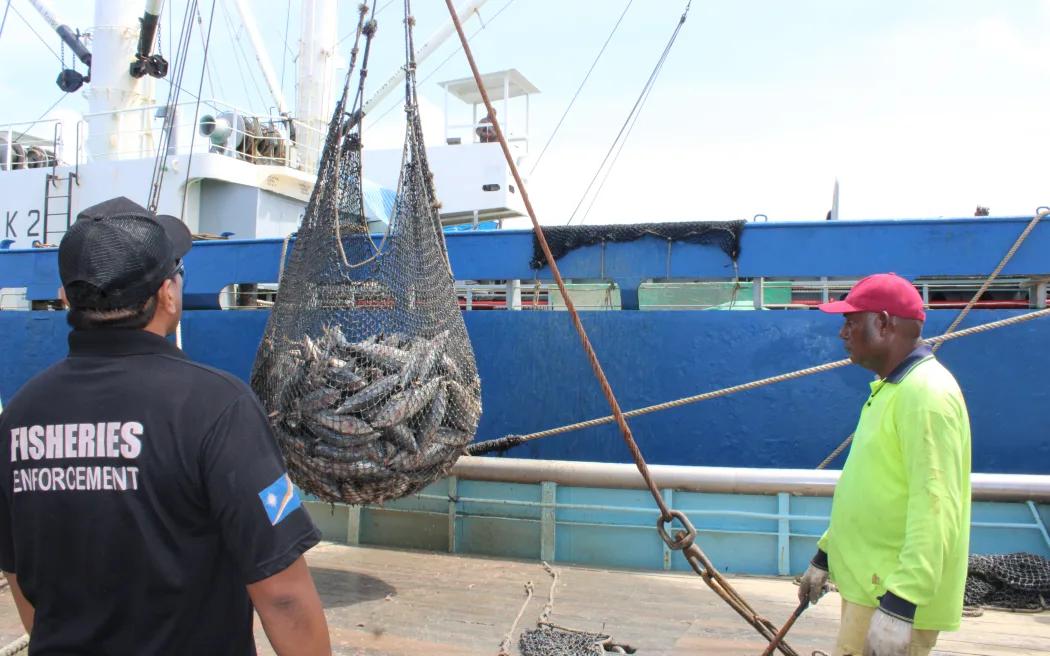
The decision is aimed at protecting Solomon Islands’ tuna industry, which is a key part of the national economy and export sector. Photo/RNZ Pacific/Marshall Islands Journal
In reversing the decision, the Wale government has moved to restore the previous 2005 regulation, which had banned the export of dolphins for more than two decades.
A government statement made clear the decision was aimed at protecting the country’s fisheries reputation and avoiding uncertainty in a sector closely tied to international trade and development partnerships.
“This action sends a strong and unambiguous message: Solomon Islands will not compromise its fisheries standards or risk its economic lifeline for short-term decisions.”
The reversal also highlights the fast-moving political changes that took place during the transition of government, with the earlier repeal signed just two days before the election of the new prime minister.
The earlier decision had surprised some officials within the fisheries ministry, who warned it could have “widespread impact” on the industry.
In November 2025, the International Marine Mammal Project (IMMP) of Earth Island Institute urged the Solomon Islands government to reject plans to capture and export up to 50 wild dolphins for sale to overseas aquariums.
The conservation group said in a statement that dolphin captivity caused early deaths and suffering and it warned this could harm ocean ecosystems and the Solomons' fisheries reputation.
Environmental groups have long opposed the capture and export of dolphins in Solomon Islands waters, warning it could damage marine ecosystems and the country’s reputation in international fisheries markets.
The issue has been part of wider regional conservation discussions in the Pacific, where cetacean protection is supported through international marine agreements involving island states.
Watch Matthew Wale take a walk in downtown Port Vila, just days after being elected Prime Minister of the Solomon Islands.
The new regulation now restores the ban in full, returning Solomon Islands to its previous position on dolphin exports.
For the Wale government, the move marks one of its first major policy actions in office, and sets an early tone focused on regulatory certainty and protection of the country’s fisheries reputation.
Further updates are expected as the government settles into office and outlines its wider fisheries and economic priorities.