Free education pledge inspires Solomons students in Aotearoa
Lachlan EddieMon, 19 Oct
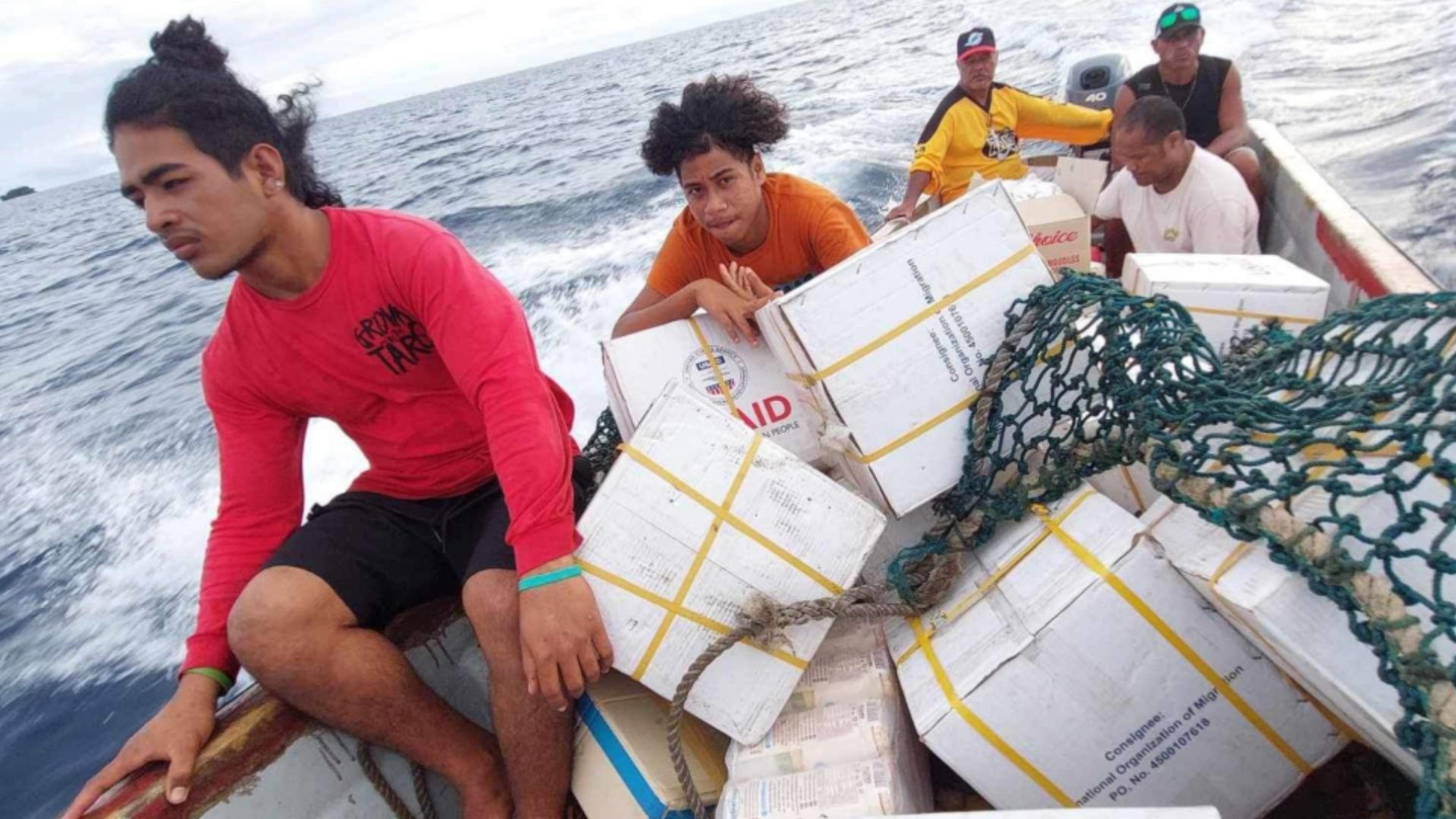
Reef waters and marine life in parts of Micronesia have been affected after El Niño conditions triggered a major fish kill, prompting renewed calls from Pacific leaders for a binding global methane treaty.
Photo/IOM/file
There are calls for a legally binding global treaty on methane emissions after El Niño conditions caused mass fish deaths and severe reef damage across parts of the Pacific.

Pacific leaders are stepping up pressure for a global methane treaty after a major fish kill linked to El Niño conditions left reef waters in parts of Micronesia discoloured and marine life dead in big numbers.
El Niño is a natural climate pattern that warms Pacific Ocean waters and can disrupt weather across the region including ocean temperatures and marine ecosystems.
The Federated States of Micronesia (FSM) says the crisis shows urgent action on methane emissions can no longer rely on voluntary global pledges.
FSM Secretary of Environment, Climate Change, and Emergency Management Florian Yatilman said communities are already feeling the impact.
“This month, the first signs of El Niño devastated communities in our archipelago," he said in a statement.
"The waters heated and turned black, and tens of thousands of the reef fish we depend on for food suffocated and washed up on our shores. Scientists tell us it is only the beginning.”
The mass die-off has raised fresh concern across small island states where coastal fisheries remain a key source of food and income.
“For small island states at the forefront of climate impacts, methane action is not a secondary solution," Yatilman said.
"It is a primary, immediate answer to the crisis we are experiencing first had. It is the safety of our people, the integrity of our land and livelihoods, and the security of our future generations."
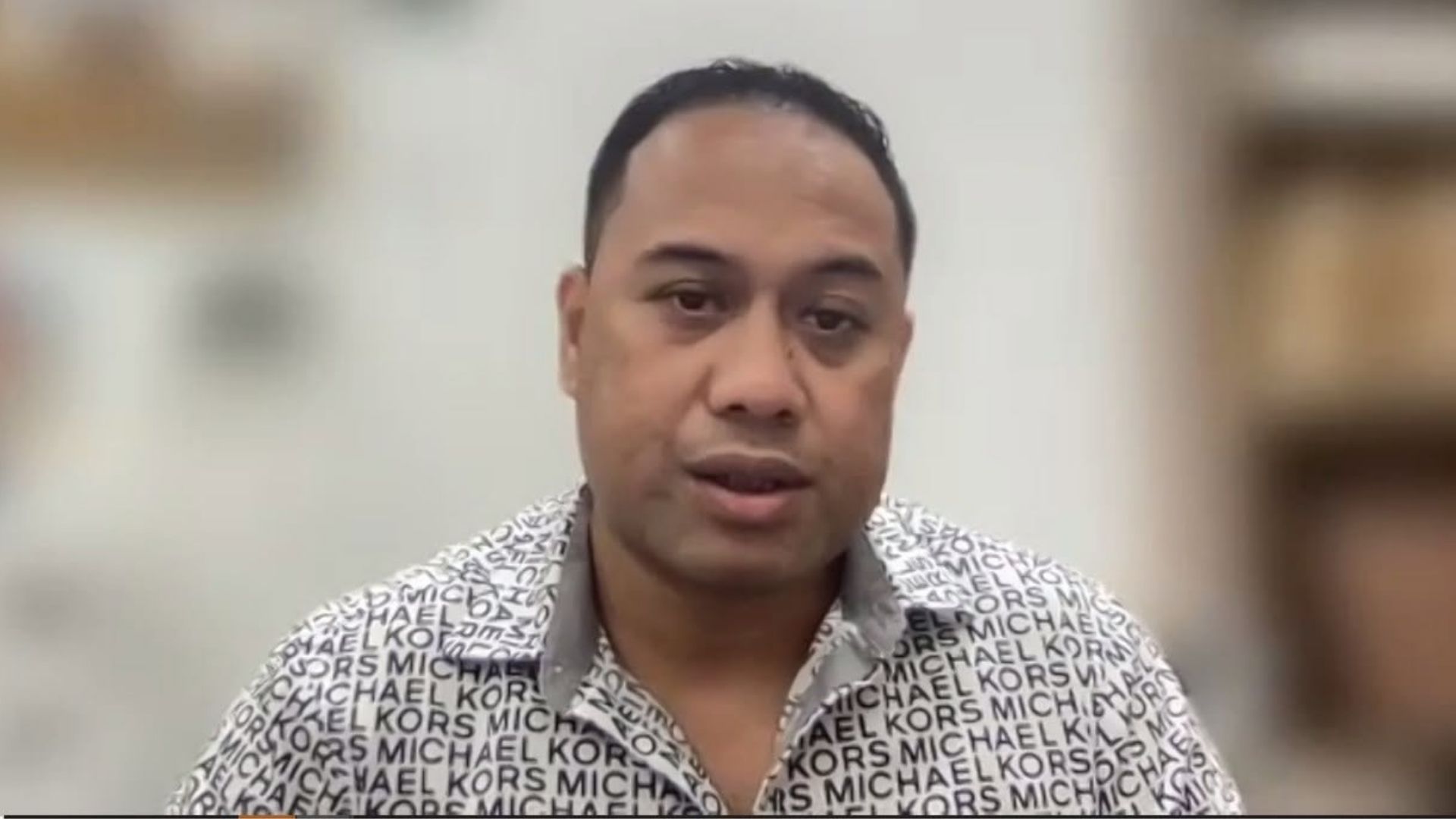
FSM Secretary of Environment, Climate Change and Emergency Management, Florian Yatilman, says communities are already facing severe impacts from warming seas and fish deaths linked to El Niño conditions.
FSM was among the first countries to join the voluntary Global Methane Pledge but leaders in the region now say voluntary action is not delivering the cuts needed.
“A fast-acting cure to lower the planet's fever exists, but the world is failing to use it,” Yatilman said.
He warned that methane emissions from the energy sector continue to rise despite global commitments.
“Methane reductions can prevent warming and reduce the exponential impacts that threaten islanders' lives and millions of others worldwide," he said.
"Instead of reducing emissions, this year methane gas leakage in the energy sector reached a new high, as have global temperatures.
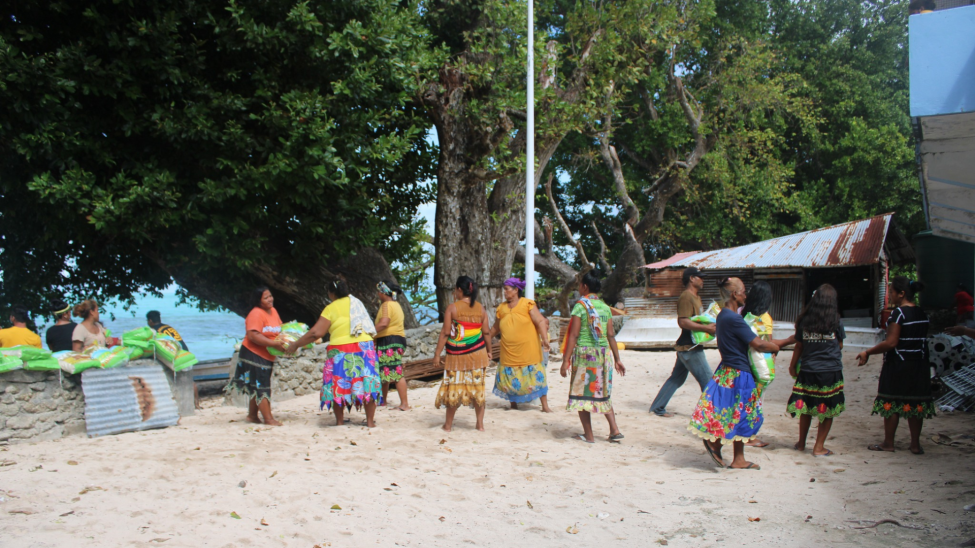
Pacific leaders are pushing for a binding methane treaty through UN processes, arguing voluntary climate pledges are not delivering the urgent cuts needed.
"The world is moving rapidly in the wrong direction!" he said. "As the Secretary General has clearly explained, voluntary measures are failing to deliver. More serious global action is needed, or it could be too late.
"This is why we support the call for a binding agreement on methane to rapidly and radically reduce emissions by ending the waste of fossil gas.
“It is unconscionable to delay action on methane when millions are in danger but the solutions are in our hands,” Yatilman said.
Backing Micronesia's call, Tuvalu has also thrown its support behind the United Nations Secretary-General António Guterres' push for stronger global action on methane, saying voluntary measures are no longer enough to tackle one of the world's most powerful greenhouse gases.
While stopping short of calling for a binding methane treaty, Tuvalu’s Minister of Home Affairs, Climate Change and Environment, Maina Vakafua Talia, said cutting methane emissions must become a global priority because of their role in driving rapid warming.
“Tuvalu welcomes and strongly endorses the UN Secretary-General's call for global methane action," his statement read.
"Methane is a highly potent greenhouse gas that drives rapid near-term warming, making it a critical target for slowing the pace and severity of climate change.”
Talia said Tuvalu was particularly concerned about methane released by the fossil fuel industry and renewed the country's call for a faster shift to clean energy.
“Furthermore, coal mining, including active and abandoned mines, is a major source of methane. We are calling for an urgent phase out of the extraction and use of fossil fuels and a rapid transition to renewable energy.”
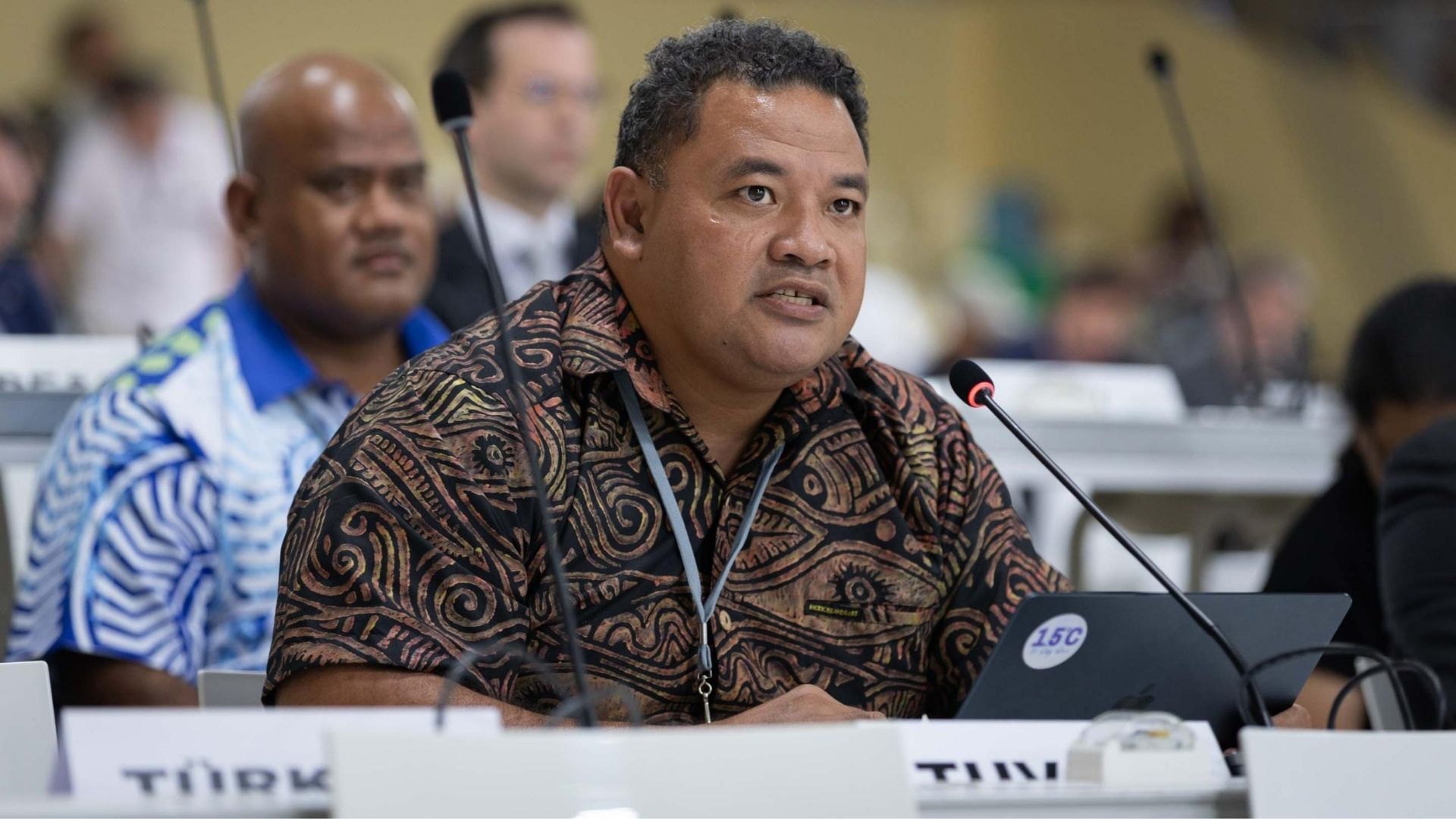
Tuvalu Minister Maina Vakafua Talia has backed calls for stronger global methane action, saying emissions from fossil fuels must be urgently reduced to slow near-term warming. Photo/IISD/ENB/file
Tuvalu also plans to keep methane reduction high on the international agenda when it co-chairs the Global Conference on Transitioning Away from Fossil Fuels in 2027.
“There is an urgent need for methane action in any and all relevant forums, which is why we intend to deepen the focus on methane solutions as the next co-chair of the Global Conference Transitioning Away from Fossil Fuels in 2027," Talia said.
"Tuvalu is answering the call from the UNSG and ready to step up the action on methane and invites the Santa Marta Process countries to actively participate with substantial engagement on this issue.”
The united Pacific push now turns towards the 2027 Global Conference on Transitioning Away from Fossil Fuels and wider international climate negotiations.
Correction: An earlier version incorrectly implied Tuvalu supported a binding methane treaty. The minister called for stronger global action to reduce methane emissions, but stopped short of supporting a treaty.