
David Seymour wants tougher welfare rule as Labour targets hidden costs in 2026 election
Thomas Tarurongo WynneFri, 09 Oct
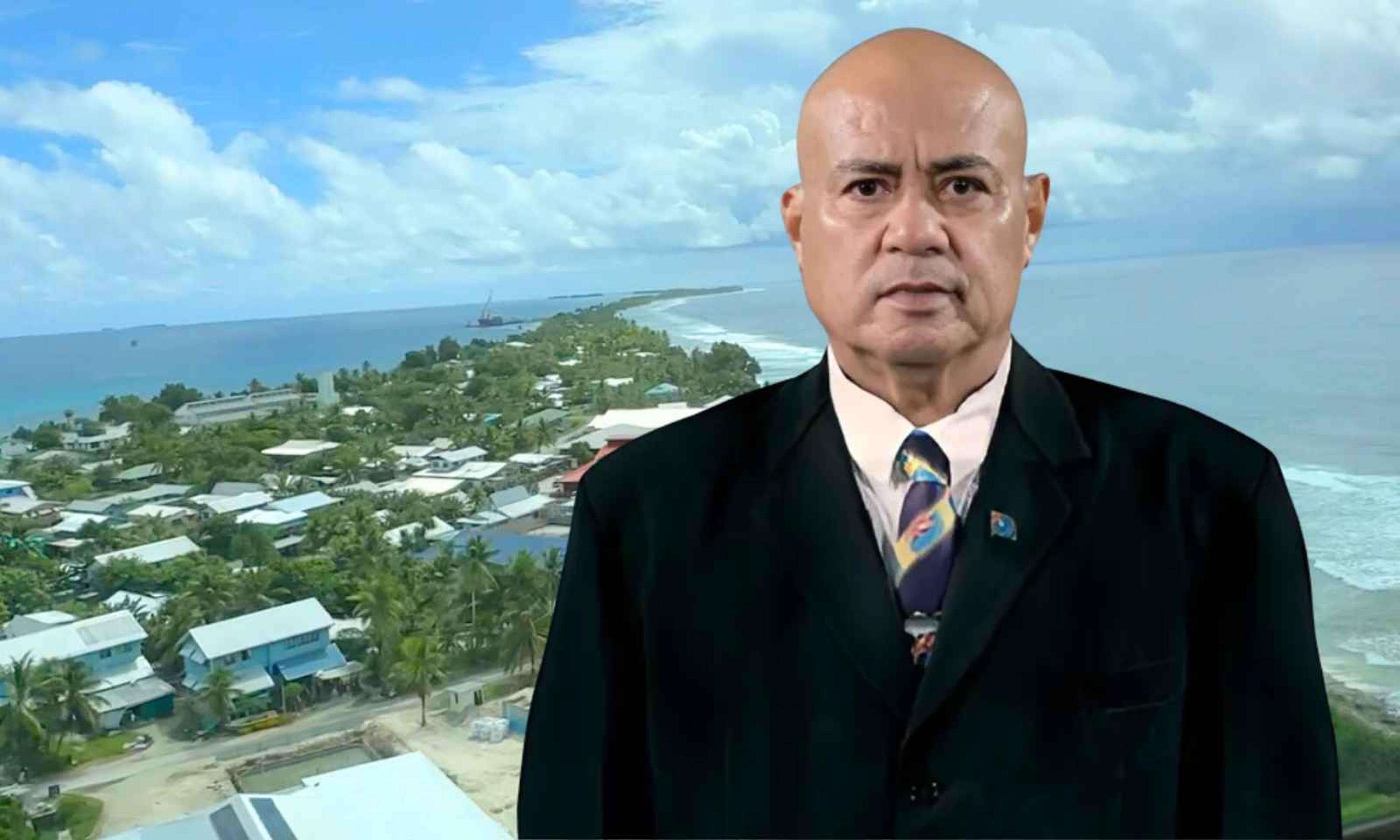
Tuvalu Prime Minister Feleti Teo has expressed concern over the fund’s fossil fuel exposure but says investment decisions are not solely under Tuvalu’s control.
Photo/PMN News composite
Canberra is refusing to release internal documents about the Tuvalu Trust Fund after investigations revealed the TTF has been invested in coal, gas and some of the world's biggest polluters.


Australia is facing renewed scrutiny after refusing to release internal documents linked to investment decisions made by the Tuvalu Trust Fund.
The fund was set up to help protect one of the world's most climate-vulnerable nations.
The move follows revelations that the trust fund has invested in companies linked to coal, gas and oil despite being established to help support Tuvalu as it faces rising seas and other impacts of climate change.
Australia's Department of Foreign Affairs and Trade (DFAT) rejected a request by the Agence France-Presse (AFP) for internal reports relating to the fund.
DFAT said the documents could "cause damage to the international relations" of Australia.
The Tuvalu Trust Fund is valued at about A$200 million (NZ244.32m) and provides critical revenue for the Pacific island nation.
Australia is the fund's largest contributor and holds one of three seats on its board.
Responding to questions from PMN News, a DFAT spokesperson said Australia would continue to use its position on the Tuvalu Trust Fund board to reduce the fund's exposure to fossil fuel investments.
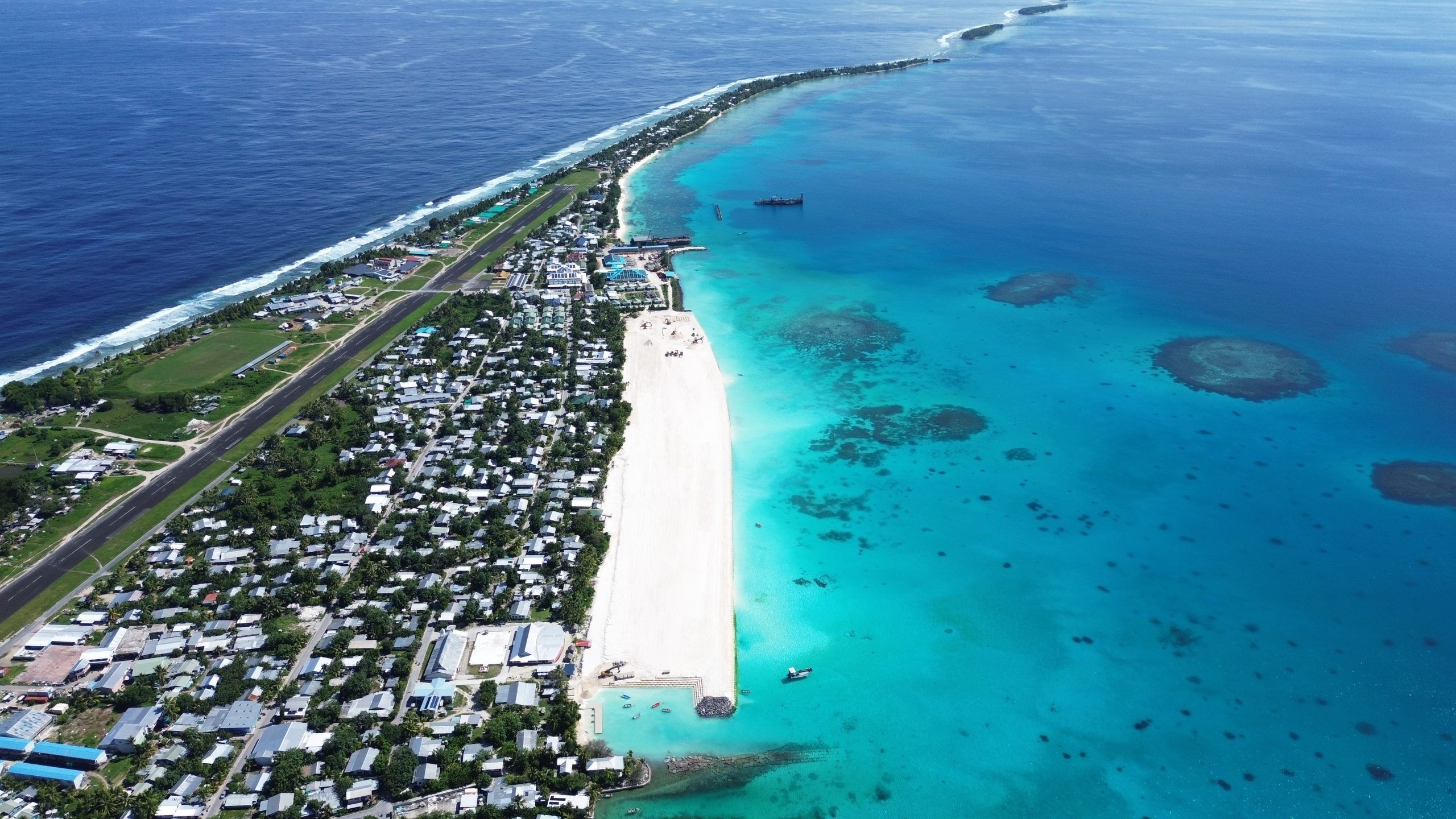
Tuvalu coastline affected by rising sea levels. The island nation remains highly vulnerable to climate change as scrutiny grows over the investments of its main trust fund. Photo/UNDP
"Australia will continue to use its position on the board to support the Tuvalu Trust Fund's efforts to safeguard the long-term interests of Tuvaluans, including minimising the fund's exposure to fossil fuel investments."
In background comments provided to PMN News, DFAT said the trust fund's annual reports and other information are available on its public website and referred further questions to the Tuvalu Trust Fund Secretariat Board.
The department said discussions and decisions within the board are treated as confidential by the participating countries, and that the Freedom of Information request was handled under Australia's Freedom of Information Act.
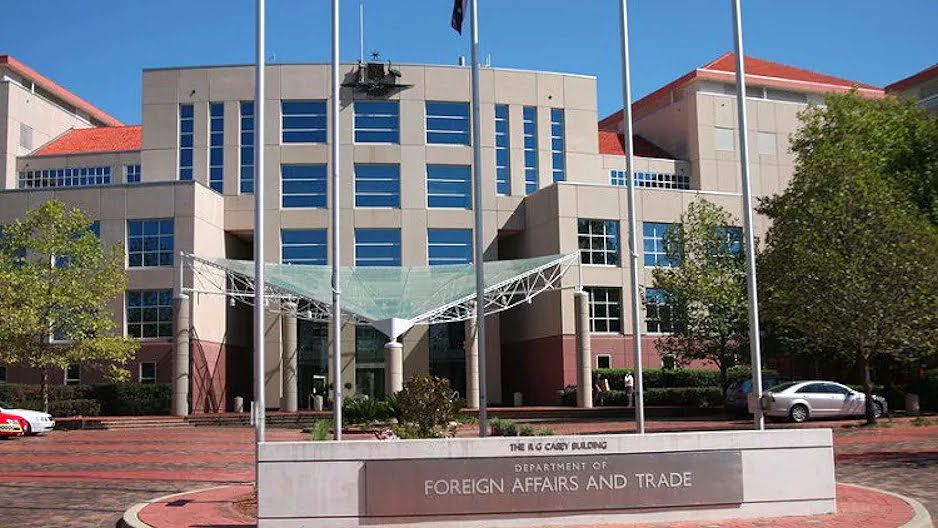
Australia’s Department of Foreign Affairs and Trade says it will continue working through its seat on the Tuvalu Trust Fund board to reduce exposure to fossil fuel investments.
DFAT also said the fund's investment policy requires its investment manager to take environmental, social and governance (ESG) factors into account when making investment decisions, and that the fund's approach to those issues is reviewed regularly.
PMN has contacted the Tuvalu Trust Fund Secretariat Board for comment.
The AFP sought access to the documents under Australia's freedom of information laws after its investigation found that the fund had exposure to fossil fuel-related investments.
Among the companies identified were Indian energy giant Reliance Industries, which owns the world's largest crude oil refinery, and The Southern Company, the second-largest greenhouse gas emitter in the United States.
Ivan Diaz-Rainey, a climate finance expert, said the lack of transparency surrounding the fund was concerning.
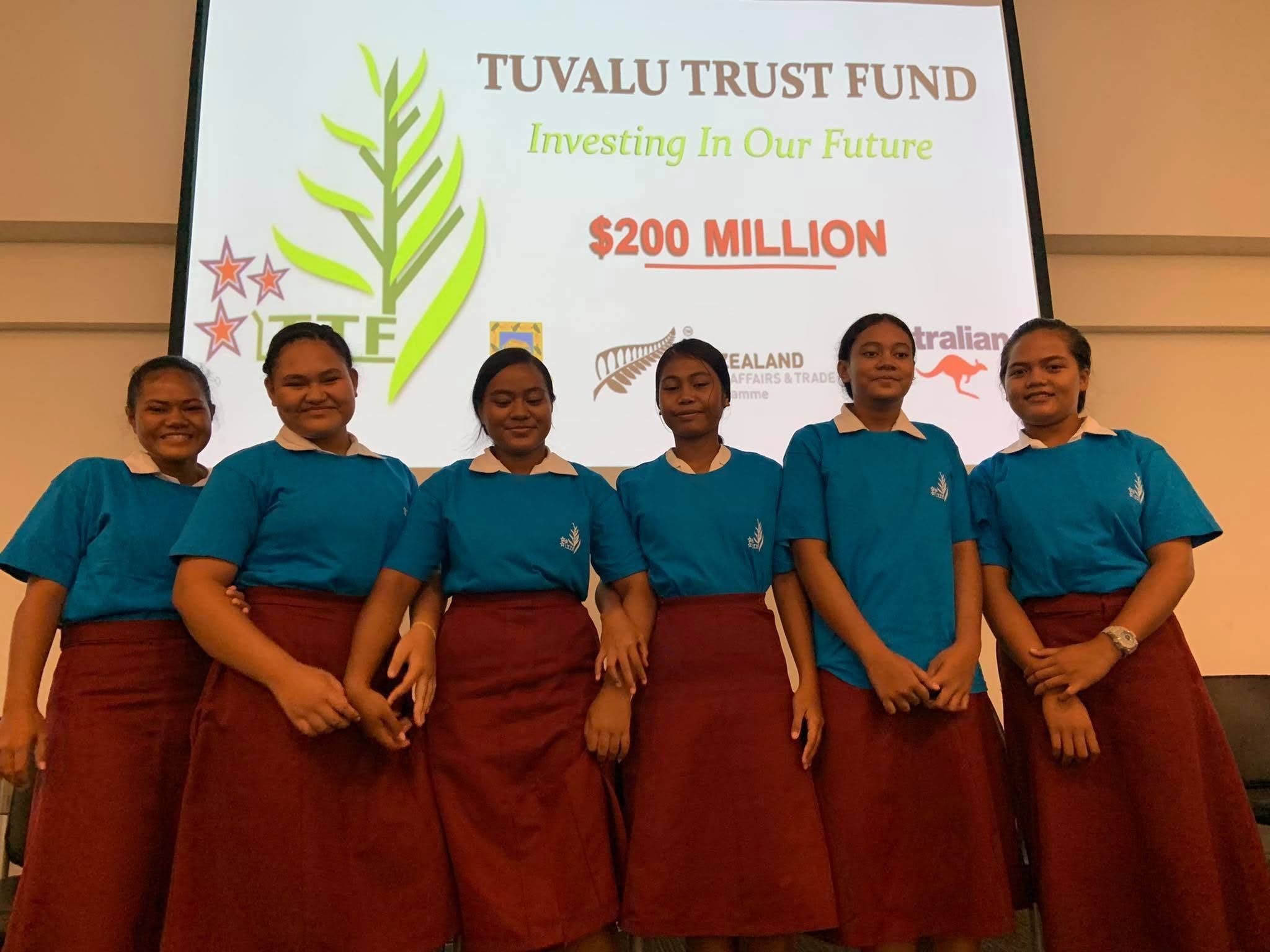
The Tuvalu Trust Fund, valued at more than NZ$200 million, provides key financial support for Tuvalu’s long-term development and climate resilience. Photo/Facebook/Tuvalu Trust Fund
"My greatest concern is that, unlike countries such as Australia, the Pacific islands are unlikely to have strong regulators or robust legal protections to guard against potential greenwashing," he told AFP.
The revelations are likely to reignite debate about climate justice and the role of fossil fuels in the Pacific's future.
Few countries face a greater threat from climate change than Tuvalu, where communities are already dealing with rising sea levels, coastal erosion and increasing climate-related pressures.
Wes Morgan, a climate policy expert, said the investments were completely at odds with Tuvalu's reality.
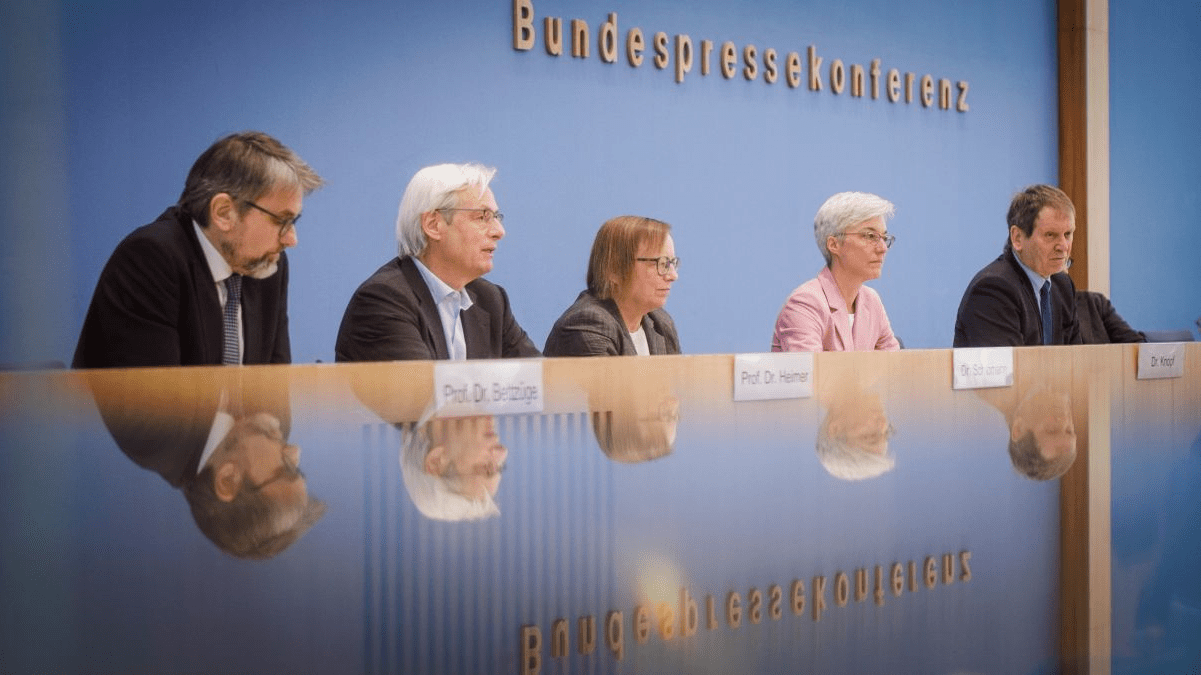
Climate policy experts say investments linked to major fossil fuel companies raise serious questions about climate justice and the purpose of funds supporting vulnerable nations. Photo/Institue of Energy Economics, University of Cologne - Germany
"It is utterly incongruous that the Tuvalu Trust Fund, which counts Australia as a board member, would be investing in the means of Tuvalu's destruction," he said.
The controversy is particularly sensitive as Australia seeks to strengthen ties with Pacific nations and position itself as a key climate partner in the region.
Tuvalu leaders have repeatedly criticised Australia's continued support for fossil fuel projects.
In 2024, Tuvalu Climate Minister Maina Talia described Australia's decision to approve further coal mining expansions as "immoral".
Tuvalu Prime Minister Feleti Teo said he was personally disappointed to learn about the fossil fuel exposure but noted that Tuvalu could not change the fund's investment strategy on its own.
"It's not solely under Tuvalu's control," Teo told AFP. "Tuvalu can't take a unilateral decision on where funds are invested."
The fund was established in 1987 with support from Australia, New Zealand and the United Kingdom and has long been viewed as a model for helping vulnerable nations build financial resilience.
Mercer, which has managed the fund since 2022, said it invests the Tuvalu Trust Fund in line with investment guidelines approved by the board.