‘Delayed recovery’: Pasifika job crisis will last until 2027 - expert
Renate RiversWed, 06 May
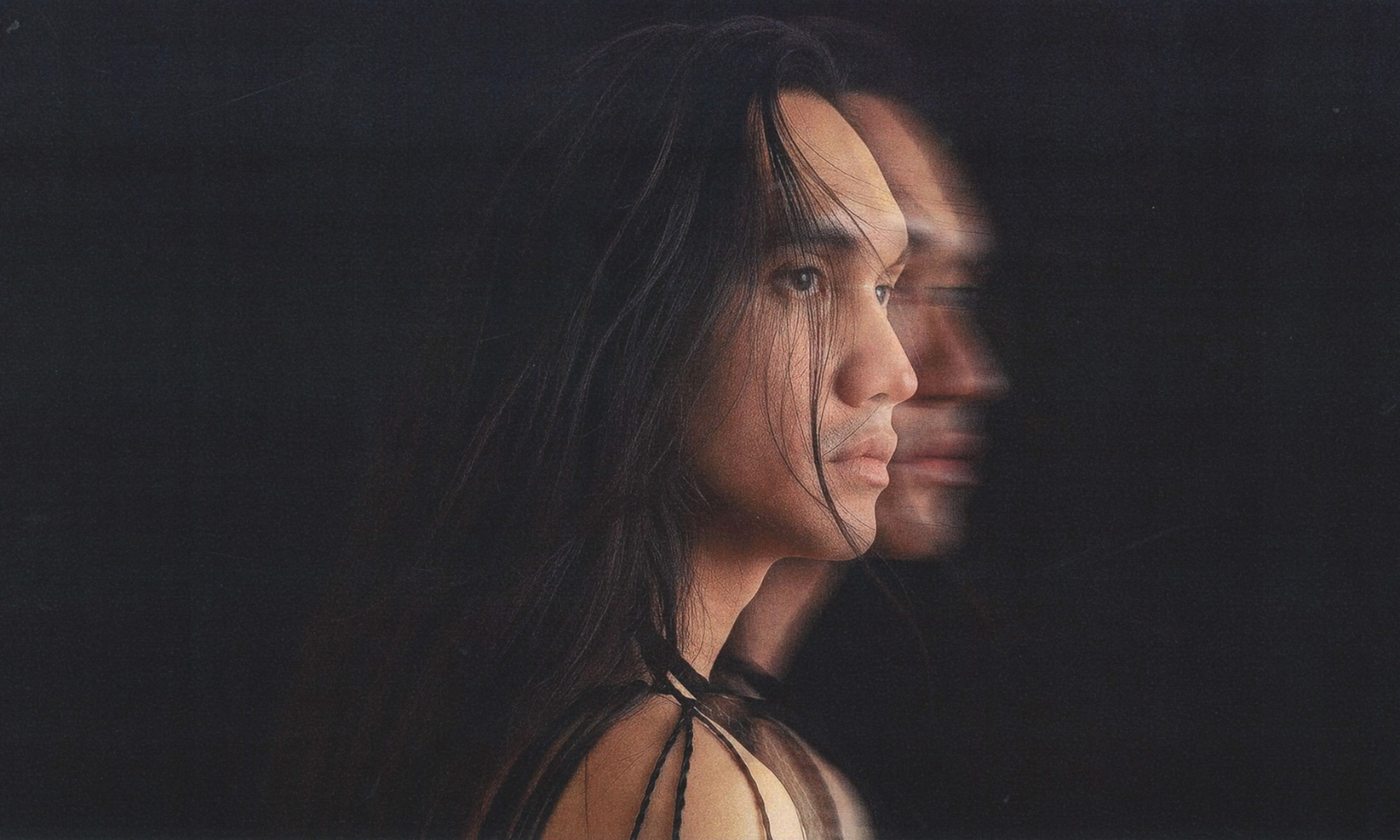
Seth Haapu.
Photo/Facebook
Described as a Pacific soul meditation, ‘Ranginui’ explores vulnerability, grief, and spiritual renewal.



At a time when many Māori and Pacific communities are searching for grounding amid grief, pressure, and change, award-winning artist and psychologist Seth Haapu is calling people back to ancestral traditions of healing with his new song, Ranginui.
Described as a “Pacific soul meditation”, the song focuses on themes of acceptance, vulnerability, and emotional release through atua pūrākau (ancestral narratives).
Named after the primordial parent of the heavens in Māori mythology, Ranginui, the sky father, whose tears fall as rain. The song moves from intimate, stripped-back verses to a soaring RnB soundscape, where taonga pūoro (Māori musical instruments) blend with modern soul textures.
Haapu, whose whakapapa links to Ngāti Porou, Ngāti Tūwharetoa, Te Ātihaunui-a-Pāpārangi, and the French Polynesian island of Huahine-Iti, wrote and co-produced the song with Noema Te Hau.
In a statement, Haapu says the song formed during “a difficult season of change”.
“When it rains, it pours - and I couldn’t pretend otherwise. Healing isn’t about stopping the rain; it’s about trusting the cycle.”
Speaking on Pacific Days, Haapu says modern psychology often relies on Western and Eastern frameworks, but Māori and Pacific people have centuries-old traditions of emotional and spiritual healing rooted in their cultures.
“I was really interested in getting back into the hundreds and hundreds of years of healing we know as people across Te Moana-nui-a-Kiwa,” Haapu says.
“Ranginui talks about the rain as tears and the natural cycle of loss and healing. When it rains, it grows the whenua - there’s beautiful matauranga (knowledge) in that.”
Watch Seth Haapu's full interview below.
Haapu’s dual path in music and psychology has shaped not just how he writes, but also why.
“Very simply, it’s about tapping into the human experience,” he says. “Songs are messages. The thoughts we have, the emotions, our relationships. All of that naturally leans into the creative process.”
Currently completing a Doctorate in Clinical Psychology, Haapu’s research explores waiata as healing practice for rangatahi Māori, through his thesis titled Te Oro Oranga.
He says today’s youth are deeply reconnecting with ancestral sound-based practices.
“Karakia, haka, mōteatea (laments), pātere (fast-tempo chants), waiata - these have always been ways our tūpuna, our ancestors, knew to connect to healing. So I think it’s really interesting to hear how our rangatahi are drawing on these…and keeping them alive today,” Haapu says.
“When they sing a song that was created 300 years ago, they’re essentially bringing their ancestors to life today.
“When they connect with the taonga (treasure) of their reo, they’re speaking the language of identity. That has a huge impact on their hauora, their well-being.”
Haapu says Ranginui continues this kaupapa of waiata as rongoā (music as a remedy/medicine), combining his lived experience, cultural grounding, and clinical perspective.
Haapu acknowledges the mental health pressures faced by Māori and Pacific creatives but says vulnerability itself is a source of strength.
“What I've tried to capture in Ranginui is my own vulnerability and my own lived experience of being in these challenging times. But, also not running from or avoiding the emotions, actually being with them.
“I think by being with those emotions, with our hardship, our grief, it acknowledges those emotions so that you can eventually move on from them.”
For Haapu, his whānau and tūpuna provide the musical foundation of his life, a gift passed down through generations. This intergenerational grounding is woven throughout all his work.
As a producer, Haapu has collaborated with some of Aotearoa New Zealand’s most influential Māori music artists, including Whirimako Black, Stan Walker, TEEKS, and Maisey Rika. He received the 2021 APRA Maioha Award and the Best Hip Hop & RnB Album at the 2024 Waiata Māori Music Awards.
Ranginui offers a glimpse into Haapu’s forthcoming 2026 album, which will further explore themes of spiritual transformation and sonic healing.
Supported by Te Māngai Pāho and distributed by Digital Rights Managers (DRM NZ), the single carries a message he hopes listeners will feel deeply.
“I hope people are able to feel their own journey through this waiata,” Haapu says. “And encourage them to be all good with tapping into their emotions, their thoughts, their feelings, and being kei te pai with that, being all good with it.
“He tapu koe - you are sacred. Hold on to that.”
Ranginui is now available on all music streaming platforms.