PNG Chiefs win first round against New Zealand Rugby
Christine RovoiSat, 17 Oct
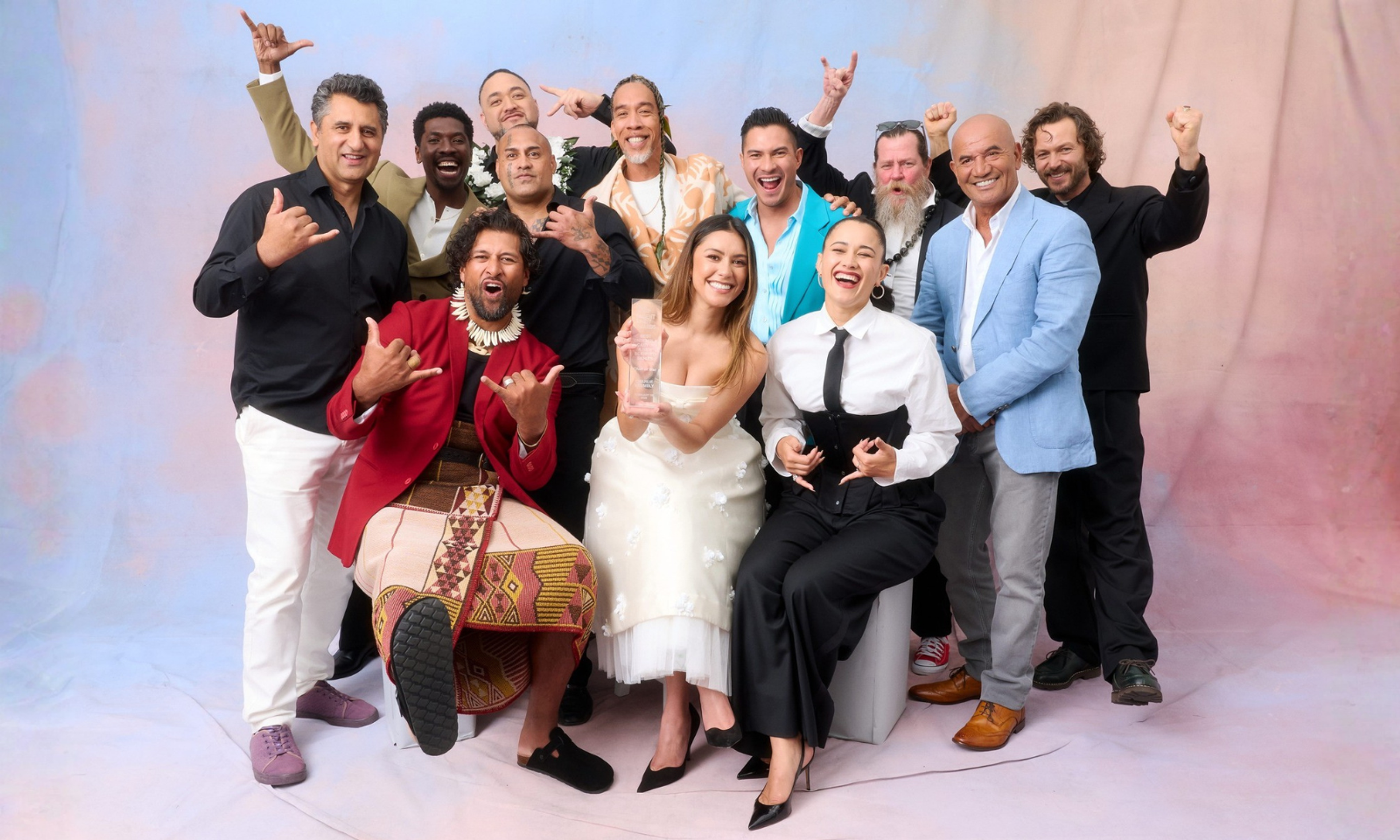
All smiles from the cast of ‘Chief of War,’ winner of Best Ensemble Cast in a New Scripted Series at the Film Independent Spirit Awards.
Photo/IMDb/Facebook
Jason Momoa’s historical drama is recognised at the 41st Film Independent Spirit Awards. It spotlights indigenous talent and authentic Pacific storytelling in Hollywood.


Hawaiian history, Pacific voices, Hollywood recognition.
Chief of War, the Apple TV historical drama led by Jason Momoa, has scored a major win at the 41st annual Film Independent Spirit Awards.
Chief of War took home Best Ensemble Cast in a New Scripted Series. The victory celebrates a predominantly Pacific cast, shining a spotlight on indigenous actors rarely centred in their own stories.
Created by Hawaiian Hollywood trailblazers Momoa and Thomas Pa’a Sibbett, the series features Luciane Buchanan, Te Ao o Hinepehinga, Kaina Makua, Temuera Morrison, Cliff Curtis, Siua Ikale’o, Brandon Finn, Moses Goods, Keala Kahuanui-Paleka, Mainei Kinimaka, Roimata Fox, Te Kohe Tuhaka, Branscombe Richmond, Sisa Grey, Siaosi Fonua, Ioane Goodhue, and James Udom.
Hosted by actor and comedian Ego Nwodim at the Hollywood Palladium last weekend, the Spirit Awards raises funds to support Film Independent’s mission to champion inclusive and innovative voices in cinema.
The winners are voted on by Film Independent members, where membership is open to the public.
Curtis joined his Chief of War co-stars on stage to accept the award, recalling his previous Spirit Award win for Whale Rider in 2004.
Reading a speech by Pa’a, Curtis praised Momoa as “our chief, actor, writer, director, and producer”.
“Jason couldn’t be here today, along with our King Kamehameha (Makua) because they didn’t want to leave Hawai’i,” Curtis jokes. “So we’re here to represent.”
The speech highlighted how Chief of War breaks the usual Hollywood mould for Pacific actors.
“Quite often, Pacific artists are asked to play a background role in other people’s stories. Even stories that take place in our own homelands,” Curtis read.
“However, with Chief of War we weren’t asked to play small-time criminals or graceful hula dancers. We weren’t cast as ‘Bouncer Number Two’ or [as] traditional Hawaiian musicians usually seen in a story about Hawai’i, in our own land.
“We were asked to represent proud royal bloodlines with the complexities of their own personal histories. We were asked to showcase people, language that has never been captured on screen in this way.”
Pa’a noted the series immerses audiences in Hawai’i’s history while reflecting the "cultural clashes" of modern society, offering lessons in triumph and failure.
“But if you look at it properly, our show is a direct mirror of the clashing of cultures we face in today’s society along with the blueprint of what worked and what went absolutely wrong.”
In celebration of Hawai’i Language Month in the United States, Goods concluded the acceptance with acknowledgements in ‘Ōlelo Hawai’i followed by Kahuanui-Paleka performing a ha’a, the Kanaka counterpart to Māori haka.
Behind the scenes:
Much of the 18th-century Hawaiian landscape was recreated in the Waitākere Ranges and West Coast black-sand beaches of Tāmaki Makaurau.
All Blacks legends made cameo appearances as tribal warriors, including Ofa Tu’ungafasi, Troy Flavell, Rene Ranger, Frank Bunce, Piri Weepu, Eric Rush, Pita Alatini, Kees Meeuws, and Liam Messam.
The cast trained with language specialists for months to master ‘Ōlelo Hawai’i.
With a reported budget of NZ$575 million (US$340 million), Chief of War ranks among the most expensive television series ever produced.
The final battle was filmed in reverse during sunrise across five units while Mauna Loa and Kīlauea volcanoes erupted simultaneously - a first in nearly 40 years.
Chief of War isn’t just a historical drama, it’s a bold statement of Pacific identity, representation, and storytelling on a global stage.