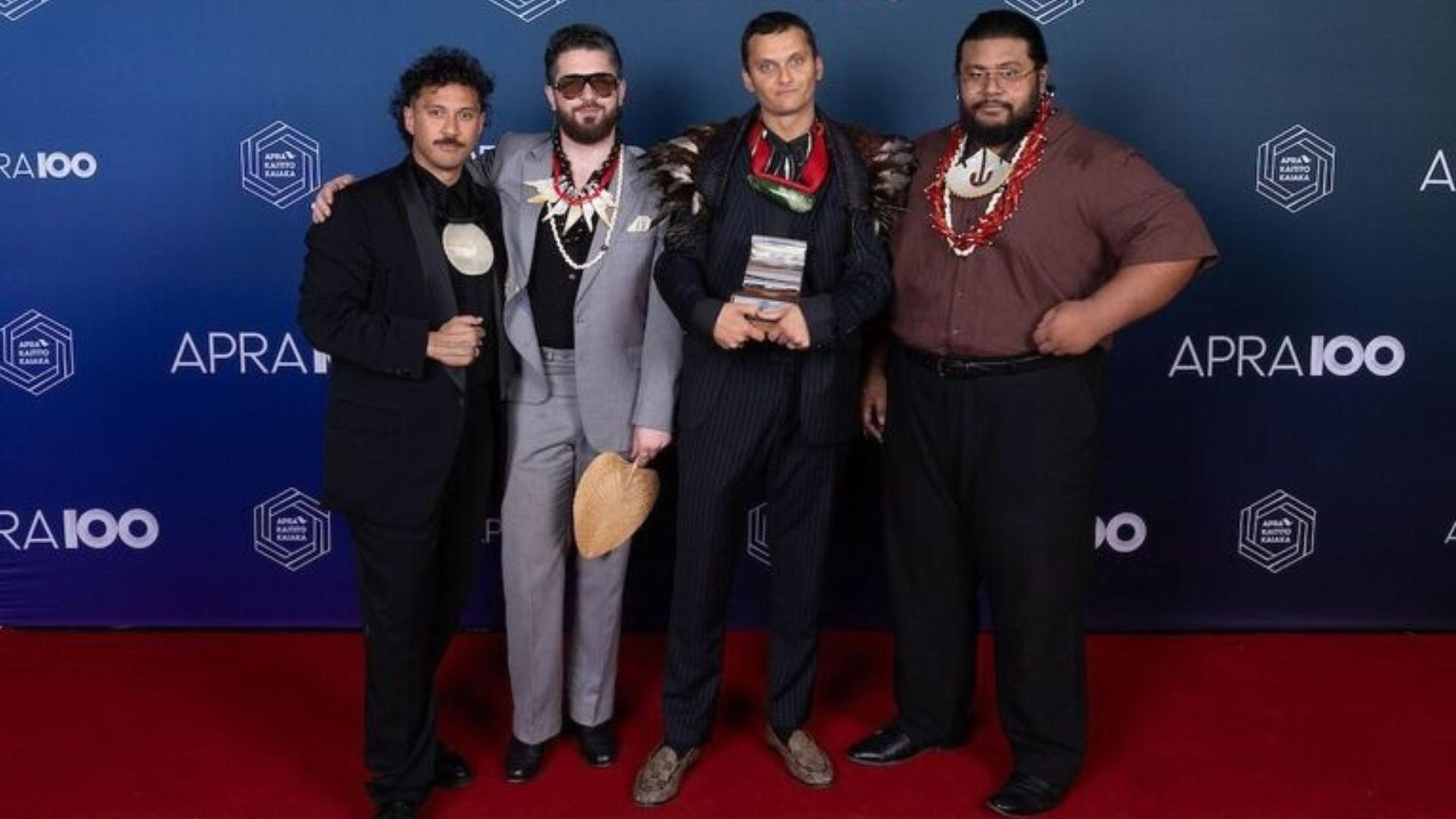
LEAO claims Silver Scroll with first pure Gagana Sāmoa winner
Brooke FonotiWed, 21 Oct
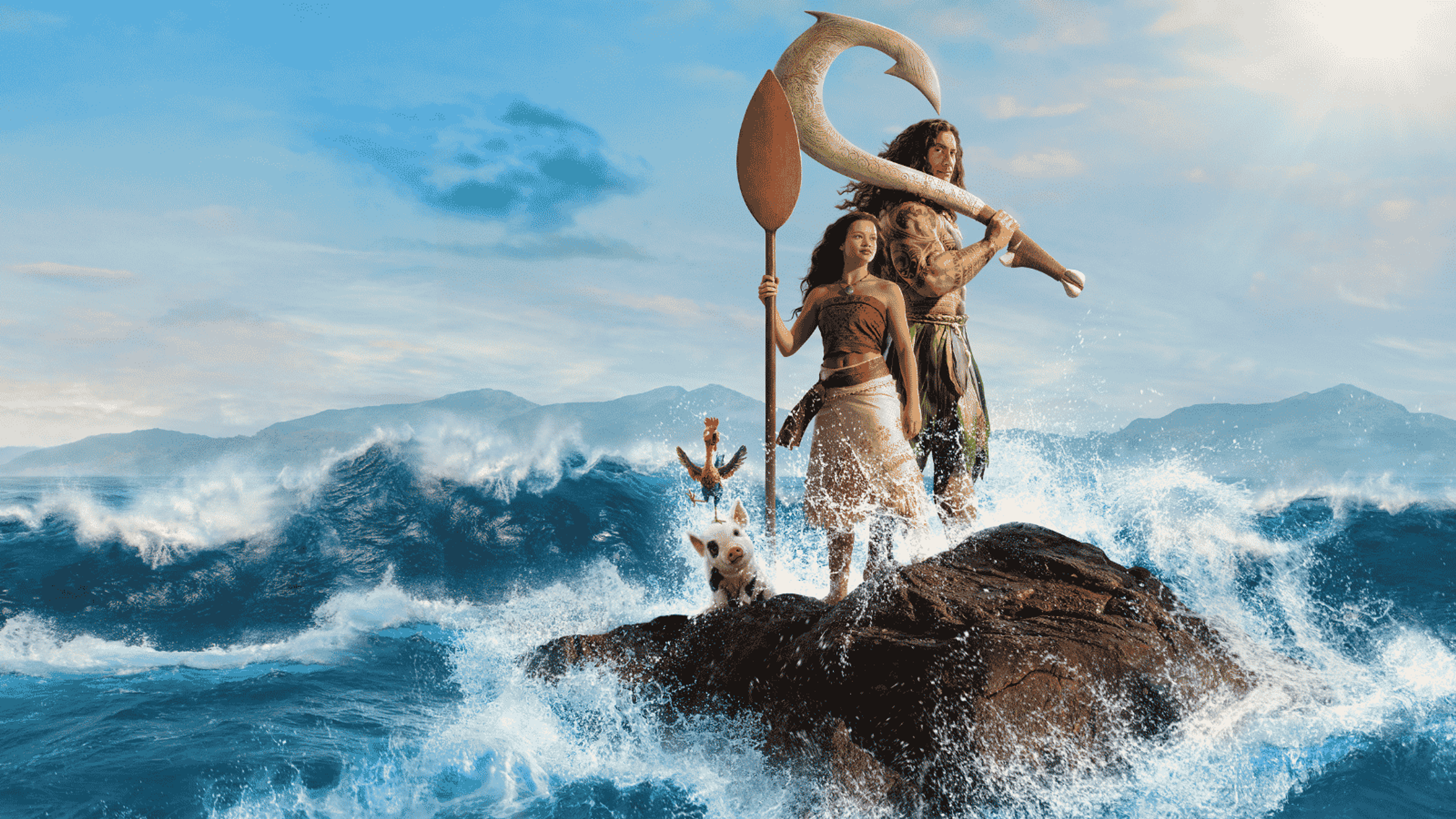
Catherine Laga'aia makes her film debut as Moana as Seiuli Dwayne "The Rock" Johnson reprises his role as Maui in the live-adaptation of Disney's Moana.
Photo/Disney
While some critics question whether Disney’s remake was needed, many Pasifika see something deeper.

Disney’s live-action Moana has become more than an adaptation for many Pacific viewers.
While some film critics have dismissed the remake as unnecessary, online conversations across the Pacific diaspora are telling a different story.
This one is about representation, identity and who gets to tell the Pacific stories.
A review by RNZ titled Who asked for a slightly worse version of Disney’s Moana? argued the live-action adaptation struggles to justify its existence, saying the feeling that audiences could "just be watching a better version of the same thing is unshakeable".
But for many Pacific audiences, the conversation is not only about whether the film is better than the original.
It is about seeing Pacific people bring ancestral-inspired stories to life.
Faleolo Levao Leo says that difference is important.
"A lot of people expected the live-action Moana to be another big Hollywood movie or another box office release. But for us as Polynesians, it's so much more than that," Leo writes in response to the RNZ review.
"When Dwayne Johnson spoke about how special this film is to him because of his grandfather and his heritage, that really meant something.
"This isn't just entertainment. This is our culture. This is our history. This is our identity. It’s our people, our traditions, our stories, and our ancestors being represented.
"It's not simply about watching a film - it's about seeing our heritage honored and celebrated for the world to see."
For many Pacific families, that connection is the reason they are heading to cinemas.
Angela Jackson said it was an emotional experience.
"I took my two granddaughters, we loved it. Call me a big softy, I had tears in some parts and laughed at other parts" she said.
But the excitement has also come with questions about cultural ownership and whether major studios are using indigenous stories for commercial gain.
Some viewers have questioned whether Disney should have created a new story instead of revisiting the original.
"Of course, it’s important and meaningful to see Polynesian culture represented again in a big movie," one Rotten Tomatoes reviewer wrote.
“But doesn’t it deserve a new story rather than this reheat of last week’s dinner?"
Others have raised concerns about casting choices, including whether more people from Pacific communities and the islands themselves could have been involved.
"I would've liked to see more islanders from the actual islands, the ones that live and speak the culture lol my opinion no one asked for. Also, surely they could have found an island guy with long curly hair to be Maui," one Facebook comment wrote.
Many viewers have praised Catherine Laga’aia in her first major film role as Moana, describing her performance as "refreshing" and "youthfully optimistic".
Criticism has also focused on the wigs worn by Laga’aia and Seiuli Dwayne Johnson (Maui), with director Thomas Kail defending the decision as a practical choice for filming the demanding ocean scenes.
Beyond the reviews and online debate, the film has opened up a wider conversation about Pacific storytelling sovereignty.
Imeleta Soloma'anaima, a Fijian cultural and language specialist, says it represents a shift towards Pacific people reclaiming their own narratives.
"We’ve always been part of someone's research. We’ve always been someone's thesis. We’ve always been someone's documentary. We’ve always been someone's review. Now, we get to be our own storytellers."
As the digital debate continues, it is clear that the conversation stretches beyond traditional box office metrics.
Disney's live-action Moana is now showing in cinemas nationwide.