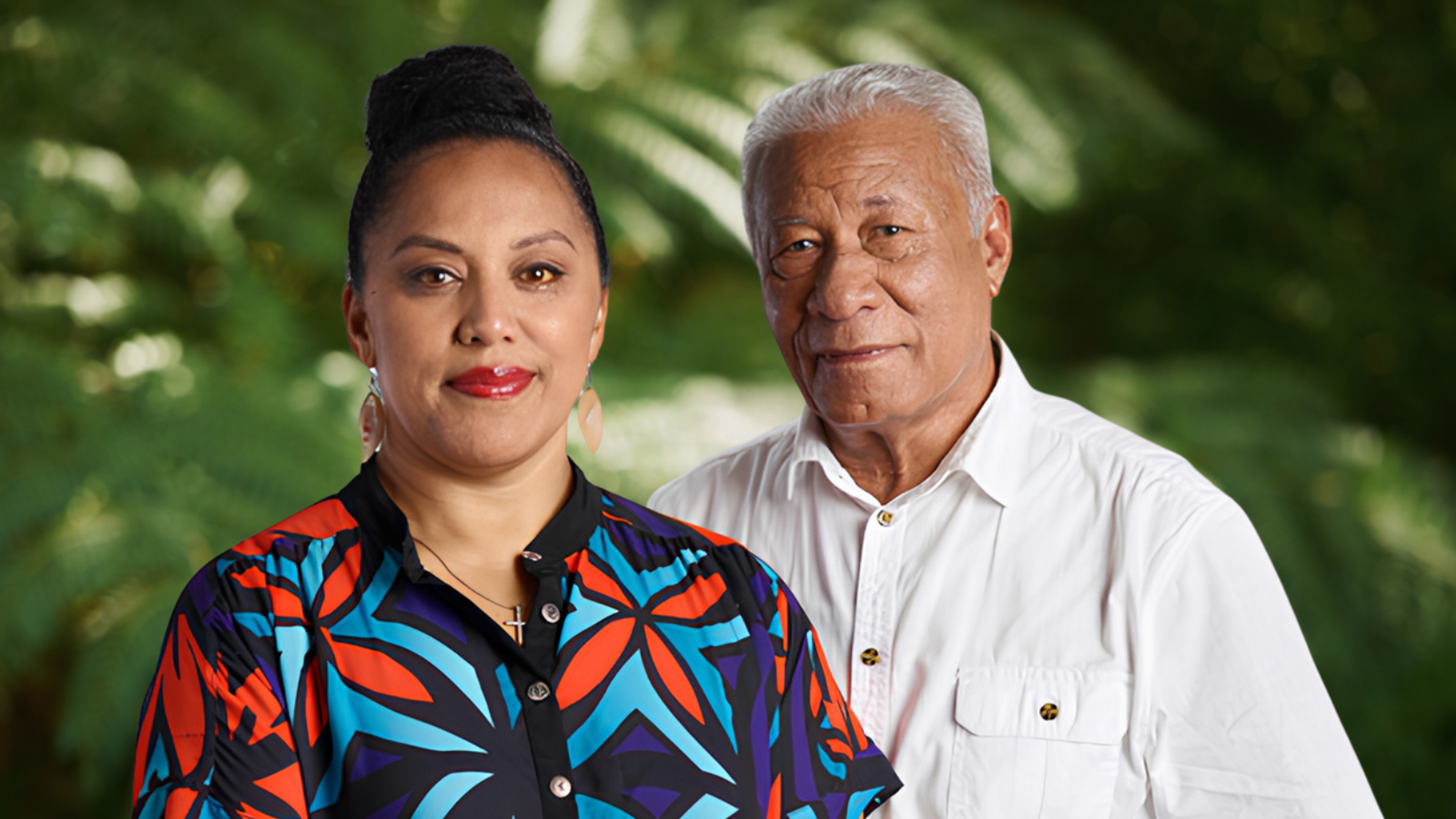
Pacific ukulele performance at a community event capturing connection, culture and celebration.
Photo/nationaldaycalendar.com
Entertainment
Four strings, one ocean: Pacific islands roots take centre stage on World Ukelele Day
From Hawaiʻi to Aotearoa and across the region, music lovers are celebrating an instrument that carries deep cultural connections, shared history, and a sound recognised around the globe.

PMN News
Published
03 February 2026, 2:00pm
Share
Copy Link
Top stories


Top stories
Observed every year on 2 February, World Play Your Ukulele Day encourages people to pick up the four-stringed instrument and play - whether they are seasoned performers or complete beginners.
For many in the Pacific, the day is also about recognising the ukulele’s place in island cultures and its role in bringing communities together.
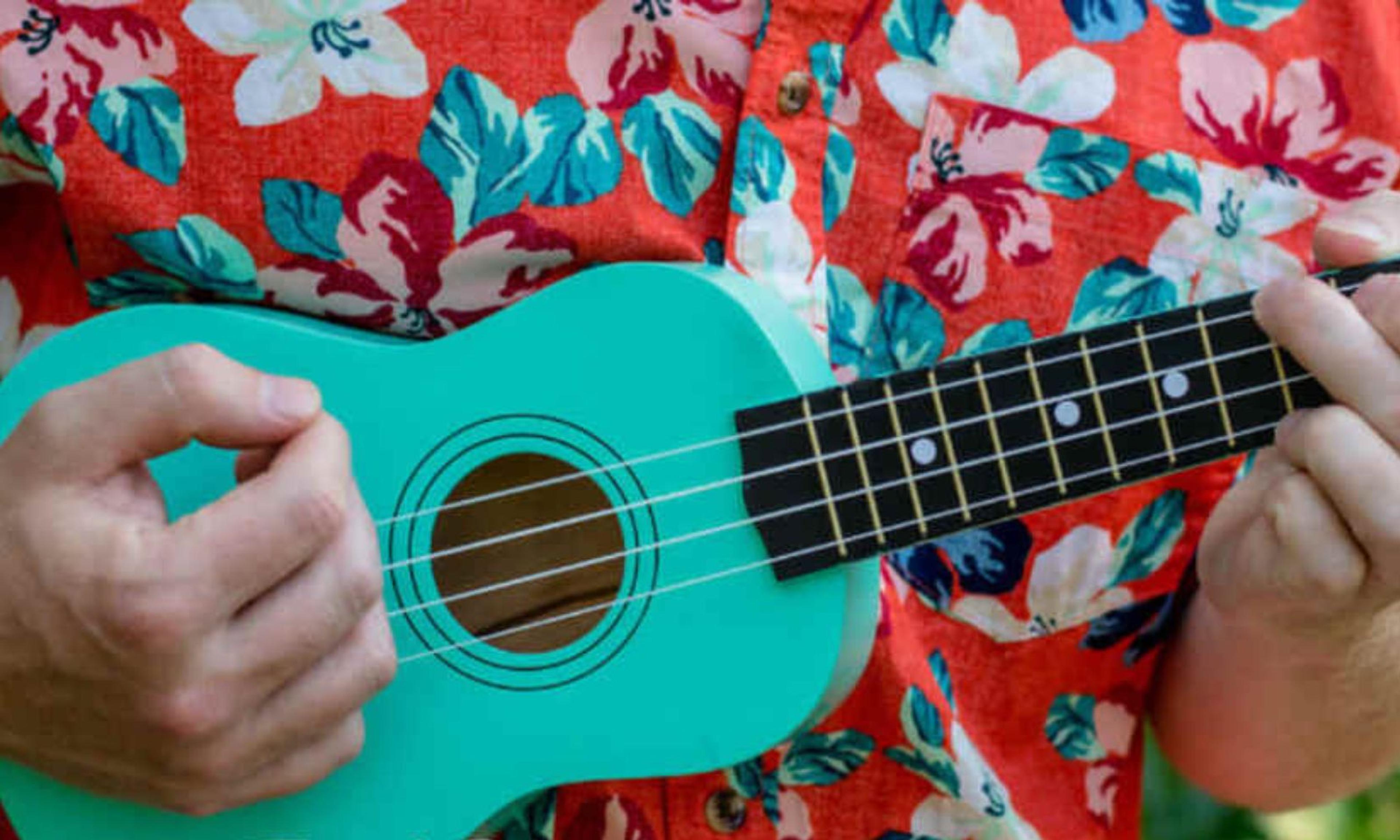
The ukulele is a member of the guitar family, but smaller in size and lighter to hold, with four strings tuned to G, C, E and A.
Its name comes from the Hawaiian word meaning “jumping flea”, a reference to the quick movement of a player’s fingers across the strings.
While closely associated with Hawaiʻi, the instrument itself was introduced there by Portuguese immigrants in the late 19th century before being embraced and transformed locally.
Over time, the ukulele travelled far beyond the Pacific. It became popular in jazz during the early 20th century and later found a place in country, pop and rock music.
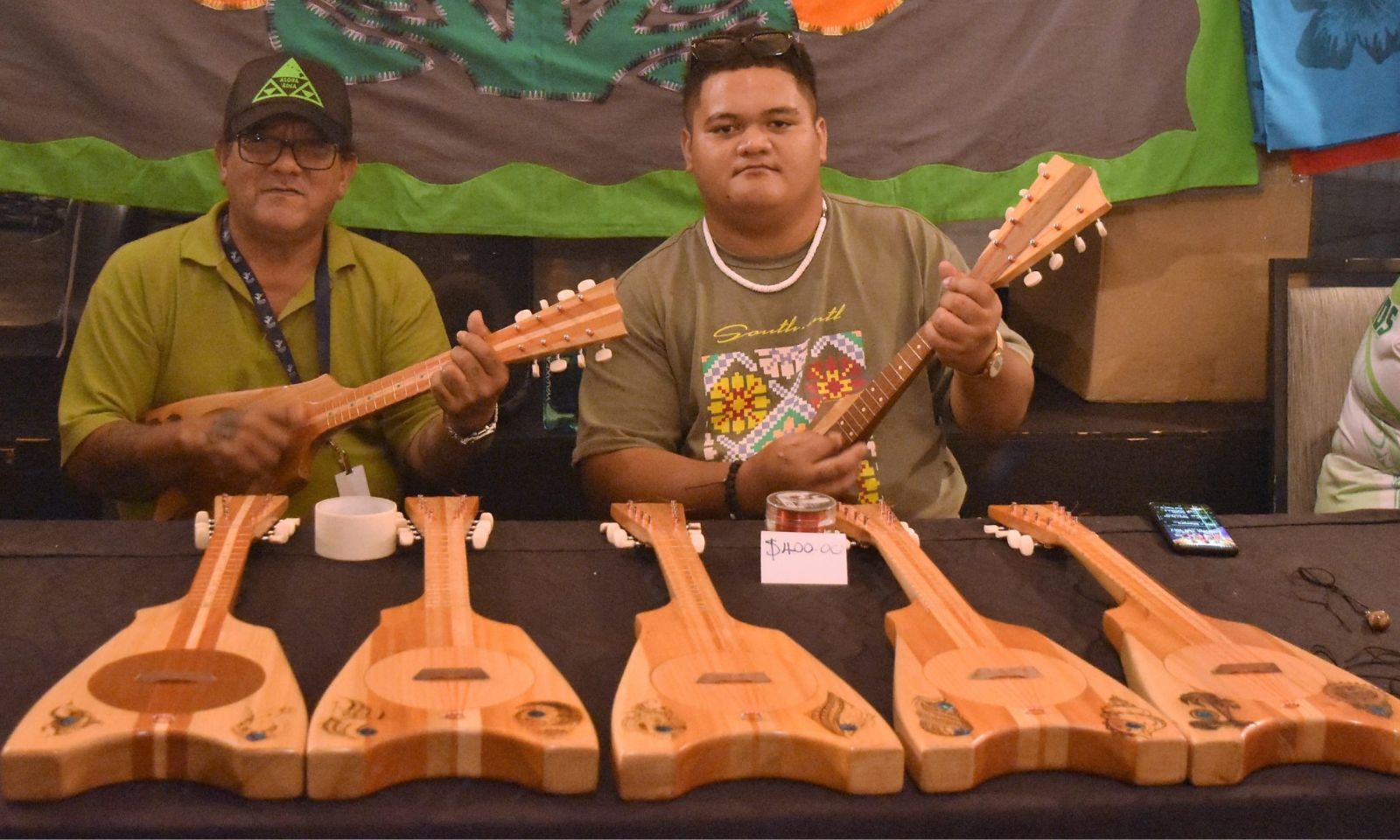
Renowned ukulele maker Ricky Adamu, left, in the FestPAC Village at the Hawai’i Convention Center in Honolulu. Photo/Cook Islands News/Melina Etches
Artists such as George Harrison, Eddie Vedder, and Taylor Swift have all performed with the instrument, helping introduce it to new audiences.
But its cultural heart remains firmly in the Pacific. The instrument is often linked with storytelling, family gatherings, and community events, and is widely seen as welcoming and easy to learn.
Its small size has also made it a popular first instrument for children.
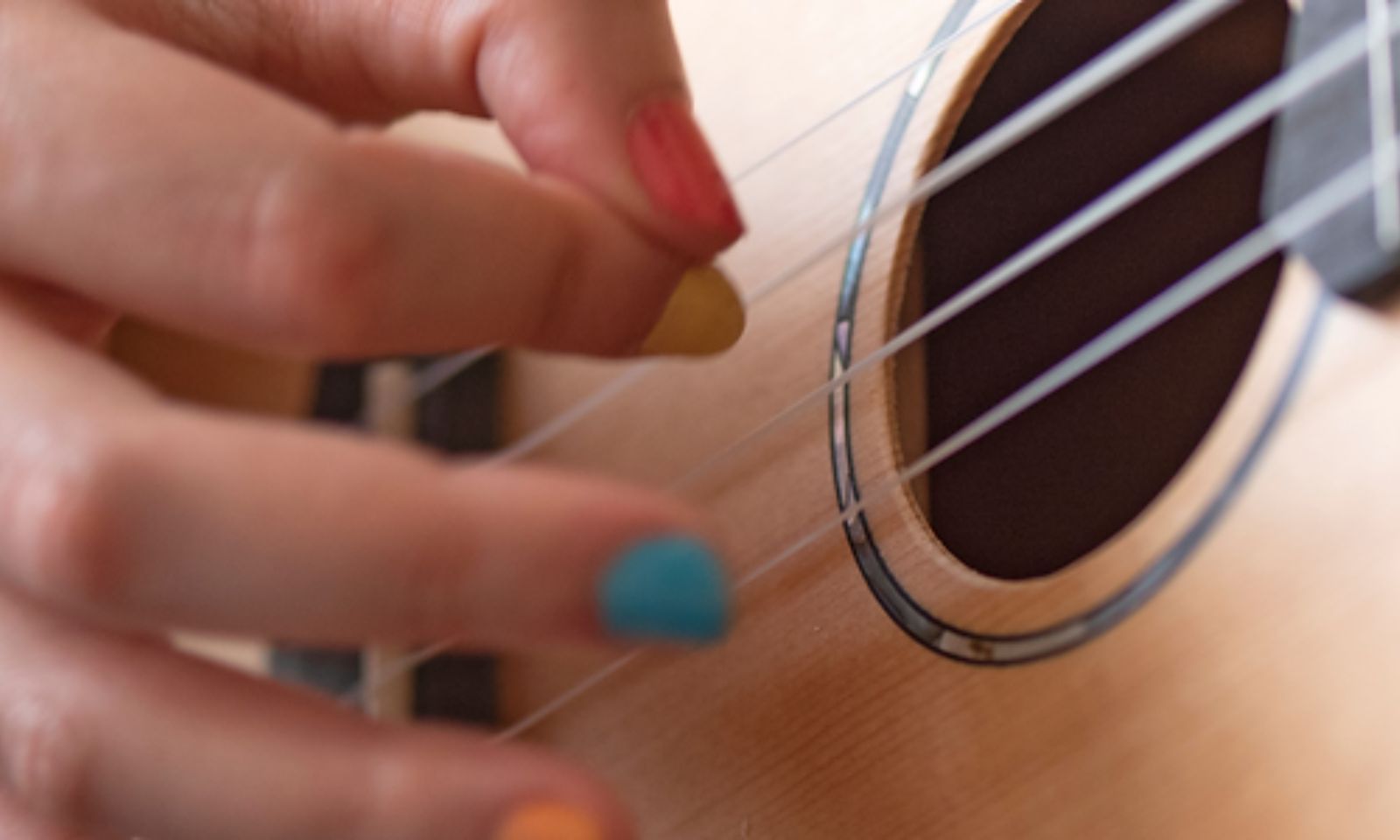
Close‑up of hands strumming a ukulele’s four strings (G, C, E, A). Photo/allegromusicschools.com
World Play Your Ukulele Day is celebrated internationally under the slogan “Bring the world together, four strings at a time”, with events ranging from concerts and workshops to informal jam sessions.
Many players also mark the day online by sharing performances and tutorials.
The day was established in 2011 by Mike Lynch, an American teacher and musician also known as “Ukulele Mike”.
He promoted the instrument through online lessons and believed it could help bring people together. Lynch died in 2018, but the annual celebration continues in his memory.
Media outlets across the Pacific and beyond have highlighted the ukulele’s enduring appeal.
The ABC described the day as a chance to celebrate “the humble instrument's deep cultural roots across the Pacific”, while the network's Weekend Shouts team recently revisited the history of the ukulele and featured a live studio performance by Pacific musician Bobby Alu alongside his mother, Foloi.
Interest in the ukulele continues to grow globally. In the United States, organisers have announced plans for a large-scale ukulele festival series in Florida in 2026, promoting what they describe as music, culture and connection through family-friendly events.
For Pacific communities, World Play Your Ukulele Day is less about perfection and more about participation - a reminder that music can cross oceans, generations, and cultures with just four strings and a simple tune.
Whether played on a stage, in a classroom or at home, the ukulele remains a symbol of joy, connection and Pacific influence that continues to resonate around the world.