‘Soul resuscitation’: Pioneering Vagahau Niue and cultural connection down South
Atutahi Potaka-DewesFri, 23 Oct
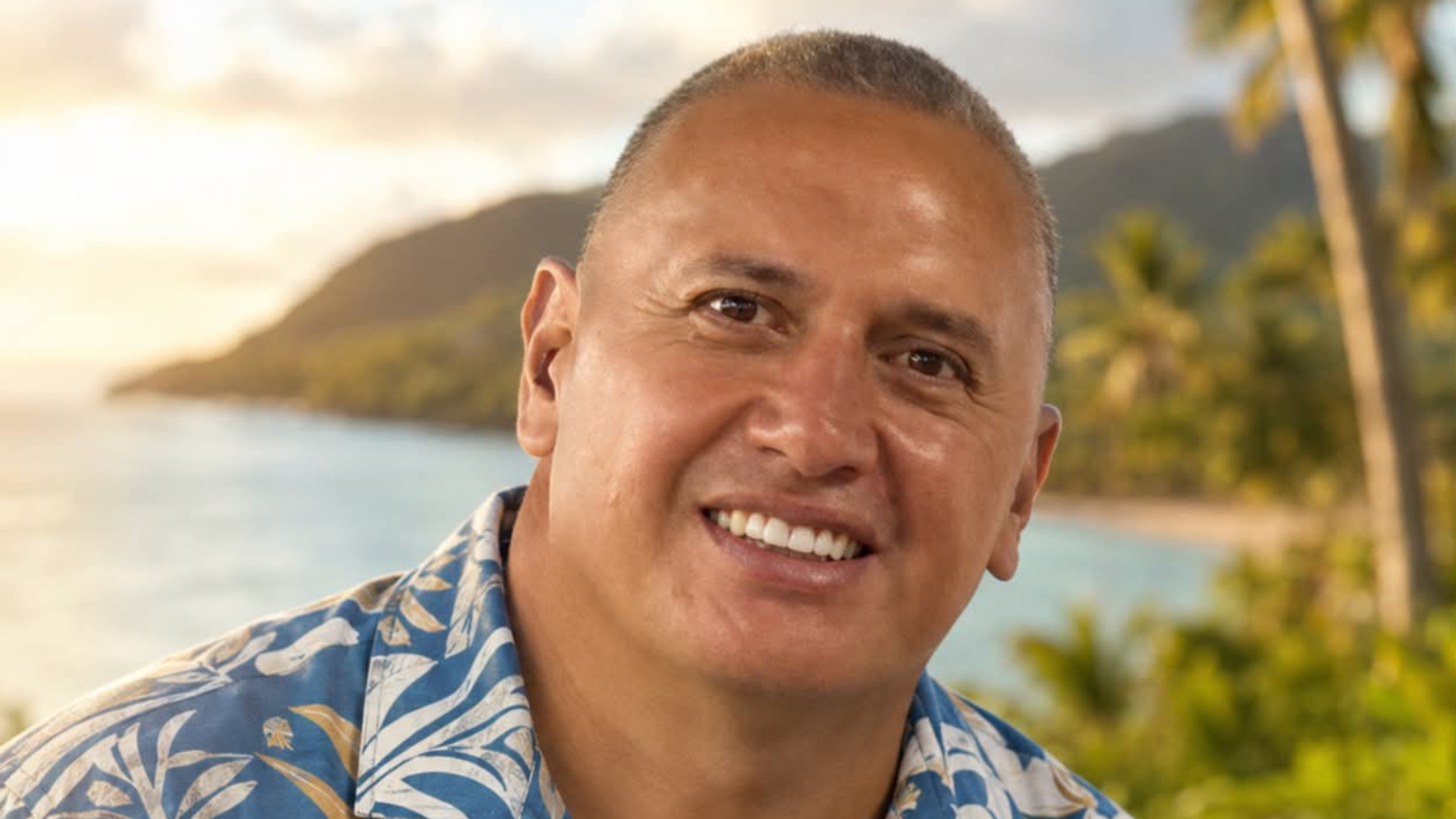
Political commentator William Numanga speaks on the major parties' chances ahead of this week's general election.
Photo/Cook Islands News
The Cook Islands Party has the edge but a rise in support for the United Party in the capital could make Thursday’s result harder to call.



The battle for Rarotonga could be crucial to deciding who governs the Cook Islands.
This comes as the governing Cook Islands Party (CIP) holds an advantage but the Cook Islands United Party (CIUP) is gaining ground in the capital.
William Numanga, a political analyst, says the race is particularly close across Rarotonga’s 10 constituencies, which make up a big share of the 24-seat Parliament.
“It's going to be very tight, particularly in Rarotonga,” Numanga told William Terite on Pacific Mornings. “You can’t overlook the rise in the United Party and how organised they are, particularly in Rarotonga.”
The latest Cook Islands News General Election 2026 poll puts party support for the CIP on 30.5 per cent and CIUP on 26.7 per cent while 25.7 per cent of voters remain undecided.
Numanga says voters appear divided between those wanting a change of government and those who favour the stability of four terms under the CIP.
Watch William Numanga's full interview below.
“Some people are wanting change. Some people want new representation in Parliament and some people still want stability and security of the last four terms under the CIP,” he says.
Numanga says the CIP also benefits from its relationships with independent MPs who have supported the government in previous terms.
“They've got good relationships with the independents that they've worked with over the last few terms, and so they have the obvious advantage right now,” he says.
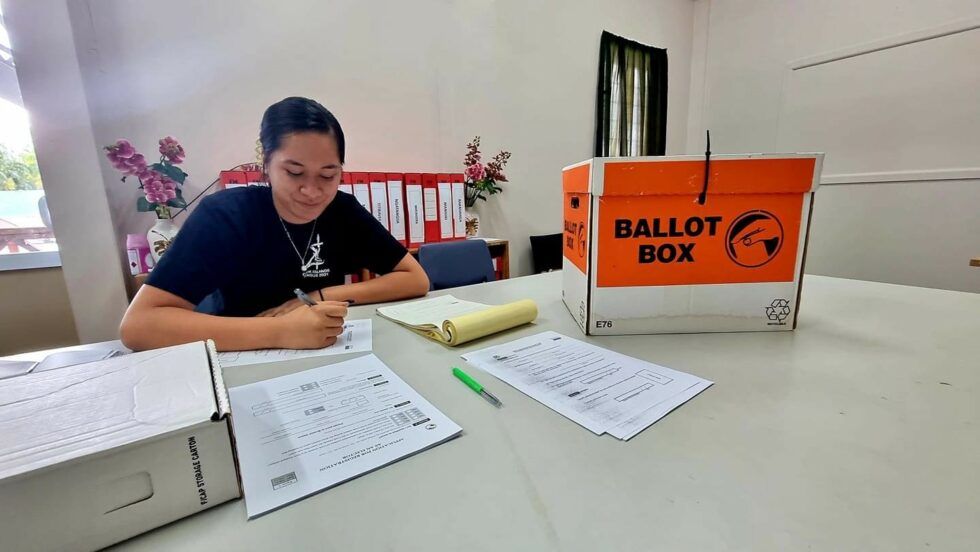
Cook Islands voters head to the polls on Wednesday, local time. Photo/Cook Is Stats
“But you can't overlook the rise in the United Party and how organised they are, particularly in Rarotonga.”
United Party leader Teariki Heather says he is getting strong feedback from voters on the ground.
“There's a big sense of change. People now are all quiet, waiting for the day, the hour they cast their votes to change the government,” he told Terite.
But the numbers show the challenge facing the opposition.
The 24-seat Parliament requires a party or grouping to command at least 13 seats to govern alone.
Numanga says United would need to win all 14 seats it is contesting to reach the 13-seat threshold needed to govern alone while the Democratic Party is fielding fewer than 13 candidates.
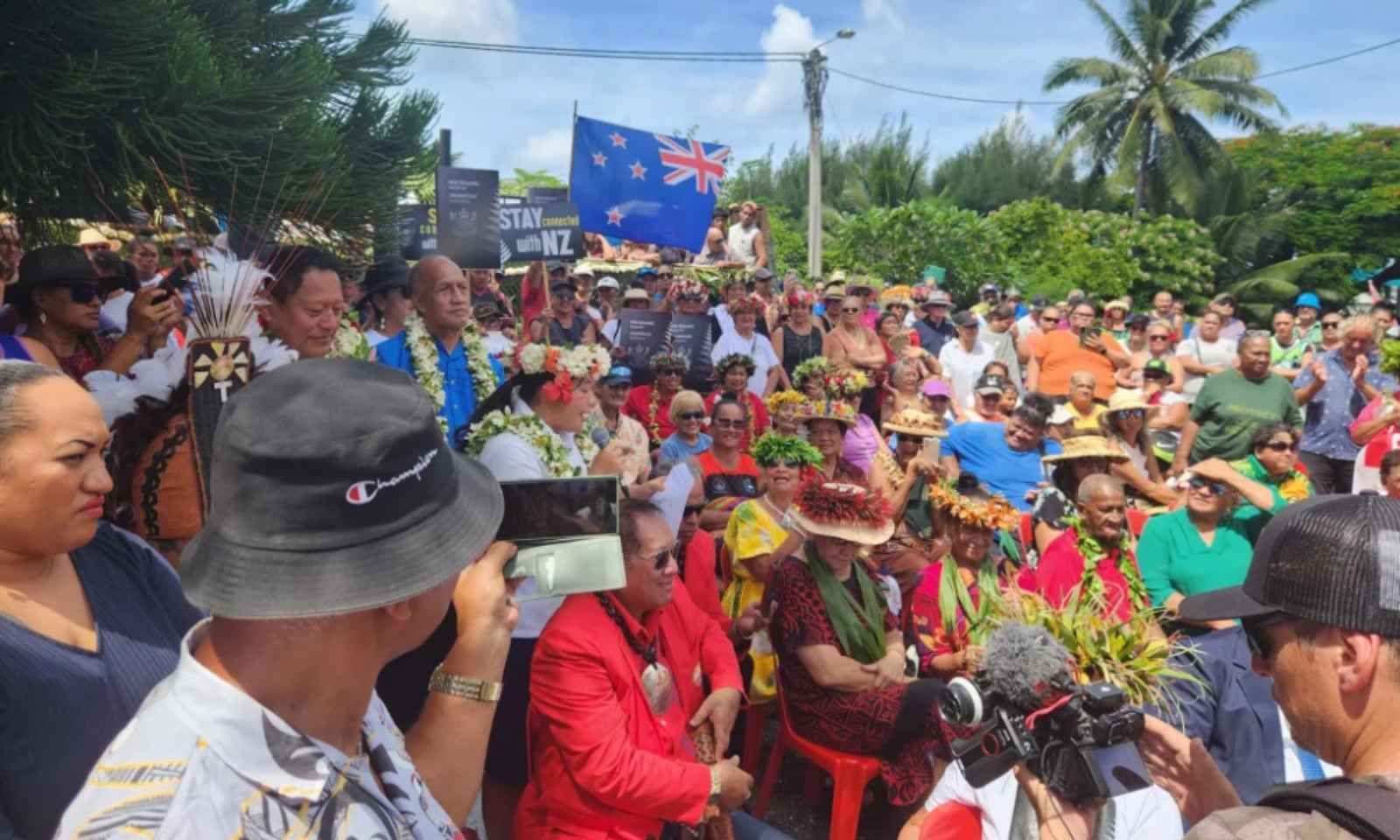
Cook Islands voters head to the polls on 12 August with 63 candidates contesting the election as parties vie to secure the 13 seats needed to form the next government. Photo/RNZ Pacific
Numanga also says the Democratic Party has lost ground, pointing to Mangaia, where he says three of its five MPs previously came from.
Only one Democratic Party candidate is standing there this election while two former Democratic MPs are now running as independents.
“It's a clear indication that maybe the Democratic Party ticket is not a hot ticket at the moment,” Numanga says.
But he says the electorate-by-electorate voting system means independents and smaller parties could still have a major say in who forms the next government.
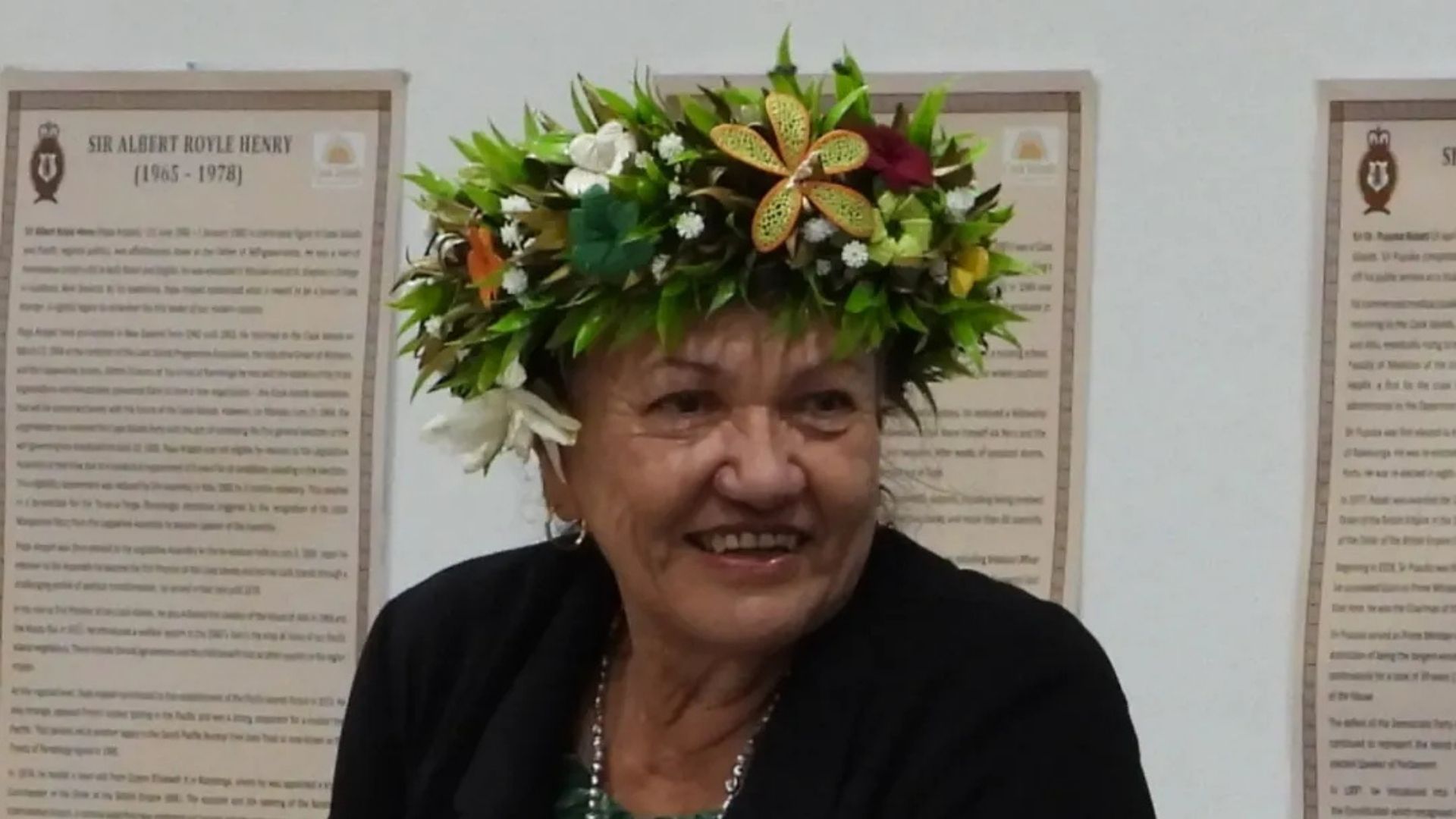
Independent MP Agnes Armstrong has retained her Ivirua seat unopposed, becoming the first candidate confirmed for the next Cook Islands Parliament ahead of the 2026 election. Photo/Cook Islands News
If neither major party reaches 13, independents could again become crucial.
The CIP has previously governed with the support of independent MPs while the Democratic and United parties have ruled out pre-election alliances.
“There could possibly be a coalition, who knows? It's all up for grabs,” Numanga says.
The Cook Islands News poll, conducted by Cook Islands News staff, interviewed 120 people across the country between 31 July and 6 August.
About 75 per cent of respondents were interviewed by phone and in person in Rarotonga and 25 per cent by phone in the outer islands. The poll has a margin of error of about plus or minus eight percentage points.
Cook Islanders vote on Wednesday, 12 August, with polling day falling on Thursday in New Zealand. Preliminary results are expected on election night.