High blood pressure a silent killer, Solomon Islands calls for stronger action
Lachlan EddieFri, 23 Oct
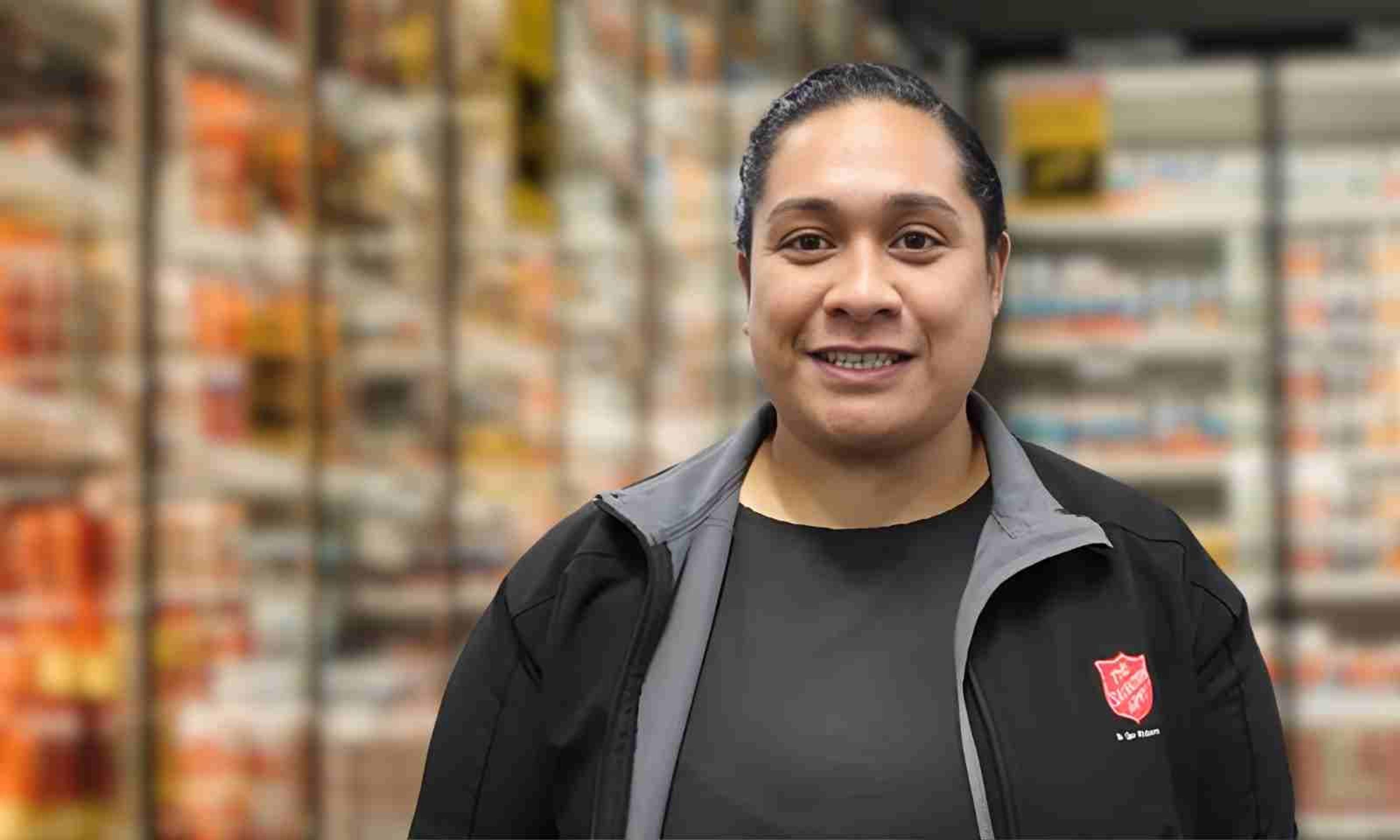
For families already struggling to make ends meet, the election debate needs to get back to basics says Ana Ika.
Photo/Supplied/Salvation Army
The Salvation Army social policy analyst says families are making hard choices between food, housing, power and other basic costs.



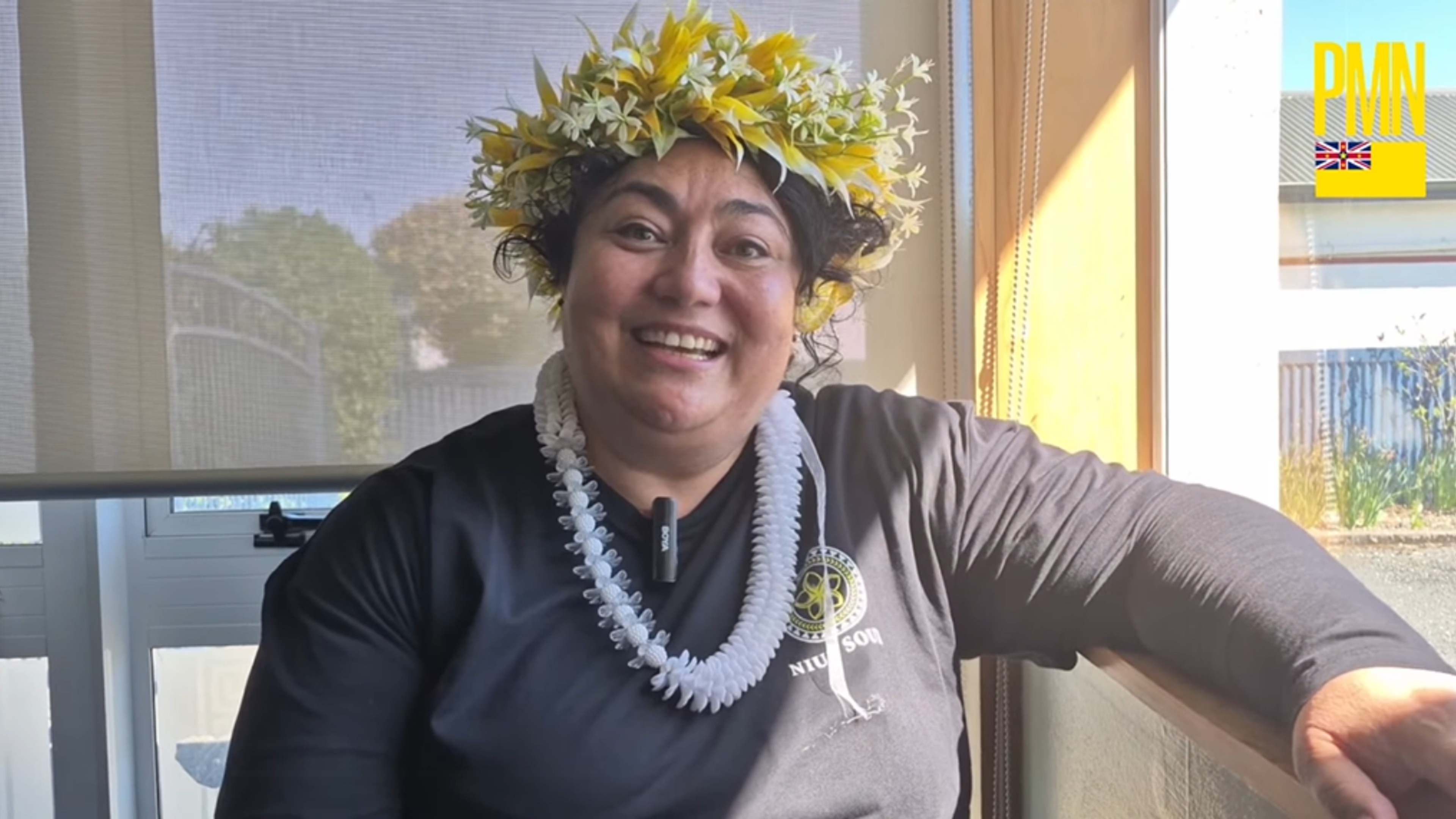
For families already struggling to make ends meet, the election debate needs to get back to basics, says Salvation Army social policy analyst Ana Ika.
Asked whether political parties are addressing the charity’s concerns, her answer is blunt.
“No,” she tells William Terite on Pacific Mornings. “We don't think the issues that we're raising, which we think are really basic, really fundamental to just living, are being raised.”
Ika says the campaign has focused heavily on tax while families are dealing with the cost of food, housing and power.
The Salvation Army has identified seven issues it wants parties to address in this election: food security, housing, cost of living, poverty, welfare and tax, justice reintegration, and addiction.
The PMN-Horizon Research Pacific Issues Election Survey found cost of living was the biggest issue for Pacific voters, with nine in 10 respondents saying it would influence how they vote.
Watch Ana Ika's full interview below.
Jobs and wages followed at 75 per cent while health and housing were also major concerns at 66 per cent and 65 per cent respectively.
The survey was conducted online from 23 June to 7 July 2026 among 293 Pacific respondents with a maximum margin of error of ±5.7 per cent.
Ika says food insecurity is often the most visible sign of a much bigger problem. Families asking for food may have often put money toward power bills or fallen behind because of transport and housing costs.
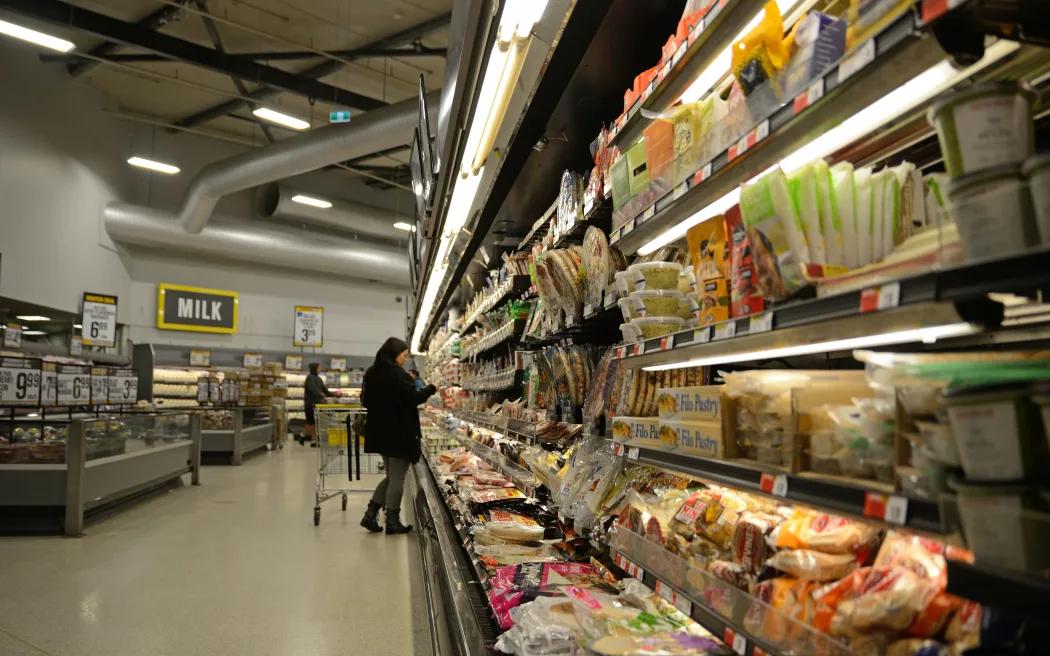
Ana Ika says food insecurity is often the most visible sign of a much bigger problem. Photo/LDR/ Alka Prasad
“We can't address the immediate need of food without addressing all of those other areas,” she says.
Ika says more Pacific families are coming through the charity's doors, including people who are working but have limited hours or are in casual and seasonal jobs.
“It's not a story anymore about those that are on welfare, or those that are unemployed,” she says.
“Many more of them are falling into hardship, irrespective of whether they're employed or not.”
She says many families have little financial buffer when an unexpected cost comes up while some people are being turned away when seeking food grants and other basic assistance.
“I think we have a particular view of bashing beneficiaries, and I think that needs to change.”

Ika says many families are falling into hardship, whether they're employed or not. Photo/RNZ/Quin Tauetau
The parties are campaigning with different answers to those pressures.
Labour leader Chris Hipkins said “this election is about the cost of living”. Labour is promising three free GP visits, a $20 weekly public transport cap and changes aimed at improving competition in the grocery market.
National is planning “a better deal at the supermarket” along with economic growth aimed at delivering jobs and higher wages.
“National is the party of delivery. But the job isn't done yet,” party leader and Prime Minister Christopher Luxon says.
ACT is focusing on welfare changes including moving health-related benefit certification to Ministry of Social Development-approved designated doctors and requiring money management for Jobseeker Support Work Ready recipients after four months.
“Welfare should unlock potential, not trap it,” ACT leader David Seymour says.
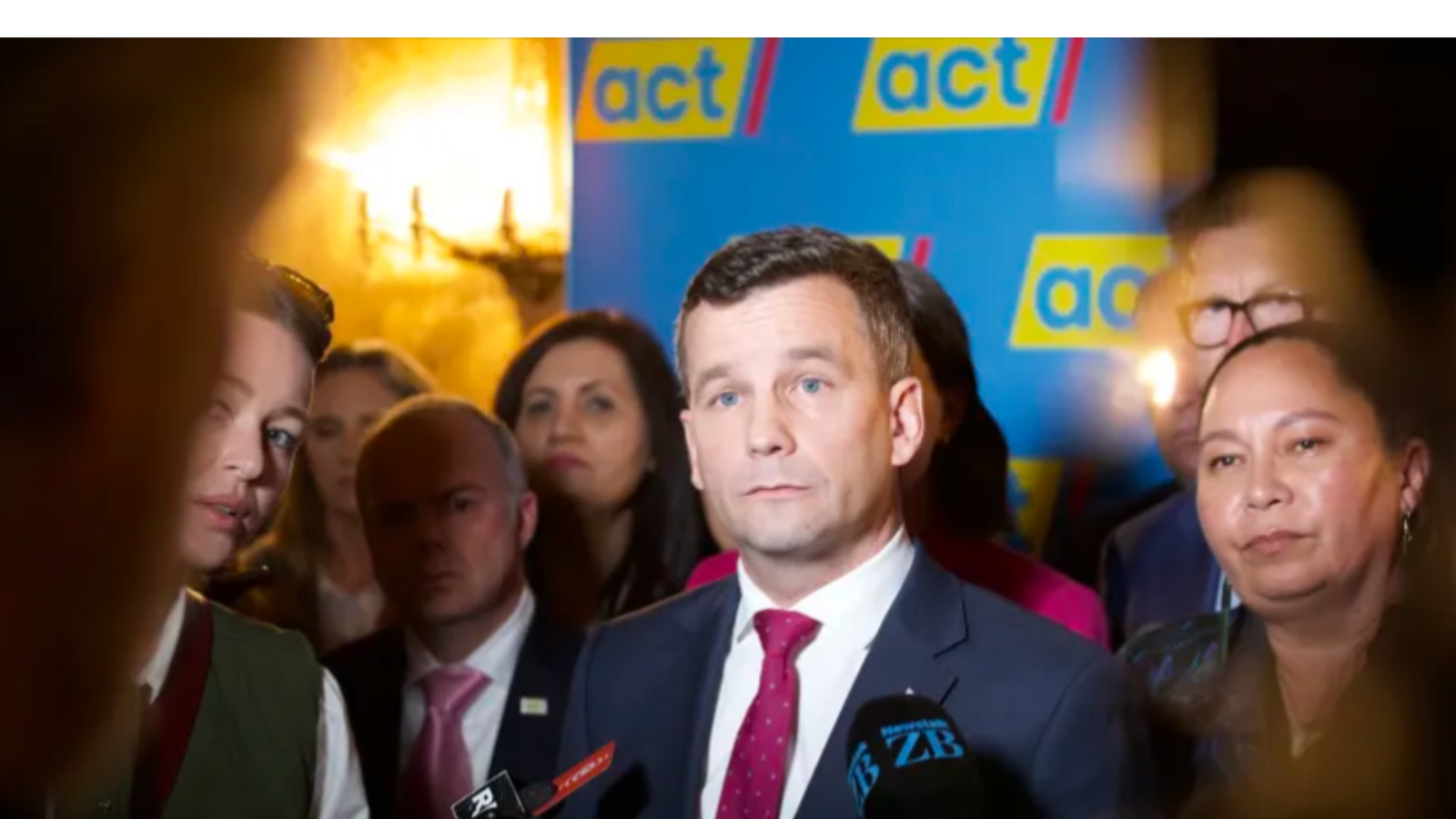
ACT leader David Seymour says welfare should unlock potential, not trap it. Photo/RNZ/Calvin Samuel
New Zealand First wants to split the big power companies into generators and retailers and break up the supermarket duopoly.
“You've been paying far too much for power,” party leader Winston Peters says.
As parties promote their election plans, Ika says the cost of doing nothing must also be counted.
“If we don't pay for some of these immediate fundamentals now, we're going to have to pay for it in the future. And if we pay for it in the future, it'll be at a greater cost.”
She says years of short-term thinking have left problems entrenched for generations, and long-term investment is the only way out.
“People that plant oak trees, never get to sit in its shade,” Ika says, adding that the benefit would flow to rangatahi and tamariki.
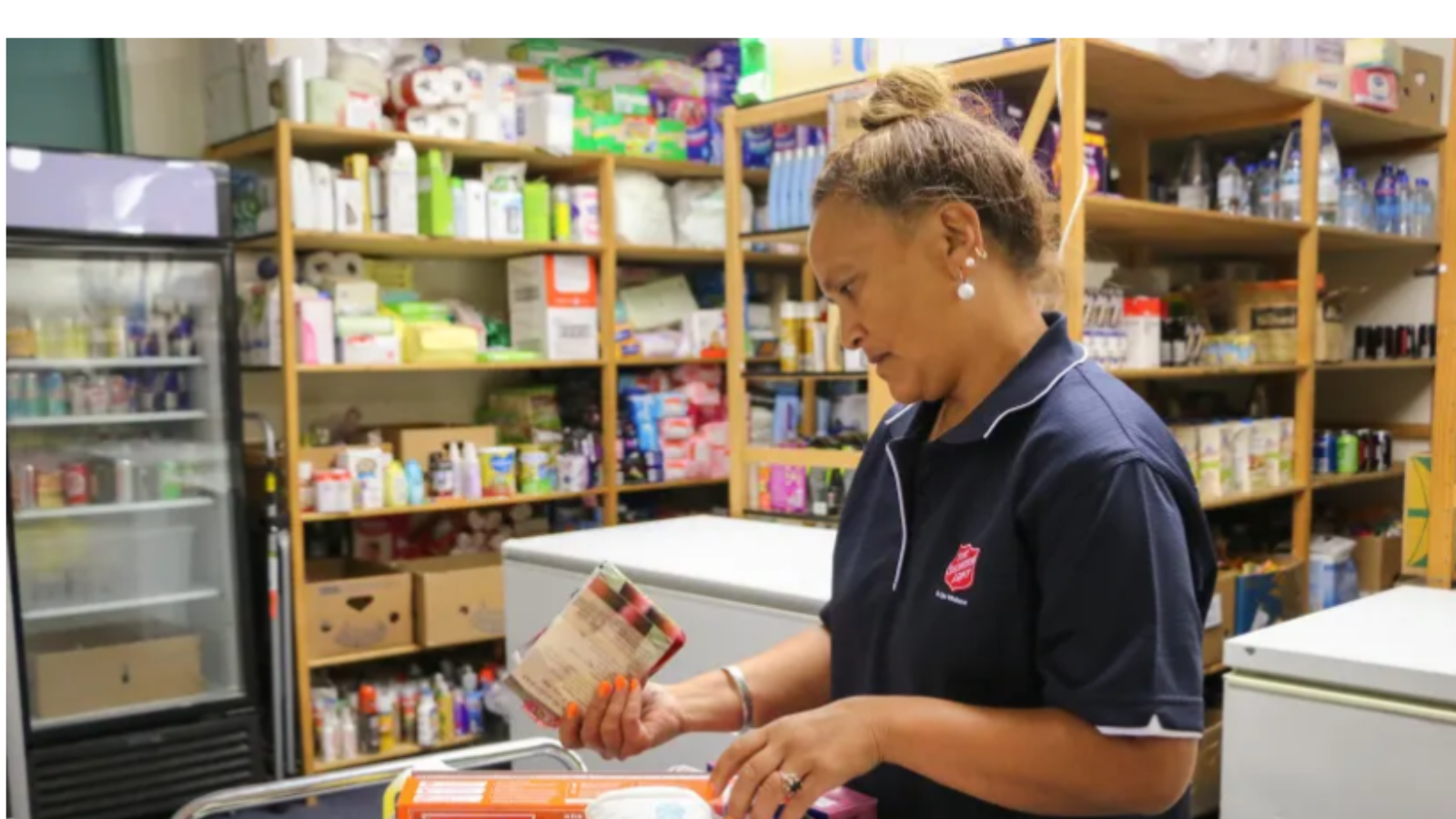
A worker at the Salvation Army's Royal Oak Foodbank. Photo/Supplied/Salvation Army
Her message to political leaders is that people facing the greatest hardship cannot be left out of plans for the future.
“Those that are doing the toughest need to be part of that future as well because if they're not, they're going to be left behind.”
The general election is on 7 November. The last day to enrol is 25 October, and advance voting starts on 26 October.