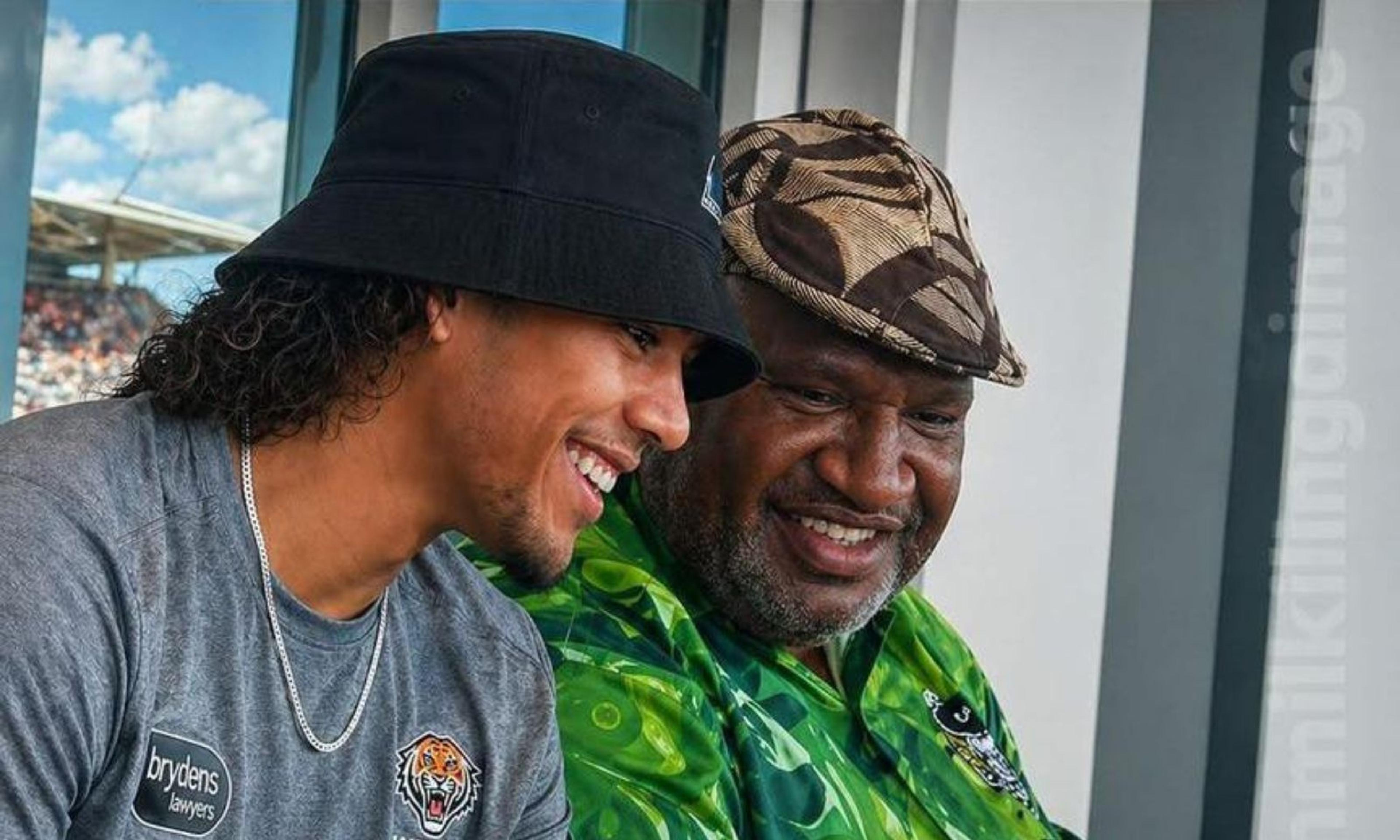
PNG Chiefs win first round against New Zealand Rugby
Christine RovoiSat, 17 Oct
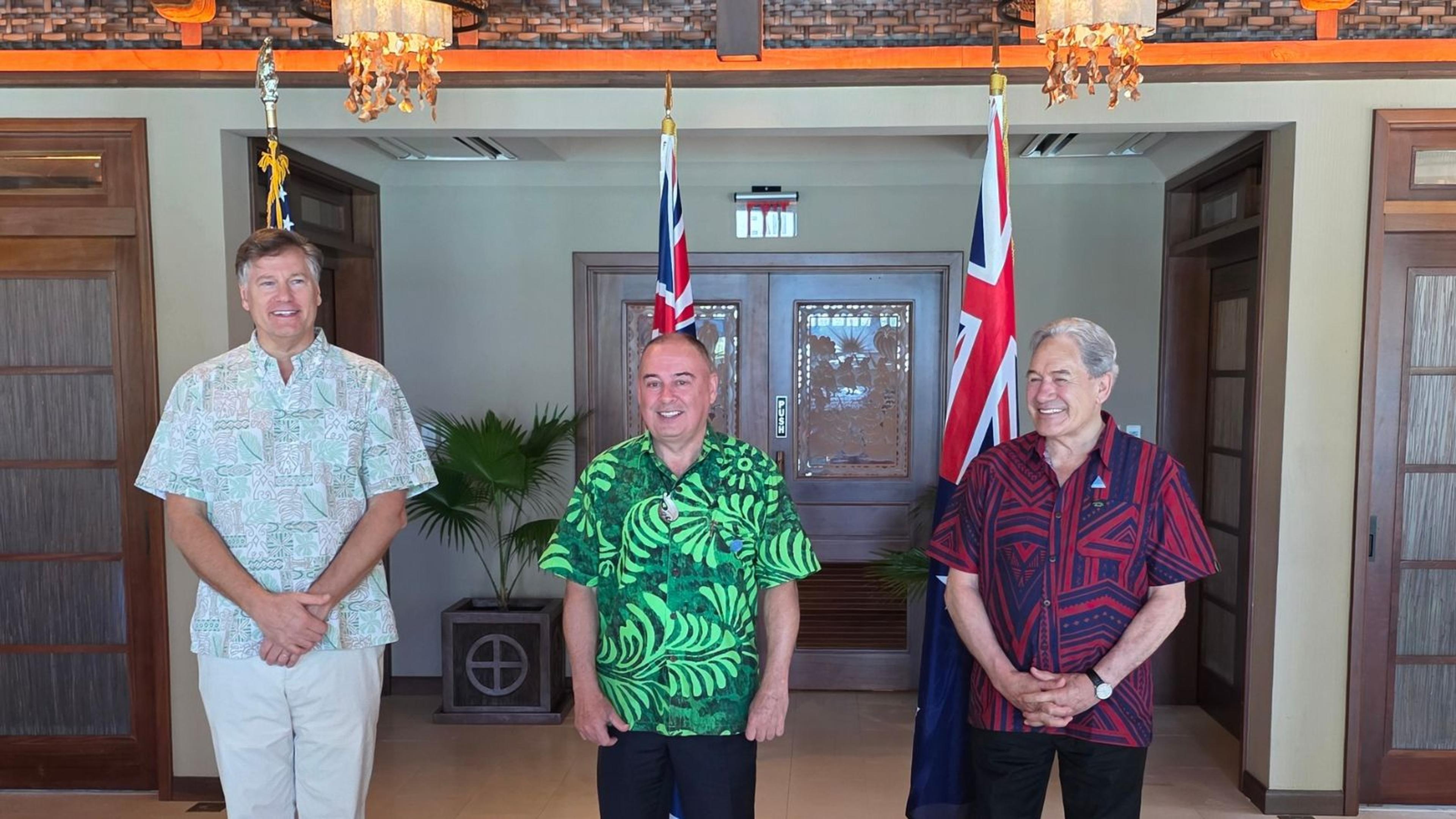
From left: US Deputy Secretary of State Christopher Landau, Cook Islands Prime Minister Mark Brown, and New Zealand Foreign Minister Vaovasamanaia Winston Peters in Palau announcing the Penrhyn Port upgrade.
Photo/PMN News/Thomas Tarurongo Wynne
Teanau Tuiono says tighter controls on political money are needed as he questions growing US involvement in the Pacific.

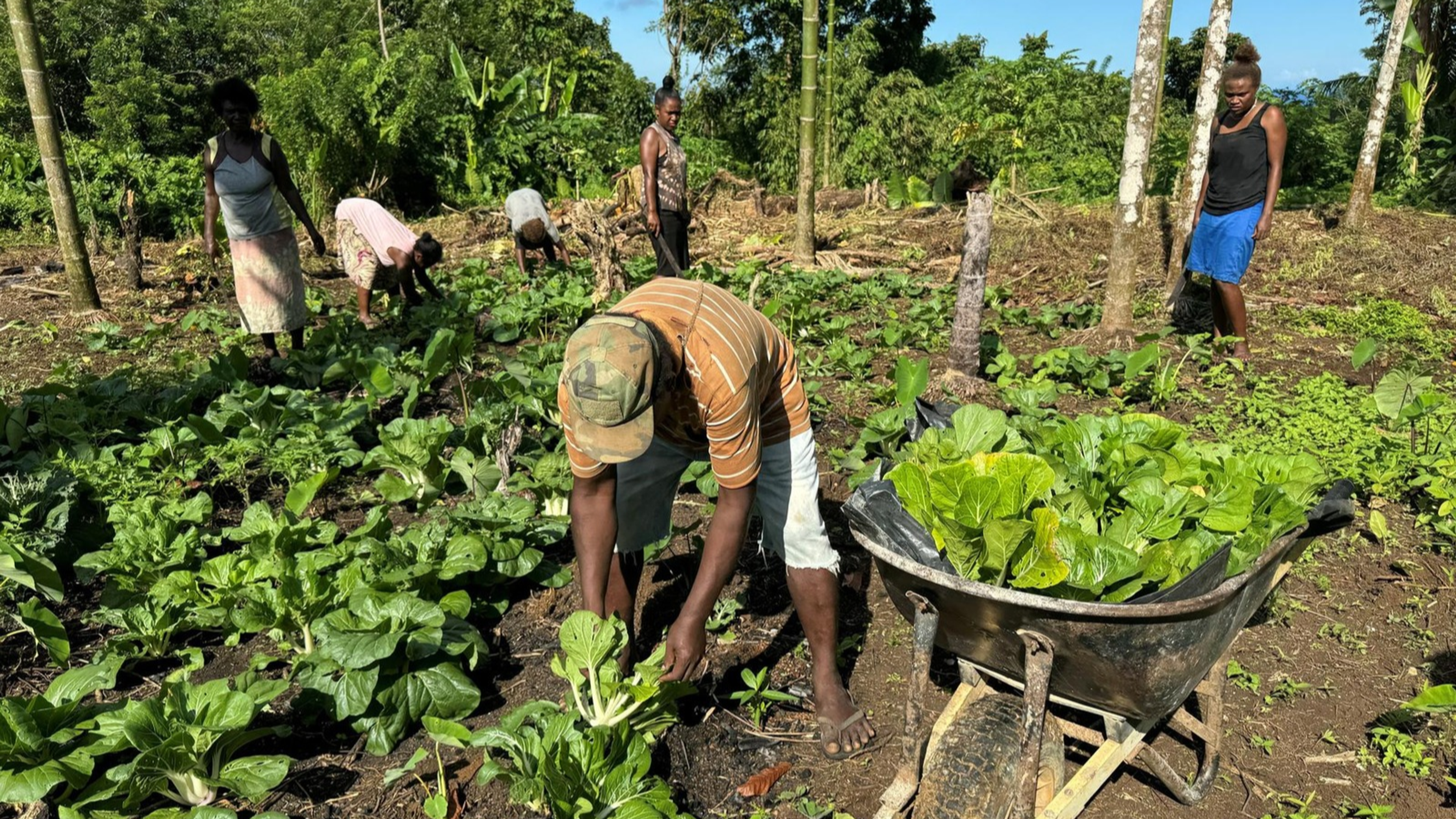


Green MP Teanau Tuiono says tighter rules around political donations and lobbying are needed to limit the influence of big money, while also warning against greater military involvement by the United States in the Pacific.
Speaking with William Terite on Pacific Mornings, Tuiono backed his party’s newly announced plan to cap political donations at $30,000, stop companies from donating and introduce a two-year stand-down for former ministers before they can become lobbyists.
“We need to get big money out of politics,” he says. “The donation should only be by people, not by company.”
The Greens also want a public register of professional lobbyists and an independent body to oversee the rules.
The announcement came as Tuiono questioned the growing US presence in the Pacific, including its involvement in the Cook Islands.
He says the visit by US Ambassador Jared Novelly with Cook Islands Prime Minister Mark Brown reflects the wider competition between China and the United States for influence in the region.
Listen to Teanau Tuiono's full interview below.
“I’ve got to take my hat off to Mark Brown, he’s kind of played it really well,” he says. “He’s managed to play China off against the US and get some investment.”
But Tuiono says the growing US role also raises questions about where the relationship could lead.
“Here we have the US trying to find a way to get into the Cook Islands, but is this heading towards a military base? That would be something that I would not be in favour of,” he says. “We don’t need more militarisation of the Pacific, for the Pacific to become a more contested space.”
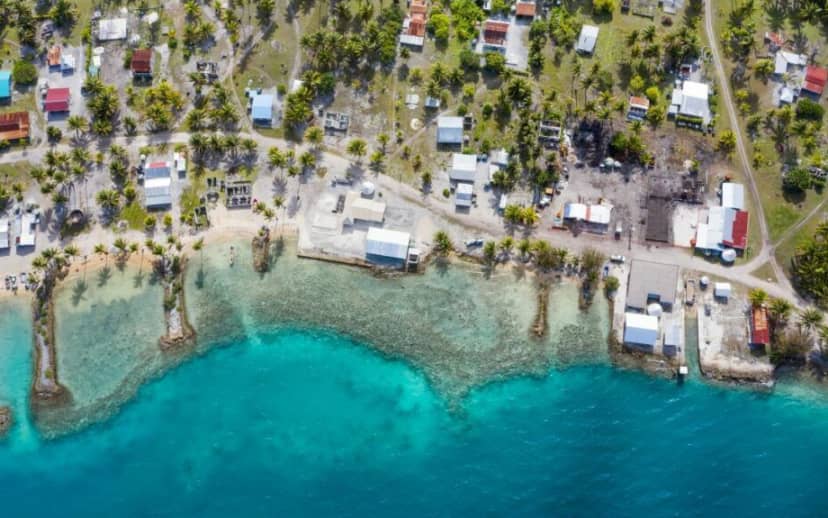
The US aid for the Penrhyn/Tongareva Port raises questions around militarisation. Photo/Cook Islands Tourism/Tayla Beddoes
The comments come as the US and New Zealand are helping fund a major wharf upgrade at Tongareva, with the United States contributing US$50 million and New Zealand NZ$17.5 million. US officials have said a possible military presence at the site is still being negotiated.
Tuiono says the Greens also oppose deep-sea mining in the Pacific and want stronger safeguards around political influence.
He points to Nicky Hager’s recent book on corporate lobbying, saying it details how tobacco, fishing, and oil and gas companies have influenced political parties and targeted their opponents.
“There’s a clear line of sight of how this coalition got into power. They’re benefiting from corporate lobbyists and so much money coming into our democracy,” he says.
Labour MP Dan Rosewarne, who also spoke with Terite, focused on the cost of living, saying his party’s latest policies should be viewed as a wider package rather than separate measures.
Labour wants Woolworths and Foodstuffs to separate their wholesale operations from their retail stores, creating two independently run wholesalers.
Watch Dan Rosewarne's full interview below.
“New Zealand has lots of supermarket brands, but most are owned by just two groups, and together they control more than 80 percent of the grocery market,” Rosewarne says.
Rosewarne says the proposal would sit alongside capped public transport fares and three free doctor’s visits.
“If this grocery policy reduces grocery bills by $30 a week, and our capped public transport fares reduce commuting costs by up to $40 a week, all those things as a system will result in significant cost reductions for our communities,” he says.
Cost of living remains the biggest election issue for Pacific voters, with nine in 10 respondents to the PMN-Horizon Research Pacific Issues Election Survey saying it would influence how they vote.
With the election less than seven weeks away, Tuiono is also urging Pacific communities to enrol and vote.
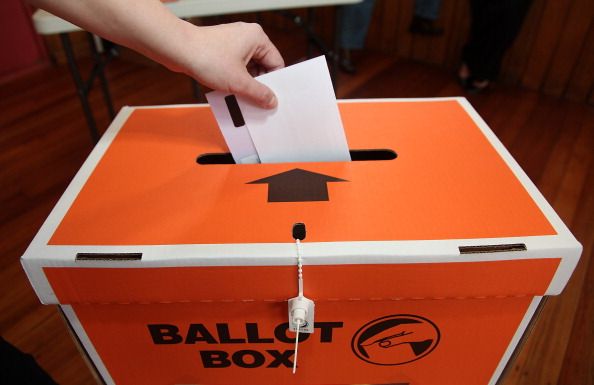
Enrolment closes on 25 October with advance voting beginning on 26 October ahead of election day on 7 November. Photo/NZ Parliament/Parliamentary Service
“In the last election, Manurewa, Māngere or Tāmaki, on average had about 30 per cent of the people there do special votes,” he says.
“I would encourage our people, please go out and enrol to vote now, and make sure that you have your say on November 7th, and get rid of this horrible, terrible government.”
Enrolment closes on 25 October with advance voting beginning on 26 October ahead of election day on 7 November.