Christopher Luxon survives confidence vote as Pacific issues take a back seat
Andre Fa'aosoWed, 12 Aug
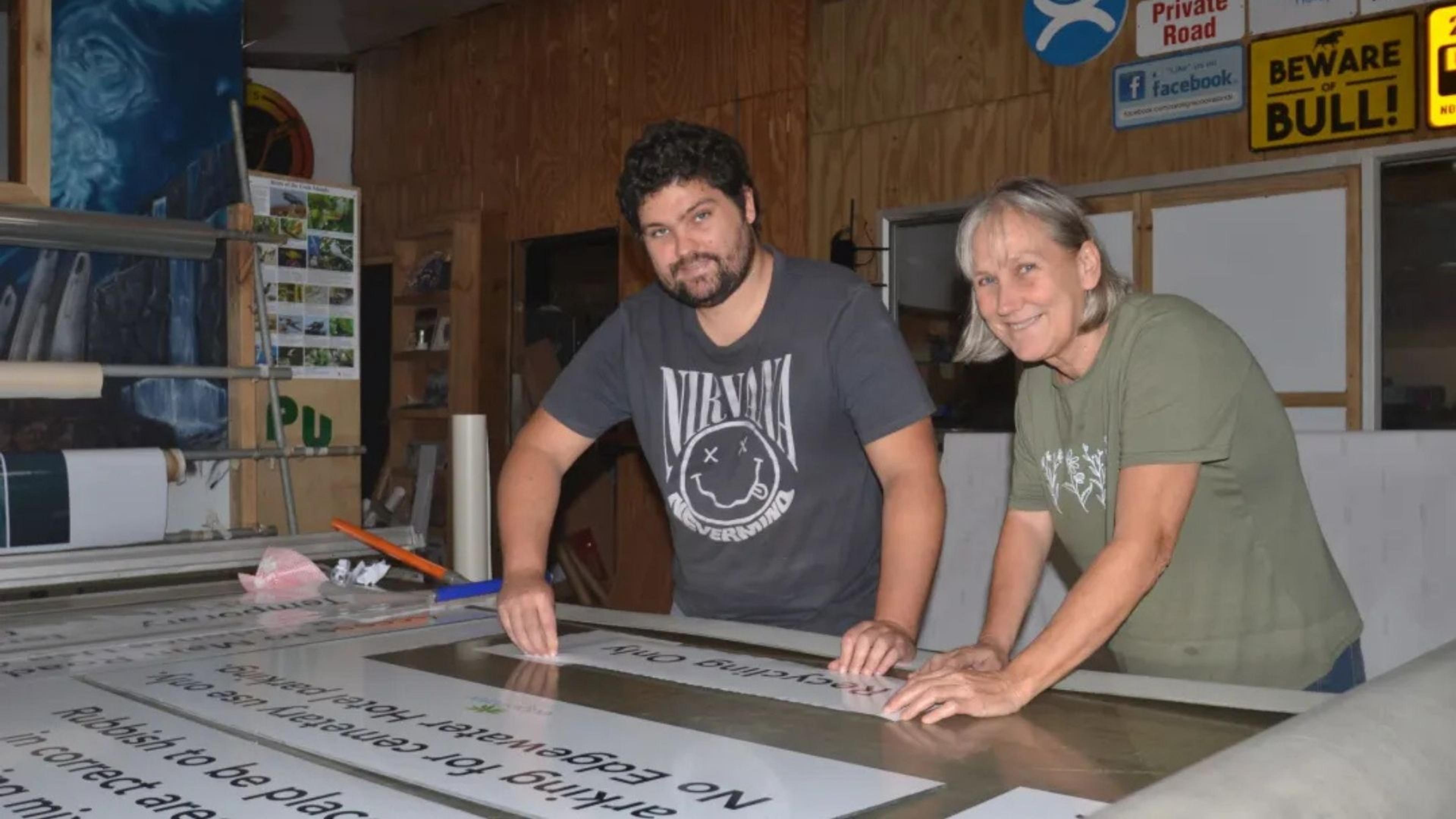
Raro Signs co-owners Shaun and Eva Solomon: Election billboards are appearing across Rarotonga as candidates step up their campaigns ahead of the Cook Islands general election on 12 August, with many spending thousands of dollars to reach voters.
Photo/Cook Islands News/Teitimoana Tairi
With less than a month until polling day, sign-makers are working long hours to keep up with demand as candidates spend thousands on billboards to stand out in an increasingly competitive campaign.
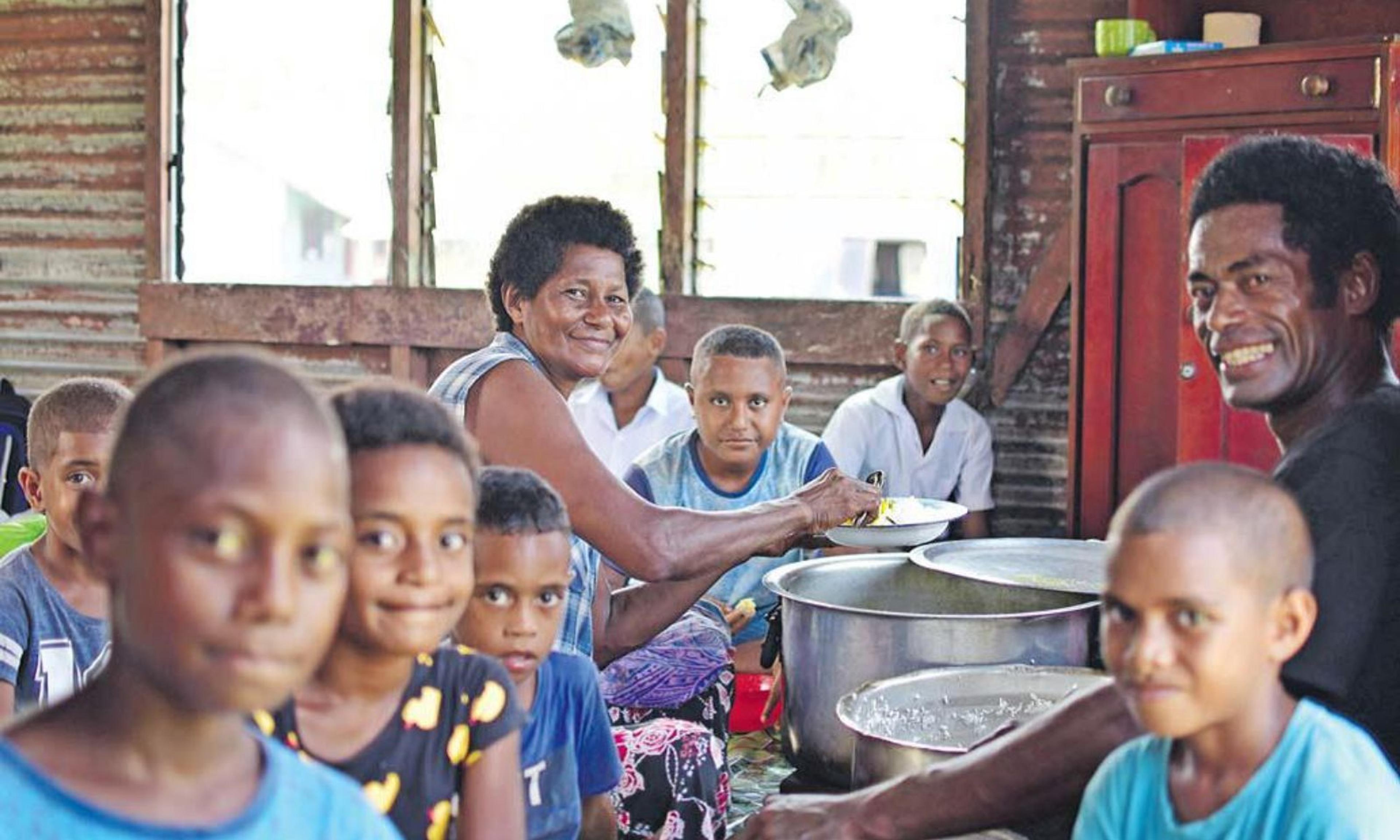
Rarotonga sign-makers are working extended hours to meet the high demand for candidate billboards and banners, which have become a vital campaign strategy, with the 2026 Cook Islands general election less than a month away.
Raro Signs and Hori Signs are rushing to finish orders as campaigning intensifies ahead of election day on Wednesday, 12 August.
At Raro Signs, co-owner Eva Solomon explained that making a single election sign takes two to three days, which includes printing, a day of drying and applying it to the board, while banners take one to two days.
Solomon noted that while it is ideal to have plenty of time when handling multiple orders, last-minute requests can still be completed in a couple of days.
Before printing, the business requires a high-quality design, exact sizing and installation details to advise on the best signage for the job.
Despite the demand, the workshop in Arorangi has not faced challenges with colour supply or installation procedures because it "always has plenty of banner material and boards in stock".
Solomon said that they have created signage for different constituencies across Rarotonga, some of which are already erected along the roadsides.
Raro Signs has produced a variety of signage, including single - and double-sided billboards, hanging banners and banners stapled to old plywood. Prices vary, and a quote is always provided before work begins, she said.
Solomon also said the political parties that contracted them did a great job, noting that the design was very good, with great photos and a clear message.
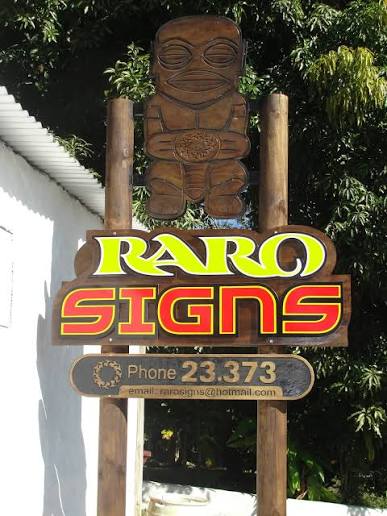
Staff at Raro Signs have been working extended hours to keep up with a surge in orders for election billboards and banners as campaigning intensifies across the Cook Islands. Photo/Raro Signs
"We'll do signage for anyone with a smile, but luckily we started early manufacturing of the signage and had time to order more materials by air as needed," Solomon told Cook Islands News.
Atupa-based Hori Signs has produced approximately 40 banners for the election so far, with most orders coming from Te Au O Tonga area - specifically representing the constituencies of Tupapa Maraerenga, Takuvaine, Avatiu-Ruatonga-Palmerston and Nikao-Panama.
Owner Roly Rolleston reported that his staff completed a batch of 40 signs. Each sign takes 48 hours to complete, and the staff worked long days to finish them so they could focus on other jobs.
According to Rolleston, a timeframe of one to two months is ideal for orders, but the shop is used to turnarounds of less than a week. He added that to ensure a quick turnaround, clients must provide their own print files.
He said the business faced no challenges during production or installation.
The estimated price range for a standard campaign banner sits between $200 and $500 each, depending on the size and materials used.
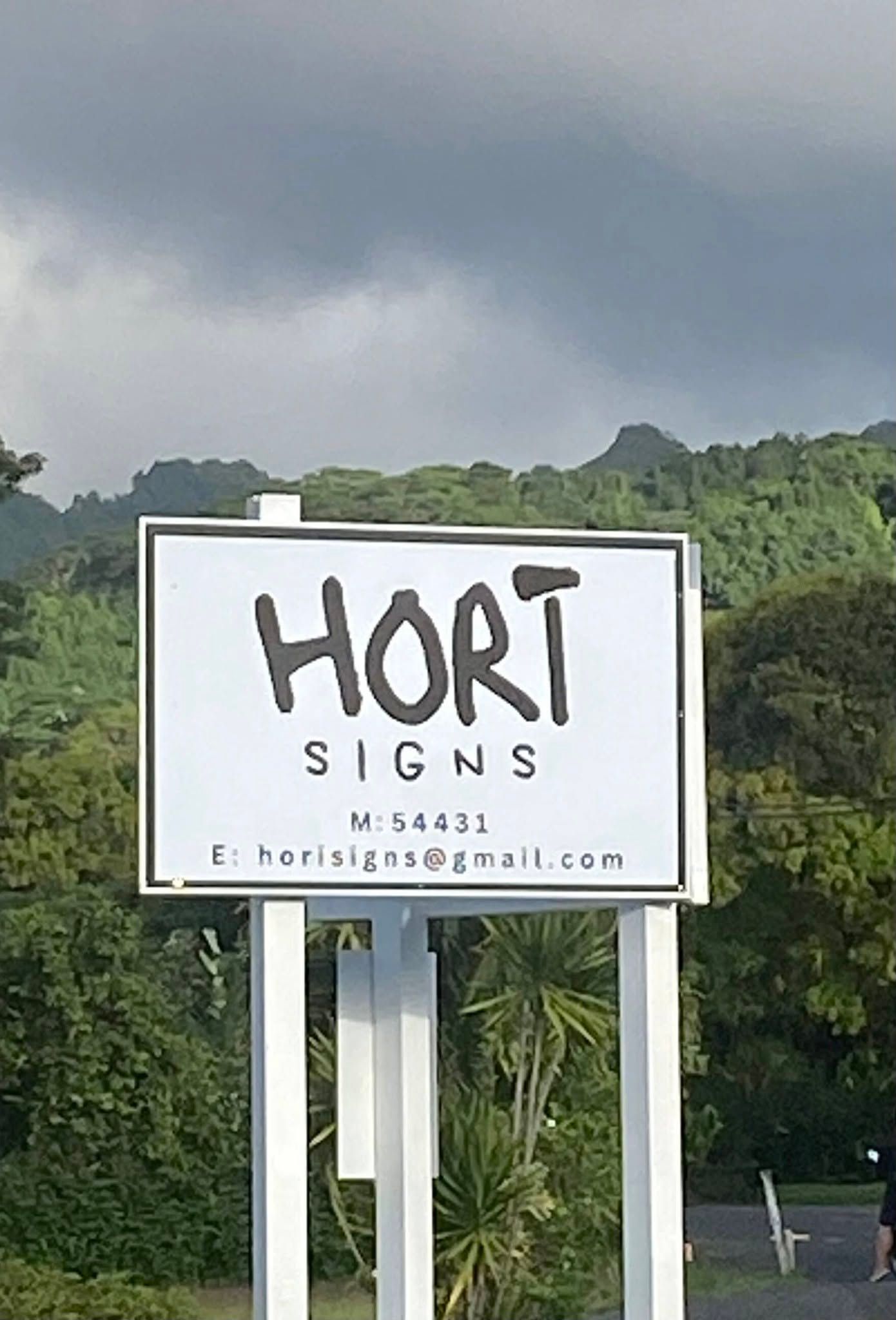
Hori Signs has produced around 40 campaign banners for this year's election, with most orders coming from candidates in Rarotonga's Te Au O Tonga constituencies. Photo/Hori Signs
Regarding party alignment, Rolleston stated that they will supply to any paying customer.
"I wish them all the best, and thank them for their business."
Rarotonga candidates are already noting the importance of these billboards in connecting with voters.
First-time candidate Sholan Ivaiti, who is contesting the Titikaveka seat under the Democratic Party banner, has spent over $2000 on his campaign billboards.
Ivaiti said he was the first Democratic Party candidate to get a billboard up while the party works on producing campaign materials for the others.
He explained the billboards are effective when looked at in conjunction with social media, as the messaging remains consistent. His online presence focuses on being a young and fresh voice for the village "while bringing experience to the game", and aims to educate people on important issues, which has led to comments and private messages of support from the community.
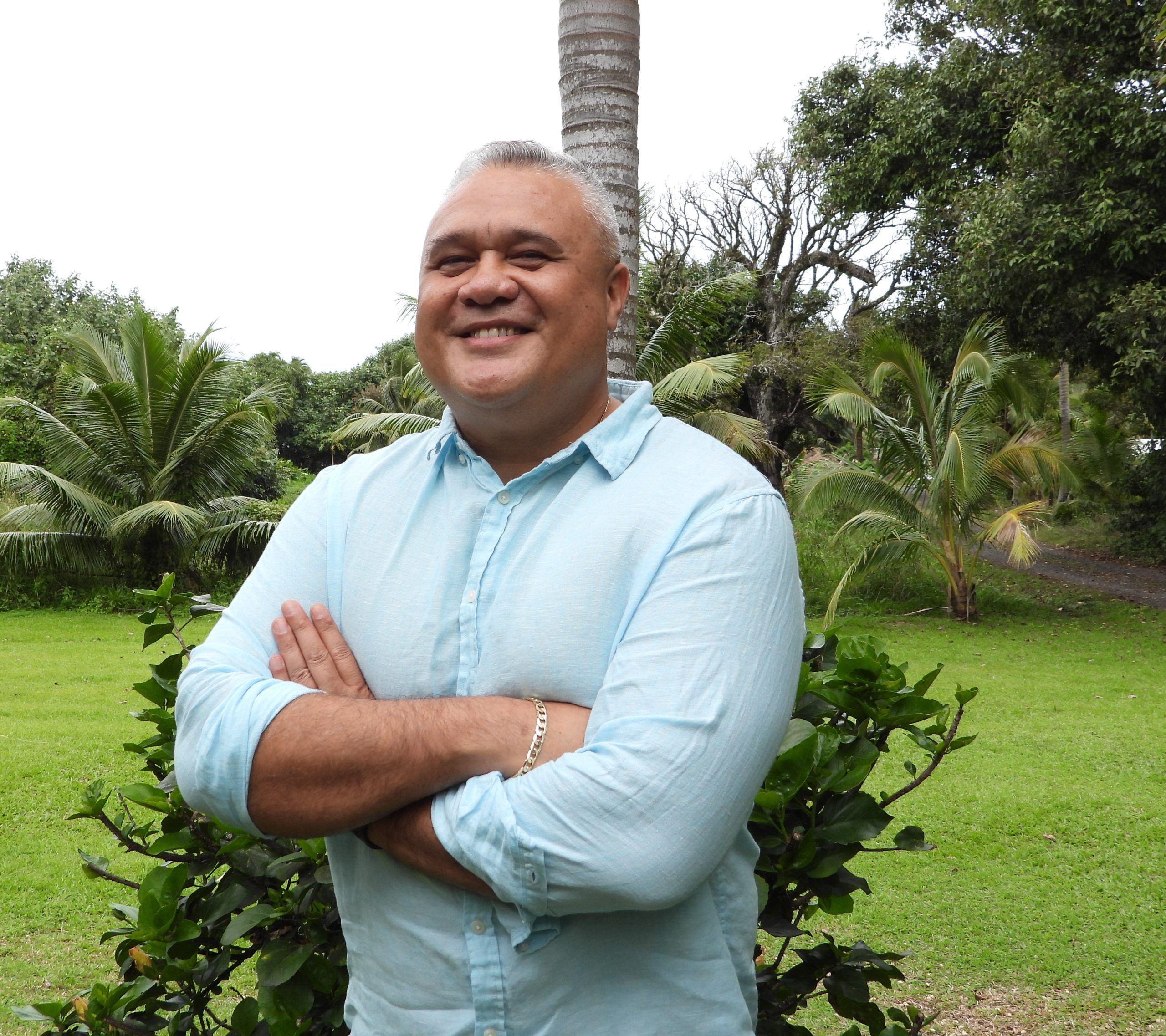
First-time Democratic Party candidate Sholan Ivaiti says investing more than $2000 in campaign billboards is helping introduce himself to voters while reinforcing his message alongside social media. Photo/Cook Islands News/Melina Etches
"My goals are, I want it to be clear so people can see myself, I think that was very important," said Ivaiti.
"The other reason why I wanted to build a billboard is because there will still be people in the village who don't know me. So, by putting that up, I wanted to really get my message out."
Ivaiti noted the priority was ensuring the visual aspect was clear so people could see the candidate, whilst keeping the text basic to deliver a clear message that states their name and what they stand for. For him, it's "turning promises into progress".
The focus on billboard campaigning builds on a trend that began during the previous election cycle.
Cook Islands United Party (CIUP) leader Teariki Heather explained the party started the billboard trend during the 2022 election to introduce candidates.
This year, billboards appear to have become even more popular and effective, he said.
Listen to Teariki Heather's full interview on with William Terite on Pacific Mornings below on 2 July.
For this election, the strategy has expanded to include billboards in the Pa Enua, including Aitutaki and Mitiaro for the first time.
Heather noted the audience supports displaying photos of the candidates alongside highlights of their core policies.
Cook Islands United Party has approximately 36 to 38 billboards in total, spread across all 10 constituencies in Rarotonga.
According to Heather, the billboards cost about $650 each.
He added that while collective party efforts paid for the general policy billboards first, individual candidate billboards were funded through recent fundraising efforts, with candidates making their own design decisions.
Heather also stated all billboards will be taken down on 10 August - two days prior to election day - in accordance with the Electoral Act's campaign blackout period.
This story was first published in the Cook Islands News.