Kiwis living across Pacific urged to check enrolment before key election deadlines hit
Renate RiversTue, 04 Aug
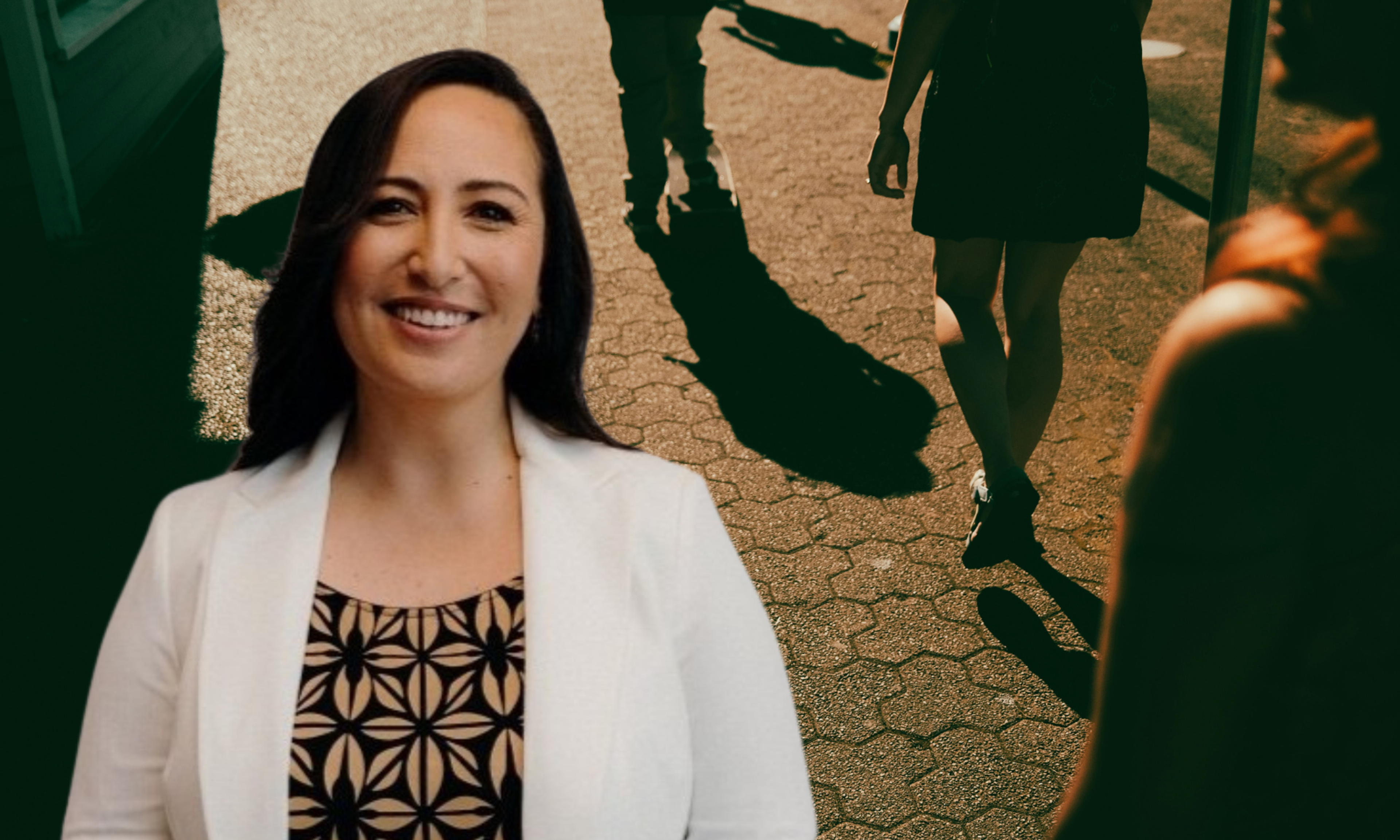
University of Auckland senior lecturer Dr Analosa Veukiso-Ulugia says discussions around consent need to be normalised.
Photo/File/Unsplash
One in six Pacific students say they’ve had unwanted sexual experiences, and one in 10 aren’t even sure.

Warning: The following article discusses abuse.
Pacific youth are reporting high rates of unwanted sexual experiences, with new research showing one in six Pacific secondary school students has been touched sexually or made to do sexual things they did not want.
The findings come from the latest Youth19 survey, led by Waipapa Taumata Rau, University of Auckland, and published in the Australian and New Zealand Journal of Public Health.
The study surveyed 7374 schoolchildren aged 12 to 19 years, asking whether they had ever experienced unwanted sexual touching or sexual acts, including sexual abuse or rape.
In the overall results, 19 per cent of girls and 5.7 per cent of boys reported yes.
For Pacific youth specifically, the numbers are troubling, Dr Analosa Veukiso-Ulugia, Senior Lecturer and Pacific Sir Thomas Davis Fellow, says.
Photo/Khalia Strong/Sāmoa 2008
She says the figures are “concerning but unfortunately unsurprising”, adding that the Pacific results should be ringing alarm bells.
“For our Pacific students, it was roughly one in six (15.3 per cent) that reported that yes, they’ve had an unwanted sexual experience,” she tells PMN News. “Even more concerning, one in 10 Pacific students (9.6 per cent) said they weren’t sure if an experience was actually unwanted.”
Veukiso-Ulugia says sexual abuse is not unique to Pacific communities, but the silence around it often is.

Almost one in six Pacific girls say they have experienced unwanted sexual touching or abuse. Photo/Unsplash
“This is not just a Pacific issue ... this affects all communities. However, within our families and in our communities, this is quite a complex and taboo topic.
“[Sexual] abuse is not inherent in terms of our Pacific values, so what are the systems that have been perpetuated and reinforced that have actually led to this culture of silence?”
Veukiso-Ulugia says the lack of open conversations about consent means many young people struggle to recognise harmful behaviour.
She givies a familiar example: parents setting strict boundaries with no explanation.
“If someone's having a party at school and a girl's having a sleepover, and our parents would say, ‘no, you're not allowed to go’, but never actually explain why we weren't allowed to go.
“If we unpack it now, as mothers and cousins, realising they were trying to implement boundaries and safety for us as children … but it was missing that part of the conversation as to why.”
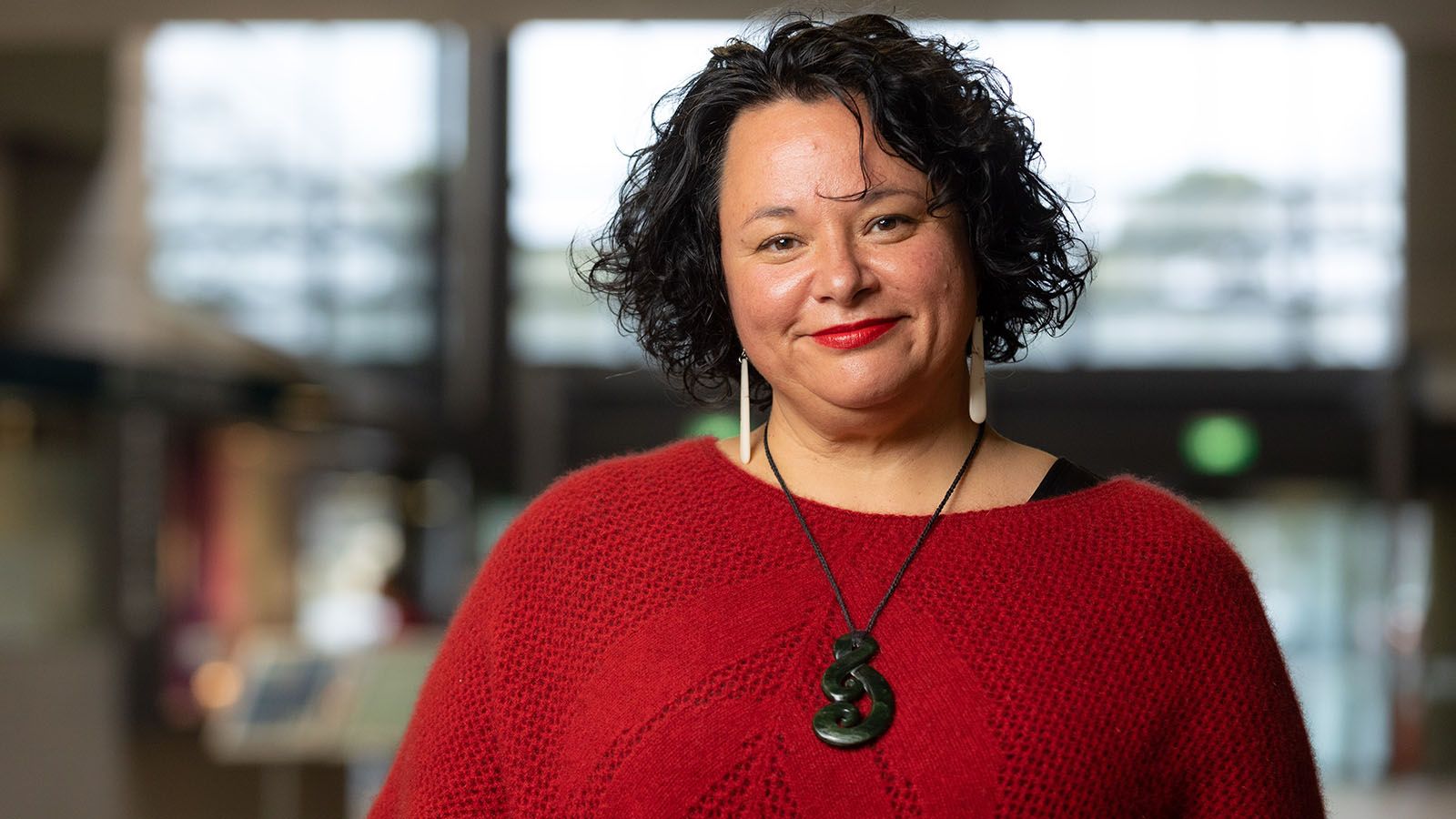
Dr Terryann Clark says says marginalised young people face the biggest barriers to getting help. Photo/Supplied
The study found socioeconomic disadvantage plays a major role: students in lower-income schools were 60 per cent more likely to report unwanted sexual experiences than those in the wealthiest schools: 15.3 per cent compared with 9.4 per cent.
Terryann Clark, the report’s co-author and Cure Kids professorial chair in child and adolescent mental health at the University of Auckland, says marginalised young people face the biggest barriers to getting help.
“We know that, from our research, Māori, Pacific and sexually diverse young people, and poor young people, have the hardest time getting the services they need. They are also less likely to be believed or feel like people will do something,” Clark says in a statement.
“So, the combination of those factors means those young people are often not disclosing what has happened to them and they aren’t getting the support, treatment and care they need.”
Transgender and non-binary students reported the highest rate of unwanted sexual experiences, at 31.9 per cent.
Watch Analosa Veukiso-Ulugia's interview below.
Veukiso-Ulugia says many organisations are already working hard in this space, including Te Ohaakii a Hine - National Network Ending Sexual Violence Together (TOAH-NNEST), which brings together more than 40 specialist services, and Le Va’s Atu-Mai violence prevention programme.
“We have champions working on the ground, but it also needs more support. We need clear conversations about consent and safety. We need strong policies,” she says. “We need good quality education.”
She says another area of growing concern is digital harm, with more young people facing online coercion or technological abuse.
“We need to teach our children and our young people the actual skills about how to make good decisions about relationships and communication and consent.”
Photo/Unsplash/Ricky Turner
How to get help
If you're in danger now:
Call the police on 111 or ask neighbours or friends to call for you.
Run outside to find other people and scream for help so your neighbours can hear you.
Take the children with you. Don't stop to grab anything else.
If you are being abused, remember it's not your fault. Violence is never acceptable.
Where to go for help or more information:
Women's Refuge: Crisis line - 0800 REFUGE or 0800 733 843 (available 24/7)