
Tofiga Fepulea’i brings the laughs while taking top honours at Arts Pasifika Awards
Aui'a Vaimaila Leatinu'uFri, 23 Oct
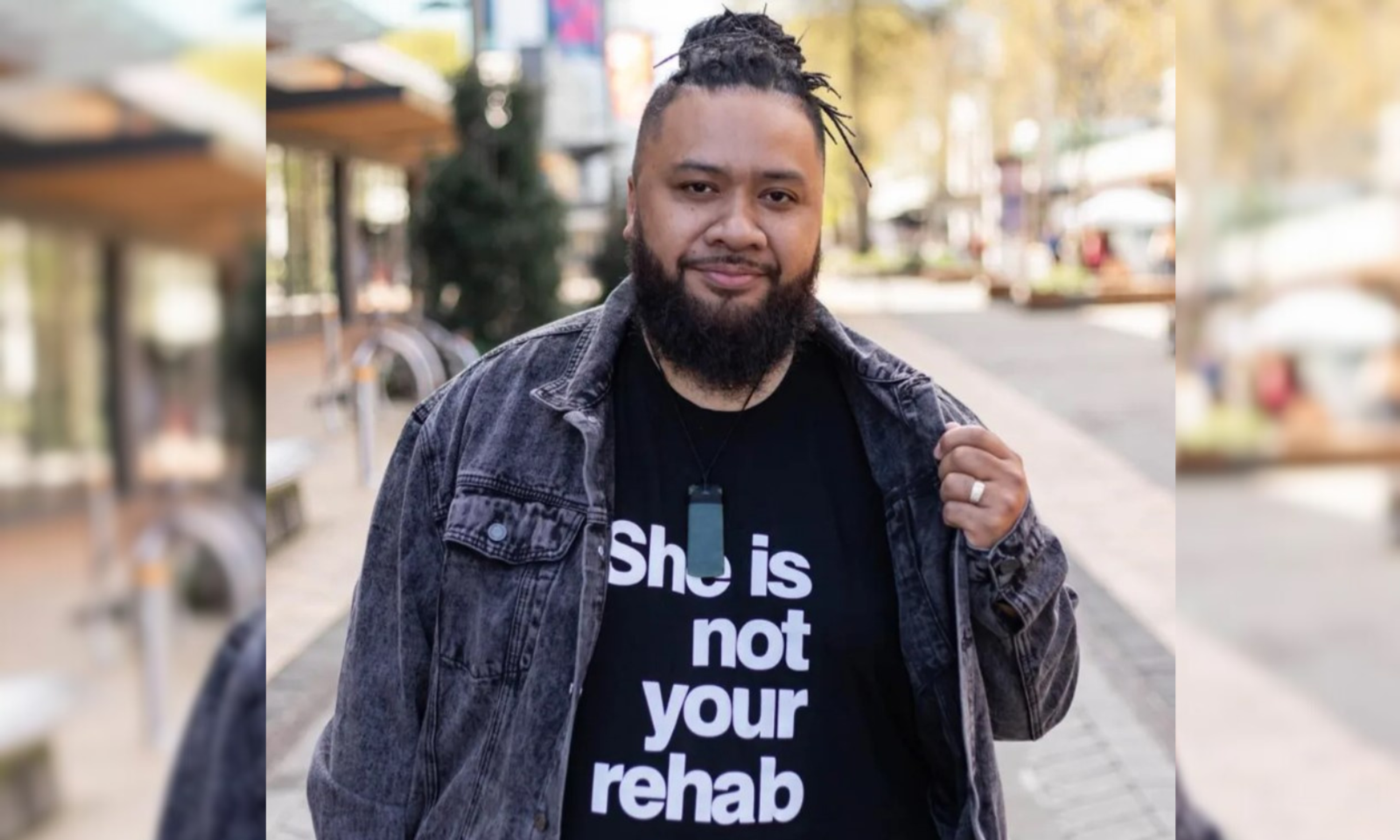
Abuse survivor and She Is Not Your Rehab co-founder Matt Brown says domestic violence can escalate over the Christmas period.
Photo/RNZ
Matt Brown, co-founder of She Is Not Your Rehab, shares how his own traumatic childhood has shaped his approach to the holidays and urges men to reflect on their behaviour.



Warning: The following article discusses abuse.
Christmas is meant to be a time of joy, family, and celebration. But behind closed doors, financial strain, family tensions, and heightened emotions can increase the risk of domestic violence.
Police data shows family violence consistently spikes during the holiday period, and abuse shelters report a higher demand in December.
Matt Brown is the co-founder of the She Is Not Your Rehab movement, which encourages men to confront their childhood trauma and break the cycle of abuse.
Speaking with William Terite on Pacific Mornings, Brown says the trauma of his childhood has influenced his approach to the festive season with his own family.
“At the age of three years old, I vividly remember my old man picking up our Christmas tree and going at mum with it, beating up mum with it, and then seeing my two older brothers jump on top of mum to try and protect her.
Watch Matt Brown's full interview below.
“The season was a very horrific season for me growing up, which is why I’ve leaned into the season and try to transform it for my own children, so that they have a completely different experience to Christmas than the one that I had.”
A report from Pasefika Proud shows Pacific people are 44 per cent more likely to experience physical or psychological family violence compared to their European counterparts, and Pacific children are 2.5 times more likely to be physically punished.
Brown says the combination of financial stress, cultural expectations, and families spending more time together can create volatility.
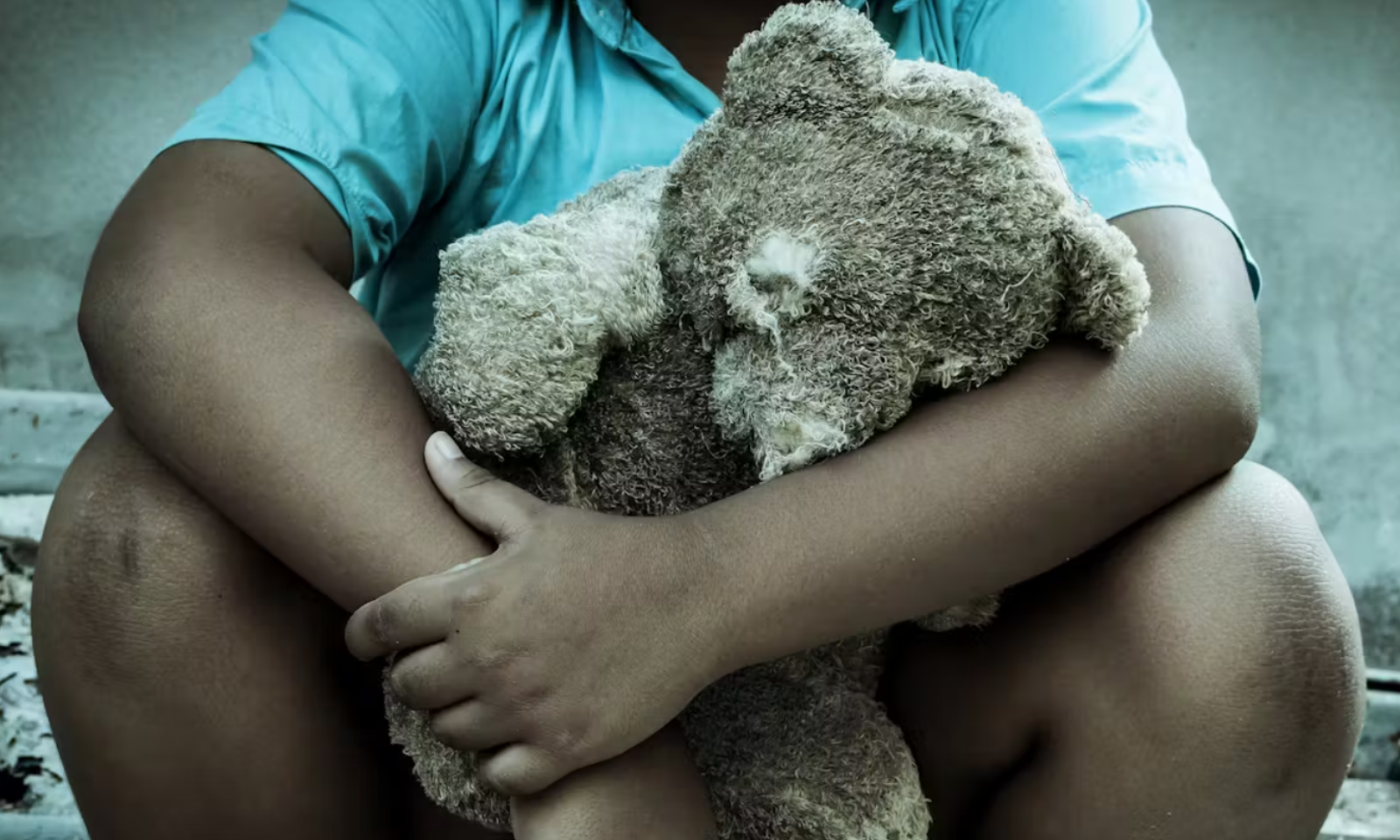
Abuse can be more prevalent in some communities. Photo/File
“Mum and dad are at home, all the families are at home, the pressures of the season, trying to keep to what society has told us that we should be doing, which is giving, giving, giving, but that comes at a cost to our families,” he says.
For families heading into the holiday season, Brown says violence often comes from “our tāne, our men, our tamas”, and he believes it is possible to break the cycle for the next generation.
“It is possible to give your children everything you never received. Pause and breathe before you act, go for a walk before you react,” he says.
“Brother, your childhood trauma was not your fault, but your healing is your responsibility. No man wakes up wanting to terrify his children. The best gift you can give them this season is your presence and emotional availability.”
‘It is our business’
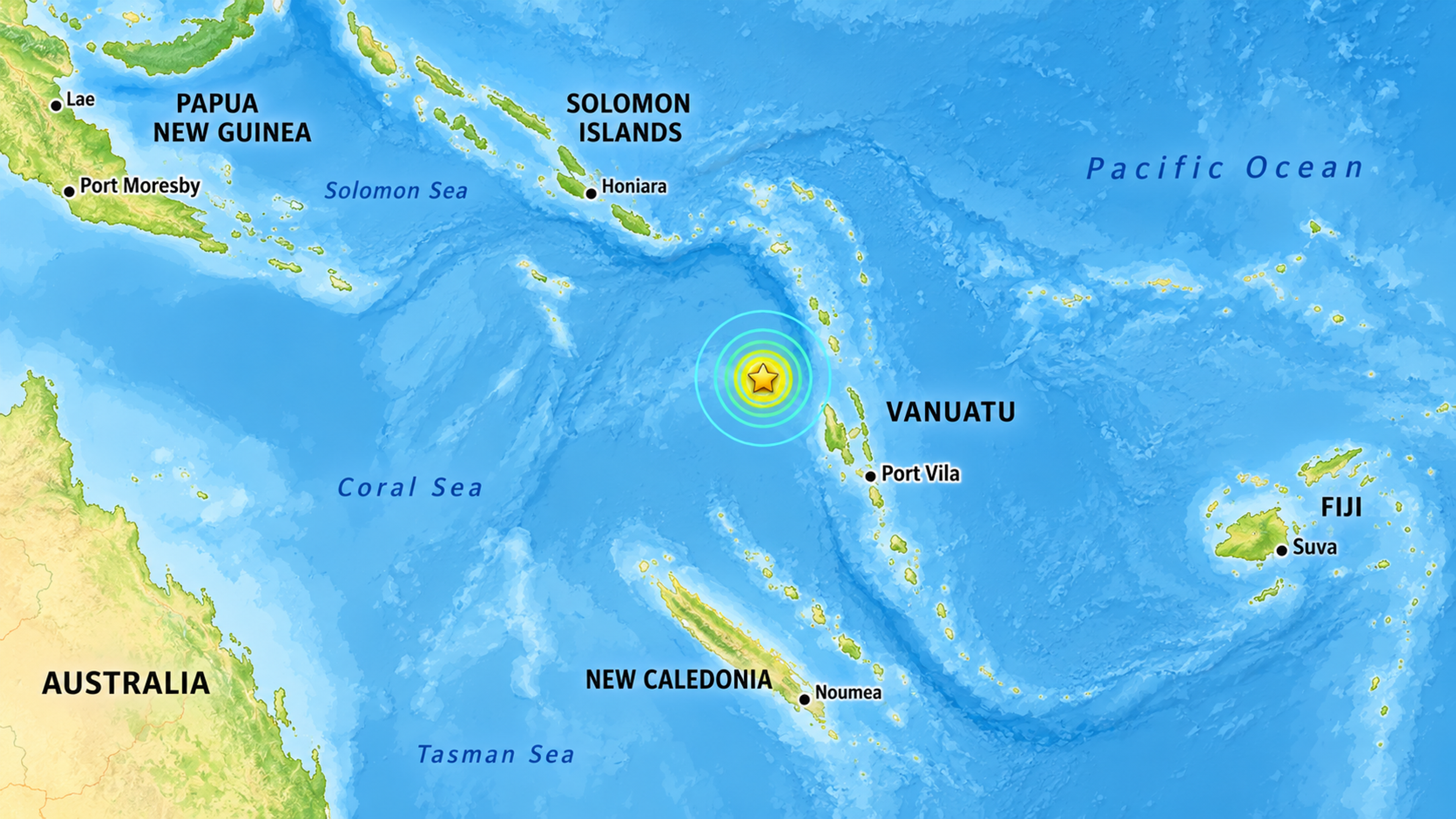
The impact of violence is felt across the Pacific. A United Nations report on women last month lists Melanesia as having the highest prevalence of physical or sexual intimate partner violence in the past 12 months at 51 per cent, followed by Micronesia at 41 per cent, and Polynesia at 39 per cent.
“Gender-based violence is rooted in entrenched gender social norms about men's entitlement and privilege over women, unequal gender power relations, and socially prescribed gender roles,” the report states.

Women from the Pacific region have some of the highest rates of sexual and physical violence in the world. Photo/File
Brown says joking about getting a “hiding” shouldn’t be trivialised, but he recognises it can be a coping mechanism.
“Some of us need to sometimes joke about it to get us through, but behind every joke there’s some percentage of truth in it. Me and my boys used to joke about it, it was almost like the ‘trauma Olympics’, who had the worst hidings during the season. But after the laughter, let’s have the hard conversation… how do we break that cycle, how do we be better?”
Brown says family violence is happening in our communities, and encourages people to recognise the signs.
“I live in a neighbourhood where I often hear screams and yells, parents arguing, fighting… Women are hiding behind sunglasses inside buildings, children are scared… acting different, those are the signs.
“The truth of the matter is, it is our business. If we really believe in the indigenous sayings, it takes a village to raise a child, our village needs to stand up… please go and check in on your neighbours.”
Brown says support is available, with resources like the 30-day Inner Boy app and Pacific services such as Le Va’s Atu-Mai programme offering practical help for men who want to change.
Matt Brown says communities can work together to protect families. Photo/Unsplash/Chad Stembridge
How to get help
If you're in danger now:
Call the police on 111 or ask neighbours or friends to call for you.
Run outside to find other people and scream for help so your neighbours can hear you.
Take the children with you. Don't stop to grab anything else.
If you are being abused, remember it's not your fault. Violence is never acceptable.
Where to go for help or more information:
Women's Refuge: Crisis line - 0800 REFUGE or 0800 733 843 (available 24/7)