
Pacific lawyer aims to turn narrow 2023 loss into win for Henderson
Christine RovoiThu, 02 Apr
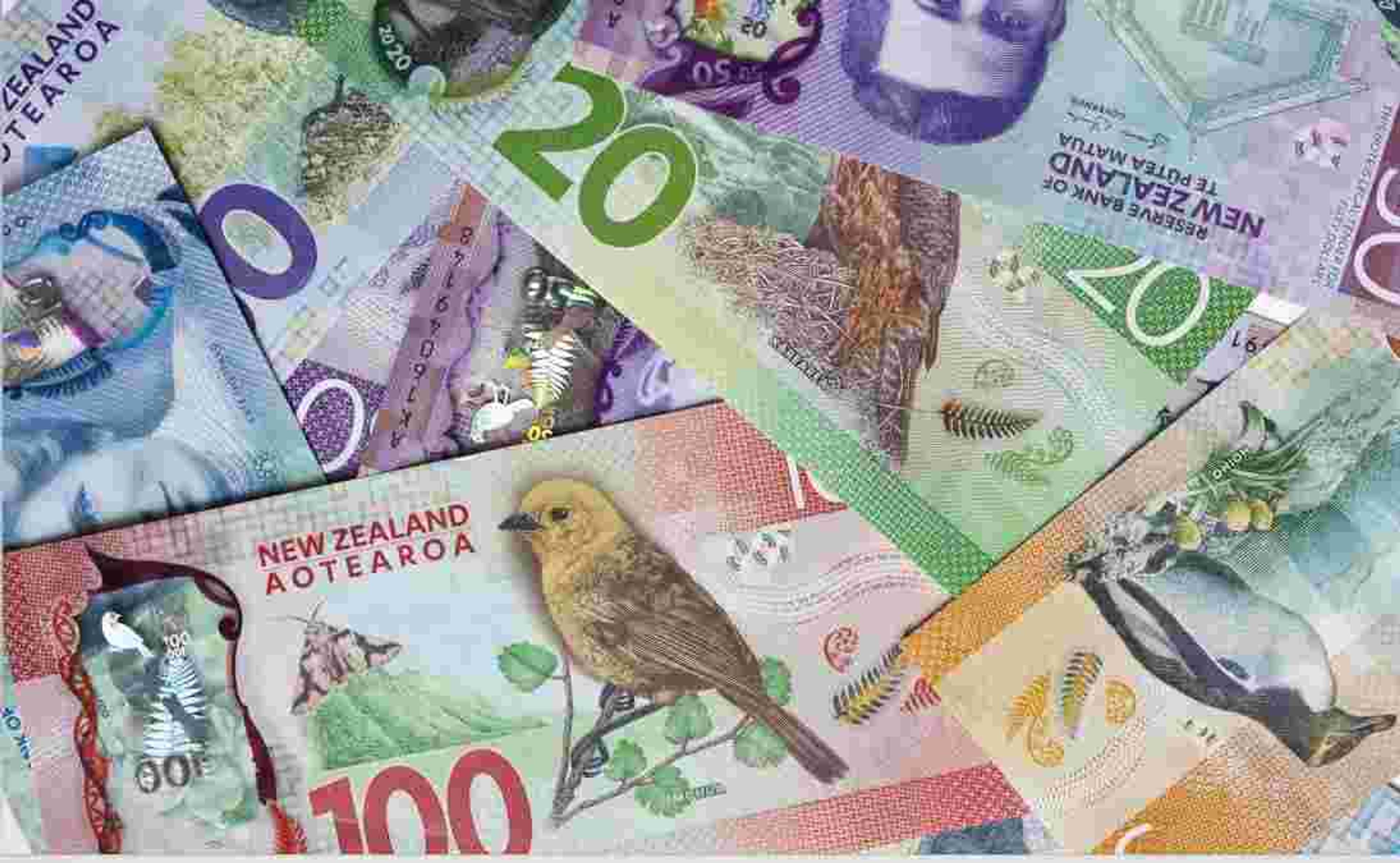
The government will announce the Budget for the year ahead
Supplied
It's Budget Day tomorrow and Khalia Strong explains what the Budget is and why it's so important.



What is the ‘Budget’?
Tomorrow at 2pm the government will announce the Budget for the year ahead. This is a big deal because it shows where the government’s priorities are, and which sectors will receive a significant funding boost from 1 July to the following 30 June.
Finance Minister Grant Robertson is calling it the ‘Recovery Budget’, and is in charge of dishing out the estimated $95.875 billion.
The planning of the Budget takes months, and is also a chance for a financial WOF, where spending over the past two years and the first half of the present year is analysed in the Budget Economic and Fiscal Update (BEFU), which comes out the same day as the Budget.
The Budget is made up of income taxes, GST and duty taxes on alcohol and cigarettes.
This isn’t all spending money, the government also needs to pay down some debt that was taken out last year for the pandemic response.
Why should it matter to me?
The Budget is how the government spends our taxpayer money. These funds are used to operate schools, provide smooth roads to drive on, hospitals to care for us when we’re sick, and pay the doctors and nurses working there. It pays our public services, police and teachers. On top of that, the Budget is meant to tackle climate change, fund cancer medication, and provide welfare and mental health services.
This year, Grant Robertson said the focus will be on well being and recovery, with these key objectives:
· Securing a Just Transition as we shift to a low-emissions economy
· Lifting productivity and enabling all New Zealanders to benefit from the Future of Work
· Lifting Māori and Pacific incomes, skills and opportunities,
· Reducing child poverty and improving child wellbeing, and
· Supporting Physical and Mental Wellbeing for all New Zealanders and keeping COVID-19 out of our communities.
What provisions will be made for Pacific Islanders?
All will be revealed on the day, but Robertson said they are committed to partnering with Pacific and Maori to maximise the opportunity to lead and benefit from the economic recovery.
What happens on the day?
At 11am, journalists are given access to view the Budget in what is called a ‘lockup’. At 2pm, the doors open and the embargo lifts, and the Finance Minister gives a speech, followed by breaking news reports and political commentators weighing in.
Is the Budget set in stone?
No. After it gets released the funding will be closely examined by Select Committees, the Treasury, Auditor-General, and Parliament.
Once the Budget is approved by Parliament in July, the Government then has the legal authority to get to work. The Treasury also does regular updates on the country’s financial position to keep the government accountable.
What happens if the Government runs out of money?
The Budget usually tries to leave a little bit left in the tank in case of an emergency, or if one sector needs more support than expected. Some countries are constantly in the red each year, but the New Zealand government aims to balance their books and function within their means.
Since taking out more debt to fight the economic impact of Covid-19, the government debt is now over $100 billion dollars. This financial position is better than expected, and is still considered small compared to our GDP of $209.33 billion USD.
Some commentators are predicting a modest budget this year, saying the government will be playing it safe and keeping a rainy day fund so they can be more splashy next year, in what will be a lead up to the 2023 general election.