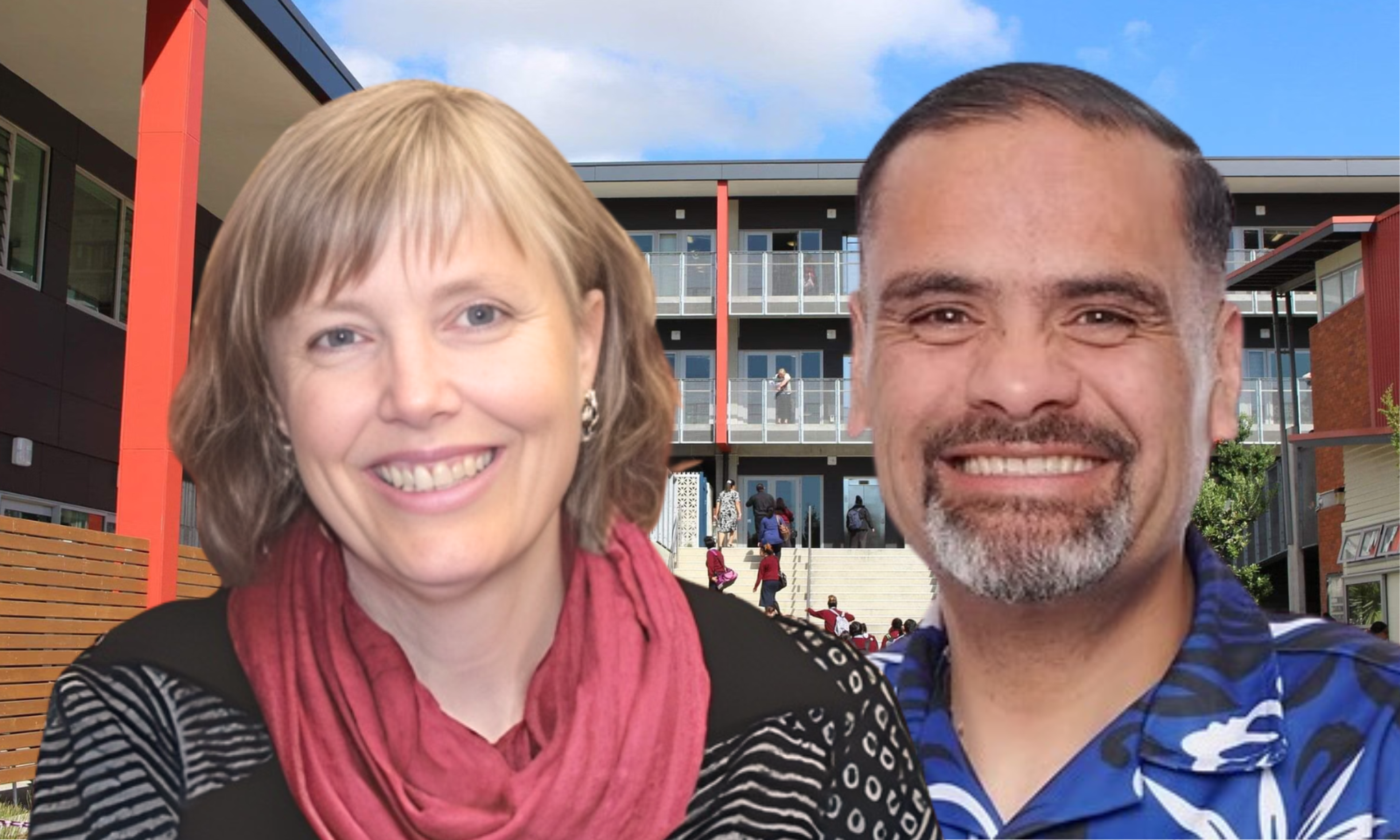

Delegates at the 2019 Council of Pacific Education Conference. Photo/Supplied
Photo/Supplied
Education
Pacific teachers highlight pay, classroom, autonomy challenges
The conference heard that in schools across most Pacific countries, student-to-teacher ratios are increasingly disproportionate, while pay remains low for teachers.

PMN News
Published
23 October 2019, 2:51pm
Share
Copy Link
Sponsored by Sorted

Top stories

Fiji roar to winning ways as comeback kings claim Singapore 7s title
PMN NewsMon, 02 Feb
Visa glitch triggers duplicate charges for Rarotonga visitors
Losirene Lacanivalu, Cook Islands NewsSat, 31 Jan

Sponsored by Sorted
Top stories
Fiji roar to winning ways as comeback kings claim Singapore 7s title
PMN NewsMon, 02 Feb
Visa glitch triggers duplicate charges for Rarotonga visitors
Losirene Lacanivalu, Cook Islands NewsSat, 31 Jan
Large class sizes, inadequate pay and funding, and a lack of autonomy.
They're just some of the challenges facing teachers across the Pacific as highlighted at a conference in Nadi.
At the Council of Pacific Education's 2019 conference, outgoing president Correna Haythorpe referred to Education International's report "Off Track". The report says many countries are failing to spend 6 percent of their GDP and 20 percent of their national budget on public education.
The conference heard that in schools across most Pacific countries, student-to-teacher ratios are increasingly disproportionate, while pay remains low for teachers.
Also discussed was Education International's report on the privatisation and commercialisation of education in the Pacific.
The study reveals the impact and consequences of education reform on schooling in the Cook Islands, Fiji, Kiribati, Samoa, Solomon Islands, Tonga, Tuvalu, and Vanuatu.
The report shows that despite a teacher shortage in the Pacific Islands, government policies aren't helping make teaching an attractive profession.
The report points to accountability rules and punitive policies which aim to control teachers and limit their professional autonomy.
Educators do not feel that their salaries and working conditions reflect the high workload, large class sizes and daily challenges they face in the classroom.
Many educators also report precarious employment conditions that create instability in the workforce. In Fiji, teachers are hired on one-year contracts, after which they are selected or not for further service.