
'Watch out': Silver Ferns issue clear warning to Diamonds ahead of Christchurch clash
Brooke FonotiMon, 19 Oct

The Annual Teachers Conference is underway in Apia this week. The theme is 'Every action shapes the future'.
Ministry of Education/Facebook
Falling pass rates have triggered a government review, as teachers highlight weak foundations, staff shortages, and changing student behaviour.

Falling exam pass rates in Sāmoa have sparked a Cabinet-ordered review of the country’s education system, with educators warning that long-standing problems are now showing up in national results.
Prime Minister Laaulialemalietoa Leuatea Polataivao Schmidt announced on 23 January that Cabinet had received a list of underperforming schools and had asked the Ministry of Education to review how the system is working.
“The system is not working,” he said, adding that pass rates in Mathematics and English were low across many schools.
The Prime Minister linked the results to a shortage of teachers, educators leaving Sāmoa for work overseas, and the rapid growth of new schools without enough staff. He suggested bringing in teachers from overseas as one possible response.
But Nikki Perese, an education advocate and teacher, criticised the idea, calling it a “lazy assumption”.
According to the Sāmoa Observer, she said there was a tendency to believe overseas expertise was always better.
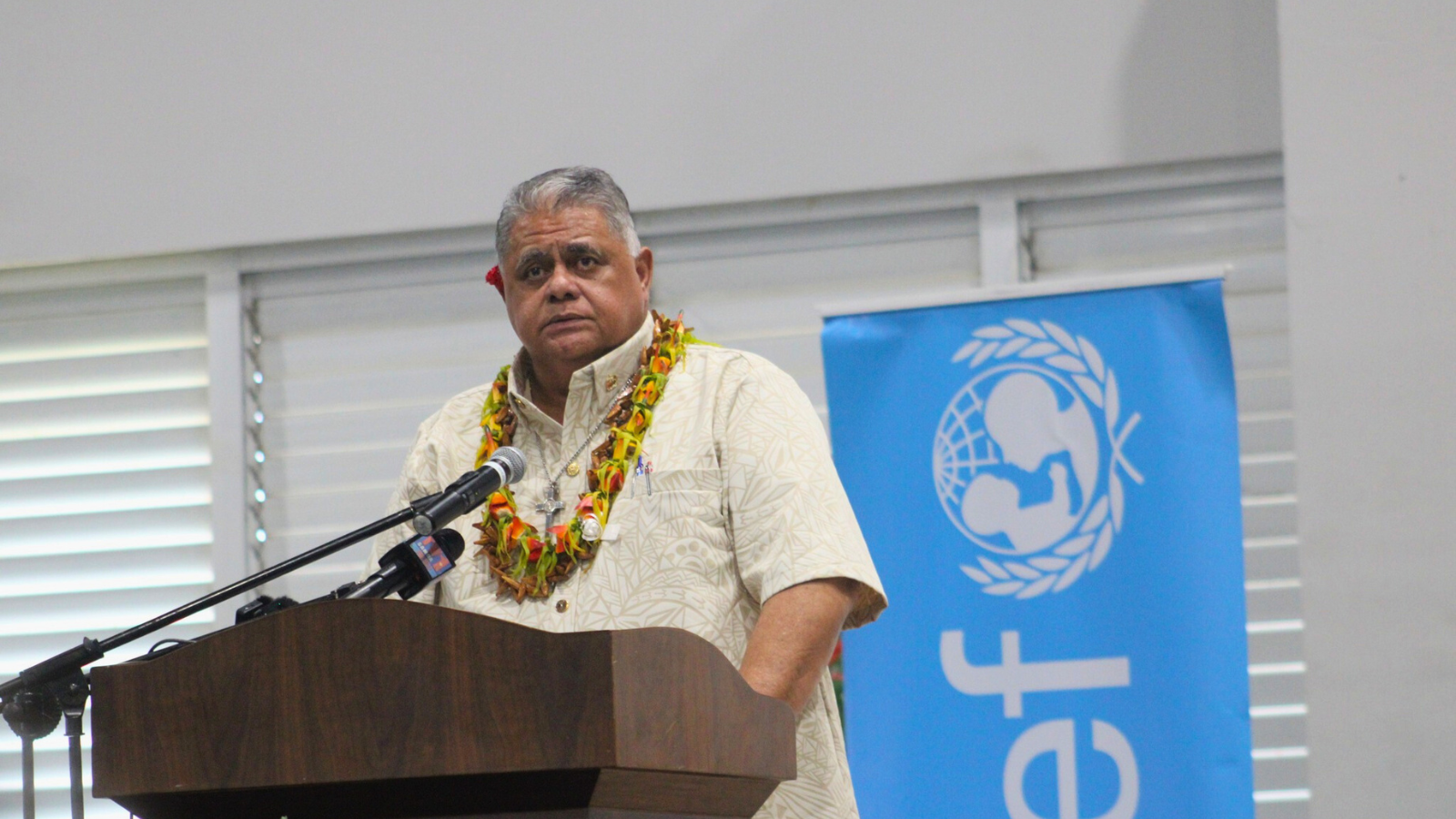
Laaulialemalietoa has suggested bringing in overseas teachers as a way to address falling exam pass rates in the country. Photo/Ministry of Education/Facebook
“That’s not problem-solving, that’s deflection,” Perese said. “It’s easier to point fingers than to sit down and deal with the real issues in front of us.”
Perese said responsibility for student outcomes should be shared between government, schools, and families.
She pointed to changes in student behaviour, online exposure, and motivation. And said parents always needed to be more involved: “Did I support my child? Did I even know what they were studying? Education starts at home.”
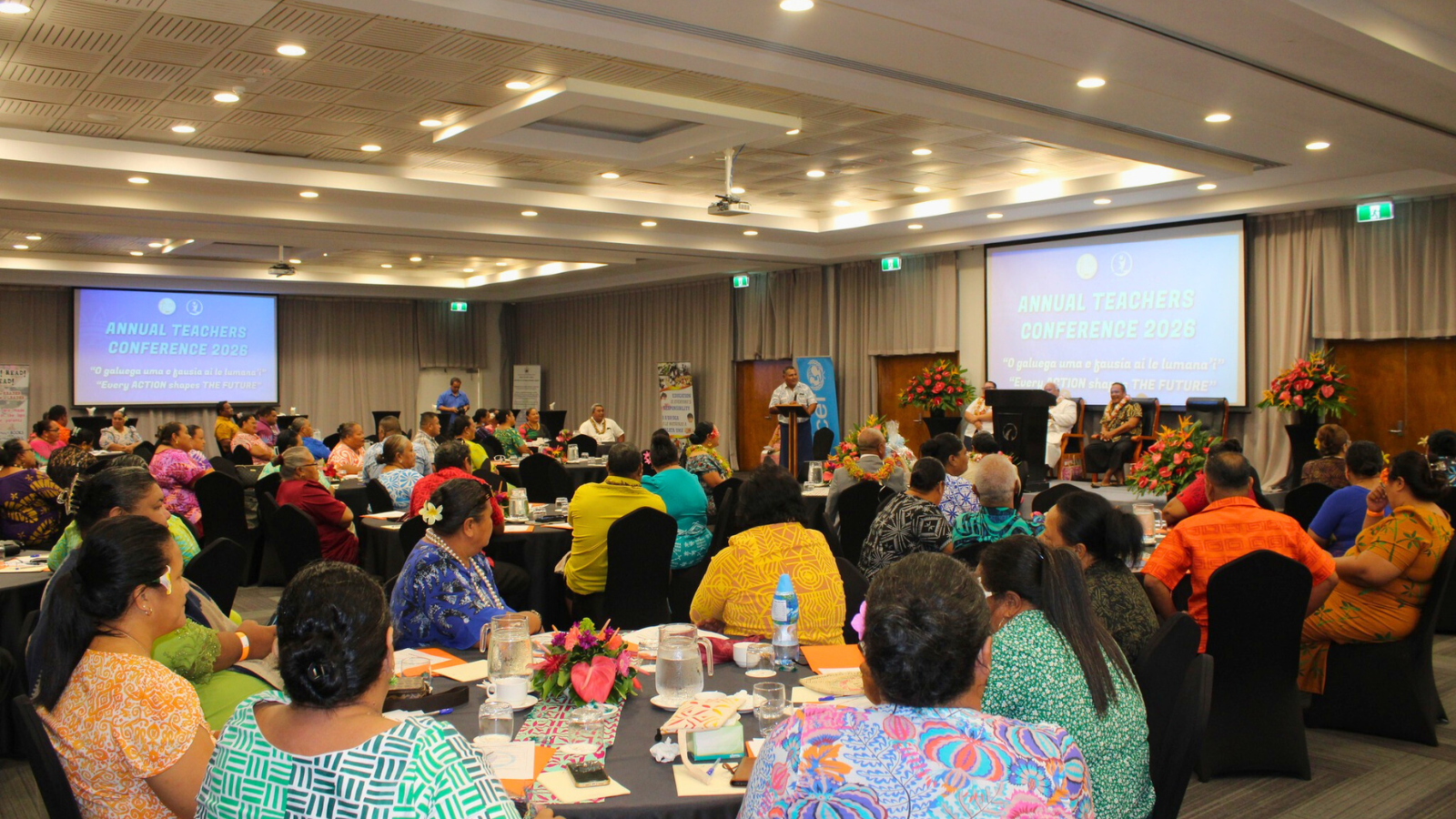
Day 2 of the Teachers Conference. Discussions focused on 'School Safety and Wellbeing'. Photo/Ministry of Education/Facebook
Johannes Uili, a university lecturer and former secondary school teacher, told PMN News the exam results highlighted a growing gap between what students learn in class and what exams require.
He said many students understand concepts but struggle when exams ask them to explain, compare, and analyse ideas.
“There’s a disconnect between the learning outcomes in the classroom and the learning outcomes in the examination,” Uili said.
He added that exams were often set by people not teaching at the secondary level, which could create a mismatch between classroom realities and assessment expectations.
Uili also said student behaviour was becoming a bigger challenge, with more screen time, online gaming, and reliance on artificial intelligence tools affecting study habits.
“They can define something, give an example, and stop there,” he said. “But the exams expect more than that.”
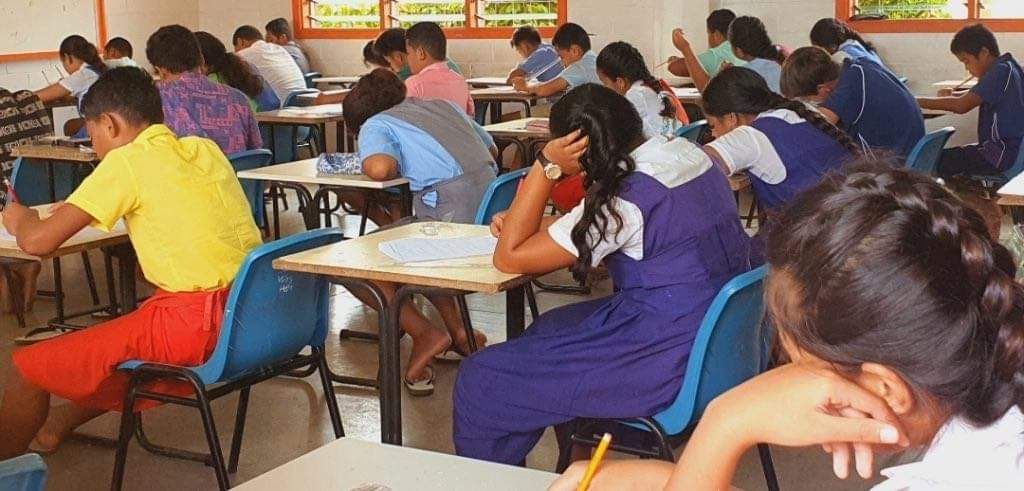
Falling pass rates have triggered a government review of the education system in Sāmoa. Photo/Samoa Global News
He said some students admitted using AI because it was “the fast way out”, especially when balancing schoolwork with other commitments.
In response, he required most written assessments to be completed in class to ensure students worked independently.
While acknowledging teacher shortages and heavy workloads, including his own experience of teaching a class of more than 80 students, Uili said most teachers were doing their best under pressure.
Telesia Ale, the principal of Safata College, said the focus should be on strengthening local capacity through better support, training, and resources.
“We already have capable teachers in Sāmoa,” she told the Observer. She added that overseas teachers should not be seen as replacements, as local educators understand the language and culture needed to connect with students.
Enid Westerlund, Early Childhood Development National Coordinator, warned that many problems seen at the secondary level begin much earlier.
As reported by the Observer, she said basic literacy gaps and excessive screen time were affecting attention and learning.
“We must return to the basics if we want to have successful learners and readers,” Westerlund said.
With the Sāmoa Teachers’ Conference taking place this week, educators say the challenge now is turning concern into action.
They say better alignment between early learning, classroom teaching, assessment standards, and family support is needed if exam results are to improve in a meaningful and sustained way.