‘Soul resuscitation’: Pioneering Vagahau Niue and cultural connection down South
Atutahi Potaka-DewesFri, 23 Oct
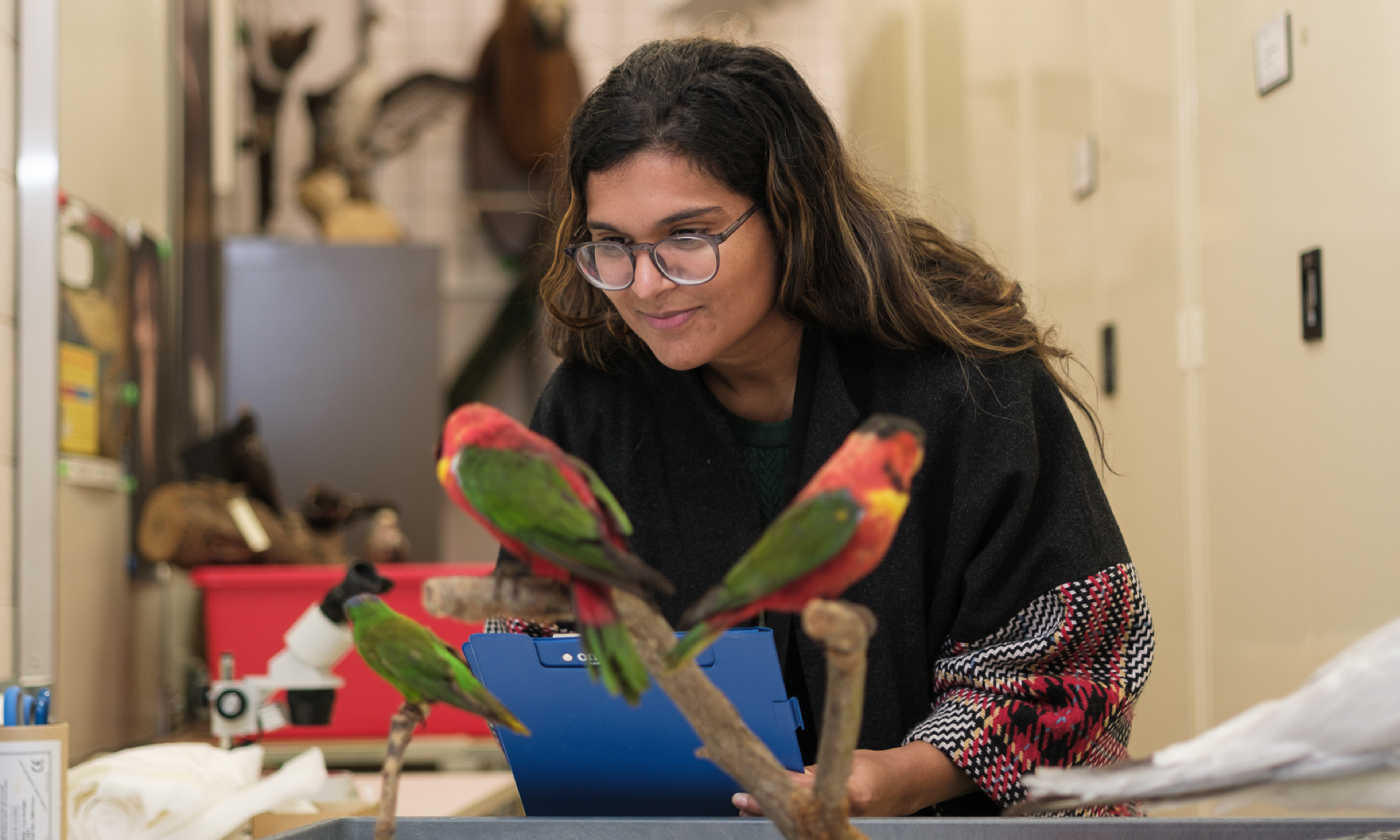
Doctoral candidate Patricia Pillay at the Auckland Museum with a tropical parrot from its collection.
Photo/Richard Ng
Tiny bird bones from the Marquesas show centuries of life shared between humans and nature.


In the tiny fragments of ancient bird bones, researchers are uncovering a big story: how humans and wildlife have shared the Pacific islands for hundreds of years.
Patricia Pillay, a PhD anthropology student at the University of Auckland, led a study tracing the DNA of birds from archaeological sites in the Marquesas Islands.
Her findings reveal centuries of close connections between people and birds. She says these links still matter for conservation and heritage today.
“Understanding their history helps us understand our own,” she tells Pacific Mornings. “The Pacific Islands were the last major region to be settled in human history by these skilled maritime voyages, and birds have played an enormous role in how communities understood and navigated these environments.
The Marquesas were first settled around the mid-12th century AD. Pillay’s team analysed bones from Nuku Hiva, some no bigger than a fingernail, using DNA techniques that reveal species even when bones are too small to identify by eye.
“These archaeological records give us the time depth to understand long-term relationships between early navigators and the wildlife and environments they encountered,” Pillay says.
The research, published in the March issue of Quaternary International, highlights iconic species like the red-tailed tropicbird, known for its long red tail feathers and found across the Marquesas and wider Pacific.
The bird has a stable global population of around 70,000 and plays an important role in Polynesian culture. Its feathers appear in ceremonial dress and oral histories celebrate its presence.
“Seeing them 700 years ago in the archaeological record establishes their long-term presence within this archipelago,” Pillay says.
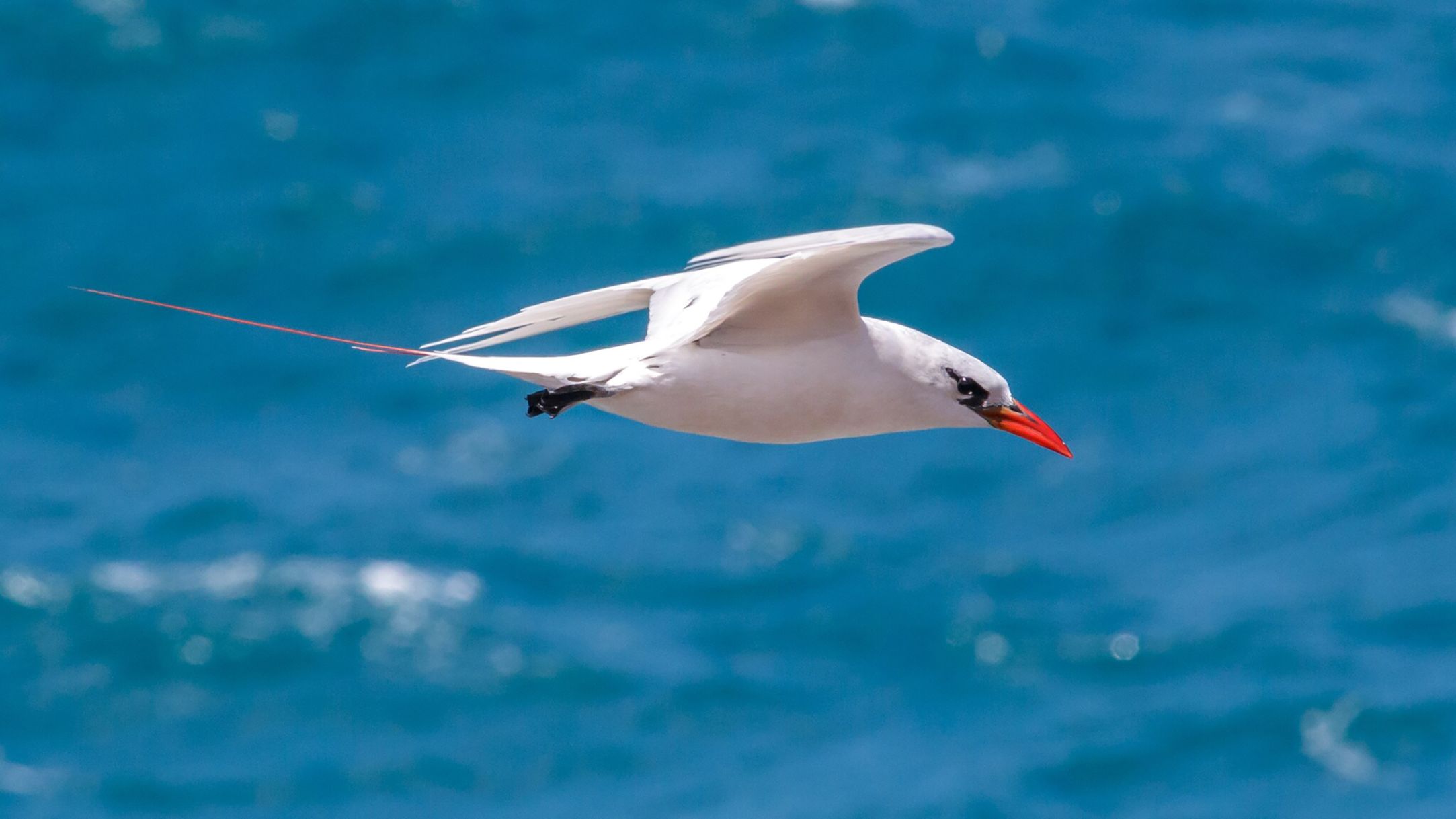
The red-tailed tropicbird is known for its long thing tail streamers, loud calls and plunging fishing method. Photo: Wikimedia Commons
The DNA evidence supports what Polynesian stories have long told. Raphael Richter-Gravier from the University of Otago notes that bird colours often carry deep cultural meaning.
“People throughout Polynesia placed great value on the colour red, which was considered sacred; the word kura ‘red’ and its cognates kula, ura, ‘ula, ku‘a conveyed on many Polynesian islands meanings connoting excellency and sacredness,” he writes in Notornis.
Cultural practices such as the Marquesas’ Haka Manu, or bird dance, emphasise these cultural connections.
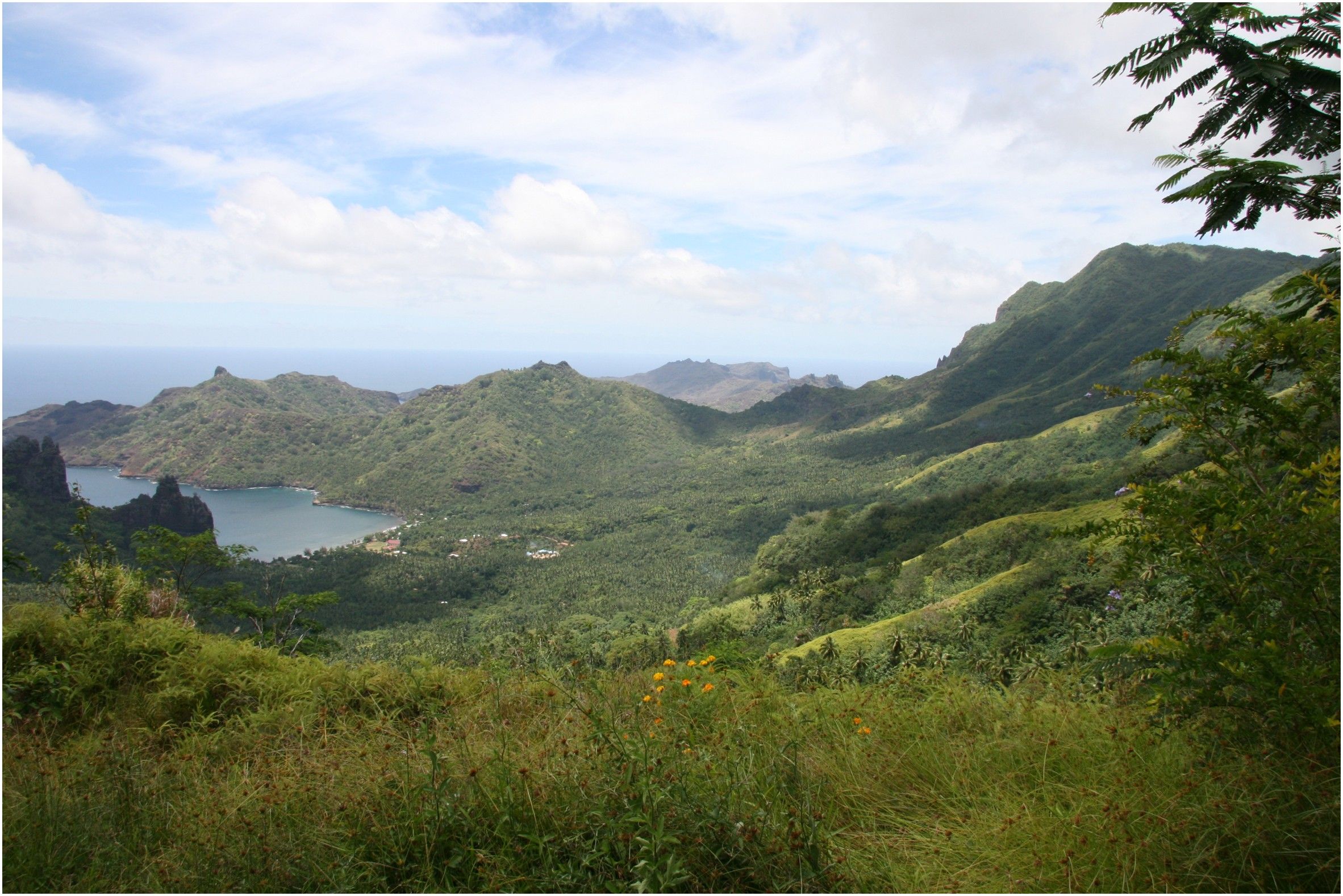
The bone fragments were collected from the Hatiheu Valley in Nuku Hiva, one of the Marquesas Islands. Photo/Supplied/Melinda Allen
In 2024, the late Edgard Kahu Tametona, who revived the dance, explained: “We draw our inspiration from the practices of our ancestors. Our ancestors were inspired by nature, the way the trees move and the coconut palms sway, inspired the women's movements.”
Unlocking history from tiny bones requires modern techniques.
Pillay’s team used polymerase chain reaction (PCR) and bulk bone metabarcoding to analyse many fragments at once, making the work faster and more precise.
In a statement, Natalie Remedios, senior anthropology technician at the University of Auckland, says: “With metabarcoding, you don’t have to analyse each bone separately. You can combine multiple fragments in a single tube and pull out many different DNA sequences at the same time, making it a much more efficient way to work with heavily fragmented bones.”
The study also found shearwater species, now rare in the Marquesas, suggesting these birds once ranged more widely across the Pacific.

Patricia Pillay (left) and Natalie Remedios analysing ancient bird DNA in the Anthropology laboratory at the University of Auckland. Photo/Supplied
By linking ancient DNA with cultural knowledge, Pillay’s research offers a new lens on Pacific life.
It shows that human history, wildlife, and culture have always been intertwined. And that protecting both nature and heritage today is about conservation, identity, and connection.
Watch Patricia Pillay's full interview below.