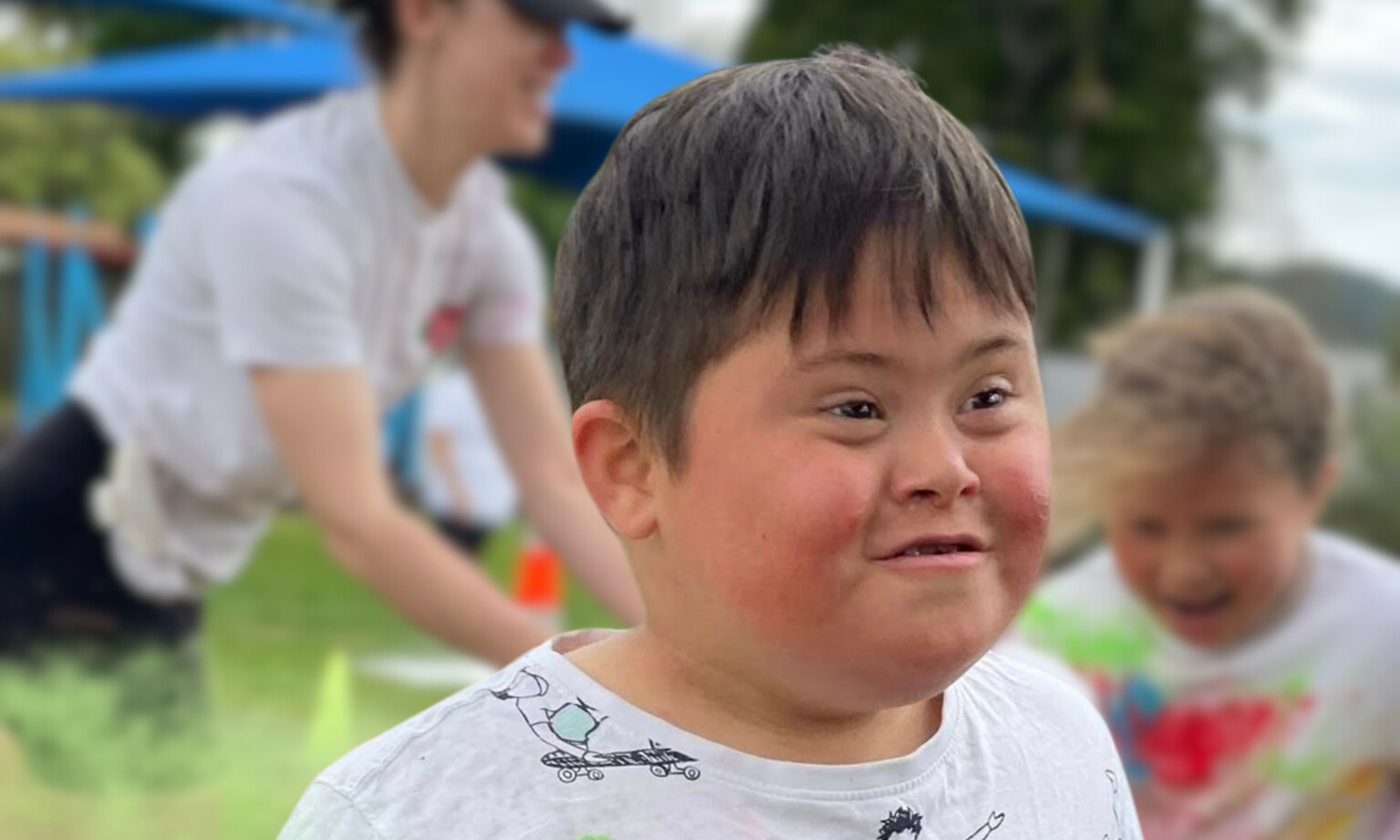
Taonga Peita enjoys a colour run event.
Photo/Facebook/The Peita Boys
Community
Taonga shows the joy and gaps in Down syndrome support
The social media star is breaking stereotypes around Down syndrome, as his family fights for better support and recognition for all children.

Khalia Strong
Published
23 March 2026, 2:26pm
Share
Copy Link
Top stories
Fiji's army chief warns the gun must never overrule the ballot
Christine RovoiMon, 12 Oct
Taonga Peita is a vibrant eight-year-old boy who lights up every room he enters.
He loves music, “popping manus” off the wharf with his dad, and will proudly show off his te reo Māori counting skills to anyone who will listen.
He says it makes him happy “when my people give me love”, and repeats the mantra from his extension class, “I can do hard things”.
His mother, Miranda Shackell, is his proudest advocate.
“People with Down syndrome have something to bring to the world,” she tells PMN News. “Things might be challenging at times, but he enriches our lives.”
When he was born, the family chose a special name, taonga, which means “treasure” or “gift”.
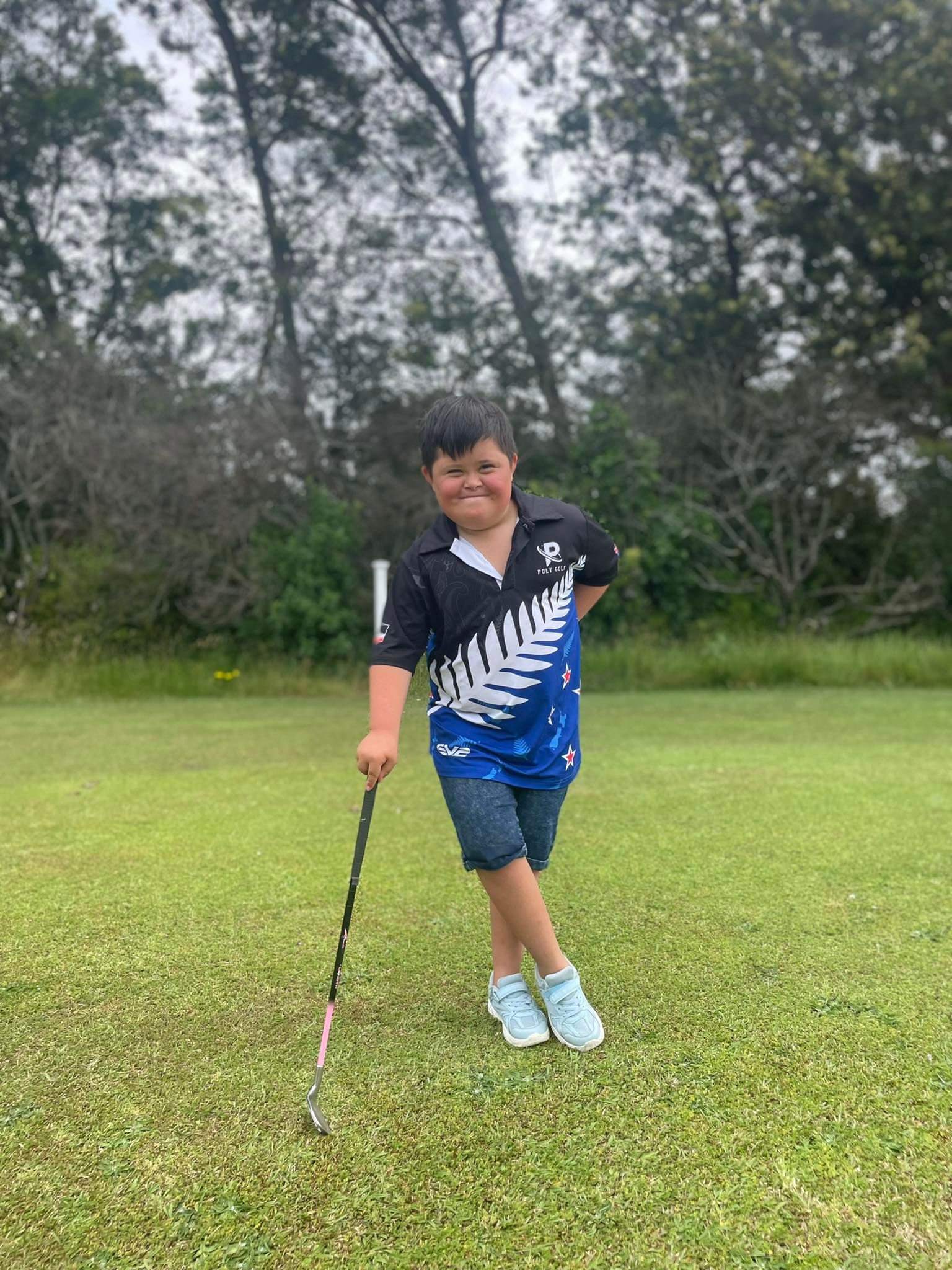
Family activities include handball, fishing, and golf. Photo/Supplied
In New Zealand, Down syndrome affects about one in every 1000 people.
People with Down syndrome are becoming more visible in public life, from television to sport.
Over the weekend, Mark ‘the Mahi Man’ Dekker led the Warriors onto the field to mark World Down Syndrome Day.
Taonga and his brothers, Dallas, 11, and Grayson, 10, feature on a social media page, The Peita Boys, which Miranda created to share everyday moments. What began as a family update “grew by accident” to more than 126,000 followers.
Shackell, a trained primary school teacher and now a special education needs coordinator (SENCO), says attitudes towards disability have improved over time, but language and understanding still lag behind.
“There was a man in my family, on my maternal grandfather's side, who had Down syndrome,” she said. “He was in an institution his whole life, and I was in my 30s before I found out that he even existed.”
Access to support
Figures from Stats NZ estimate one in six people have some form of disability, with more than half experiencing at least one unmet need: from support and medical care to home modifications or equipment.
Aiga Pouoa, T3 paraplegic and Tōfā Mamao chairperson, says only eight per cent of Pacific people with disabilities access support services.
The need is hidden most of the time because families are stepping in, providing unpaid care or tautua soifua, or working collectively to support each other.
“You've got a household, say they’ve got one tagata sa’ilimalo with down syndrome … everybody's trying to run around and find money for gas to take this boy to his appointments, take him to school, to look after the other kids, to find money for food to feed everybody,” Pouoa said in an earlier interview.
Shackell says support can also vary widely outside major centres, or simply because families don’t know what is available, like prescriptions for larger nappies.
She recalls how applying for education support forced her to emphasise her child’s limitations, not his strengths.
“It was the most un-mana-enhancing, awful, negative thing,” she said, “when it’s the absolute opposite of what we do as a whānau.
“To just say all the negative things about him, it was heart-wrenching. I had to put my sunglasses on because I was crying …it was horrible.
“In English, ‘disability’ suggests not having ability. In te ao Māori, it’s tangata whaikaha, people with strength. It just tells you how they are viewed by Western society, which is sad and feeds a negative narrative.”
Shackell hopes greater visibility and shared lived experience will shift perceptions. Her wish for Taonga is that he lives a life full of purpose and joy.
“Whether it’s working a couple of days a week, going to a course, or speaking to people and inspiring people …that he feels valued, has purpose and is happy.”