
Visa-free travel and wage freezes spark fresh split in Pacific candidates debate
Christine RovoiWed, 21 Oct

New Zealand has moved into daylight saving, with clocks put forward by one hour overnight, bringing longer evening light as summer approaches.
Photo/Facebook/Prestige Visa Global/Hemant Parikh NZ Wala/A Rentals NZ
New Zealanders have lost an hour of sleep but gained longer evenings as the country moves into daylight saving time.




New Zealanders have woken up to longer evenings and one less hour in bed after clocks moved forward overnight for the start of daylight saving.
At 2am on Sunday, clocks moved forward to 3am, giving the country an extra hour of daylight in the evening as summer approaches.
But the annual clock change is also being used as a reminder to check something that could save lives: smoke alarms.
Fire and Emergency New Zealand is urging people to check their alarms especially for older relatives, friends and neighbours who may need help testing or replacing them.
Tom Ronaldson, FENZ Community Education Manager, says every second person who dies in a house fire is aged over 60.
"Over the last five years we have seen an increase in the number of fatal fires involving people over the age of sixty," he says. "People only have around three minutes to get out before a house fire becomes unsurvivable."
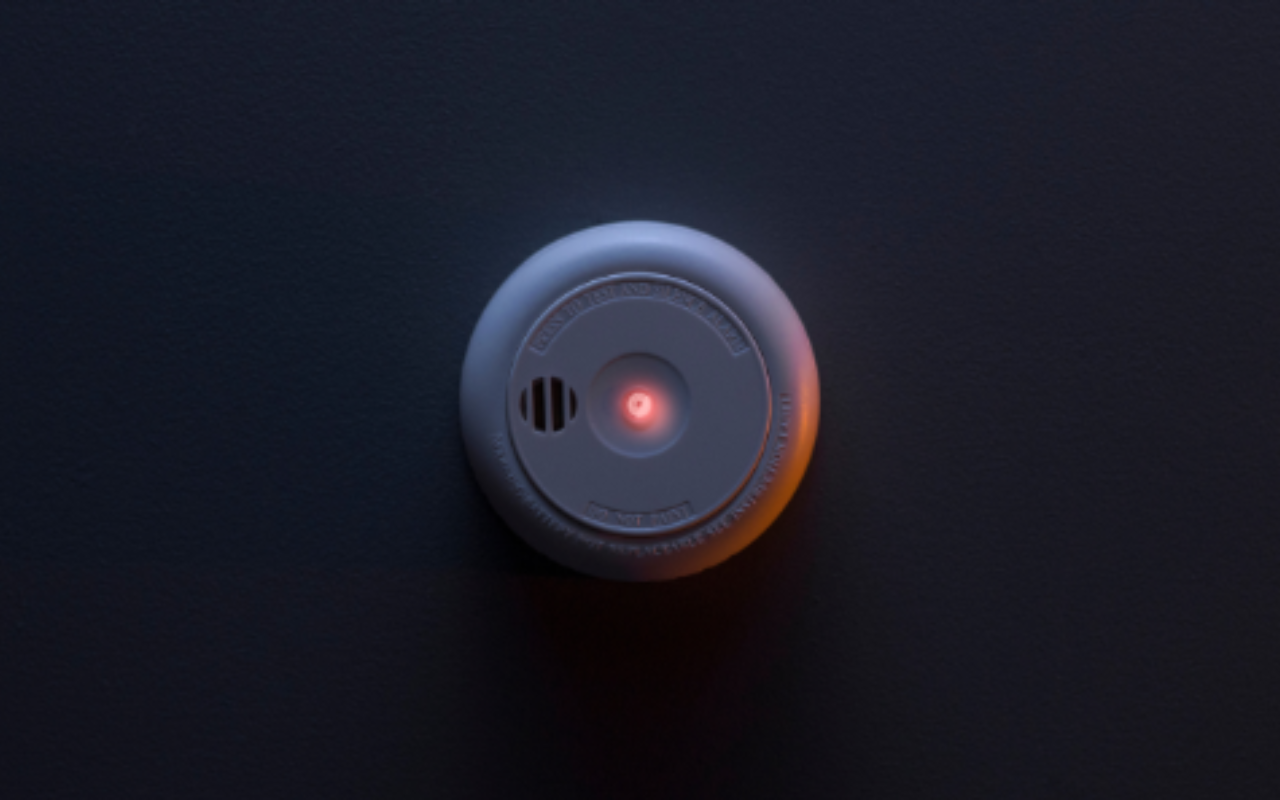
Fire and Emergency New Zealand is urging households to check their smoke alarms as daylight saving begins, particularly for older relatives, friends and neighbours. Photo/FENZ
He says smoke alarms should be working and installed in every bedroom, hallway and living area. Smoke alarms should also be replaced after 10 years.
"We often see homes which have smoke alarms installed but they are well past their use by date so won’t be at their best," Ronaldson says.
He recommends long-life photoelectric smoke alarms, and says checking them is also a good time to make sure households have two clear escape routes and an agreed safe meeting place.
Daylight saving is designed to shift an hour of daylight from the morning to the evening during the warmer months.
New Zealand daylight time starts at 2am on the last Sunday in September and runs until the first Sunday in April.
That means there will be more light in the evenings for outdoor activities, sport and spending time with family and friends. But losing an hour overnight can also affect sleep.
Erik Herzog, Professor of Biology and Neuroscience at Washington University, told RNZ recently that losing an hour of sleep when the clocks change can have short-term effects.
"When we switch to daylight savings time and lose an hour of sleep, we see a net increase in heart attacks, car accidents and other bad things that last for about three days," he said.
Dr Karyn O'Keeffe from the Sleep/Wake Research Centre has also warned that even a small loss of sleep can affect how people function the next day.

Losing an hour of sleep when daylight saving begins can temporarily disrupt sleep and affect how people function the following day. Photo/massgeneralbrigham.com
"There's really clear research out there that shows that missing out on sleep by an hour or more can lead to poorer functioning the next day," she told RNZ in 2024.
For people working overnight, the clock change can also affect how many hours they physically work.
Under the Time Act 1974, workers are still entitled to their normal pay when clocks move forward and their shift is shortened by the change. If clocks move back and a worker puts in an extra hour, that additional time must be paid at the appropriate rate.
Most smartphones and connected devices will adjust automatically but older clocks, watches, appliances and some car systems may need to be changed manually.
And for anyone still feeling the loss of that hour this Sunday morning, the good news is that daylight saving will bring longer evenings through spring and summer before it ends in April 2027.