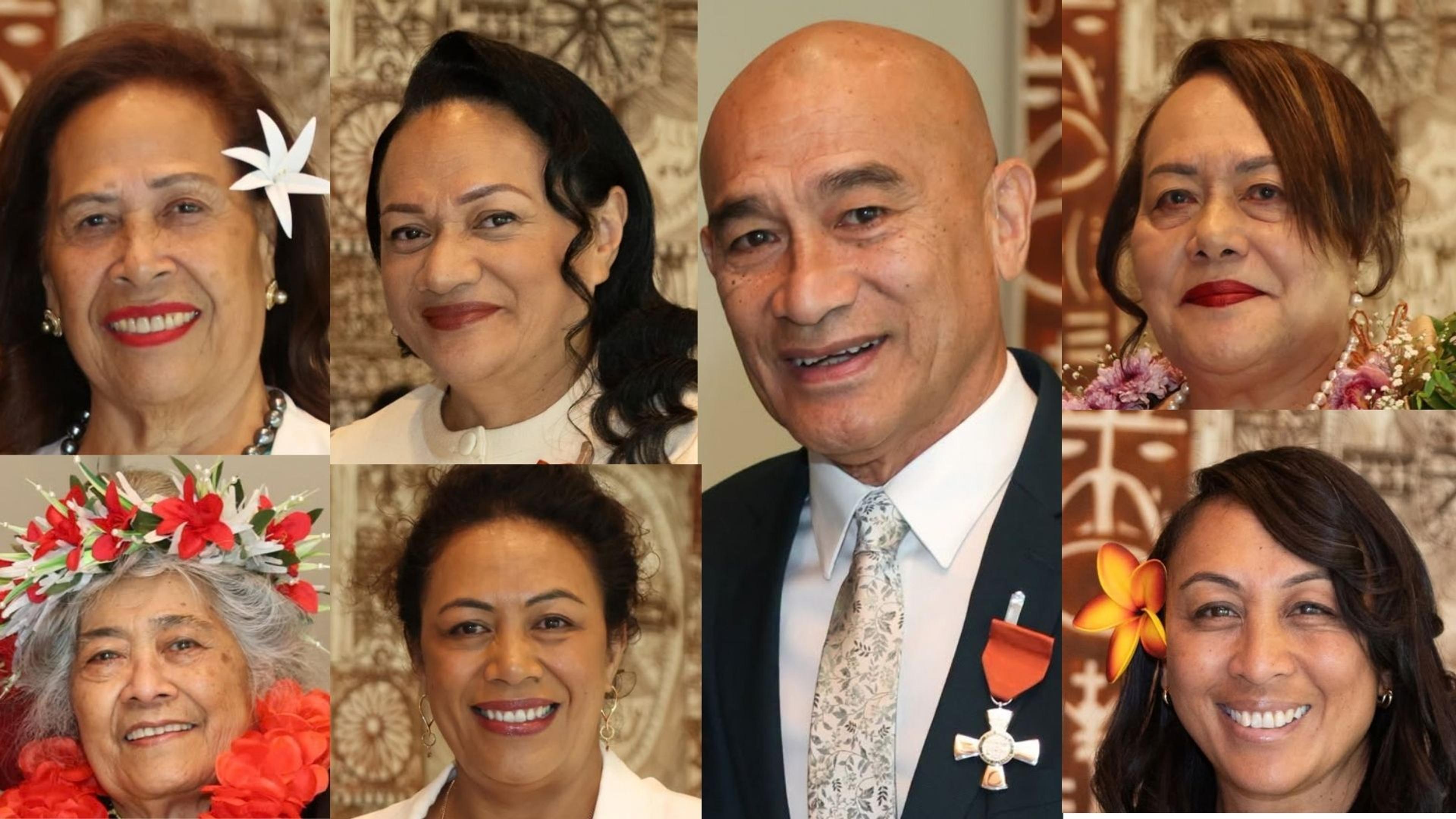

Maulupeivao Dr Betty Ofe-Grant (left) and Afamasaga Jackie Currie discuss the challenges Pacific women entrepreneurs face.
Photo/Supplied/Unsplash
Business
Third of Pacific women in Auckland businesses, but major sectors still out of reach - report
The study shows Pasifika wāhine are still under-represented in various industries and leadership roles, highlighting a gap in access to capital and opportunity.

Khalia Strong
Published
01 December 2025, 11:55am
Share
Copy Link
Top stories

‘Vanuatu is not for sale’: Government hits back at New Caledonian MP
Christine RovoiTue, 06 Oct

Pacific women have waited long enough for equal pay in NZ, says former commissioner
Thomas Tarurongo WynneTue, 06 Oct

Tonga uses anti-terror law for the first time to convict gang leader
Christine RovoiTue, 06 Oct
Top stories
‘Vanuatu is not for sale’: Government hits back at New Caledonian MP
Christine RovoiTue, 06 Oct
Pacific women have waited long enough for equal pay in NZ, says former commissioner
Thomas Tarurongo WynneTue, 06 Oct
Tonga uses anti-terror law for the first time to convict gang leader
Christine RovoiTue, 06 Oct
Pacific businesses are growing fast in Auckland, but Pacific women are still missing out on leadership roles, fair pay, and the funding needed to expand their own companies, a new report reveals.
The report shows that while Pacific-owned businesses are bringing in billions of dollars, the women behind many of these efforts continue to face barriers that others don’t, from bias in lending to being overlooked for top jobs.
The Quantifying the Pacific Economy report, released by Auckland Council and the Ministry for Business, Innovation and Employment, tracks 10 years of Pacific business activity.
It shows strong growth, with 1776 Pacific-owned businesses generating almost $1.8 billion in sales last year. But it also confirms a long-standing problem: Pacific women continue to face the biggest challenges.
Maulupeivao Dr Betty Ofe-Grant, a senior lecturer in management technology and organisation at Auckland University of Technology Business School, says the report highlights long-standing issues.
“It was quite disappointing to see that many businesses that are Pacific-based do not survive within that 10-year period. There is clear under-representation of Pacific people and Pacific women… they experience bias when it comes to lending,” she tells William Terite on Pacific Mornings.

Around a third of Pacific-owned businesses in Auckland are led by women. Photo/Unsplash
“It also mirrors the inequities that ethnic minorities face in general. We live in a colonial system, so what we're finding around the world is that whenever you have a dominant culture and you have an ethnic minority group, they face similar struggles to this.”
The advocacy group, Still Minding the Gap, reports that Pacific women earn about $0.79 for every $1 earned by Pākehā men, a gap that exists across various industries.
Maulupeivao says employers and government agencies must create fairer opportunities. “Pacific women are often overlooked when it comes to leadership positions, particularly in high-growth areas. So we really need to look at how our recruitment processes… are they fair?” she says. “As for the Government, they need to have a greater investment too.
Watch Afamasaga Jackie Curry and Maulupeivao Dr Betty Ofe-Grant's full interview below.
“We need more investment in our Pacific funding pathway. So grants, low-interest loans, maybe these investments that specifically target regions where there are more Pacific [people].”
Afamasaga Jackie Currie, founder of the Inailau Pacific Business Women’s Network, says while it’s encouraging that a third of Pacific-owned businesses are led by women, the report lacks detailed gender-specific data.
“I couldn’t really find much [data] with a gender lens… but from my own personal experiences… [Pacific women] are in professional services, hospitality, notably some of the lower percentages of businesses, and not really in the high-growth businesses,” she tells Terite.

There are calls for more support for entrepreneurs in high-growth industries, such as technology. Photo/Unsplash
“Women-led businesses, right across the board, have huge issues with accessing capital to grow their businesses. Lack of access is not just always about finance, it’s also finding private investors to actually invest in our businesses.”
Afamasaga says there is a lack of support for Pacific women in high-growth sectors such as technology and export-focused industries.
“The few women that are going into those spaces really need to be supported and not just through programmes, but going back to capital… we really need to have our own pathway, our own access and our own ring-fenced access to finance, grants and investments if you really want to see Pasifika women grow,” she says.
Breaking barriers in technology
Some Pacific women are creating new pathways in the tech sector and sharing their knowledge.
Namulau’ulu Nu’uali’i Eteroa Lafaele is the co-founder of Fibre Fale, an organisation offering AI masterclasses and building technology capability within Pacific communities. Last month, she launched her first children’s book, Ete Fixes the Glitch, inspired by her own experiences in the industry.
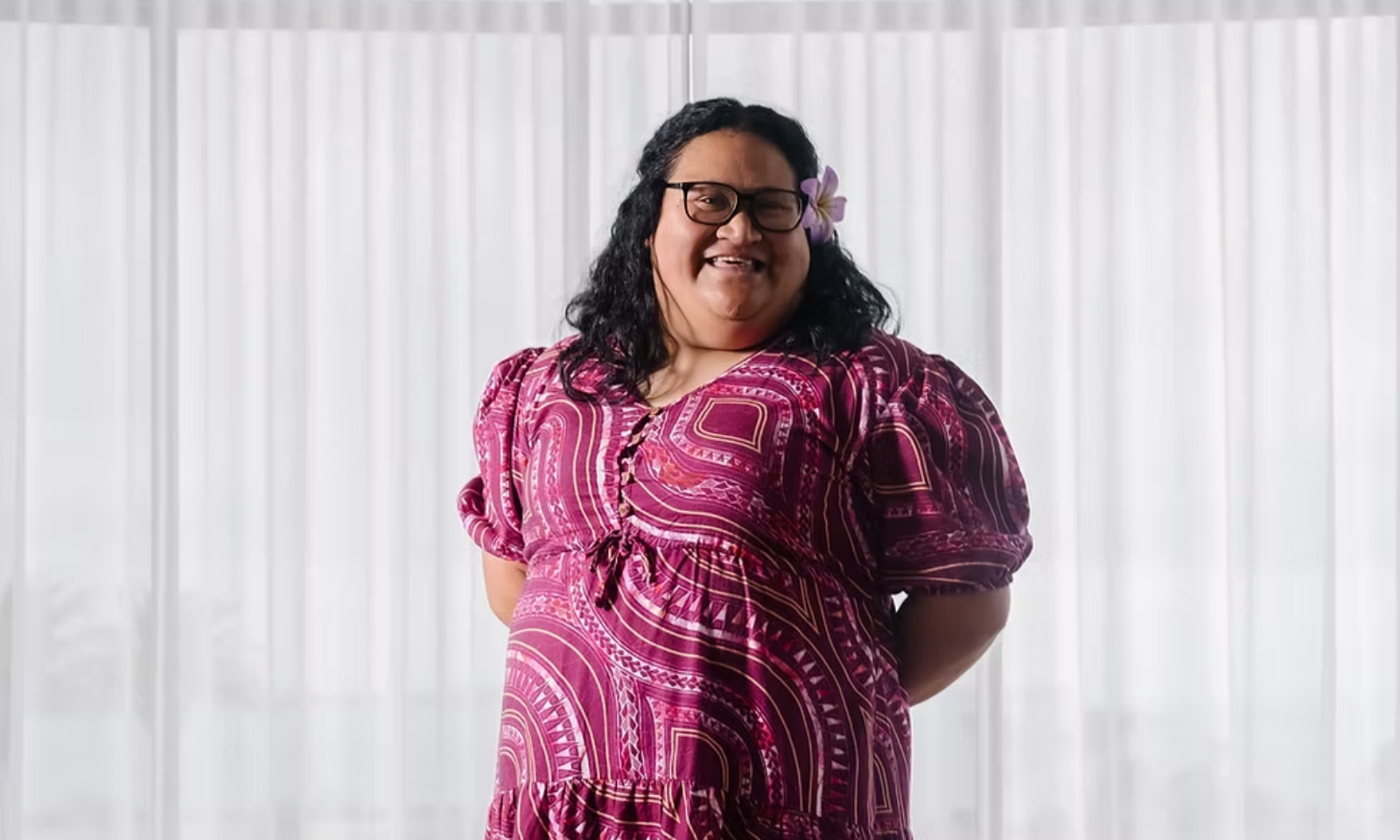
Namulau'ulu Nu'uali'i Eteroa Lafaele, author and co-founder of Fibre Fale. Photo/File
“Growing up there was nothing… I never saw any characters of myself that either operate within that realm of technology,” Namulau’ulu tells Tofiga Fepulea’i on Island Time. “The one big thing I really hope to make you see in this book is that [Pacific children] can see themselves in tech, but also that they can see themselves as not just consumers of tech, but future leaders of technology.”
She says Pacific children need to see clear opportunities into tech as a genuine pathway for our people. “I wish that was brought earlier within my upbringing. I hope this book bridges the gap for our tamaiti to be future problem solvers.”
Namulau’ulu, whose AI masterclasses have reached more than 2000 online learners, says indigenous knowledge guides her innovative approach.
“I started going into computer science at 18, and ever since then, it’s shaped who I am, the way I act, the decisions I make, and how I try to use technology ethically.
“Every day I’m asking myself if I’m using AI in the right way or if I’m affecting my culture, and that constant awareness reminds me of who I am, how I want to navigate technology for future generations, and how we can all use that as a compass.”
Watch Namulau’ulu Nu’uali’i Eteroa Lafaele's full interview below.