
From four children to 20: Christchurch playgroup helps keep Niue language alive
Atutahi Potaka-DewesFri, 19 Jun
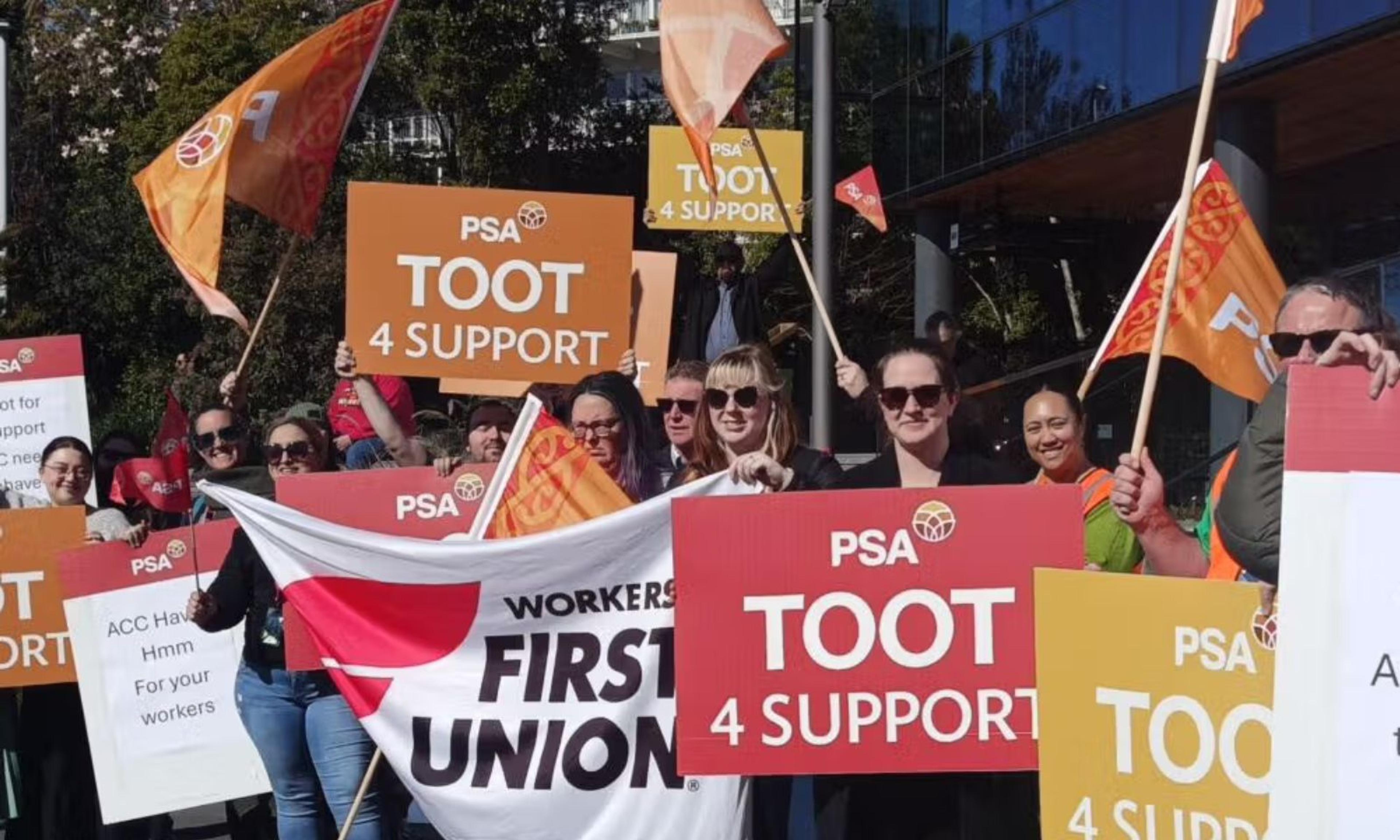
The new minimum wage increase has been criticised with unions warning many families are still struggling to get by.
Photo/Waikato Independent/file
Officials say low-paid workers, many of them Māori and Pasifika, are still struggling as the minimum wage rises, far below the new Living Wage.

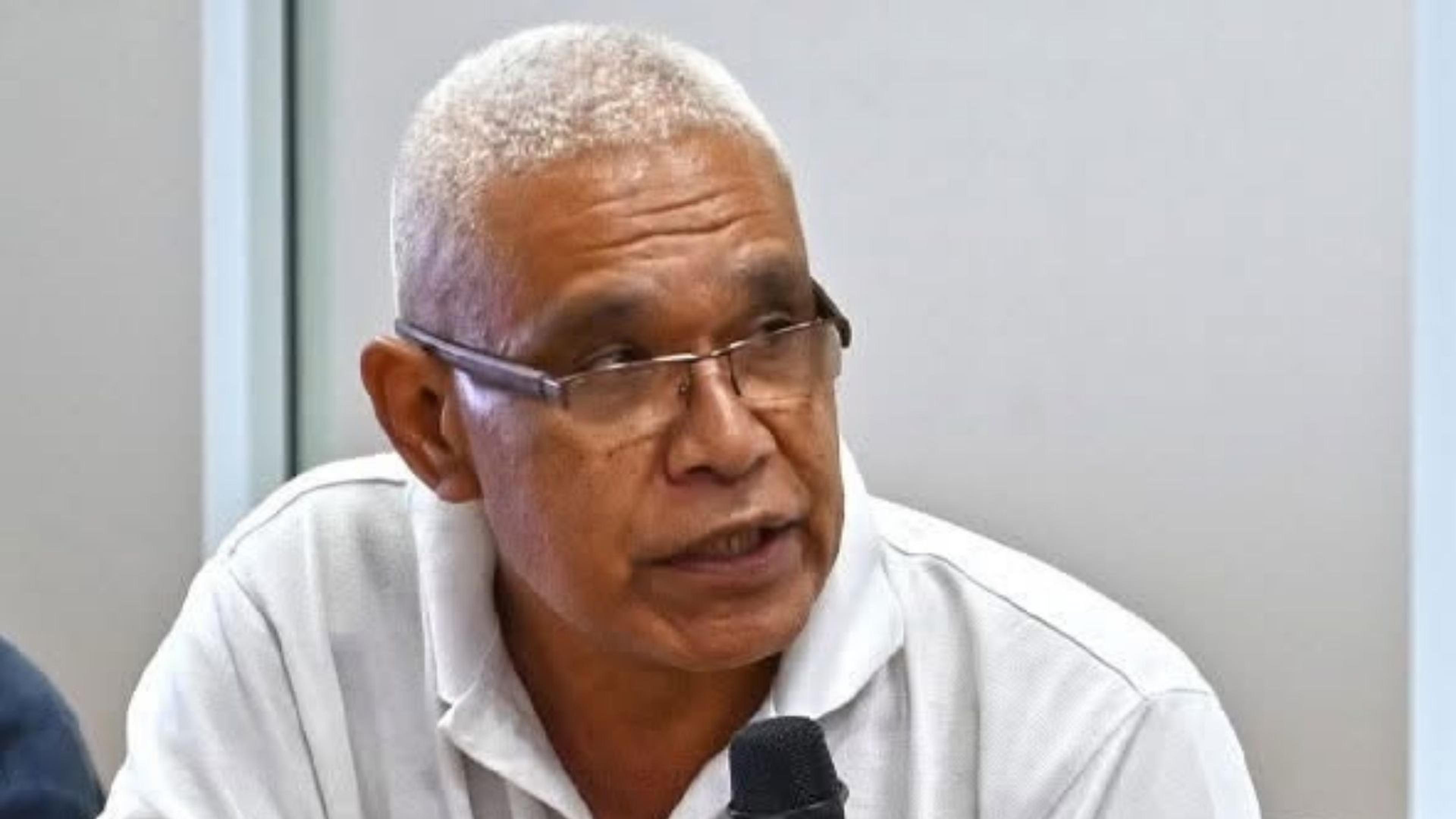


A small increase to the minimum wage is being criticised as not enough and unions warn many workers will continue to struggle to get by.
From 1 April, the minimum wage has risen to $23.95 an hour, a 1.9 per cent or 45-cent rise.
But for many families already stretched by rent, food, and fuel costs, the change offers little relief.
Unite Union has described the increase as “the bare minimum", saying it falls well short of what people need to live on.
"Cost of Living is the number one issue this election year, and this measly increase will be easily overtaken by inflation and the fuel crisis," Shanna Olsen-Reeder, National Secretary of Unite Union, said in a statement.
Many of those on minimum wage are Māori and Pacific workers, often employed in sectors like fast food, cleaning, and care work, where low pay and rising living costs are hitting hardest.
"It's an underwhelming and disrespectful move by the outgoing Minister of Workplace Relations, who continues to aspire to a legacy of slashing the rights of regular working people,” Olsen-Reeder said.
“It shouldn't be a controversial idea that working people deserve wages they can actually live on.”
For workers on the ground, the impact is immediate.
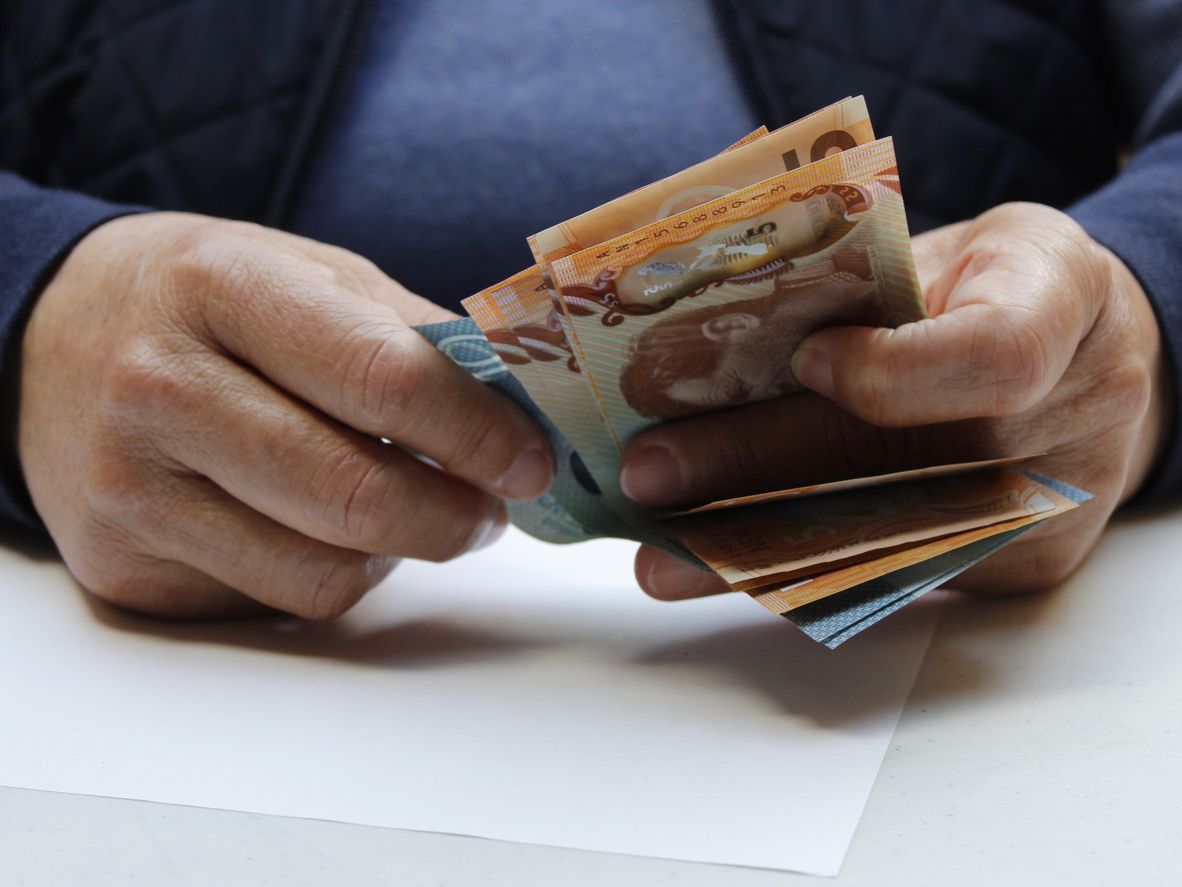
Low-paid workers say the gap between the minimum wage and the Living Wage continues to grow, as pressure from rent, food and fuel costs rises. Photo/Supplied
“This is effectively a pay cut, which will not provide much-needed relief. I want to see inflation met with a few extra dollars in our pockets, so that workers are not being forced into income poverty," Christina Barwick, a fast food worker and Unite Union Co-President, said.
The criticism comes as the new Living Wage has been announced at $29.90 an hour, highlighting the growing gap between minimum pay and what is considered enough to live on.
$23.95 Minimum Wage: The legal minimum employers must pay, set by the Government and in effect from 1 April.
$29.90 Living Wage: Not mandatory, this rate is set independently and reflects what a worker and their family need to live with dignity, not just survive.
The Living Wage Movement Aotearoa New Zealand says the new rate offers some hope during tough times.
“Workers in Aotearoa will be celebrating the announcement of the new Living Wage rate,” Muriel Tunoho, Chairperson of LWMANZ, said in a statement.
“This is also a time of celebration for the Living Wage Movement, which continues to make a real difference in people’s lives.”
But she also pointed to the growing pressure many families are under.
“Right now, in a cost-of-living crisis that seems to be getting worse every day, the Living Wage is needed more than ever.
"With these new fuel spikes, low-paid workers are struggling to keep their heads above water and to cover the absolute basics like rent, power, and kai.
"The Living Wage offers real hope and relief to workers and their whānau.”
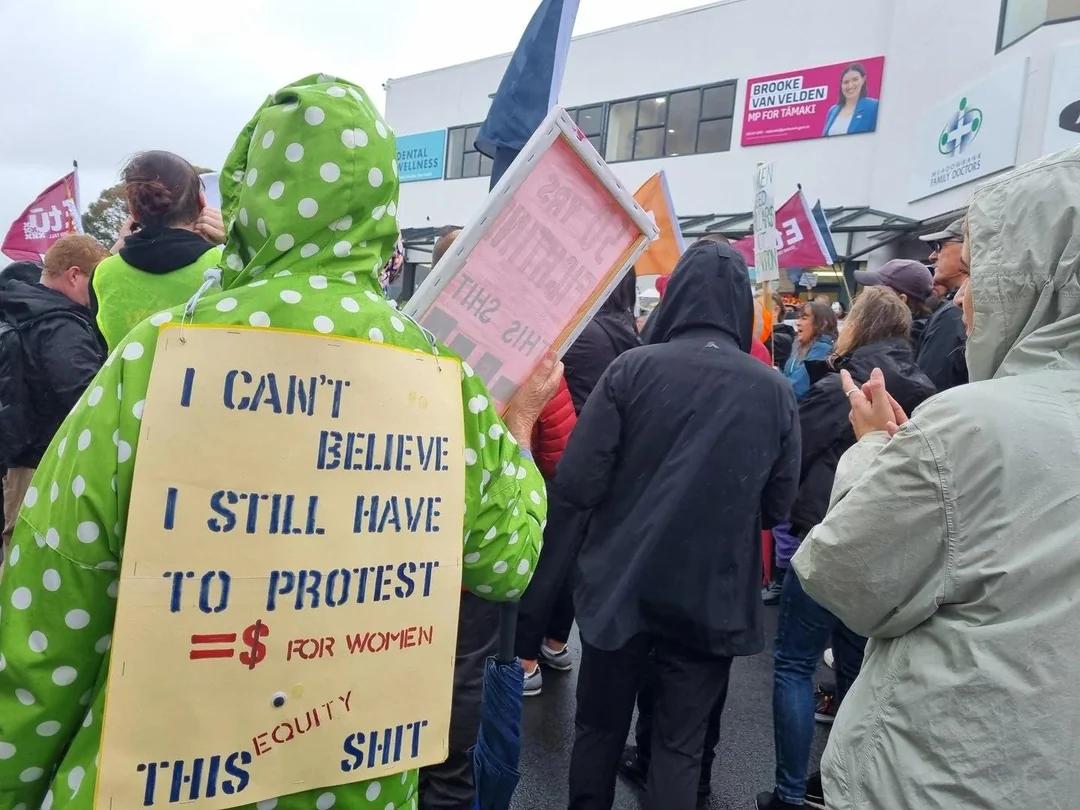
There is no legal requirement for employers to pay more than minimum wage, which is $6 below living wage. Photo/RNZ/Rowan Quinn
More than 340 employers across Aotearoa already pay the Living Wage. This includes businesses, councils, and parts of the public sector.
For many Pacific and Māori families, the gap between what people earn and what they need continues to grow with everyday costs rising faster than wages and little sign of relief.