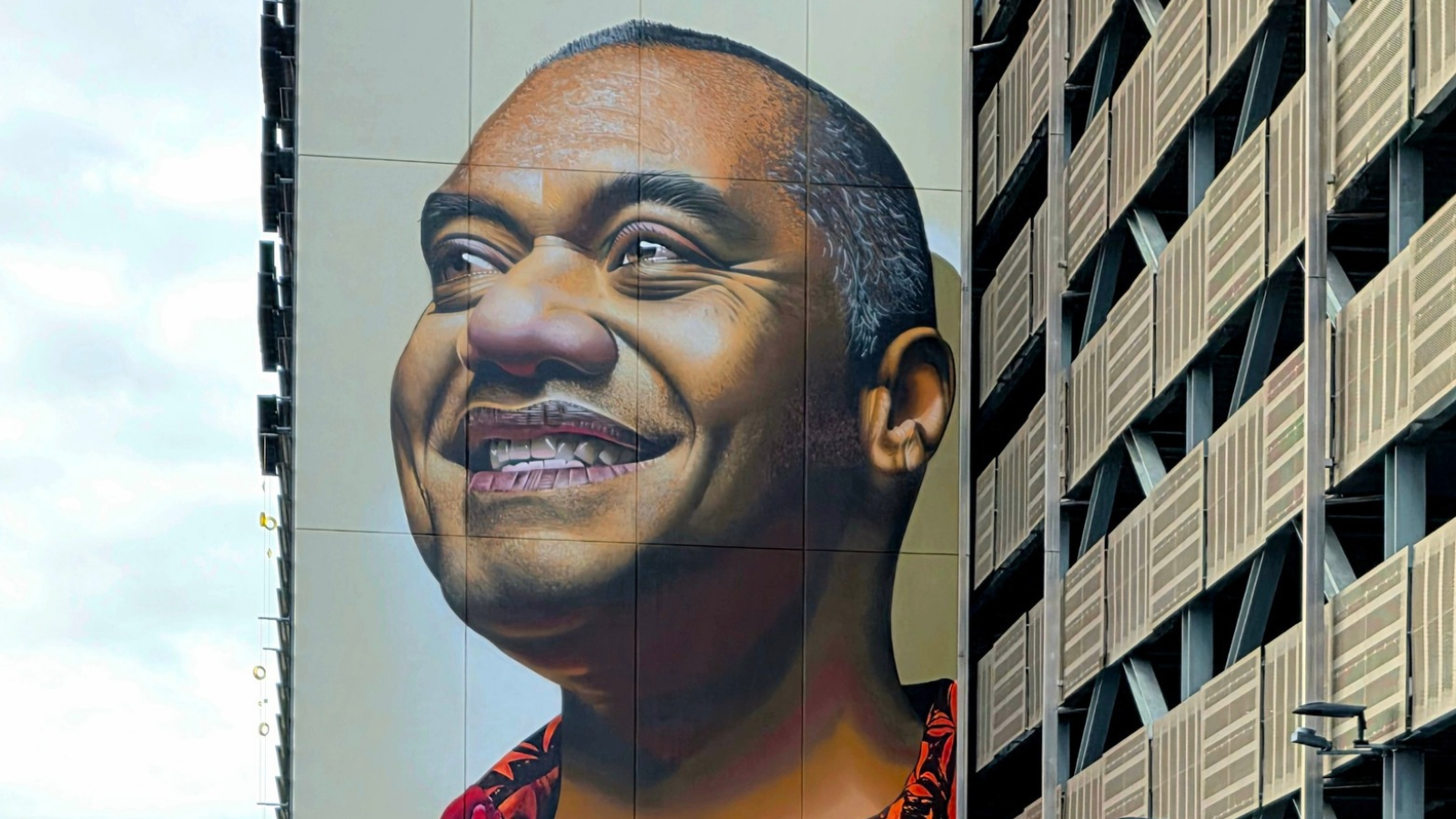

Living Wage Community Organiser Geoffrey Tuita says the increase gives families more money, and ultimately, time.
Photo/Composite/Supplied/File
Business
Pacific workers say new Living Wage increase gives them ‘time back’
As the Living Wage rises to $29.90 an hour, Pasifika employees say earning more means less time working extra hours.

Khalia Strong
Published
01 September 2026, 1:41pm
Share
Copy Link
Top stories

PNG Chiefs win first round against New Zealand Rugby
Christine RovoiSat, 17 Oct
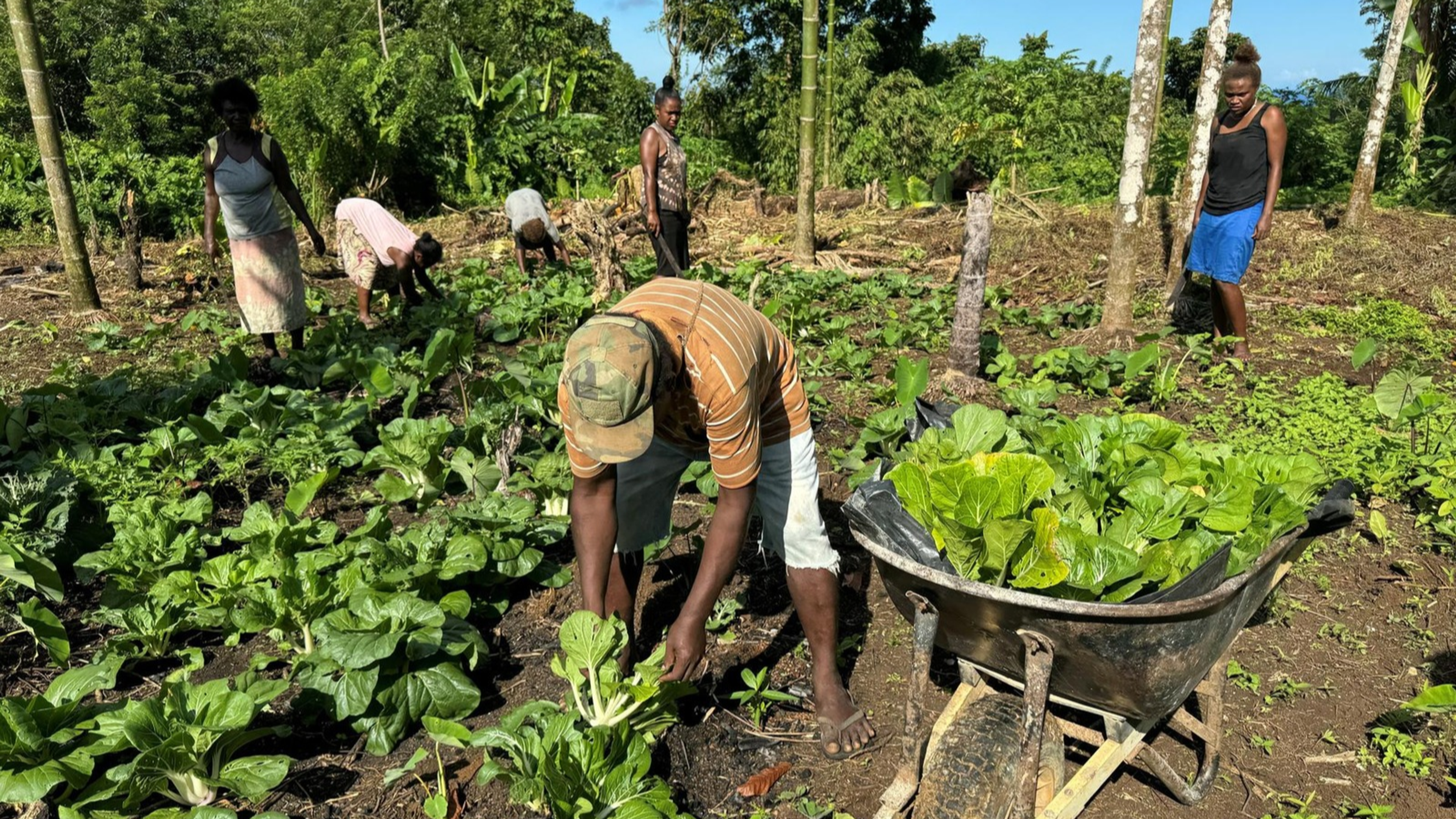
Pacific families must work four days to afford basic food: World Vision
Thomas Tarurongo WynneFri, 16 Oct

Sāmoa demolish France in record-breaking 78-4 RL World Cup opener
Christine RovoiFri, 16 Oct
Top stories
PNG Chiefs win first round against New Zealand Rugby
Christine RovoiSat, 17 Oct
Pacific families must work four days to afford basic food: World Vision
Thomas Tarurongo WynneFri, 16 Oct
Sāmoa demolish France in record-breaking 78-4 RL World Cup opener
Christine RovoiFri, 16 Oct
For Wellington cleaner Malia Motusaga, earning the Living Wage has meant getting back something money cannot buy - time with her family.
Before the Living Wage was introduced for government cleaners, Motusaga says she worked 150 hours a fortnight to cover basic costs and support her family.
She would start at 6am, finish at 2pm, return to work from 3pm until midnight, and also work weekend shifts.
In a statement, Motusaga says earning the Living Wage was a game-changer.
“I could work fewer hours, spend time with my family, and finally have a bit of space to breathe between shifts. I had a life again.”
The 2026/27 Living Wage rate rises to $29.90 an hour from Tuesday 1 September. The Government’s minimum wage rate is currently $23.95 until the end of March.
Watch Geoffrey Tuita's full interview below.
That puts the Living Wage almost $6 an hour above the minimum wage.
The latest Stats NZ figures show the gap between Pacific workers and the wider workforce remains.
Median hourly earnings for Pacific workers rose by just 17 cents over the past year to $31.17 in the June 2026 quarter, compared with $38 across all workers.
Across the same period, median hourly earnings for all workers rose by $1.44.
Geoffrey Tuita, Living Wage community organiser, says the difference a higher wage makes is about more than having extra money in the bank.
“For many families it’s almost the difference between going week-to-week managing what they can, and that breath of fresh of air, knowing that they can go on and get on top of their bills, rent and the essentials,” he tells WIlliam Terite on Pacific Mornings.
“It’s the time spent with family and kids and to spend more time at church and in the communities that they’ve found is their biggest win, that’s what they appreciate about the living wage the most.”
Tuita says the Living Wage is based on the cost of basic household expenses and is designed to give workers enough income to meet their needs while allowing some room to get ahead.
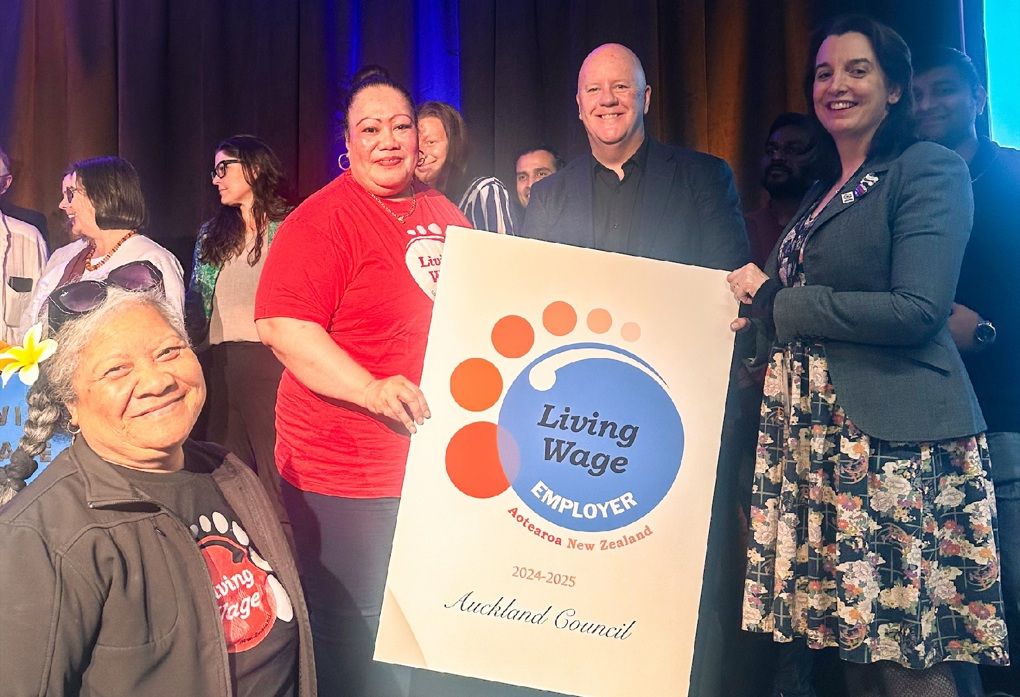
Recognised around Auckland Council's Living Wage accreditation sign are Living Wage Movement supporter Fala Halaungi, Auckland Council cleaner Palu Vaitai, Auckland Council chief executive Phil Wilson, and Councillor Julie Fairey. Photo/Our Auckland
More than 340 employers are accredited Living Wage Employers, according to E tū union.
Auckland Council became an accredited Living Wage employer in 2024, extending its commitment to contract cleaners and suppliers.
Cleaner Palu Vaitai says the higher pay has also changed how she balances work and family life.
In a statement, she said she used to work seven days a week as a cleaner for Auckland Council.
With the pay rise, she was able to work five days, have money left over at the end of the week and have “time to go watch and cheer for Mate Ma’a Tonga”.
Rachel Mackintosh, E tū national secretary, is encouraging more employers to commit to paying the Living Wage.
“The Living Wage at $29.90 reflects the actual cost of rent, food, power, and getting to work. The minimum wage does not come close,” she says in a statement.
Advocates say the Living Wage can give Pacific workers the financial breathing room to support their families while staying connected to church and community.
More information about the Living Wage rate and movement can be found here.